Honda Jazz: why this compact city car so often causes problems
The Honda Jazz is known as a reliable, spacious city car that has been popular for years with motorists who value practicality and fuel efficiency. Even so, this model is not immune to technical issues that crop up regularly. The CVT automatic gearbox (continuously variable transmission) continues to be a headache. Electrical faults occur more often than you might expect. Suspension components wear out faster than you’d like. Want to know what you need to look out for with this compact all-rounder?
Knowing the issues saves money and frustration
As an owner or prospective buyer of a Honda Jazz, it pays to know the most common faults. This helps you spot problems at an early stage and avoid higher repair costs. When inspecting a used Jazz before purchase, you’ll know exactly what to look out for. You can also arrange more targeted maintenance with your garage.
If you are hesitating about buying one: having a clear picture of possible problems gives you a realistic idea of the total maintenance costs. That way you avoid disappointment later and make a well-informed choice. For existing owners too, this overview offers guidance to act preventively.
‘ Still, a good reputation doesn’t mean there are no problems. ’
The Jazz scores above average for reliability
Honda has traditionally been known for its solid engineering and reliable engines. The Jazz is no exception. Various reliability surveys consistently place this model in the top ranks of its class. Many owners report that their Jazz runs for years without any major issues.
Still, a good reputation doesn’t mean there are no problems. Certain generations and versions suffer from specific faults that you shouldn’t underestimate. Most problems arise over time through wear or insufficient maintenance. In the Jazz, the CVT transmission and some electronic components stand out in particular.


CVT automatic and engine problems need attention
The CVT automatic gearbox is a well-known point of concern on the Honda Jazz. This continuously variable transmission works differently from a conventional automatic and requires specific maintenance. If it is used carelessly or maintenance is delayed, problems arise. Owners regularly report jerky gear changes, hesitation when pulling away or vibrations while driving.
Possible causes include dirty or old transmission fluid, wear of the CVT belt or faulty sensors. In more serious cases the transmission can fail completely, leading to costly repairs. Preventive maintenance is crucial here: make sure the CVT fluid is replaced according to the service schedule. This problem occurs more frequently on models built before 2012.
The petrol engine itself can also cause trouble. The 1.5-litre i-VTEC engine is generally reliable, but some owners report issues with the timing chain (the chain that synchronises the timing between crankshaft and camshaft) rattling after high mileage. This indicates wear and means it needs replacing. If you suspect chain noise, have it checked immediately to prevent engine damage.
In addition, certain Jazz models can suffer from problems with the fuel pump or the injection system (the system that injects fuel into the engine). This shows up as starting problems, irregular idling (running while stationary) or loss of power while driving. Check the car problems with Honda for a broader overview of common faults with this brand.
Electrical faults occur regularly
The Jazz struggles with electrical and electronic problems across several generations. A frequently mentioned complaint concerns failed ignition coils. This leads to ignition problems, where the engine runs unevenly or will not start at all. The car may start to misfire while driving or suddenly lose power.
The starter motor or alternator (the component that charges the battery) can fail over time, especially on high-mileage models. A failed starter motor gives little or no response when you turn the ignition key. A defective alternator means the battery is no longer charged, which shows up as flickering lights and a glowing battery warning light on the dashboard.
Owners also report problems with the central locking system. Doors open or lock by themselves, or no longer respond to the remote control. This may be caused by a faulty control unit or poor wiring. Parking sensors or lane assistance sensors can also malfunction, triggering warning lights on the dashboard.
Deal with this type of problem in good time. Electrical faults can lead to breakdowns while driving, which is dangerous. Have a garage read out the fault codes to identify the exact cause. Often, replacing a component or repairing wiring is enough.
‘ A poorly performing shock absorber has a direct impact on driving safety. ’
Suspension and brakes show typical wear
The Honda Jazz has a robustly built suspension, but here too there are wear patterns you need to be aware of. Common points of attention are the anti-roll bar bushes, also known as drop links. Over time these can dry out and crack, causing rattling or knocking noises when driving over bumps.
The shock absorbers can also lose their damping after high mileage. You notice this through a wallowy ride, longer braking distances and less grip in corners. Have the shock absorbers checked during the MOT (the periodic statutory vehicle inspection) and replace them if in doubt. A poorly performing shock absorber has a direct impact on driving safety.
The steering system generally causes few problems. Some owners do, however, report play in the steering or a squeaking noise when turning the wheel. This can indicate wear in the track rod ends (the joints that connect the steering to the wheels) or a lack of fluid in the power steering system (the system that makes steering lighter). Check this in good time, as play in the steering affects your control over the car.
Brake wear depends on driving style and use. City drivers usually replace their brake pads more often than motorway drivers. Watch out for squealing noises, a soft brake pedal or vibrating pedals. These are signs of worn pads, warped discs or air in the braking system. Always have the brakes checked by a professional.


Rust and interior problems are limited
In terms of rust, the Honda Jazz generally scores well. Honda uses solid coating and treatment for the chassis. However, models from before 2010 can show rust in certain areas. Pay particular attention to the wheel arches, the bottom of the doors and the sills for rust spots or bubbles in the paint.
Moisture can also enter around the tailgate, especially if the seals are damaged or after a collision. This leads to rust forming on the inside. So be sure to inspect the boot area and check whether the tailgate closes properly. Water ingress can also damage electronics in the boot.
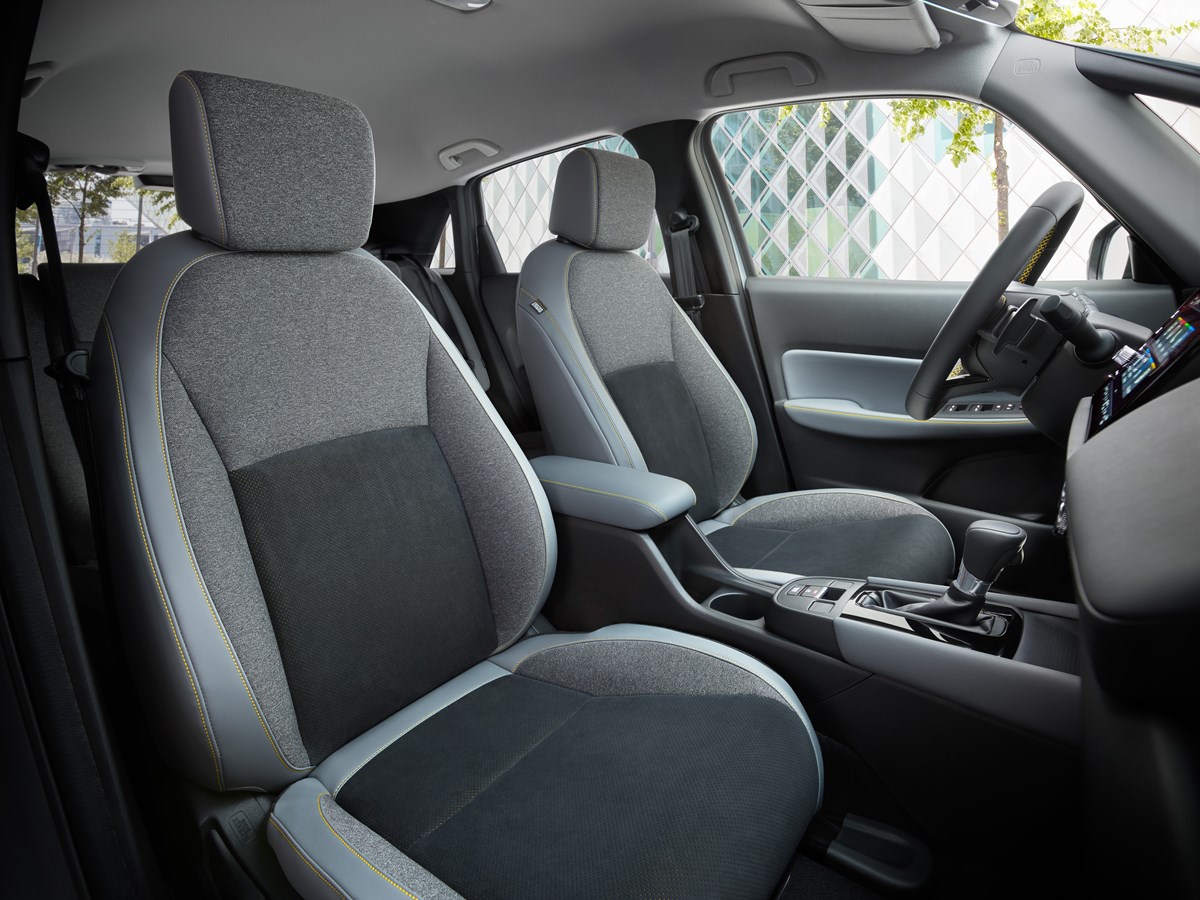
The interior of the Jazz is functional and practically laid out. The Magic Seats (rear seats that can fold flat or flip up to provide extra load space) offer flexible layout options, but over time they can develop loose parts or damaged hinges. This occurs mainly with intensive use. The plastic in the cabin can also discolour or creak with temperature changes after a number of years.
Owners also sometimes report problems with the heating or air conditioning. The blower fan can fail or make excessive noise. The air con cools less effectively if the refrigerant level is low or the compressor is faulty. Have the air conditioning serviced regularly to prevent problems.
Recognise problems by these signs
Spotting problems early prevents expensive repairs. Watch out for the following symptoms when driving or starting the Jazz:
- Jerky or hesitant gear changes point to CVT problems
- Rattling noises from the engine indicate timing chain wear
- Misfiring or poor starting can be caused by ignition coils or injection faults
- Warning lights on the dashboard should never be ignored
- Clicks or rattles over bumps point to suspension components that need attention
- Squealing brakes or vibrating pedals are signs of wear
- Electrical issues such as doors unlocking by themselves require immediate action
Have the car checked whenever you notice any of these signs. A garage can use diagnostic equipment to read fault codes and trace the cause. The sooner you react, the lower the risk of consequential damage and the lower the repair costs will be.
‘ A CVT automatic does not tolerate aggressive shifting or long periods of idling. ’
Maintenance and prevention extend the lifespan
Good maintenance is the key to a long lifespan for your Honda Jazz. Follow these recommendations:
- Change the CVT fluid according to the prescribed schedule, usually every 40,000 to 60,000 kilometres
- Have the engine serviced regularly with fresh oil and new filters
- Check the timing chain on high-mileage models and replace it if worn
- Have electrical components such as ignition coils and sensors checked if faults occur
- Inspect suspension bushes and shock absorbers annually and replace them if worn
- Maintain the air con by having the system checked and recharged regularly
- Check the bodywork for rust, especially on older models
It also pays to pay attention to your driving style. A CVT automatic does not tolerate aggressive shifting or long periods of idling. Drive smoothly and anticipate traffic to reduce wear. Frequent short trips also increase the strain on engine and battery, so where possible plan longer journeys to bring everything up to proper operating temperature.
What to look out for when buying a used Jazz
Planning to buy a used Honda Jazz? Then carefully check the following points:
- Ask for the service history and check whether the CVT fluid has been changed regularly
- Test the automatic gearbox thoroughly on a test drive for jerks, hesitation or strange noises
- Check that the engine starts easily and idles smoothly without hesitation
- Watch for warning lights on the dashboard and have any stored fault codes read
- Inspect the suspension for worn bushes and leaking shock absorbers
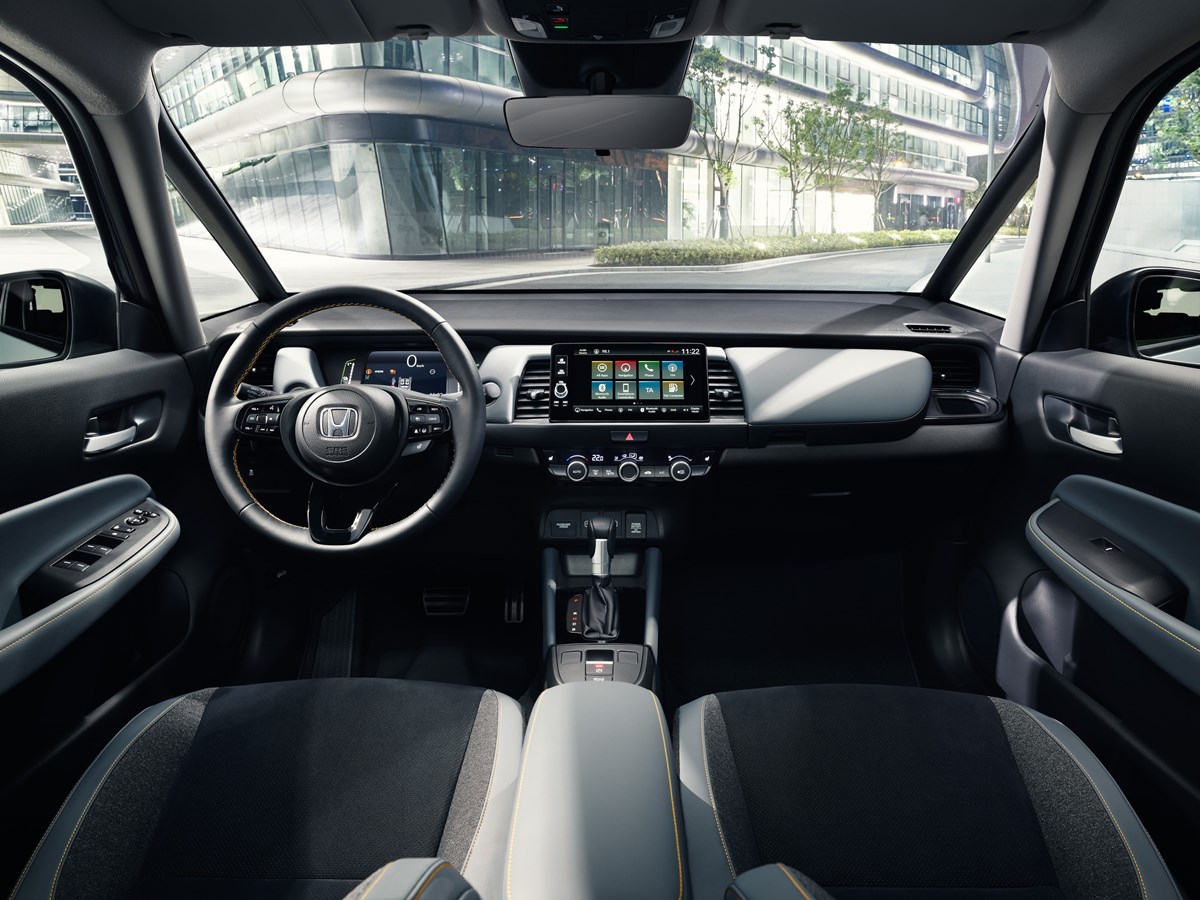
- Test all electrical functions, from central locking to parking sensors
- Inspect the bodywork for rust spots, especially around wheel arches and doors
- Check that the air con works properly and doesn’t smell odd
Not sure about the condition of the car? Then have an independent MOT-style inspection carried out before buying. This costs a few tens of euros but can save you hundreds on hidden defects. Ideally, look for models with a fully stamped service book and a recently completed service.
The Jazz remains a sensible choice with a few caveats
The Honda Jazz lives up to its reputation as a reliable and practical city car. Its generous interior space, flexible layout and economical engines make it attractive for anyone who drives in urban traffic every day. Most owners are satisfied with its solidity and low maintenance costs.
There are, however, some points you shouldn’t ignore. The CVT automatic gearbox requires consistent maintenance and, if neglected, can lead to substantial costs. Electrical components such as ignition coils and sensors can fail and need timely replacement. The suspension also shows the usual wear that you need to keep an eye on.
With regular maintenance and a bit of vigilance, the Jazz remains a car that will serve you reliably for many years. Know its weak spots, recognise the warning signs and act in good time. That way you keep repair bills under control and can enjoy this versatile compact car with peace of mind.