Car problems with Hyundai: all issues by model
In recent years, Hyundai models have increasingly often been plagued by technical problems, ranging from transmission failures to fire risk in electric cars. Dozens of recalls affect hundreds of thousands of vehicles worldwide, with DCT gearboxes (automatic double-clutch gearboxes), battery cells and infotainment screens being particular pain points. But how big are the risks really, and with which models do you need to be extra careful?
Hyundai and reliability: how serious are the problems?
Hyundai has built up a solid reputation as a manufacturer of affordable, well-equipped cars with long warranties. In recent years, however, another side has emerged: technical issues are piling up, with more than 80,000 electric cars recalled due to fire risk and tens of thousands of SUVs (higher family cars) with transmission and airbag issues.
The problems are varied. Some are annoying but manageable, such as an infotainment screen that restarts by itself. Others are safety-critical, such as defective steering knuckles that can break while driving or batteries that short-circuit. The difference often lies in the details: model year, engine type, software version and maintenance.
As a car enthusiast it is important to look past the noise. Not every problem affects every model. Always check whether your specific model year or version is part of a recall. Hyundai generally offers free repairs through dealers, but you do need to actively keep checking whether your car is on the list.
‘ A recall means that Hyundai acknowledges a safety problem and takes action. ’
Recalls, failures and known themes with Hyundai
With recent Hyundai models, you see a number of recurring problem categories. The most common themes are:
- Transmission issues: the DCT double-clutch gearbox in particular suffers from jerky shifting, unpredictable responses and failure. SUVs and heavier models with this gearbox prove to be vulnerable.
- Electronic faults: infotainment systems that crash or restart, sensors that give incorrect signals and central locking that does not respond.
- Safety components: airbags that may deploy unexpectedly or fail to activate, and steering knuckles that can crack, resulting in loss of steering control.
- Battery and charging problems with EVs (electric cars): quality control of cylindrical cells falls short, leading to internal short circuits and, in severe cases, fires.
A recall means that Hyundai acknowledges a safety problem and takes action. Sometimes a software update is enough; in other cases complete components are replaced. Software updates can now often be carried out over the air (OTA, remote wireless updates), without a visit to the workshop.
Keep your VIN handy and regularly check whether there are any outstanding recalls for your model. Register your car with Hyundai so that you automatically receive notifications.
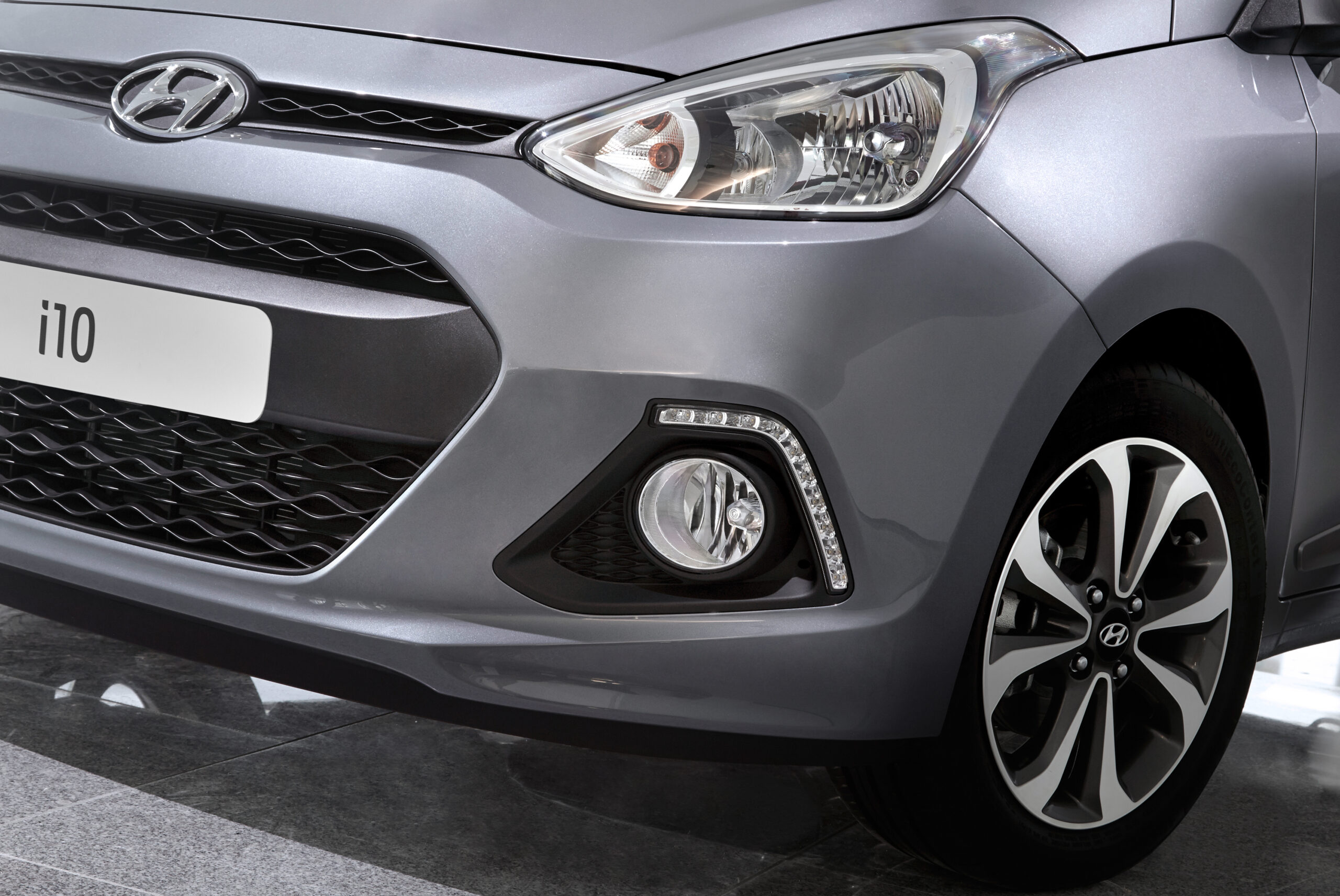
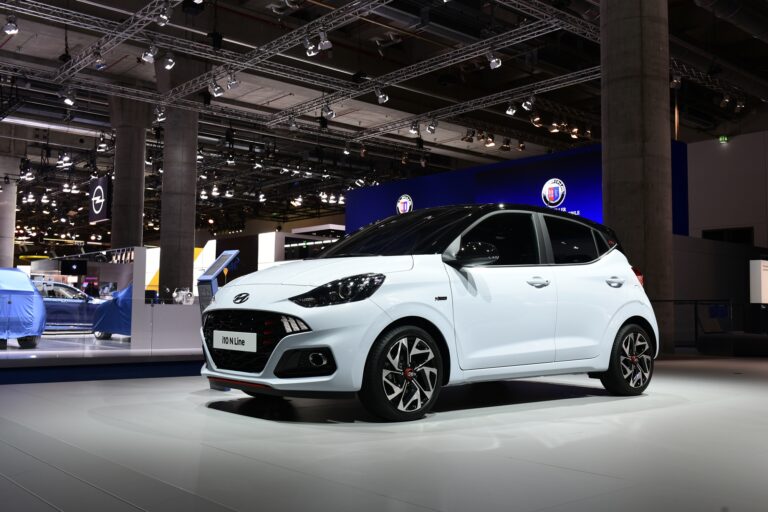
Hyundai i10
The i10 is a popular city car that is more compact and modern than its predecessors. The newer generations feature more electronics, which also brings new problems.
Common complaints:
- Central locking and sensors: sometimes the central locking responds slowly or not at all. Parking sensors can also give incorrect signals.
- Infotainment: screens that are slow to start up or freeze. Software updates often solve this.
- Oil consumption: at higher mileages, owners report slightly increased oil consumption. Check the oil level regularly.
Diagnostics are usually carried out via the OBD port (diagnostic connector for reading fault codes) at the dealer. Many electronic faults turn out to be solvable through software. Having maintenance carried out on time and installing updates helps to prevent problems. At high mileages it is important to replace wear parts such as spark plugs and air filters.
Read more: Hyundai i10
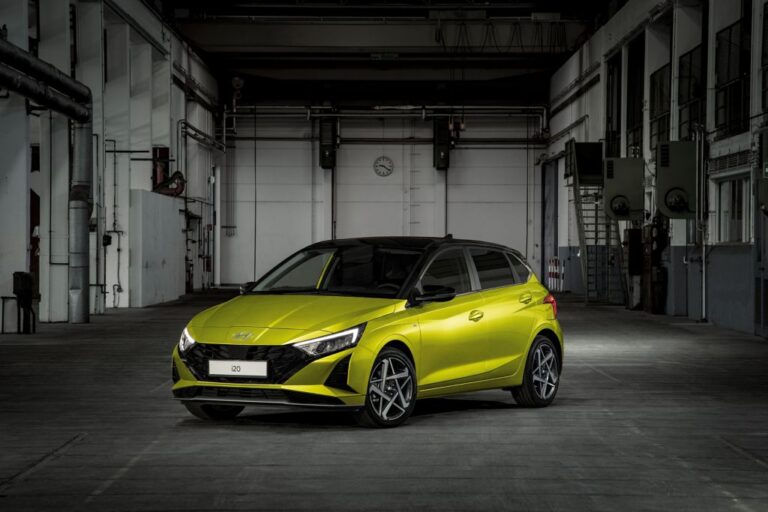
Hyundai i20
The i20 has gone through several generations. Older models are simple and mechanically sound, but more recent versions feature more electronics and are therefore more prone to faults.
Older i20 (first and second generation):
- Suspension and steering: control arm bushes and track rod ends tend to wear after around 80,000 to 100,000 kilometres. You feel this as play in the steering.
- Rust: rust can form around the wheel arches and sills, especially on cars that have seen a lot of winter use.
More recent i20 (third generation):
- Electronics and infotainment: the touchscreen sometimes responds slowly or cuts out. Software updates from the dealer often improve this.
- Warning lights: ESP (the system that monitors vehicle stability) and ABS (the anti-lock braking system) lights can come on without a real fault due to sensor issues. Have the fault codes checked at the dealer.
On a test drive: listen for knocking noises from the suspension, check whether the steering feels straight and stable, and test all electronics. Ask about carried out software updates and maintenance on suspension and brakes.
Read more: Hyundai i20
Hyundai i30
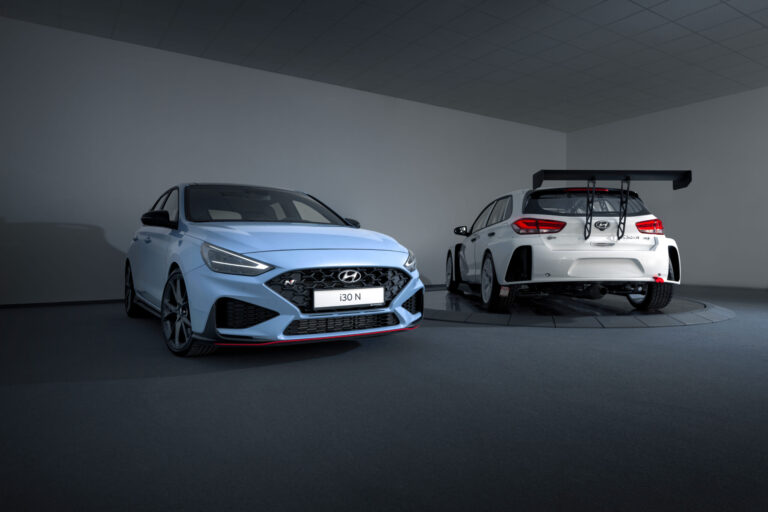
The i30 is one of Hyundai’s best-selling models. Overall, the car scores well, but certain versions have clear weak points.
Common problems:
- DCT gearbox: the dual-clutch gearbox in some petrol versions jerks at low speeds and responds slowly when pulling away. Software updates and, in serious cases, replacement are possible.
- Diesel engines: EGR valves (parts of the exhaust system that recirculate exhaust gases) and particulate filters (components that trap soot particles from the exhaust) clog up if the car mostly does short trips. This leads to loss of power and increased fuel consumption.
- Electronics and sensors: parking sensors sometimes give fault messages, and multimedia systems can freeze.
Tips for buyers: for petrol versions, pay attention to the type of gearbox. Manual and conventional automatic gearboxes are more reliable than the DCT. For diesels, ask about maintenance on the EGR system and particulate filter and, ideally, drive a longer distance to assess behaviour at operating temperature.
Read more: Hyundai i30
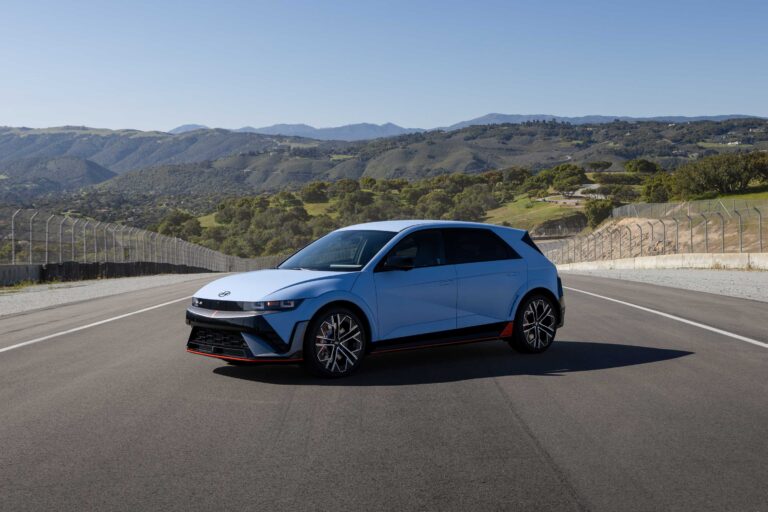
Hyundai Ioniq 5: EV icon
The Ioniq 5 is Hyundai’s flagship in the EV field, but it suffers from serious battery and software problems.
Battery problems:
The E-GMP 800V platform uses cylindrical battery cells. If quality control is insufficient, these cells can develop internal short circuits, leading to overheating and a risk of fire. More than 80,000 vehicles have been recalled worldwide. Even before the recall, 13 confirmed fire incidents had already been recorded. Fires have been reported while driving, while charging and even in parked vehicles. Some owners report ongoing issues despite battery replacement.
Infotainment and instrument cluster issues:
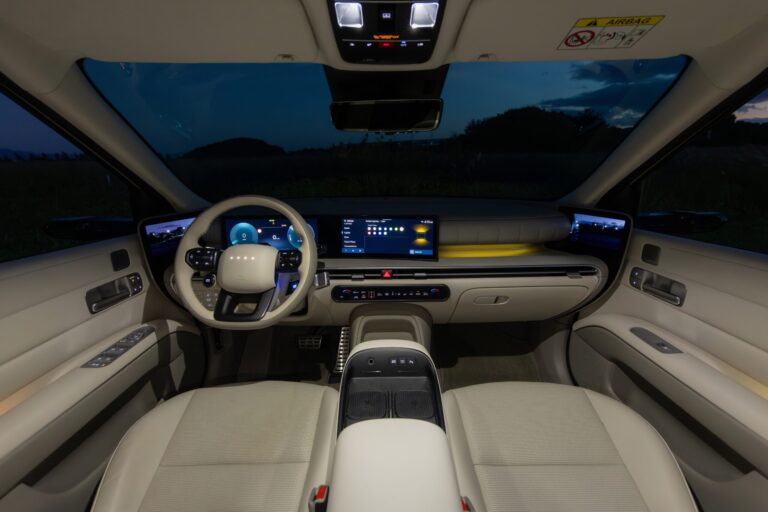
The 12.3-inch digital screen sometimes cuts out randomly or restarts while driving. This affects both the instruments and the infotainment functions. Software updates, often available over the air, fix this.
Practical tips for owners:
- Check whether your vehicle is subject to a battery recall and have any repairs carried out.
- Do not charge unattended and, preferably, avoid parking in enclosed spaces directly after a long drive or fast charge.
- Install software updates as soon as they become available.
- Report any suspicious smells, warnings or heat build-up at the battery straight away to your dealer.
‘ The Ioniq 6 shares the E-GMP platform with the Ioniq 5 and therefore suffers from similar problems. ’
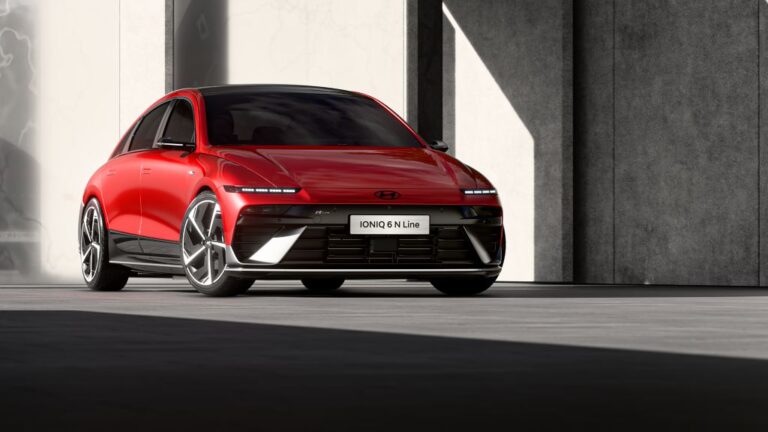
Hyundai Ioniq 6: high-tech saloon with similar EV themes
The Ioniq 6 shares the E-GMP platform with the Ioniq 5 and therefore suffers from similar problems.
Battery and charging issues:
The Ioniq 6 is also sensitive to quality problems with the cylindrical battery cells. The same risks of short circuits and fire apply here. Actively check whether your model is part of any recalls.
Digital cockpit and infotainment:
As with the Ioniq 5, screens can cut out or restart. OTA updates usually fix this, but stay alert and install updates promptly.
Charging curves and thermal management:
On long-distance trips and with intensive use, owners sometimes report that the charging speed drops. The thermal management of the battery (the system that regulates battery temperature) can also limit performance. This is normal behaviour to protect the battery, but it can be frustrating on long journeys.
Document charging behaviour and any irregularities. In the case of persistent problems, report them to your dealer and ask about updates or modifications.
Read: Hyundai Ioniq 6 problems
‘ Unfortunately, the Tucson, especially in more recent generations, suffers from persistent technical problems. ’
Hyundai Tucson
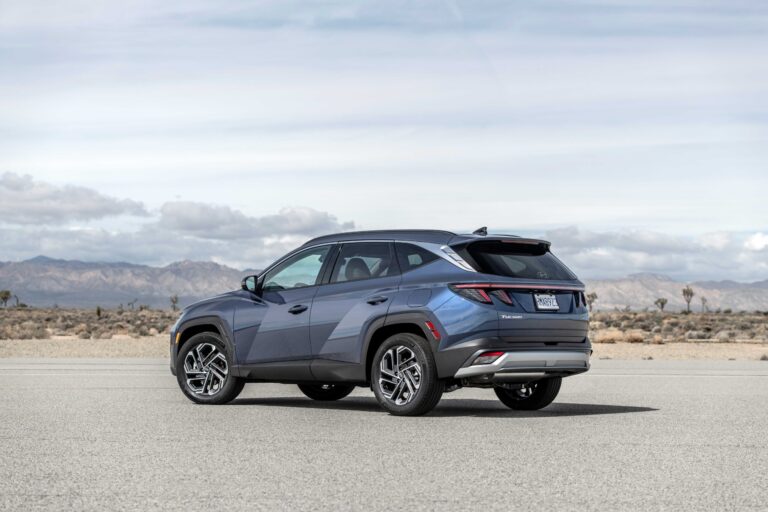
The Tucson is a mid-size SUV that is popular with families. Unfortunately, the Tucson, especially in more recent generations, suffers from persistent technical problems.
Transmission issues:
The 8-speed DCT dual-clutch gearbox is the weak link. Owners report jerky shifting, hesitant responses when accelerating and unpredictable behaviour in traffic. In 2022 a major recall followed due to design flaws in the circuit board that controls the oil pump. Dealers had to install software and in some cases replace whole gearboxes.
Electronics and infotainment:
The digital instrument panel and infotainment screen sometimes cut out or restart while driving. This mainly affects 2025–2026 models. Software updates often solve this problem and can be carried out over the air.
Suspension and four-wheel drive:
Some owners report noises from the suspension on uneven surfaces. The four-wheel-drive system can also show faults when sensors malfunction.
Recognise symptoms early. For transmission problems, have the dealer check whether there are any outstanding recalls or updates. For infotainment issues, install available updates as soon as possible.
Read more: Hyundai Tucson
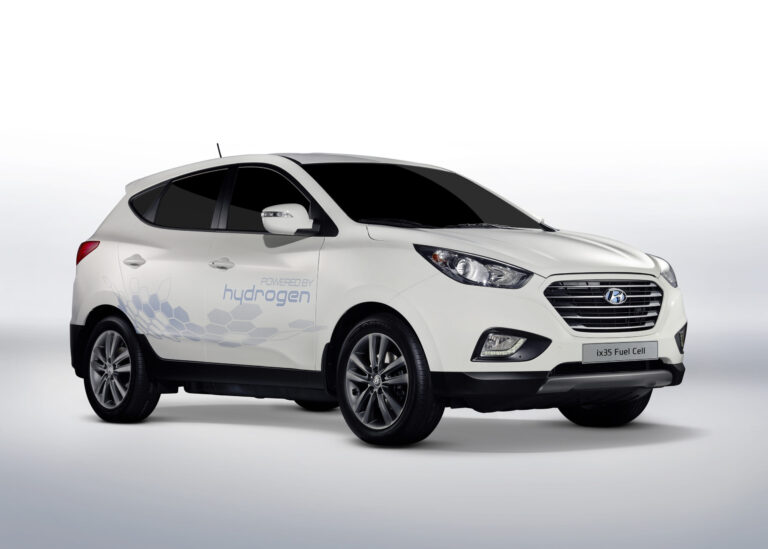
Hyundai ix35: SUV with quirks
The ix35, the Tucson’s predecessor, is now somewhat older and therefore more prone to typical wear and corrosion.
Common problems:
- Rust: particularly around wheel arches, sills and the rear. If poorly maintained, rust can spread quickly.
- Turbo and injection on diesels: the turbo can fail due to contamination or lack of oil. Injectors clog up if maintenance is poor and trips are mostly short.
- ESP and ABS faults: sensors give incorrect signals, causing warning lights to stay on. This often results from contamination or corrosion at the wheel speed sensors.
Pre-purchase inspection: thoroughly check the underside and wheel arches for rust, ask about maintenance on the turbo and injectors, and have the fault codes read. Test the operation of ESP and ABS on a test drive over different surfaces.
Read more: Hyundai ix35
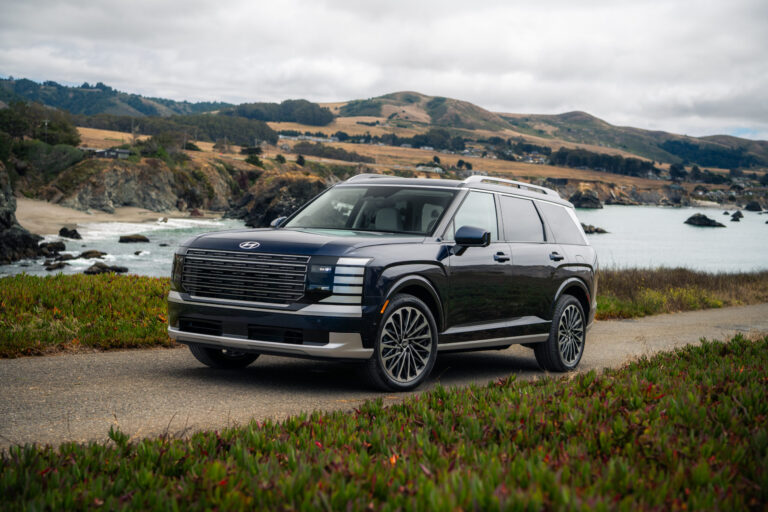
Hyundai Santa Fe
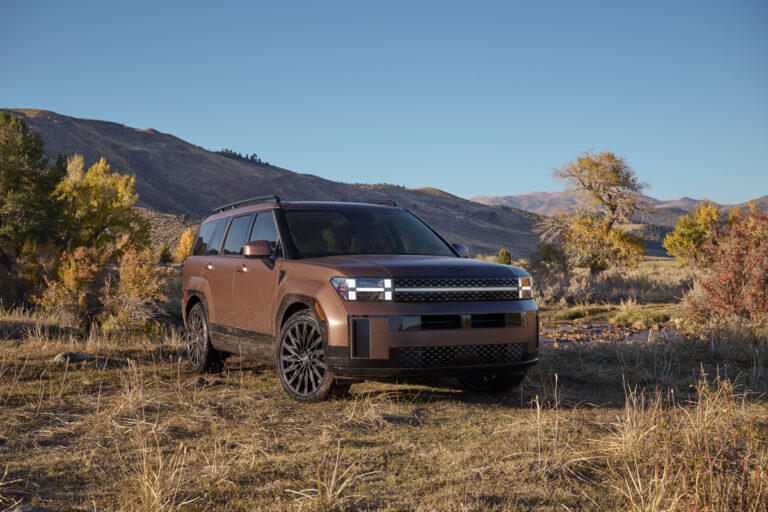
The Santa Fe is Hyundai’s large SUV and unfortunately suffers from serious technical problems that have triggered multiple recalls.
Transmission problems:
The 8-speed DCT double-clutch gearbox proves unsuitable for the weight and application of SUVs. Owners report jerky shifting, unpredictable responses and failure. In 2022, dealers had to carry out mass software updates and, in some vehicles, replace the entire gearbox due to design flaws in the oil pump circuit board.
In July 2024 a new recall followed: software problems meant that parked cars could move even when left in ‘park’ and with the parking brake not fully functioning. For model year 2026, Hyundai removed the turbo engine with DCT from the range in Canada, replacing it with a conventional automatic with torque converter.
Airbag recall 2024:
About 50,000 Santa Fe and Santa Fe Hybrid models from 2024 have been recalled due to an airbag problem. The floor wiring harness came into contact with the hinge of the folding second row of seats, damaging the wiring. This created a risk that the second-row airbags could deploy unexpectedly or fail to activate in a crash. After one incident in South Korea and eight cases in the US, Hyundai responded with a mandatory inspection by dealers.
If you own a Santa Fe, check whether your model is part of a recall and have updates and repairs carried out. Report symptoms to your dealer straight away and keep good records of everything.
Read more: Hyundai Santa Fe
‘ If these parts fail, they can crack or break, leading to complete loss of steering control. ’
Hyundai Kona: compact SUV
The Kona is a compact SUV that is popular in urban areas. Even so, the Kona also has safety-critical problems.
Defective steering knuckles:
In 2026, 1,577 Kona vehicles were recalled due to poorly manufactured steering knuckles. These are the mounting points of the suspension. If these parts fail, they can crack or break, leading to complete loss of steering control. Hyundai is contacting owners to have them replaced by authorised dealers.
Electronic and infotainment faults:
The Kona also suffers from screens cutting out and erroneous sensor messages. Software updates solve many of these issues.
Check whether your Kona is part of the recall and have repairs carried out as soon as possible. You must not ignore safety-critical parts such as steering knuckles.
Read more: Hyundai Kona
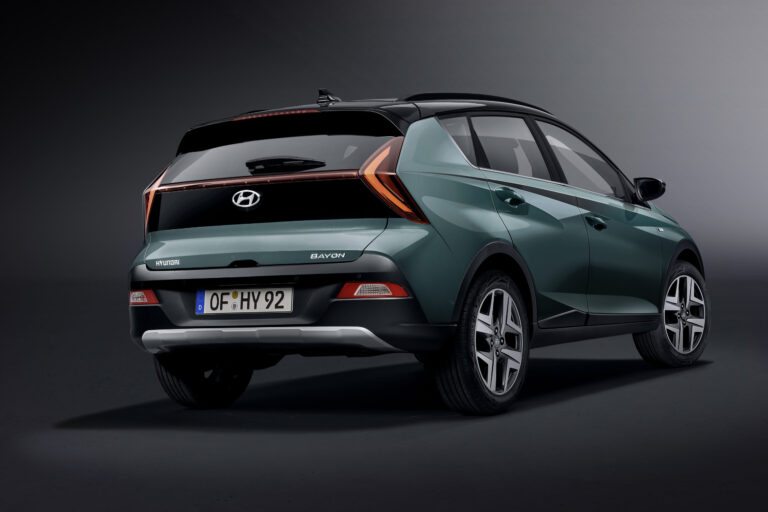
Hyundai Bayon
The Bayon is a compact SUV and generally scores well for reliability. Owners do, however, report specific issues with the air conditioning, wiring and, in a few cases, the automatic gearbox.
- Infotainment: slow responses, frozen screens and occasional failure. Hyundai regularly rolls out software updates that improve this.
- Digital systems: sensors and driver assistance systems occasionally show fault messages or respond sluggishly.
If you buy a Bayon, keep track of software updates, document faults carefully and report problems to the dealer in good time.
Hyundai Getz: older, but still widely used
The Getz is an older-generation city car that you still frequently see on the road. Technically, the car is simple and reliable, but age-related wear is now becoming apparent.
Common problems:
- Suspension and chassis: control arm bushes and anti-roll bar links wear out. You hear this as knocking noises over bumps.
- Rust: especially around wheel arches, sills and door bottoms. In wet winters, rust spreads quickly.
- Electronics: systems are simple, but central locking and window switches can play up due to worn switches.
Most problems are relatively cheap to fix. Replace worn parts in good time and keep an eye on rust spots. When buying a used Getz, thoroughly inspect the underside and wheel arches for rust and ask for maintenance invoices for suspension and brakes.
Read more: Hyundai Getz
Hyundai Atos: city car with age-related defects
The Atos is now getting on in years. What was once an affordable and economical city car now suffers from typical age-related problems. If maintenance has been poor, issues can escalate quickly.
Typical issues:
- Engine and cooling: coolant leaks from old hoses and the water pump can fail. Overheating is likely if this is not resolved in time.
- Clutch and brakes: at high mileages these parts wear quickly. You notice a dragging clutch through difficult gear changes and a burning smell.
- Electronics: systems are basic, but wiring can become brittle. Starting problems due to poor battery connections are common.
Keep the Atos in good mechanical condition by regularly changing the oil, coolant and brake fluid. When buying, always check the condition of the engine and cooling system and whether the clutch changes gear smoothly. A test drive around town and at speed will quickly reveal a lot.
Read more: Hyundai Atos
Infotainment and screen problems with recent Hyundai models
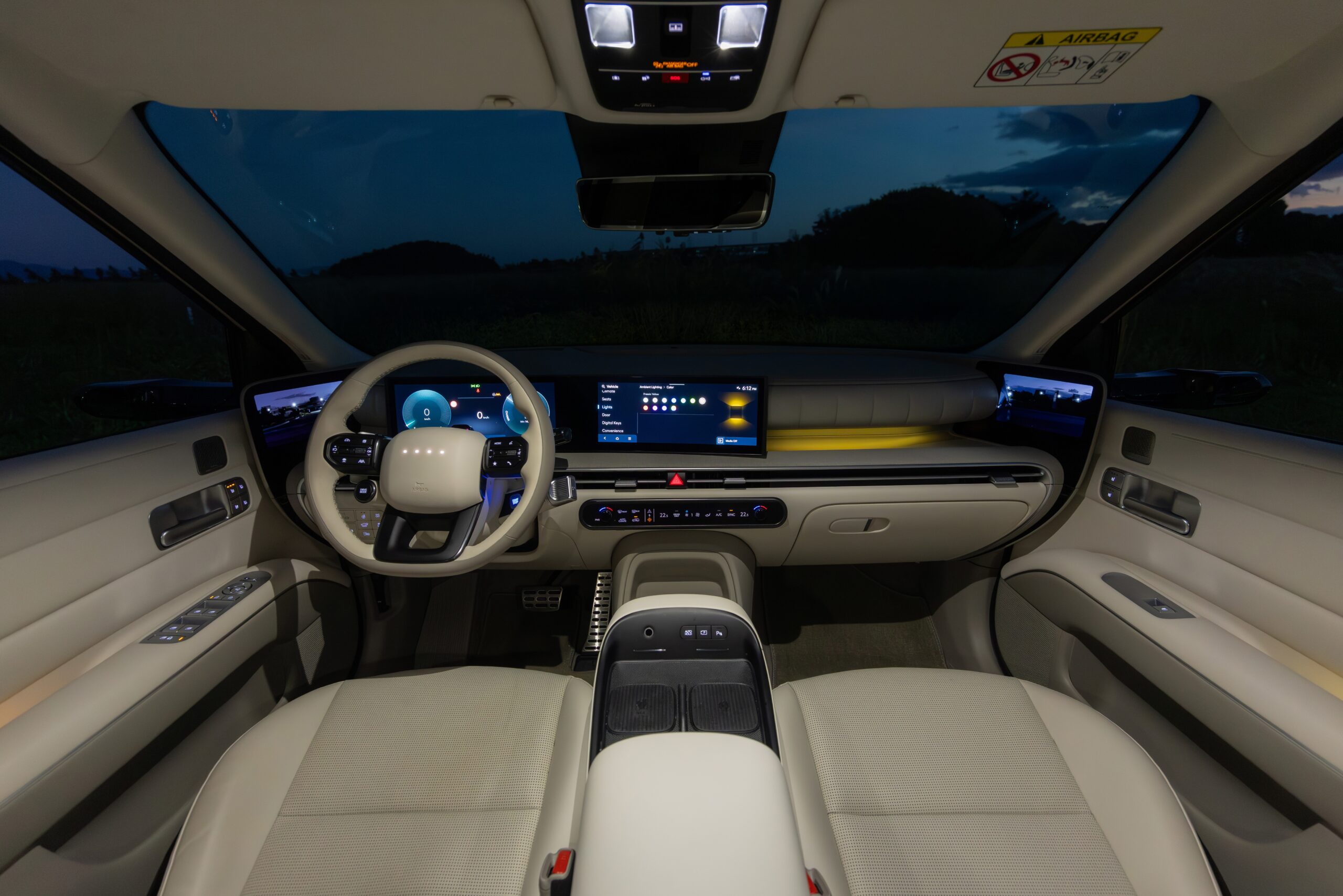
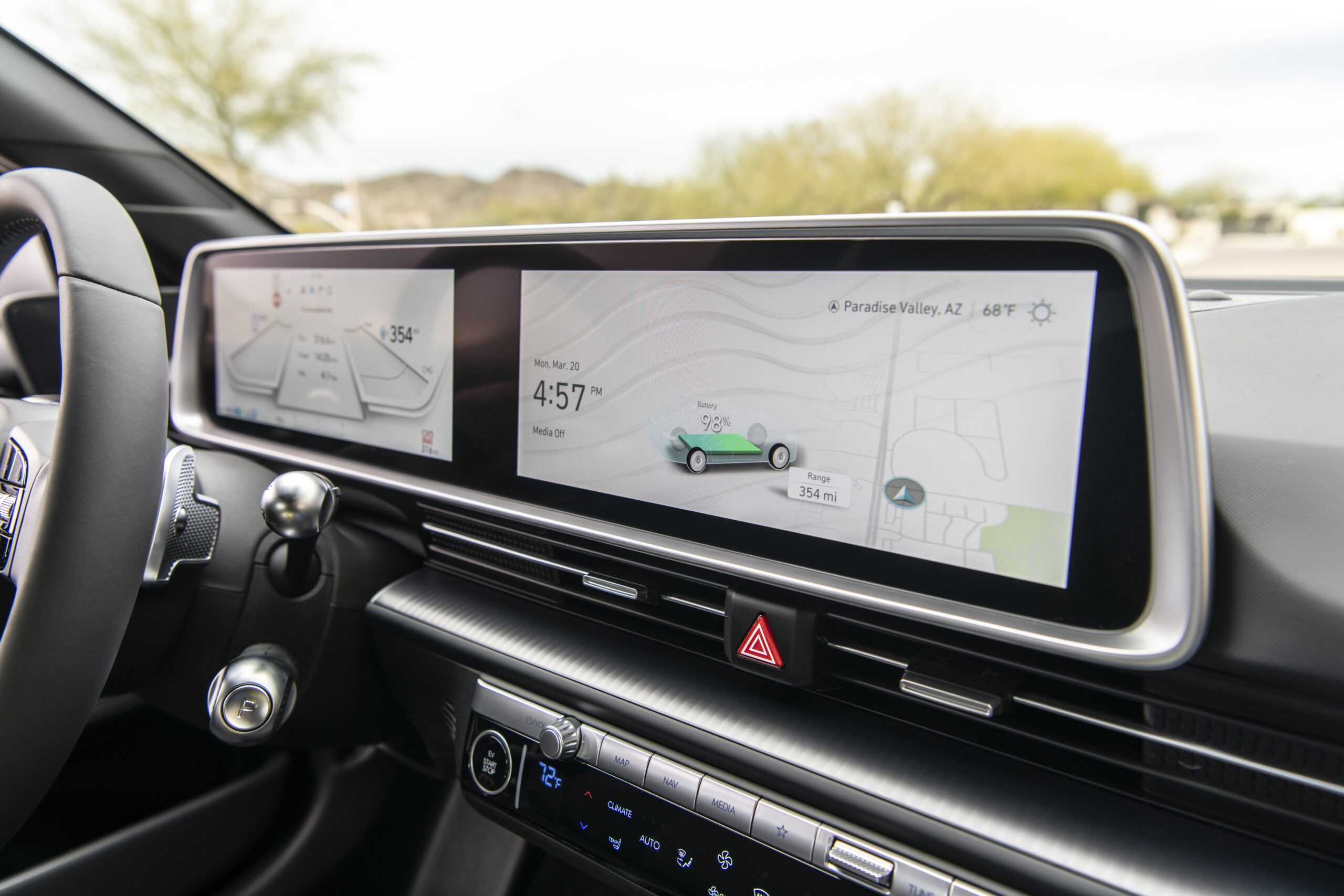
A widespread problem affecting several models is failure of the 12.3-inch digital screen. This often combines instruments and infotainment in one display.
Affected models:
About 11,500 vehicles from model years 2025–2026 have been recalled in Canada, including:
- Ioniq 5
- Ioniq 9
- Kona
- Palisade
- Santa Fe
- Sonata
- Tucson
The problem: the screen cuts out randomly, restarts or stays black while driving. This is dangerous because you can no longer see your speed, warnings or navigation.
Solution:
This is a software bug that can be fixed without a workshop visit. Over-the-air updates are being rolled out. You can also visit the dealer to have them installed.
Recognise symptoms:
- Screen going black or restarting
- Infotainment suddenly cutting out
- Instruments temporarily not responding
Install updates as soon as they are available. If failures continue after updates, report them to your dealer straight away.
Battery and charging problems with Hyundai EVs in general
In addition to model-specific issues, there are broader EV problems that affect multiple Hyundai electric models.
Quality control of battery cells:
Hyundai uses cylindrical cells in the E-GMP platform. If inspections are insufficient, internal short circuits can occur. This leads to overheating, smoke and, in the worst case, fire.
Practical examples:
More than 80,000 vehicles have been recalled worldwide. Thirteen fires were confirmed before the recall.
What Hyundai is doing:
Hyundai is carrying out recalls, replacing batteries and adjusting software to reduce risks. Not all problems have been resolved; some owners still report concerns.
Concrete advice:
- Avoid charging unattended or overnight in enclosed spaces.
- After long journeys or fast charging, avoid parking in a garage straight away; let the battery cool down first.
- Watch out for warning lights, unusual smells or heat build-up around the battery.
- Regularly check whether there are any recalls outstanding for your vehicle.
- Report irregularities to your dealer straight away and document everything with photos and descriptions.
‘ Delaying action increases the risks. ’
What can you do yourself as a Hyundai owner? Practical steps
As a Hyundai owner you can actively reduce your risks and spot problems at an early stage.
Checklist for every Hyundai driver:
- Check recall status: use your VIN and check on official Hyundai or transport authority websites whether there are any outstanding recalls.
- Register your vehicle: make sure Hyundai has your contact details so you automatically receive notifications about recalls.
- Install software updates: many problems can be solved through software. Carry out OTA updates or have the dealer install updates.
- Document everything: keep workshop invoices, note down fault codes and take photos or videos of symptoms. This helps with warranty claims.
- Use forums and communities: share experiences with other owners, but for safety issues always rely on official information from Hyundai.
- Respond quickly to recalls: have safety-critical repairs carried out as soon as possible. Delaying action increases the risks.
Choosing a (used) Hyundai: risk assessment by model
Are you considering buying a Hyundai? Then it helps to assess the risks per model in advance.
Models and model years that need extra attention:
- Santa Fe (2022–2024): transmission and airbag recalls. Check whether repairs have been carried out.
- Tucson (2021–2026): DCT problems and infotainment faults. Ask about updates that have been installed.
- Ioniq 5 and Ioniq 6: battery and charging problems. Check recall status and whether the battery has been replaced.
- Kona (2026): defective steering knuckles. Check whether replacement has been carried out.
- i30 with DCT: jerky shifting. Consider a manual or conventional automatic version.
Annoying vs. safety-critical:
Not every problem is equally serious. An infotainment screen that restarts on its own is irritating, whereas a defective steering knuckle or fire-prone battery is life-threatening. Give priority to safety-critical recalls.
Test drive and pre-purchase inspection:
- Thoroughly test the gearbox: does the DCT shift smoothly or jerk?
- Check all electronics: are screens, sensors and central locking working properly?
- Have a specialist check the underside, suspension and steering knuckles.
- Ask for full service history and proof of completed recalls.
Hyundai is taking steps to resolve problems. The move from DCT to conventional automatics in heavier models and the roll-out of OTA updates show that the manufacturer is listening. A well-maintained Hyundai with all recalls completed remains a sensible choice, provided you are aware of the weak points. In addition, actively check whether there are any outstanding recalls for your model and have safety-critical repairs carried out immediately.