
Hyundai Atos: all known problems
The Hyundai Atos was a popular choice for many years. Many owners were looking for an affordable, agile city car. Yet this little Korean car suffers from a series of typical problems, which crop up regularly, especially on older examples. Engine overheating, transmission slip, electrical faults and susceptibility to rust are high on owners’ lists. Do you want to know what to look out for with this compact Hyundai?
Why the Hyundai Atos is still relevant
The Hyundai Atos was produced between 1997 and 2008 in response to the growing demand for compact and economical city cars. The model had a short length and easy-to-judge dimensions. The low purchase price was attractive, so the Atos quickly found its way into European cities. These days you mainly see the Atos on the used-car market. It is popular with people looking for a cheap second car, and new drivers regularly choose this model too.
The low price makes the Atos attractive, but also comes with risks. Many examples have now clocked up a high mileage and have not always been carefully maintained. That makes it all the more important to know Hyundai’s car problems well before you buy. By carrying out a thorough check in advance, you can avoid nasty surprises and expensive repairs.
‘ The most important factor is often how the car has been maintained. ’
Overall reliability of the Hyundai Atos
The Hyundai Atos is a relatively simple car. The model has a basic technical set-up with a small petrol engine and little sophisticated electronics. In principle, that limits the chance of faults. However, many Atos models are now quite old and the build quality is not at the level of more expensive brands.
Owners report mixed experiences. Some Atos cars keep going without major issues, while others suffer early on from leaks, broken parts and electrical complaints. The most important factor is often how the car has been maintained. An Atos that has been serviced regularly and has had wear parts replaced on time performs significantly better than one that has been neglected for years.
Common engine problems with the Hyundai Atos
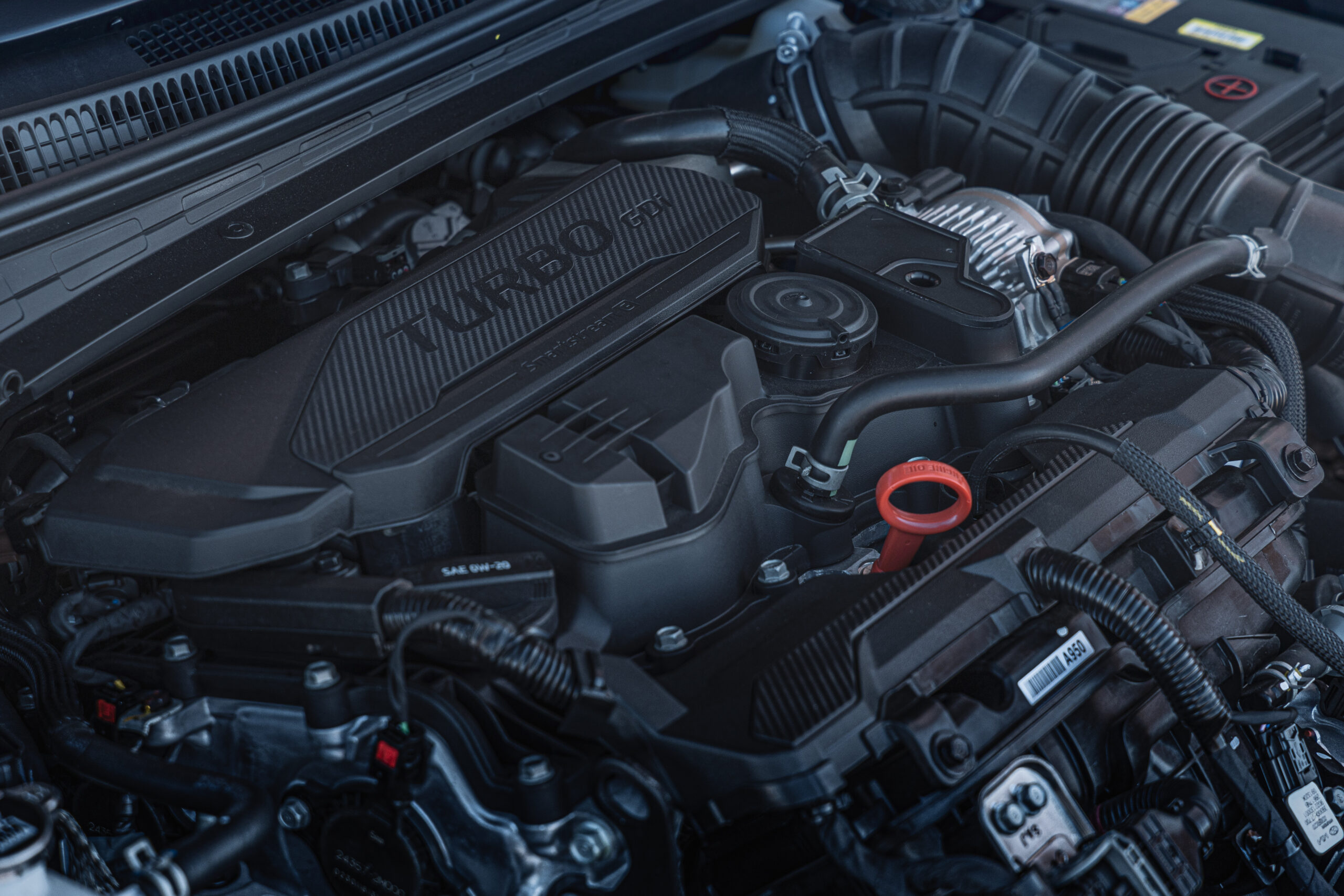
Engine overheating is one of the most frequently reported problems with the Hyundai Atos. This is often caused by leaks in the cooling system. A defective thermostat or worn water pump are also regular culprits. The engine then gets too hot; if you keep driving, the head gasket can become damaged. That leads to costly repairs and in some cases even a complete engine rebuild.
Another common fault is the engine cutting out once it has warmed up. This often points to failing ignition coils, worn spark plugs or a faulty MAP sensor (sensor that measures the pressure in the intake manifold). You notice this through an irregular idle and a loss of power, and finally by a warning light on the dashboard. In that case, replace all the coils at the same time. It might seem that only one is faulty, but replace them all anyway. That prevents you from facing the same problem again shortly afterwards.
The timing belt is a crucial component. On the Atos it must be replaced every 60,000 kilometres or every four years. If the belt snaps, the valves may bend. You are then looking at an expensive engine repair. When buying, always ask for receipts for the last belt change. If there are none, schedule a replacement straight away.
Points to watch with the gearbox and clutch
Gearbox problems are fairly common, especially on Atos models with an automatic transmission. Owners report jerky gearchanges and slipping gears, as well as delayed engagement. This can be caused by fluid loss or internal wear. During a test drive, check whether the car accelerates smoothly and does not jolt when changing up.
On manual versions, the clutch more often comes under fire. From the 2006 models onwards, owners complain about a heavy clutch pedal that is hard to press. This is caused by a sagging clutch mechanism where it passes through the bulkhead (the partition between engine and cabin). As a result, changing gear becomes heavy and unpleasant. Another complaint is a ticking noise at idle that disappears as soon as you press the clutch pedal. This indicates wear in the release bearing or the clutch plate.
Do not ignore these signs for too long. A failed clutch can lead to further damage to the gearbox and higher repair costs. If in doubt, have a mechanic check the clutch.
‘ Electrical problems are hard to avoid. ’
Electrical faults and electronic systems
The Hyundai Atos is a relatively simple car, but electrical problems are hard to avoid. A frequently reported issue is a starter motor that fails. You turn the key but the engine does not respond. This may be due to a worn starter motor, a flat battery or corrosion on the terminals.
Other electrical problems include fuses that repeatedly blow and electric windows that stop working, as well as lights that suddenly cut out. Check the wiring and fuses at every service, and inspect the relays as well. Many owners report non-start situations that afterwards turn out to be caused by loose connections or faulty sensors.
The dashboard warning light can also come on spontaneously. This is often caused by a fault code that has remained stored in the system. Use an OBD2 scanner (a device for reading fault codes in the car) to read the code. That way you can see whether there is a serious problem or just a temporary glitch. Never ignore warning lights; they may indicate critical faults in the engine, brakes or cooling system.
Problems with suspension, steering and brakes
The Atos has a simple suspension set-up, but it is not immune to wear. When you drive over bumps, you may sometimes hear creaking noises. These often indicate worn suspension bushes. Uneven tyre wear is also a sign of trouble. Possible causes include incorrect wheel alignment or failed bushes. Have the suspension checked regularly to prevent unsafe situations.
The power steering can suddenly fail, making the steering heavy and driving difficult. This occurs more often on older Atos models and can have several causes, ranging from a leaking hydraulic hose to a faulty pump. During a test drive, check whether the steering feels light and smooth.
Brake fade is a serious safety issue and occurs quite regularly on the Atos. You notice it when the braking power decreases and the brake pedal travels further than normal. Possible causes include air in the braking system, leaking brake cylinders or heavily worn brake pads. Have the brakes checked immediately if you notice this sign.
Bodywork and interior: rust, damp and wear
Rust is a recurring problem on older Hyundai Atos models. The bodywork is not always well protected against moisture and road salt. Rust can appear around the wheel arches, sills and the bottom of the doors. Check these areas carefully when buying a used example.
Damp in the interior is also an issue. This often results from leaking door seals. A blocked air-conditioning drain is another common cause. You will notice this from condensation forming on the windows and a musty smell. Damp floor mats are also a sign of moisture problems. Have the drainage checked and replace worn seals in good time.
The Atos interior is functional rather than high-end. Wear to the seat upholstery is common, as is discoloured plastic trim. Loose panels are normal on high-mileage cars. This affects value and comfort, but is usually not a technical problem. Do make sure that all switches, levers and seat belts still work properly.
‘ They often lead to new problems. ’
Maintenance tips to prevent or fix Atos problems
Preventive maintenance is the key to a reliable Hyundai Atos. Make sure the timing belt is replaced on time. The car may still seem to drive perfectly well, but replace the belt anyway. This prevents expensive engine damage and gives you peace of mind. Replace the water pump at the same time, as it often fails around the same mileage.
Check the cooling system regularly for leaks. Top up the coolant when necessary. Watch out for white foam on the oil dipstick, which indicates a leak between the cooling system and the engine. Also check the oil level frequently; oil leaks are quite common on the Atos.
You can often trace electrical problems yourself. Check the wiring and fuses for corrosion and loose connections, and inspect the battery terminals as well. Replace worn spark plugs and leads; do not wait until they cause starting problems. A simple OBD2 scanner helps you read fault codes so that you can quickly resolve minor issues.
Use original parts or high-quality replacements. Cheap alternatives may save money in the short term, but they often lead to new problems. Breakers’ yards sometimes offer affordable, good-quality used parts, such as a water pump or starter motor.
What to look out for when buying a used Hyundai Atos
Start with a thorough test drive. Listen for ticking noises and test the acceleration. Check whether the clutch operates smoothly. Try the power steering at low speed and test the brakes on a hill. Faults feel very different behind the wheel than they do on a car park.
Ask for the service book. Check whether the timing belt has been replaced. If this information is missing, budget for an additional expense. Also check for recent invoices for other major services, such as clutch replacement or repairs to the cooling system.
Inspect the bodywork for rust spots. Look under the car, in the wheel arches and along the bottom of the doors. Surface rust is annoying but not always a dealbreaker. Severely rusted-through parts are a red flag.
Pay attention to warning lights on the dashboard. If the check engine light is on, ask about the cause and, if necessary, read the fault codes with an OBD2 scanner. Never ignore this light, as it can indicate engine problems or other technical faults.
Check the condition of the tyres. Uneven wear indicates problems with the suspension or incorrect alignment. Ask whether the tyres have been replaced recently and whether the car has been aligned regularly.
The Hyundai Atos, an economical choice with known challenges
The Hyundai Atos offers an affordable way into car ownership, but it also demands attention and maintenance. Engine overheating, timing belt failure, electrical faults and rust are common problems that you cannot ignore. With regular checks you can keep these issues under control, and timely repairs will extend the car’s lifespan.
Are you looking for a cheap city car and willing to invest in maintenance? Then the Atos can be a workable solution. However, never buy in haste and always check all the key points thoroughly. A carefully maintained example with a complete service history is a much better choice than a seemingly cheap car with no records.
Be realistic about what you can expect from this car. The Atos is not a luxury or high-end vehicle, but a practical city car with its limitations. Check the car thoroughly before buying and plan preventive maintenance.