Hyundai Bayon: problems and maintenance
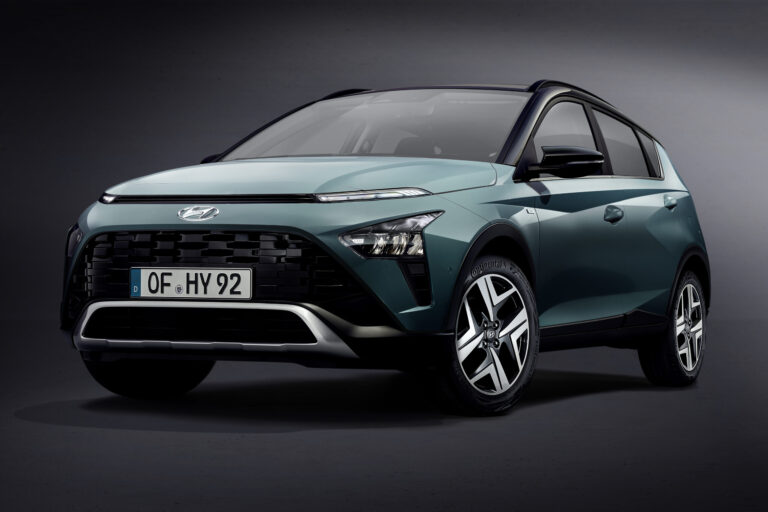
The Hyundai Bayon generally scores well for reliability with relatively few reported faults, but owners do report specific issues with the air conditioning, wiring and, in a few cases, the automatic gearbox. For a compact crossover aimed at first-time buyers and city drivers, the Bayon offers an interesting mix of compact dimensions, modern equipment and an extensive manufacturer’s warranty. Even so, it is sensible to familiarise yourself with the main points of attention before you decide to buy.
The Bayon: compact crossover with a clear mission
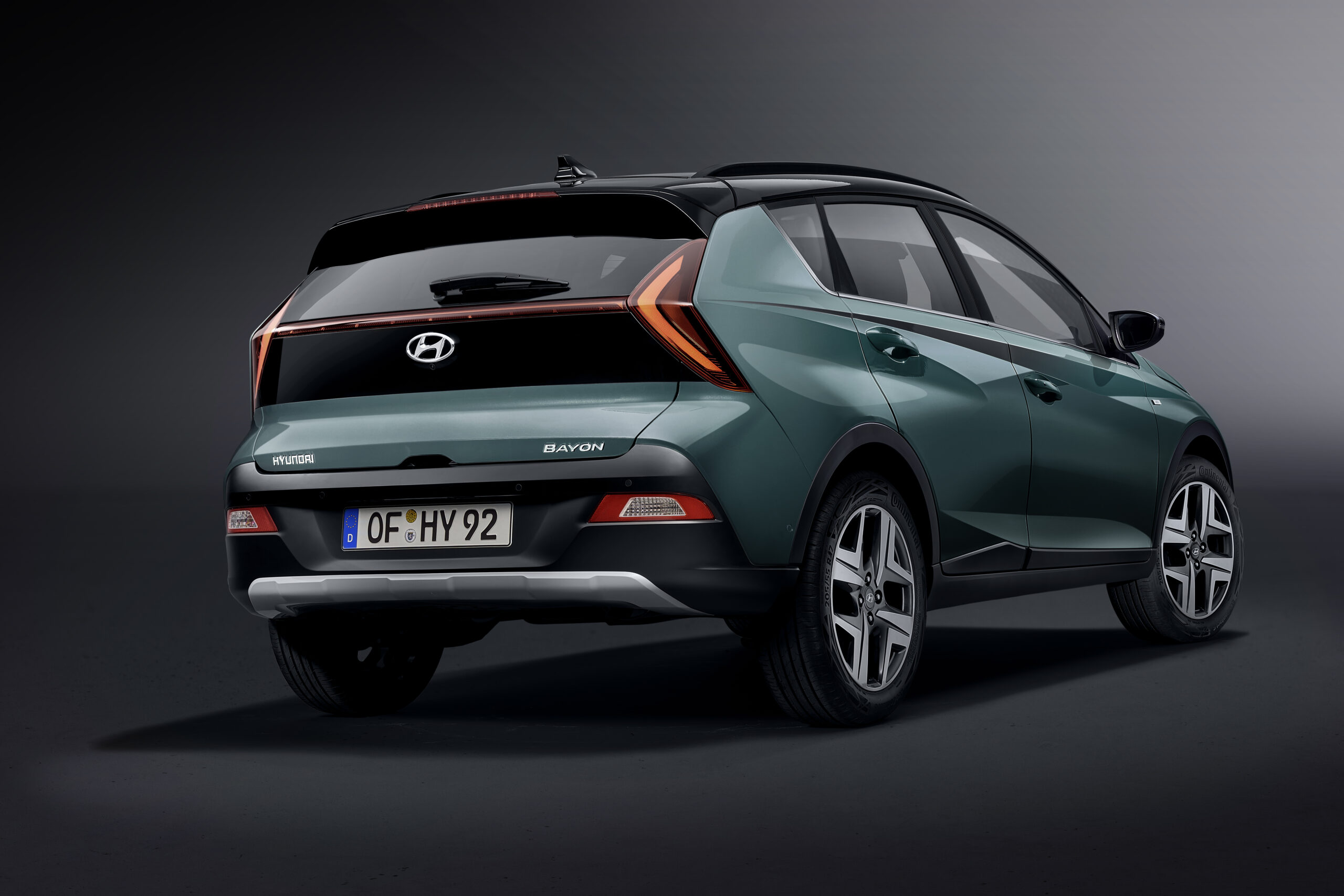
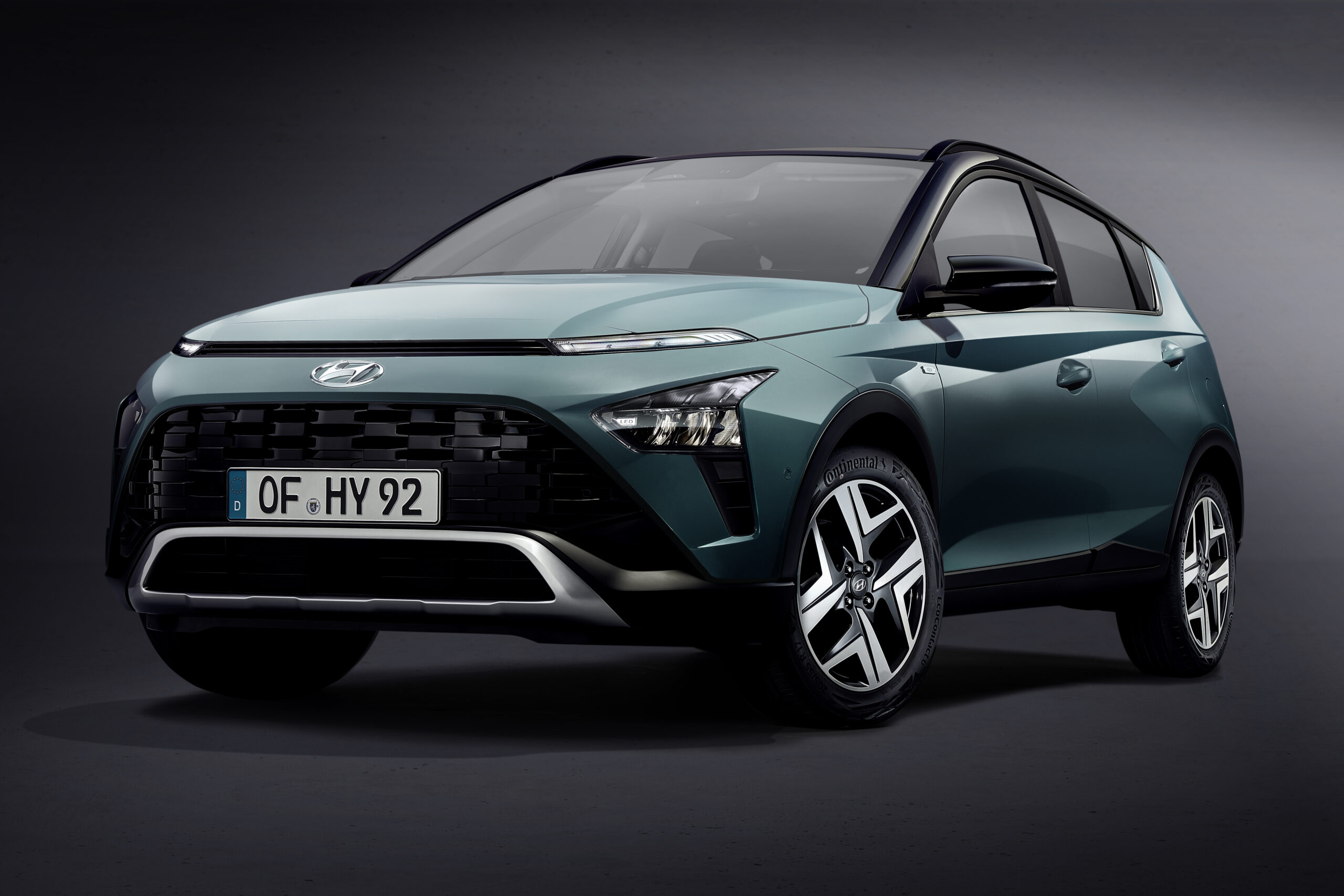
Hyundai introduced the Bayon in 2021. The car serves as the entry-level model in the crossover segment. It shares its platform with the i20, but has a higher seating position and a slightly more rugged look. The Bayon is aimed at buyers who want the practicality of an SUV, but not the size or price of a larger car. The model is available with petrol and mild-hybrid engines (where a small electric motor assists the petrol engine, but the car cannot drive fully electrically), combined with a manual or automatic gearbox.
The Bayon competes with models such as the Renault Captur, Peugeot 2008 and Volkswagen T-Cross. Hyundai focuses on standard equipment, modern safety systems and a favourable warranty package. For many buyers, the 5‑year unlimited mileage warranty plays an important role and is a decisive factor for them.
‘ So there is still no long-term experience. ’
Reputation for reliability
As a brand, Hyundai ranks 11th out of 29 manufacturers in reliability surveys. In the first year, around 21% of cars suffer faults. That is a reasonable position, although other models in the Hyundai family score more variably. The i20, on which the Bayon is based, finishes in 68th place out of 75. This shows that not all models perform equally well.
There have been no large-scale recalls for the Bayon itself so far. That is positive, but at the same time, the model has only been on the market since 2021. So there is still no long-term experience. In general, users report few major problems, but they do mention specific faults relating to electronics and climate control. It is sensible to look into Hyundai car problems to get a complete picture of what can occur with different models.
Engine problems and symptoms
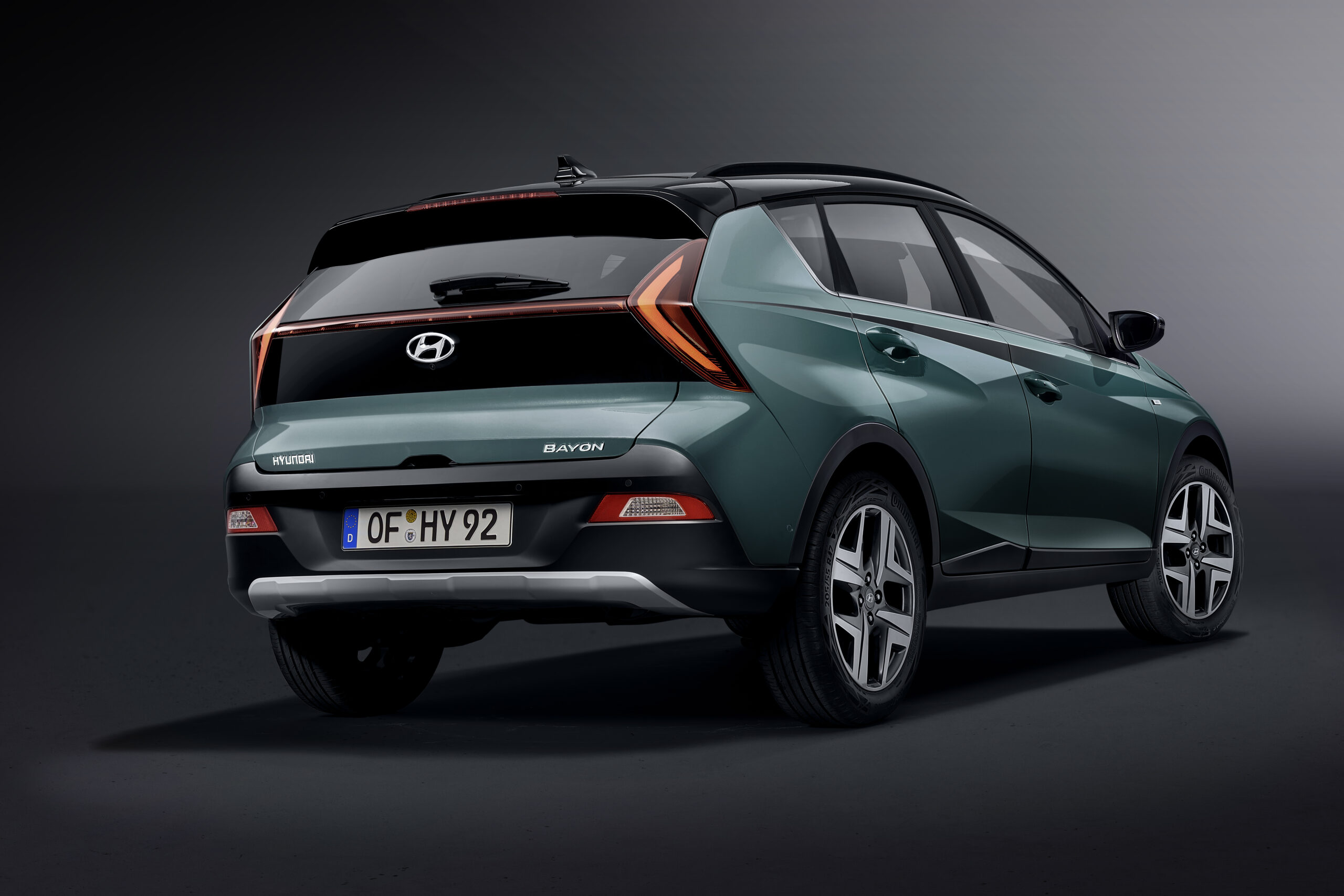
The Bayon comes with the 1.0 T‑GDi three-cylinder turbo engine (a small 1.0‑litre petrol engine with a turbo for extra power) in various power outputs, both with and without mild-hybrid. This compact engine is known for its efficiency, but also raises a few points of attention.
Engine noise on cold start
Owners regularly report that the 1.0 T‑GDi sounds louder than expected, especially when starting in cold conditions. This can be normal for a small three-cylinder, but it can also indicate problems with sensors or oil level. Have it checked if the noise changes or is accompanied by vibrations.
Sensor issues
On older Hyundai models, failure of the crankshaft position sensor (a sensor that measures the position of the crankshaft, needed to keep the engine running properly) occurred regularly. This led to the engine suddenly cutting out. For the Bayon there are no structural reports of this yet, but keep an eye on it if your engine stalls unexpectedly or refuses to start.
Oil passages and maintenance
Smaller turbocharged engines (a turbo is an auxiliary device that provides extra power) require regular maintenance. Make sure you stick to the prescribed oil change intervals and use oil of the correct specification. Avoid leaving the car standing for long periods and making only short trips that do not allow the engine to warm up properly.
Points of attention for the transmission
The Bayon is available with a manual gearbox or a seven-speed dual-clutch automatic (an automatic with two clutches for faster gear changes). For both types of transmission, some points of attention have been reported.
Automatic transmission: wrong gear selection
In a few rare cases, owners of 2021 models reported that the automatic selected the wrong gear. For example: reverse while drive was selected. The digital display sometimes failed, making the actual selector position unclear. Restarting the car helped temporarily. This points to a software issue that needs to be fixed with an update.
Manual gearbox
So far, owners report few complaints about the manual gearbox. Some owners find the shift action a bit imprecise or heavy. That is largely a matter of getting used to it.
Tips for transmission problems
- Always check visually that the gear lever is in the correct position before you drive off.
- Have transmission software updates carried out by the dealer.
- Report abnormal shifting behaviour immediately, even if it seems temporary.
‘ The HVAC system (heating, ventilation and air conditioning) is a recurring problem. ’
Electronic faults and software errors
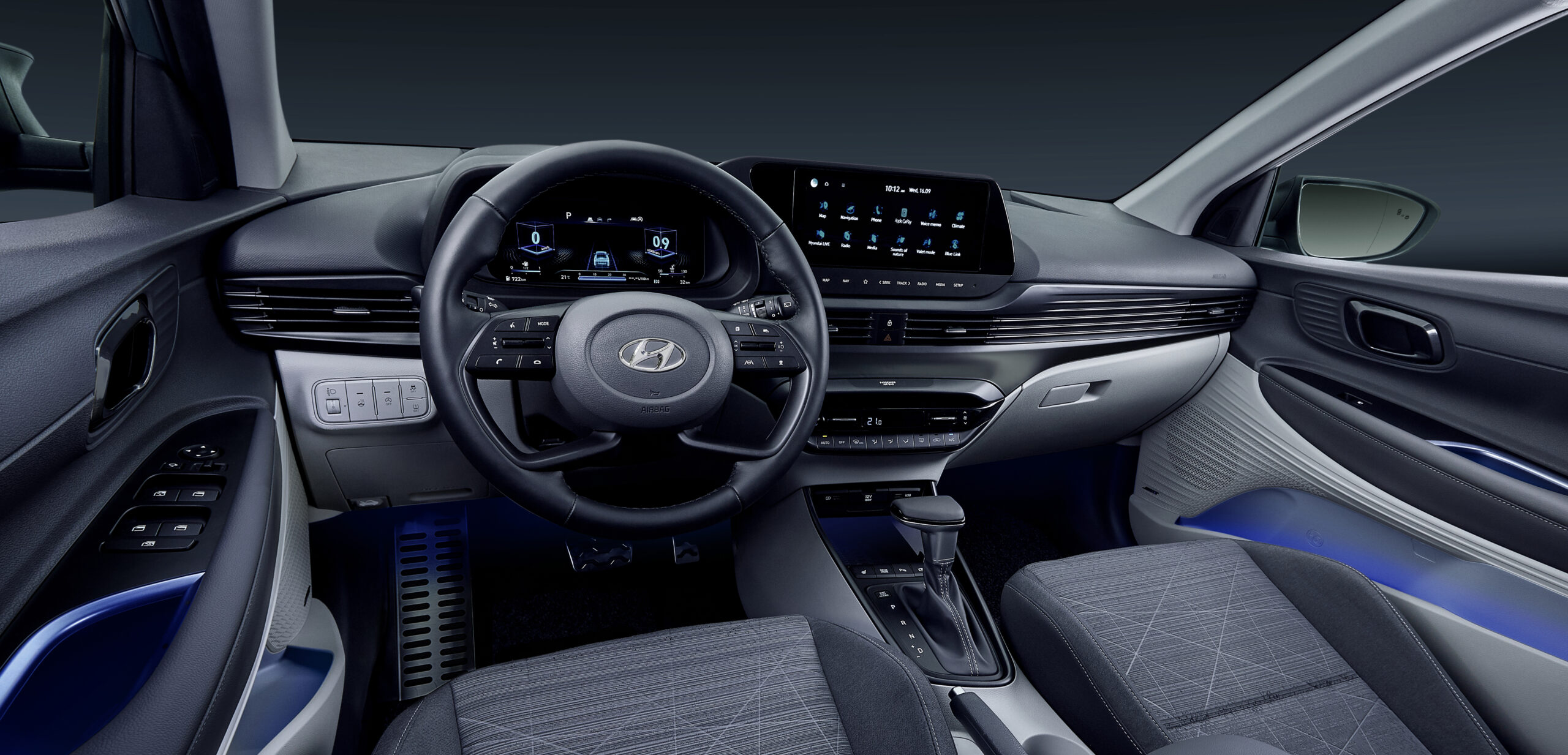
The Bayon features modern electronics, including an infotainment system with a large touchscreen, driver assistance systems and a 48V mild-hybrid set-up (a 48-volt system in which a small electric motor assists the petrol engine) on some versions. Most reports concern the electronics.
Air conditioning and HVAC system
The HVAC system (heating, ventilation and air conditioning) is a recurring problem. Several owners report that the air conditioning suddenly stops working. No cold or warm air then comes through the vents. Error messages appear on the infotainment screen, and radio functions can also fail. One case was reported on a 2023 model with 6,000 miles. The wiring turned out to be burnt. The dealer replaced the wiring, relays (switches) and control motors of the HVAC system.
This problem is probably caused by defective or overheated wiring in the HVAC system. The O/D OFF light may also come on as a result of this fault. Dealers cannot always reproduce the fault straight away, which makes diagnosis difficult.
Infotainment and radio
Owners report that the infotainment system itself sometimes freezes or does not respond. Software updates can solve this. Always ask the dealer for the latest version.
48V mild-hybrid battery
The mild-hybrid versions have a 48V battery (a separate battery for the auxiliary system) in the boot. If there are problems with the mild-hybrid function, this battery may be the cause. Examples include poor response or warning lights. Have this checked by the dealer.
Chassis, steering and brakes
Owners report relatively few complaints about the suspension, steering and braking system. The Bayon is built on a modern platform that proves stable in everyday use.
Steering
Some drivers find the steering a little light and lacking in feedback, especially in comfort mode (a driving mode focused on comfort). This is more a character trait than a defect. Switch to sport mode (a driving mode for sportier steering) for a more direct steering response.
Brakes
So far, no structural problems have been reported with the brakes. Do keep an eye on wear of discs and pads, particularly with intensive use in urban traffic.
Suspension
The suspension is comfort-oriented and absorbs bumps reasonably well. When buying a used example, it is sensible to inspect the wheels for kerb damage and check whether the dampers are leaking.
Interior and exterior: known complaints
The Bayon’s finish is functional rather than luxurious. Owners report a few less serious but still annoying issues.
Interior
Some owners report creaking noises from the dashboard, which occur on bumpy roads. The quality of the interior plastics also feels somewhat cheap. When viewing a used car, check the condition of the upholstery and controls.
Bodywork and paint
The paint quality is generally good, but during inspection watch out for dents and scratches. Wheels are quickly damaged by contact with kerbs.
‘ That is an advantage when buying a used car. ’
Recalls and warranty conditions
So far, there have been no official recalls for the Bayon. That is reassuring, but keep an eye on manufacturer notices and updates.
Manufacturer’s warranty
Hyundai offers a 5‑year warranty with no mileage limit, which is unique in this segment. On top of that, you get 5 years of breakdown assistance. This warranty is transferable, which is an advantage when buying a used car. Always check how much warranty remains and whether the service book is complete.
Battery warranty
A separate warranty applies to the 48V mild-hybrid battery (a separate battery for the auxiliary system). Ask the dealer about this if you are considering a mild-hybrid version.
Maintenance tips to prevent problems
Preventive maintenance helps to avoid most faults and also to detect problems at an early stage.
Regular maintenance according to schedule
Follow the manufacturer’s maintenance schedule (the prescribed service intervals in the handbook). For the 1.0 T‑GDi engine this means oil changes at the specified intervals and checking the air and oil filters.
Software updates
Have the software for the infotainment and transmission updated regularly by the dealer. This helps prevent faults and improves functionality.
Checking wiring and electronics
At each service, explicitly ask for the wiring of the heating and air conditioning and electrical connections to be checked. This can prevent failure of the air conditioning and radio.
Using sport mode
The mild-hybrid can feel a bit sluggish in eco or comfort mode (driving modes focused on efficiency or comfort). Use sport mode for better response and more dynamic performance.
Preventing moisture build-up
Clean the ventilation grilles regularly. Remove any water from the boot. This helps prevent moisture around the HVAC system.
Care when refuelling
One reported case of misfuelling (diesel in a petrol tank) led to engine damage. Always check which fuel you are putting in. Do not start the car if you have filled up with the wrong fuel. Call your dealer or breakdown service straight away.
Is the Bayon a sensible choice?
The Hyundai Bayon offers an extensive warranty, modern equipment and enough space for everyday use. This makes the Bayon an attractive option for many buyers. Reliability is generally good, but specific points of attention in the areas of electronics and air conditioning call for vigilance. For buyers who value peace of mind, the 5‑year warranty is a major selling point.
Are you considering buying a Bayon? Then test the air conditioning and infotainment thoroughly during a test drive. For a used car, ask about the service history and check whether all software updates have been carried out. The mild-hybrid version offers extra efficiency but also requires checks on the 48V battery.
This information helps you decide whether the Bayon fits your expectations and usage pattern. The Bayon offers space, modern technology and warranty cover, but do take the mentioned points of attention into account and ensure preventive maintenance.