Problems with the Hyundai i10
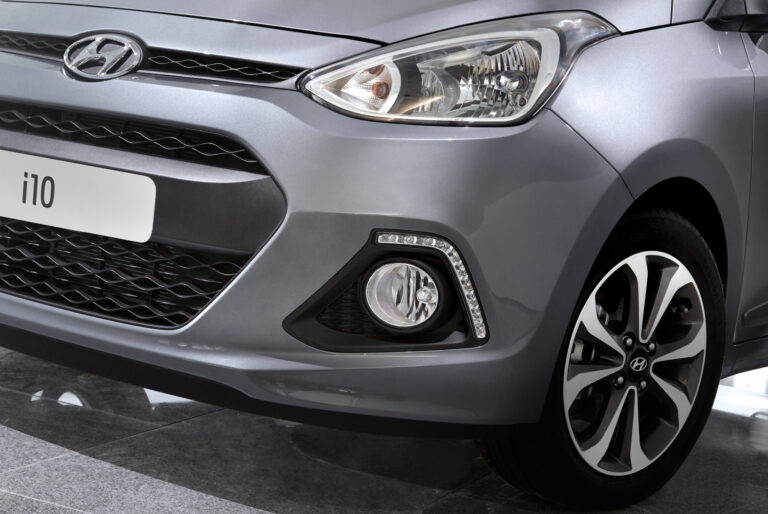
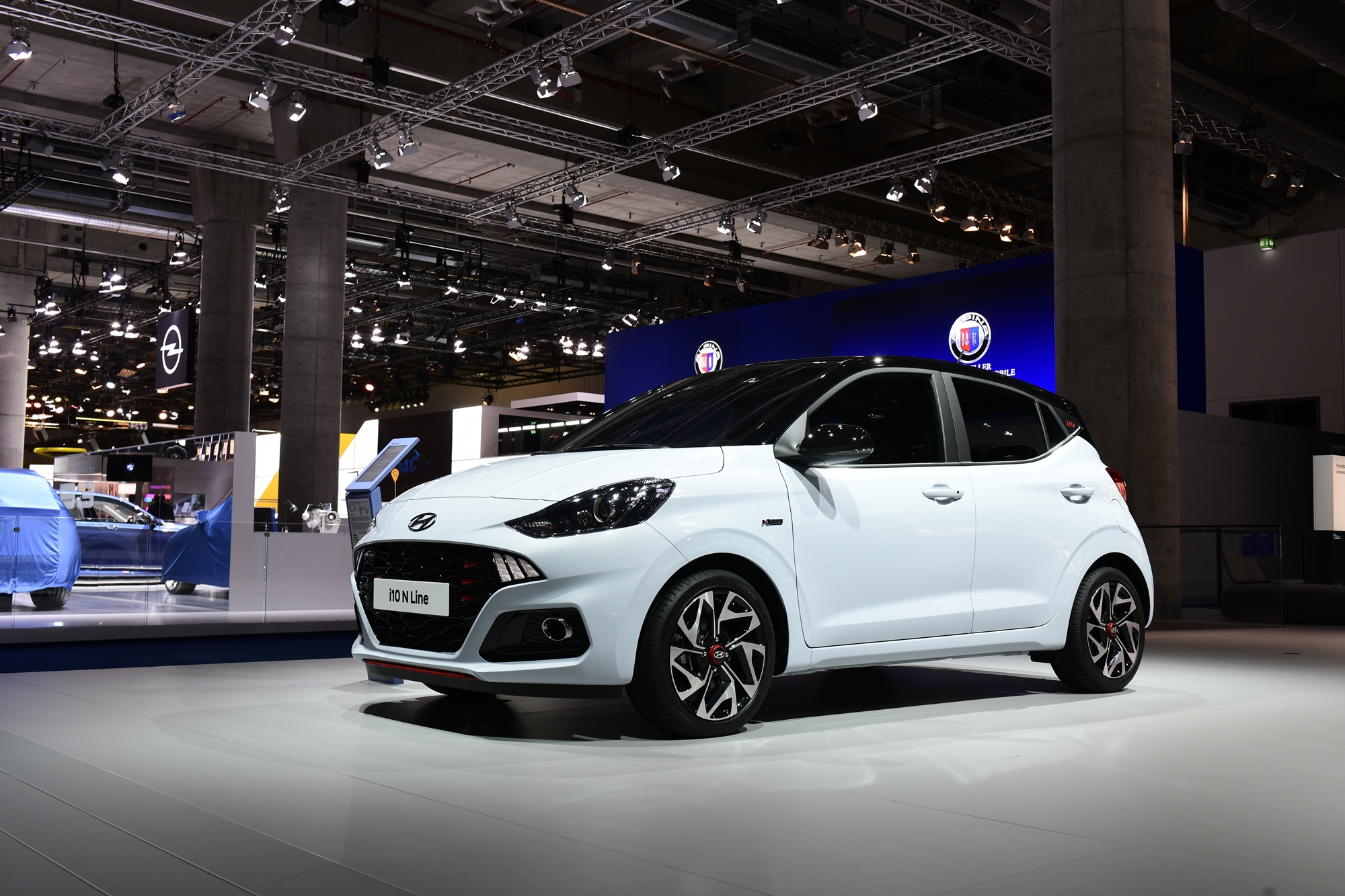
The Hyundai i10 is a popular choice for anyone looking for an affordable and economical city car. Even so, owners regularly report specific problems, such as clutch wear, sticking brakes and electrical faults. This article maps out the most common complaints so you can spot these problems early and tackle them in good time.
Why the Hyundai i10 is a favourite city car
The i10 has developed into one of the best-selling compact cars in the Netherlands. Its compact size makes the car agile in heavy city traffic and easy to park. Fuel consumption is also reasonable. On average it does between 18 and 22 kilometres per litre, depending on the engine and model year. The purchase price remains affordable, both new and used. Looking for a practical, easy-to-oversee car without lots of frills? Then the i10 offers an attractive package.
The Hyundai i10 scores well in reliability tests within the small car segment, with percentages around 98.6%. That makes the car more reliable than many competitors. Even so, there are points to watch. Older models from between 2014 and 2020 require extra vigilance. Owners report specific complaints that crop up regularly. Want to know more about common Hyundai car problems? Then it helps to know the most frequently reported issues for each component.
‘ “Good performance in reliability tests does not mean you can ignore individual points of attention.” ’
Reliability and what to look out for
The i10 is known as a solid car, but no model is perfect. Owners’ experiences show that certain parts are more prone to wear than others. This mainly concerns mechanical components that are used intensively, such as the clutch and brakes. The electrical systems can also start to cause nuisance over time. Good performance in reliability tests does not mean you can ignore individual points of attention. Carry out maintenance in good time and take warning signs seriously. That often prevents expensive repairs.
Engine problems: start–stop, idling and timing chain
The engines in the Hyundai i10 are generally reliable, but certain complaints occur regularly. Some owners report rough or uneven idling, especially on cold starts. This can point to dirty injectors or a faulty camshaft or crankshaft sensor. Problems with the air intake system can also be the cause. On older models with higher mileage, increased oil consumption is sometimes reported. Check the oil level regularly to prevent engine damage.
The timing chain needs attention. In principle this chain is maintenance-free, but worn tensioners or wear to the guides can lead to rattling noises when starting or accelerating. Have this checked immediately, because a broken timing chain can cause severe engine damage. Make sure the engine oil level is maintained and use the specification prescribed by Hyundai. Sometimes the engine cuts out while driving; stalling also occurs. A faulty sensor or a problem in the fuel supply can be the cause. Have a specialist read out the fault codes.
Transmission complaints with manual and automatic
The manual version of the i10 suffers from premature clutch wear, especially on models built between 2014 and 2018. Owners report clutch slip and jerky engagement. There are also reports of difficulty engaging first gear and reverse after a cold start. Hyundai has acknowledged this problem and in some cars has fitted a reinforced clutch from the i20. When buying a used model, it is wise to ask whether this modification has been carried out.
In addition, the gear levers can wear out, resulting in a vague or loose shift feel. This problem is relatively easy to solve by lubricating the gear linkage or replacing the worn components. With the automated manual transmission (AMT), faults are reported. The AMT is a robotised manual gearbox without a clutch pedal; the car shifts automatically, but without a fluid coupling as in a traditional automatic. Think of jolts while changing gear or hesitant gear changes. This transmission is more sensitive to wear and needs regular maintenance. Check for transmission fluid leaks, especially around the seals.
‘ These are among the most common complaints. ’
Electrical faults: windows, locking and infotainment
i10 owners often report electrical problems. These are among the most common complaints. Electric windows can stutter or fail completely, often due to a faulty switch or motor in the door. The central locking system can also play up. The doors then fail to lock or do so irregularly. This can sometimes be traced back to a problem with the key fob or the immobiliser.
The infotainment system also has its quirks. Bluetooth connections can drop out. The screen may freeze or not respond. Sometimes unexpected warning lights appear on the dashboard with no obvious cause. Have the fault codes read out to determine the exact cause. Parking sensors may keep beeping or not work at all. Other sensors can cause problems too. A dirty or damaged sensor is often the culprit. Clean the sensors regularly and check that they are securely mounted.
Chassis and suspension: noises and wear
Over time, the i10’s chassis can start to produce noises, especially when driving over bumps or uneven surfaces. Knocking or rattling noises are often caused by worn parts, such as control arm bushes and anti-roll bar links. Worn shock absorbers are also a common cause. This wear is normal on high‑mileage cars, but it is sensible to have the chassis inspected regularly.
Track rod ends can also wear, leading to play in the steering. You will notice this as vague or heavy steering behaviour. Have this checked immediately, as worn track rod ends affect driving safety. The power steering can also falter, especially on cold starts, which may point to a problem with the steering pump. Leaks in the hydraulic system also occur. Check the fluid level regularly and have any leaks repaired straight away.
Brakes: sticking discs and rapid wear
The brakes on the Hyundai i10 are a well-known point of attention. The rear brakes in particular tend to stick to the brake discs. This leads to squeaking noises, reduced braking performance and rapid wear of pads and discs. Hyundai has acknowledged this problem and modified it by using brake pads with a lower iron content. Even so, it remains wise to have the brakes checked regularly.
Seized brake callipers can also cause problems. Check whether the brakes operate smoothly and do not bind. Warped brake discs can cause vibrations while braking, often as a result of overheating. Uneven wear can be another cause. Replace discs and pads in good time to prevent further damage. The handbrake can also cause complaints due to stretching cables. Test the handbrake regularly on a slope to see whether the car remains firmly in place.
Tyre choice and maintenance
The i10 runs on small tyres, which benefits fuel economy, but also means they wear out more quickly. Check the tyre pressures monthly. Make sure the tyres do not wear unevenly, as this can point to incorrect wheel alignment. Choose tyres that match your driving style: softer tyres offer more comfort around town, while harder tyres last longer.
‘ This does not affect driving comfort, but it can be annoying. ’
Interior and bodywork: rust and finish
On older i10 models, rust can form, especially on the underside of the body and around the exhaust. Inspect these parts carefully when buying a used car. Rust is often the result of exposure to road salt in winter. Have the underside cleaned regularly and treat rust‑prone areas preventively.
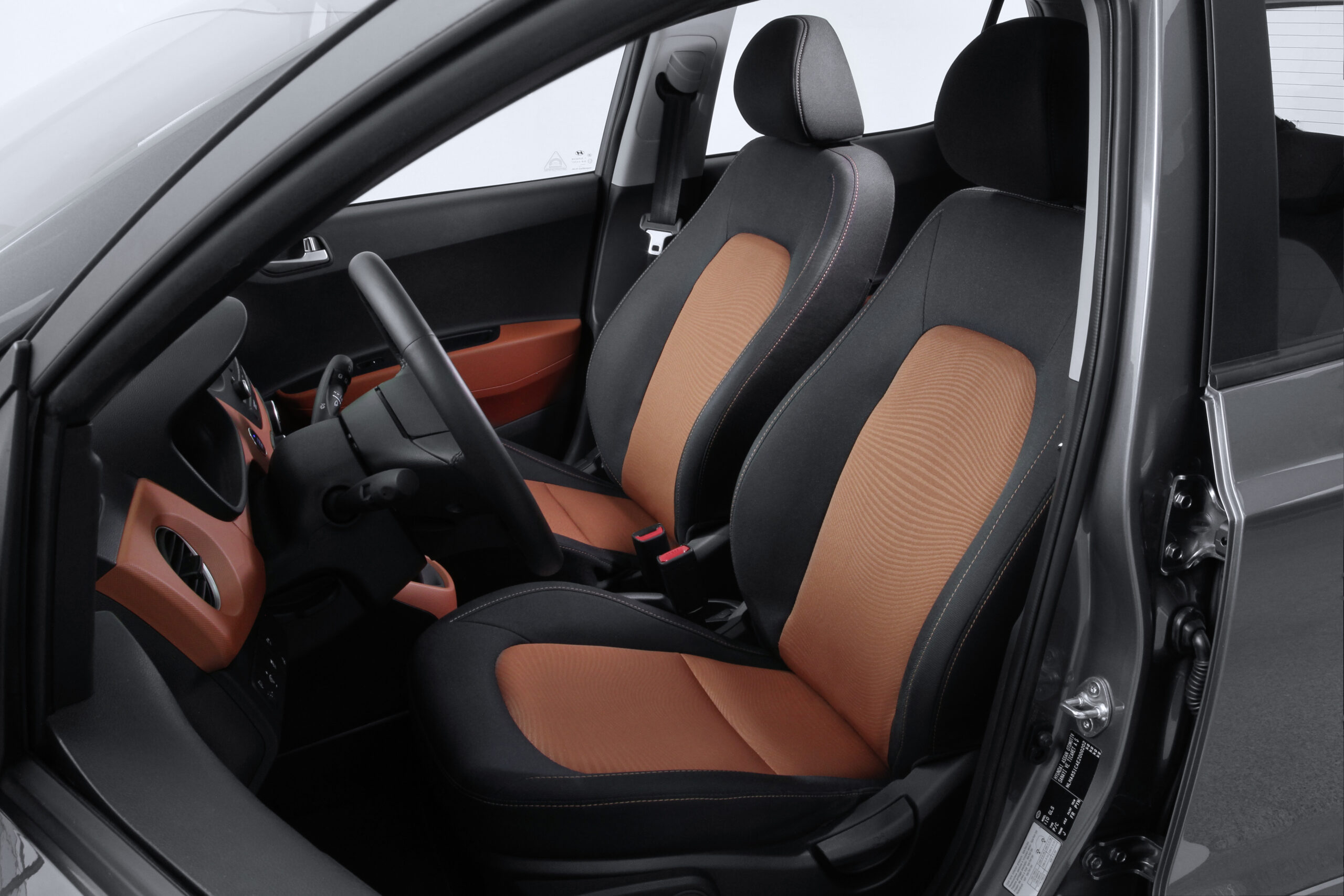
Water leaks are another reported problem, especially around door seals and the tailgate. This can lead to damp inside and condensation on the windows. Check the rubber seals and replace them if necessary. The interior finish can also be disappointing: peeling dashboard plastic and rattling trim occur. This does not affect driving comfort, but it can be annoying.
Preventive maintenance extends the lifespan
Regular maintenance keeps your i10 reliable. Follow Hyundai’s service schedule and have the car checked every year, or at 15,000 kilometres in between. Pay attention to the following points:
- Check the oil level regularly and use the correct specification.
- Replace the brake pads before they are fully worn out.
- Lubricate the gear linkage and check the clutch for wear.
- Test the battery annually and replace it after five to six years.
- Have the air conditioning re‑gassed and checked every two years.
- Clean the underside of the car after winter to prevent rust formation.
When carrying out repairs, preferably use genuine Hyundai parts, especially for the clutch and brakes. This prevents compatibility problems and extends the lifespan of the replaced components.
Buying used: what you need to look out for
Thinking about a used Hyundai i10? Then check the car thoroughly. Always ask for the complete service book and check that maintenance has been carried out on time. During the test drive, pay attention to the following points:
- Shift through all gears, including with a cold engine. Difficulty engaging first gear or reverse can indicate clutch problems.
- Listen for noises from the brakes, especially when braking from low speed. Squeaking or scraping noises indicate wear.
- Test the handbrake on a slope to check that it holds well enough.
- Check whether the air conditioning blows cold. A non‑functioning air‑con can be expensive to repair.
- Try all electrical functions: windows, central locking, infotainment and lighting.
- Listen for knocking noises when driving over bumps, which can indicate worn suspension.
- Inspect the underside of the car for rust, especially around the exhaust and wheel arches.
- Check the wheels for scratches and damage, which is common with city use.
Are you unsure about the condition of the car? Then have a pre‑purchase inspection carried out. This costs between €100 and €200 and can prevent unpleasant surprises later on. Avoid cars with high mileage and no clear service history.
‘ When buying used, a thorough inspection is essential to avoid later costs. ’
The i10 remains a sensible choice if you mind the details
The Hyundai i10 is a compact car that offers a lot of value for money. Low purchase costs and good fuel economy make it attractive, and its manageable size is another plus point for city driving. At the same time, the car does demand attention to specific components, such as the clutch, brakes and electrical systems. If you know these points of attention and carry out preventive maintenance, you can enjoy this popular city car for many trouble‑free years. When buying used, a thorough inspection is essential to avoid later costs.