
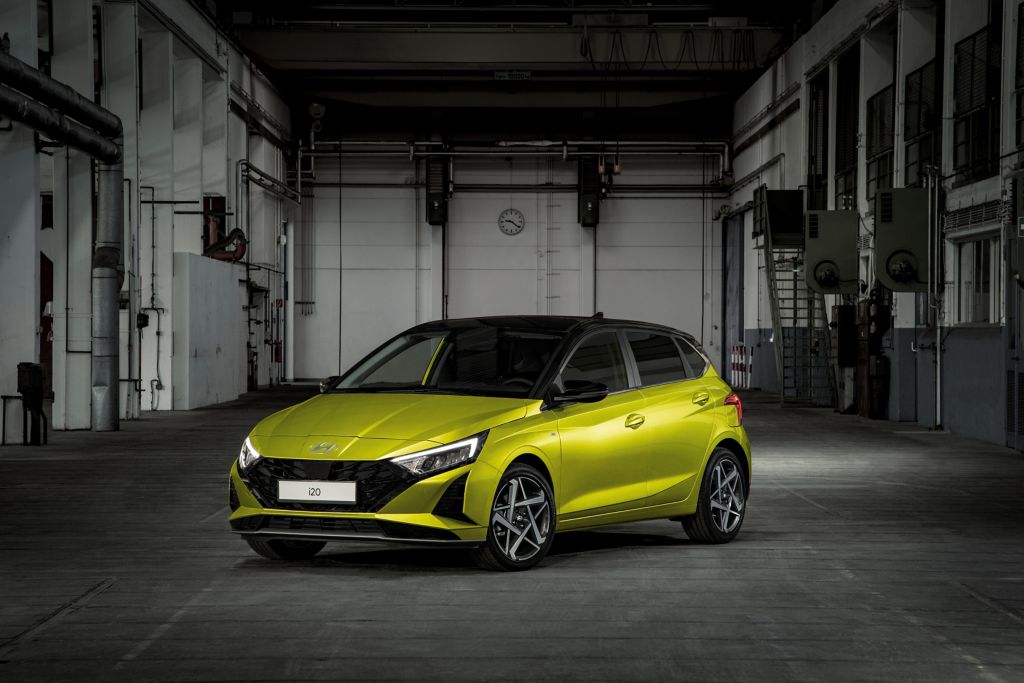
Hyundai i20: common problems and reliability
The Hyundai i20 scores highly for reliability, especially the more recent models from 2017 onwards. Even so, owners of different generations report recurring issues, ranging from timing chain wear to failures in the infotainment system. Are you planning to buy a used i20, or do you already drive one? Then it’s useful to know what you should pay attention to.
This compact Korean model has built up a solid reputation in the small city car segment. Hyundai offers a sharp price, a spacious interior for this class, and an extensive warranty package. That has convinced many European buyers. The i20 is a practical choice if you’re looking for efficiency and affordability without sacrificing modern safety features. There are, however, a few technical points to watch. These can affect your experience with the car. For anyone who likes to stay informed about potential weak spots with this brand, our overview page on Hyundai car problems offers additional insight into brand-specific vulnerabilities.
What the i20 is known for
The Hyundai i20 is known as an economical and reliable city car with a generous warranty. Most owners report smooth day-to-day use, especially when it comes to engine longevity and everyday usability. In 2020, the third generation came onto the market. This model brought a clear improvement in reliability. Minor complaints such as occasional infotainment glitches or sensor errors were usually solved quickly with a system reset or a small repair.
Older models from before 2017 suffer more often from technical issues. The main points of attention are the transmission and climate control. The 4-speed automatic gearbox combined with the 1.4L engine showed more jerky shifting and premature wear. The air conditioning compressor also regularly failed early, especially in warmer climates. In 2017 there was a clear improvement in quality control. From that point on, there were fewer major repairs and more minor software-related issues.
‘ The timing chain tensioner in some cars shows premature wear. ’
Engine problems that occur regularly
The 1.0L turbo engine in the 2017–2019 models is known as a strong and efficient powertrain. In some cars, the timing chain tensioner shows premature wear. This manifests itself as excessive engine noise or chain stretch, sometimes even before 100,000 kilometres. When buying or servicing a car, check whether the engine runs smoothly at idle. Also listen for any metallic rattling when starting up.
Oil leaks are less common but not unheard of in older cars. Pay particular attention to traces of oil around the rocker cover and sump. If these gaskets wear out too early, the engine loses oil and becomes contaminated. Regular servicing and timely replacement of engine oil reduce this risk.
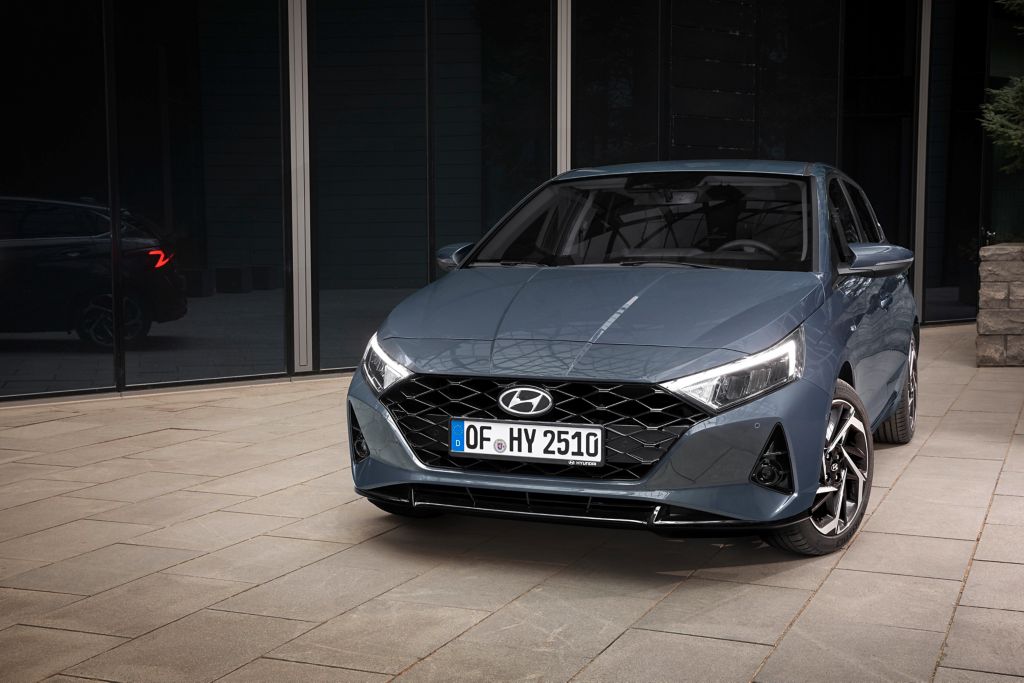
Transmission and clutch under the microscope
Clutch wear is a known point of attention on manual i20s. This applies especially to older diesel versions. The hydraulic clutch system can fail under pressure in heavy traffic or stop-start driving. The hydraulic pump then becomes overloaded. The system partially loses its function until it has cooled down. This problem shows up as a heavy or soft, spongy clutch pedal.
The 4-speed automatic gearbox in the early models had more issues with jerky shifts and premature wear. More recent models with a more modern automatic or DCT transmission (a dual-clutch automatic) perform better. Are you buying a used i20 with an automatic gearbox? Then test thoroughly how the car shifts. Do this under load and at different speeds.
Electrical faults and sensors
Faults in the infotainment system are common on the i20. Touchscreen radios may freeze or fail to start on older models. Early 2020 models also suffer from issues such as unstable Bluetooth connections and slow navigation. Route calculation was sluggish and voice recognition was unreliable. These complaints were later resolved with over-the-air software updates. These are wireless updates you receive without visiting a dealer.
Sensor failures often show up as warning lights on the dashboard without an obvious cause. Some owners report recurring faults, forcing them to visit a dealer. The service experience varies. Often a system reset or software update helps. When buying, test all infotainment functions thoroughly. Check paired devices and how quickly the screen responds.
‘ At high speeds the car sometimes feels unsafe. ’
Chassis, suspension and brakes
The i20’s suspension is known for being soft and comfort-oriented, but this also has downsides. Owners regularly report a bouncy driving experience. At high speeds, the car can sometimes feel unsafe. This problem is more common in earlier generations, but some newer cars are affected as well. The suspension can also make noise over bumps, caused by ageing or worn components, or exposure to water.
The support arms on the front bumper are part of the front suspension. These components and the ball bearings wear faster than average, especially on rough roads. Watch out for the following symptoms:
- Knocking noise when turning or braking
- Uneven tyre wear
- Steering wheel vibrations on motorways
Brake callipers are the components that press the brake pads against the disc. In regions where a lot of road salt is used, they can rust. After prolonged exposure to salt, the brake mechanisms can seize. This affects braking performance. Regular inspection and maintenance of the brakes help to prevent this.
Interior and rust formation
Water leaks occur on older models, especially around 2009. Windscreen and door seals are prone to leaking. This shows up as damp or wet patches on the mats in the boot or in the front. Heavy condensation on the inside of the windscreen can indicate that the seals are leaking. These problems can usually be fixed under warranty by replacing the seals.
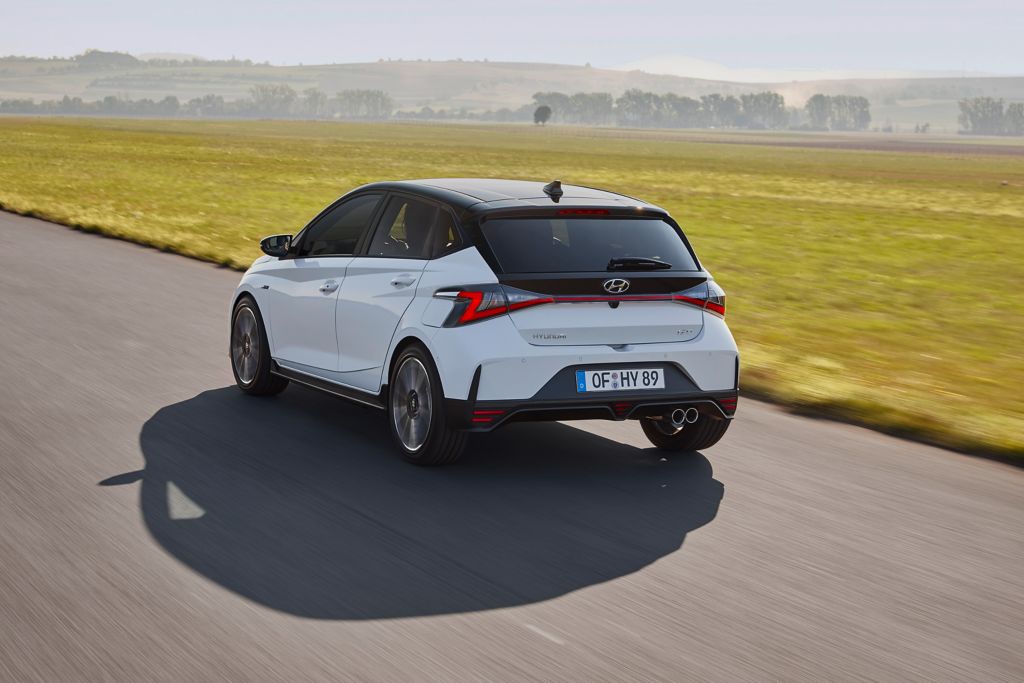
On the sportier i20 N version, the leather upholstery sometimes creaks or becomes too soft. The stitching can come loose, especially on the side bolsters. Electric window mechanisms go out of alignment on certain models. This is annoying but usually not a safety issue. When buying, check that all windows operate smoothly and close properly.
Problems by model year and recalls
Models from 2009 to 2017 most frequently suffer from problems with the transmission, climate control and infotainment. The AC compressor often failed prematurely. The AC compressor is the component that cools the air. Irregular topping up of refrigerant may have played a role. Touchscreen systems sometimes froze or failed to start up. The 4-speed automatic gearbox had more issues with jerky shifting.
The 2017–2019 period brought clearly better build quality. The 1.0L turbo engine proved reliable. Only in rare cases does the timing chain wear prematurely. Brake calliper corrosion and infotainment reset issues were the main points to watch. From 2020 onwards, complaints are mainly about software. Hardware problems are reported less often. This points to a major step forward in reliability.
Two recalls have been registered for the 2020–2025 range:
- eCall unit VIN registration on 2020 models: the eCall unit is a system that automatically calls the emergency services in the event of an accident. The VIN (vehicle identification number) was not correctly registered in the unit. A reset and update of the unit solve this problem. The work is free of charge at a Hyundai dealer.
- Gearbox software on 2023–2024 models: a fault could render the car undriveable. A software update fixes the issue.
‘ Metallic rattling when starting points to timing chain problems. ’
Recognise symptoms in time
Metallic rattling when starting points to problems with the timing chain. Check this immediately and have a specialist garage inspect the chain and tensioner. A heavy or soft, spongy clutch indicates issues with the hydraulic system. Stop driving. Have the system checked to prevent further damage.
Knocking noises when turning or braking suggest worn ball bearings or support arms. Uneven tyre wear or vibrations in the steering wheel reinforce this suspicion. Have this checked during the MOT or at an interim service. Damp patches on the mats or condensation around the windscreen mean that the seals are leaking. Replace them in good time to prevent further moisture damage to the interior.
Infotainment issues such as freezing or unstable Bluetooth connections are often caused by software. First try a system reset via the settings or consult the manual. Does the problem persist? Then a dealer update is required. Warning lights without an obvious cause often indicate sensor failures. Have the fault codes read at a specialist garage to pinpoint the exact cause.
Repair costs and preventive maintenance
The costs of servicing and repairs on the i20 generally remain manageable, especially compared with some European rivals. Replacing a timing chain including tensioner costs between 600 and 1,000 euros. The exact price depends on the engine type and the garage carrying out the work. Clutch replacement is in a similar range, between 500 and 900 euros.
Replacing worn ball bearings or support arms costs between 150 and 400 euros per side. Brake calliper overhaul or replacement ranges from 200 to 500 euros. Replacing seals is relatively inexpensive, usually between 100 and 250 euros. The price depends on which seals need to be replaced. Software updates at the dealer are often free, but this does not apply to extensive system upgrades outside the warranty period.
Regular maintenance helps to prevent many issues. Follow the prescribed service schedule and replace engine oil and filters on time. Have the suspension and brakes checked annually or at the MOT. Inspect seals regularly for cracks or leaks, especially before winter. Keep the infotainment system software up to date via dealer updates, or use over-the-air updates if your car supports them.
Is the i20 still a good buy
The Hyundai i20 is an attractive choice in the compact segment, especially if you value efficiency and affordability. Reliability is generally good, particularly on models from 2017 onwards. Most problems are relatively minor and easy to manage with regular maintenance. J.D. Power (a US quality research firm) and Euro NCAP (the European organisation for crash test ratings) give the third generation high scores for safety and reliability.
There are no critical model years that you absolutely need to avoid within the 2020–2025 range. Inspect cars from before 2012 extra carefully, paying particular attention to the transmission and climate control. The 1.0L turbo engine from 2017–2019 offers a good balance between performance and efficiency. Known issues are limited.
When buying a used i20, a few checks are advisable:
- Test the power steering for smoothness and abnormal noises
- Drive on different types of roads and watch for a bouncy ride
- Inspect seals around windows, doors and boot for cracks
- Check all functions of the infotainment system
- On manual cars, assess the clutch for excessive wear
- Check whether all recall work has been carried out
‘ The i20 remains a sensible choice in its class, as long as you know what to look out for. ’
What to remember about the i20
The Hyundai i20 is generally a reliable car, especially from model year 2017 onwards. Most reported problems are relatively minor. With regular maintenance and timely repairs, they can be resolved effectively. Timing chain wear, clutch issues and infotainment faults are the main things to watch out for, but they certainly don’t affect every car.
Considering a used i20? Have older models thoroughly checked for transmission and climate control issues. The 2020–2025 generation scores best on reliability. Complaints mainly concern software, which is usually easy to fix. Follow the recommended service schedule and have problems dealt with in good time to avoid costly knock-on damage. The i20 remains a sensible choice in its class, as long as you know what to look out for.