
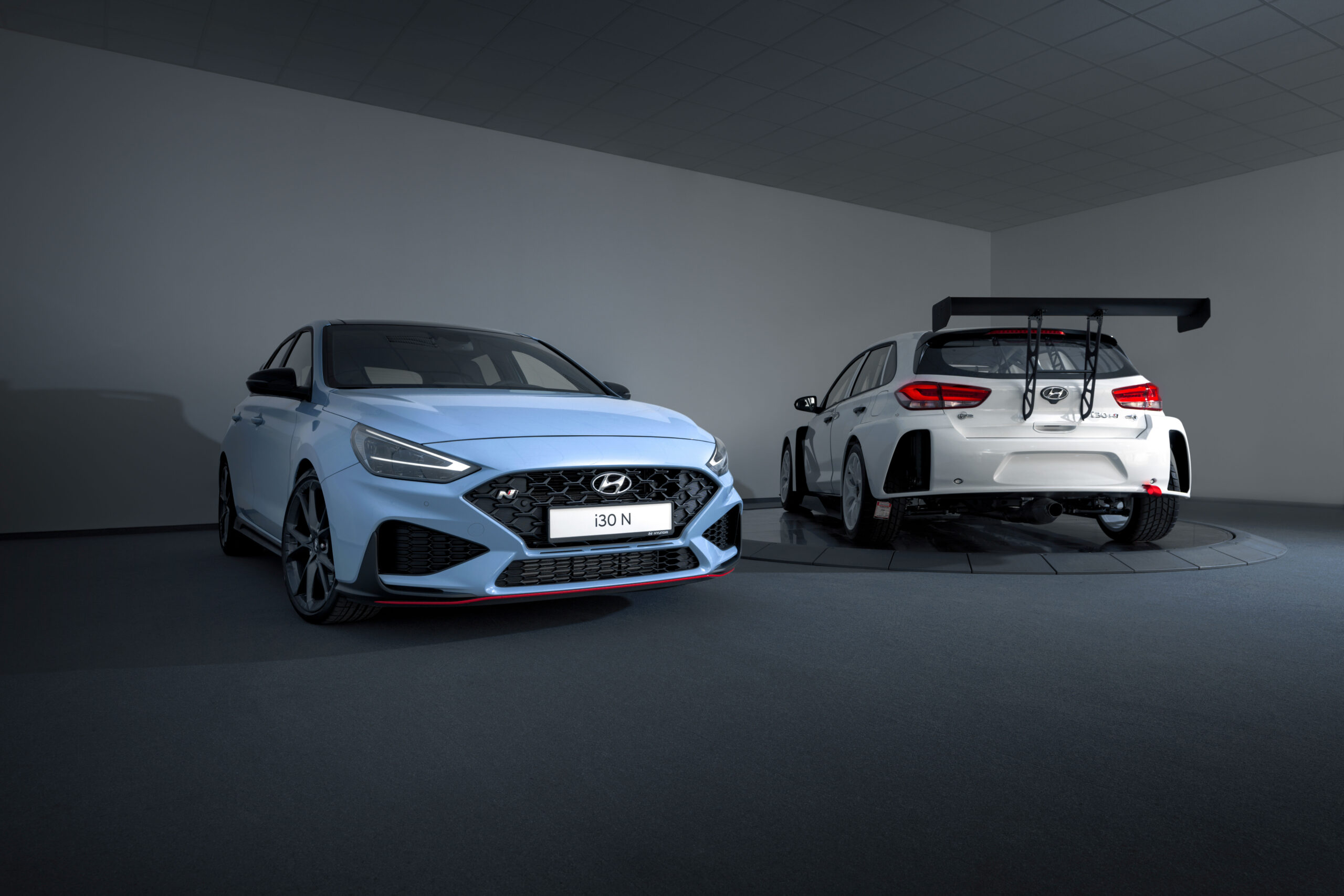
Hyundai i30: all problems
The Hyundai i30 is a popular compact hatchback that has scored highly in reliability surveys for years. Owners appreciate the car for its practicality, good value for money and extensive warranty. However, every generation has its specific problems that are worth knowing about before you consider buying an i30, or if you already own one. This article offers a complete overview of the most common technical issues, maintenance advice and buying tips for the Hyundai i30.
Three generations, each with their own character
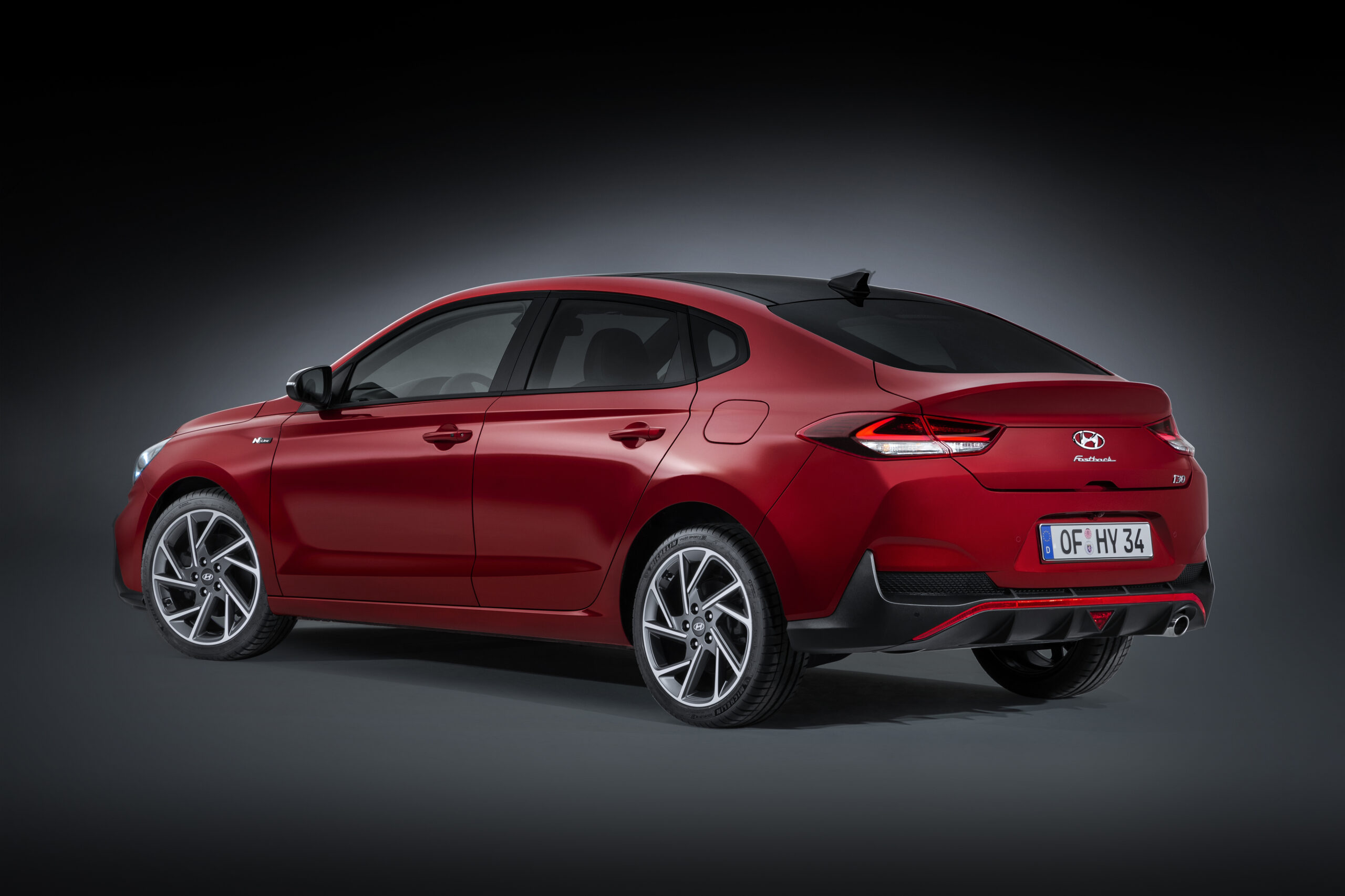
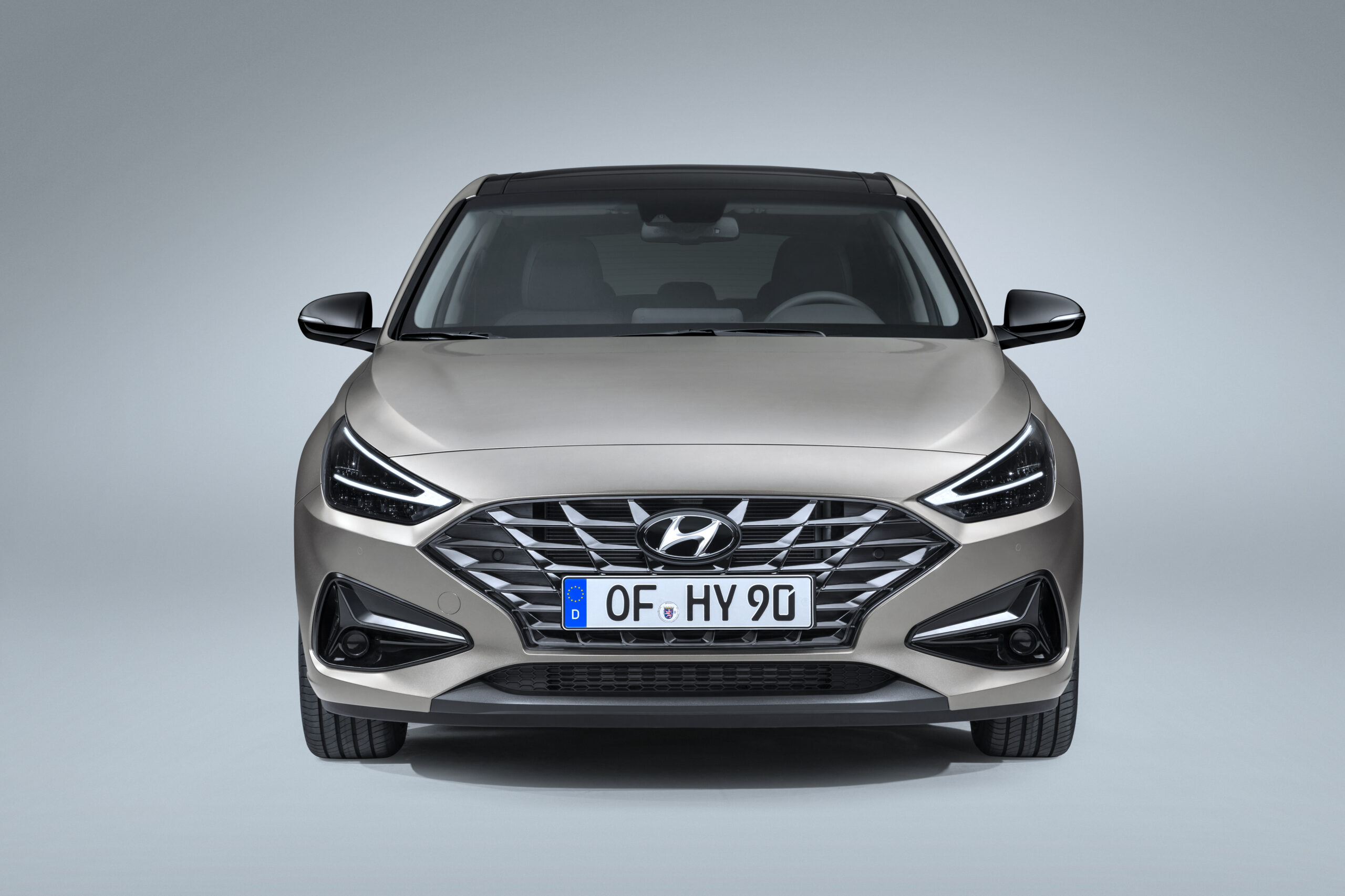
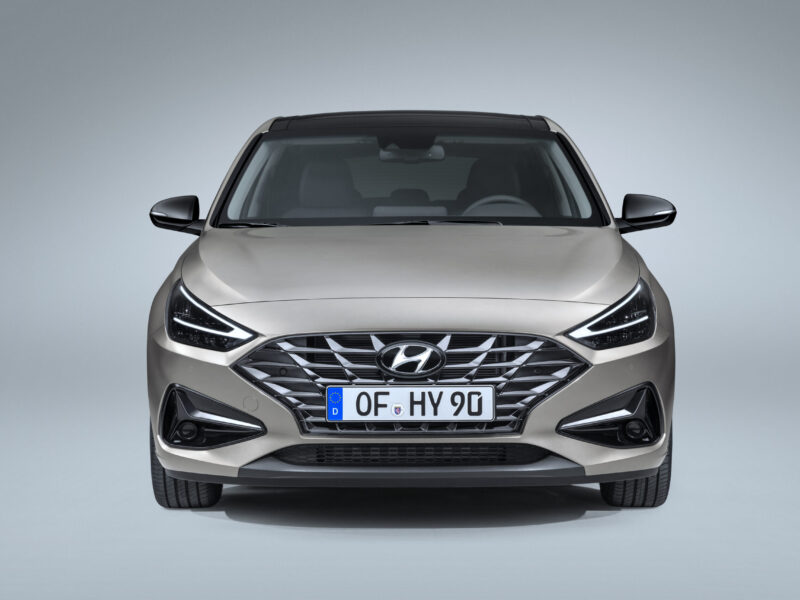
The Hyundai i30 has been on the market in three different generations since 2007. The first generation (FD, 2007–2012) introduced the model as an affordable alternative to the Volkswagen Golf and Ford Focus. The second generation (GD, 2012–2017) refined the design and brought improved engines and more equipment. The current third generation (PD, from 2017) received a sportier look and modern technology such as adaptive cruise control and improved safety systems.
Each of these generations has its own strengths, but also specific issues that owners may face. Reliability varies by model year and engine type, but overall the i30 scores highly compared with its rivals. Hyundai regularly appears in the top 10 of the most reliable car brands, and the i30 achieves reliability scores of almost 95 per cent in various studies.
For anyone considering buying an i30, it is useful to know that there are a number of recurring complaints. Some of these are typical of certain model years or engine variants. For a broader overview of technical issues across the different Hyundai models, visit Hyundai car problems.
‘ Compared with brands like Renault or Peugeot, the i30 consistently scores better on long-term reliability. ’
Reliability that goes beyond average
The Hyundai i30 is known as a reliable family car. Owners rarely report serious failures that leave the car stranded. The five-year factory warranty underlines Hyundai’s own confidence in the technical quality. Compared with brands like Renault or Peugeot, the i30 consistently scores better on long-term reliability.
There are differences between the various versions, though. The diesel engine with automatic gearbox has slightly more complaints than the petrol version with manual gearbox. Maintenance also plays a major role: cars with a full service history and regular checks at an authorised dealer are less likely to suffer unexpected breakdowns.


Engine problems that need attention
In the first generation (2007–2012) problems mainly occur with idling. The engine then runs unevenly or vibrates excessively. This may be due to dirty injectors or a faulty mass air flow sensor. Regular servicing and using quality fuel help to prevent this.
The second generation (2012–2017) with the 1.6 GDI petrol engine (direct-injection petrol engine) has a specific problem: oil can leak into the clutch housing. As a result, the clutch will slip and needs to be replaced. Oil consumption can also increase due to wear of piston rings or valves. Check the oil level weekly if you have a GDI engine.
The 1.6 CRDi diesel engine (common-rail diesel) suffers from clogged fuel strainers in the tank, especially after 30,000 to 40,000 kilometres. Oil also sometimes leaks from the crankshaft position sensor gasket. Have the fuel filters cleaned regularly to prevent problems.
In the third generation (from 2017) the timing belt on diesel engines wears faster than expected. Hyundai advises replacement every 90,000 kilometres, but owners report that changing it around 70,000 kilometres is wiser. AdBlue injectors can also fail, causing a fault that puts the car into limp mode. EGR (exhaust gas recirculation) and DPF (diesel particulate filter) problems occur after 150,000 kilometres, especially on cars used mainly for short journeys.
Transmission: manual and automatic
The i30’s manual gearbox is generally reliable. In the first generation the clutch may squeak due to wear, especially with a lot of city driving. When buying, check that the clutch shifts smoothly and does not slip when you accelerate hard in a high gear.
The automatic transmission, especially on diesel engines, has more reported issues. Owners mention juddering when accelerating or when using cruise control. This is often resolved with a software update at the dealer. In some cases, the clutch pack in the automatic needs replacing, which can be expensive.
In the second generation with the 1.6 GDI engine, oil can leak into the clutch housing, leading to slipping. This problem requires replacement of the clutch and often also the flywheel sensor. Hyundai sometimes resolves this under warranty if it is reported within the warranty period.
‘ Have this checked immediately at a garage, because driving without working ABS and ESP is unsafe. ’
Electrical faults and sensors
Electrical issues are rare on the i30, but they do occur. On the second generation the remote control on the key may sometimes not respond. This is usually solved by replacing the battery or reprogramming the key.
Problems with the ABS (anti-lock braking system) and ESP sensors (stability control) can cause a warning light on the dashboard. In some cases this immobilises the car completely, so it will no longer start. Have this checked immediately at a garage, because driving without working ABS and ESP is unsafe.
In the third generation there are complaints about condensation forming on the windscreen, which is linked to small leaks in the air conditioning system. The electric parking brake can also seize, especially in cold conditions. Hyundai issued a recall for this on models from 2012.
The infotainment system usually works without problems, although owners sometimes report slow responses or dropped Bluetooth connections. A software update usually solves this.
Chassis and suspension: wear is normal
The i30’s suspension is firm and behaves well on Dutch roads. However, wear on shock absorbers, springs and control arms is inevitable after 100,000 kilometres, especially with intensive use.
Owners of the second generation report that the power steering can judder while braking. This is linked to wear in the control arm bushes or an uneven brake disc. Have this checked at the MOT inspection or during routine servicing.
When buying a used i30, check the condition of the control arms and bushes. Play or cracks are signs of wear. Also pay attention to the track rod ends and anti-roll bar links. Replace these parts in good time to prevent costly consequential damage.
Brakes and tyres: common wear items
A recurring problem on the second generation is juddering under braking. The factory brake discs wear quickly and can start to vibrate when braking, especially with heavy loads. The brake pads also wear faster than average. Many owners choose to replace the original brakes straight away with aftermarket parts from a quality brand. This provides better stopping power and longer service life.
Uneven tyre wear occurs if the wheel alignment is incorrect or if the shock absorbers are worn. Have the alignment checked at every tyre change and replace worn dampers in good time.
On the third generation the brakes are improved, but wear still depends on driving style and use. Check the thickness of the brake discs during regular servicing and replace them when less than 3 millimetres of thickness remains.
‘ Owners report that the paint is easily damaged by stone chips and that small scratches can start to rust quickly. ’
Bodywork and interior: minor niggles
The paint durability of the second generation sometimes leaves something to be desired. Owners report that the paint is easily damaged by stone chips and that small scratches can quickly start to rust. The tailgate can also suffer from corrosion, especially around the number plate.
Complaints about the interior are limited. The material quality is good for the price range, although buttons and switches can start to rattle over time. The upholstery holds up well, but light-coloured fabrics can fade in sunlight.
On the third generation the finish has been improved. Owners are generally satisfied with the build quality and comfort. Small noises or creaks are rare, but can occur on high-mileage examples.
Prevention and maintenance for a longer service life
Regular maintenance is the best way to prevent problems. Have the i30 serviced according to Hyundai’s maintenance schedule, preferably at an authorised dealer. A routine service costs around €250 and includes oil, filters and a general inspection.
Pay particular attention to the following points:
- Check the oil level weekly on GDI and CRDi engines
- Have the fuel filters on diesel engines cleaned regularly
- Replace the timing belt on diesels at around 70,000 kilometres instead of 90,000
- Test the AdBlue system at every service
- Use quality fuel and original or high-grade parts
- Have ABS and ESP faults checked immediately
Also keep an eye on the condition of the brakes, especially on the second generation. Replace worn discs and pads straight away to prevent juddering and reduced braking performance. For diesels: avoid frequent short trips to prevent DPF problems and ensure regular regeneration.
Buying tips for a used Hyundai i30
If you are planning to buy a used i30, pay attention to the following points:
- Scan the car for fault codes with an OBD scanner (on-board diagnostics scanner), paying particular attention to ABS and ESP errors
- Check the exhaust for blue or black smoke at start-up
- Test the clutch for slip by accelerating hard in a high gear
- Let the engine idle and listen for an irregular idle speed
- Check the service book for regular maintenance and stamps from an authorised dealer
- Test the brakes thoroughly, especially on the second generation, and pay attention to juddering
- Check the air conditioning for proper operation and for condensation on the windscreen
- Check the electric parking brake for sticking, especially on 2012 models
- Inspect the bodywork for rust, especially around the tailgate
- Ask whether recalls have been carried out, particularly the parking brake recall
With diesel engines, pay extra attention to the condition of the timing belt and ask when it was last replaced. Also check that the AdBlue system works properly and that there have been no issues with the EGR or DPF.
Preferably choose a car with a complete service history and avoid cars that have mainly done short trips. This helps avoid DPF problems on diesels and increases the chances of trouble-free motoring.
‘ Then the i30 will provide years of trouble-free driving pleasure. ’
A reliable choice with a few points to watch
The Hyundai i30 is a solid hatchback that scores highly for reliability and value for money. Most issues are well known and manageable with preventive maintenance. Diesel engines need a little more attention than petrol engines, especially regarding the timing belt and AdBlue system.
The second generation has the most complaints, mainly about brakes and oil leaks, but these can be resolved effectively. The third generation is an improvement and has fewer teething troubles, although the diesel versions do require timely replacement of the timing belt.
For anyone looking for a reliable, practical family car with low running costs, the i30 is a good choice. Ideally, buy a car with a full service history, have a thorough pre-purchase inspection carried out and follow the maintenance schedule closely. Then the i30 will offer years of trouble-free driving pleasure.