Hyundai Ioniq 5: the problems
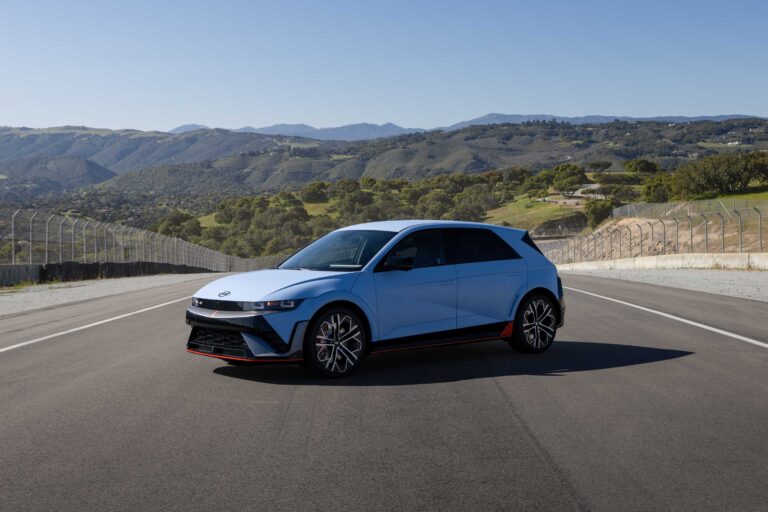
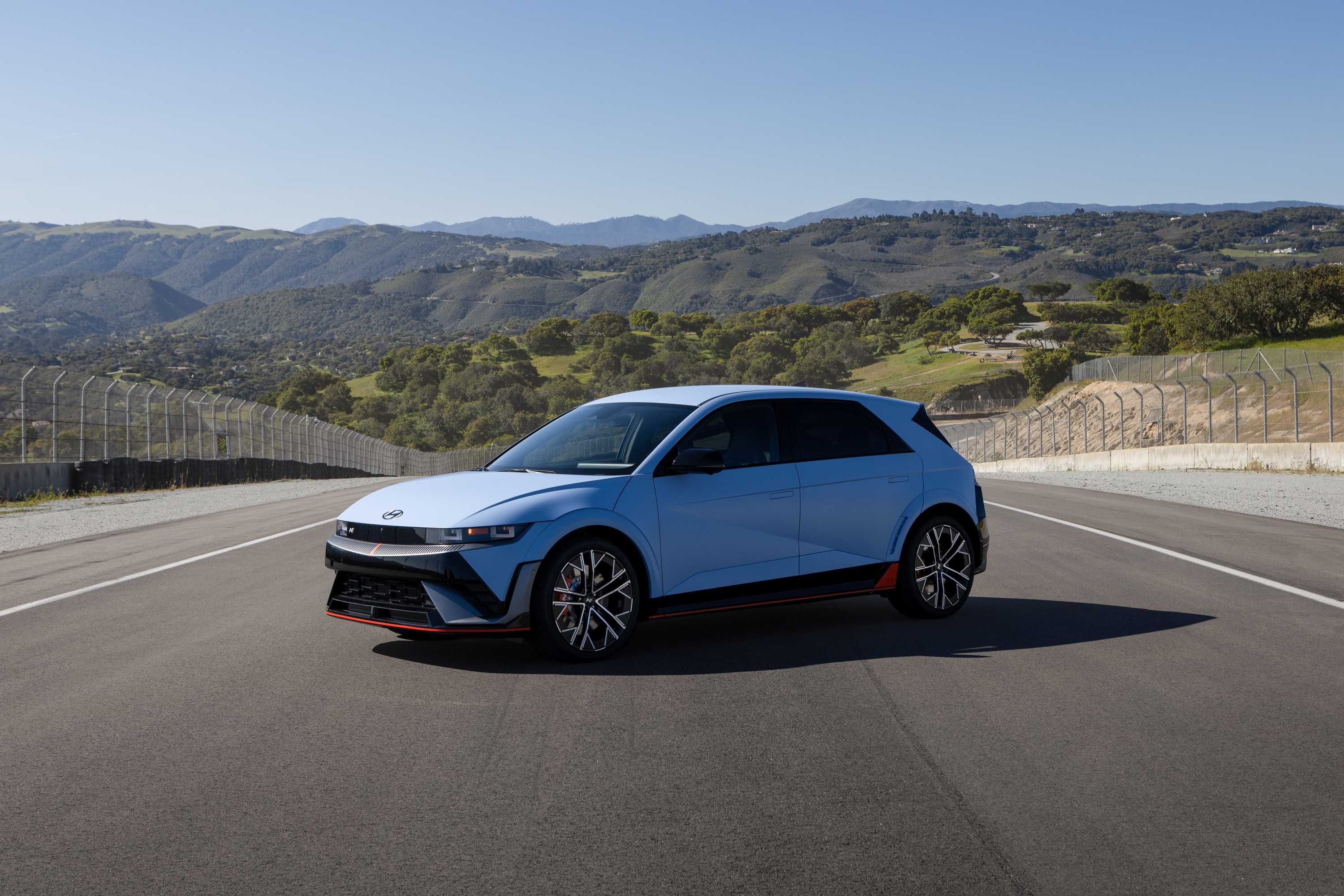
The Hyundai Ioniq 5 is a widely praised electric car with futuristic design and strong driving performance. However, it suffers from specific technical problems. Do not ignore these. The most frequently reported issue is failure of the ICCU, the charging control unit that feeds the 12 V battery, which can lead to unexpected breakdowns while driving and long repair times. You may be considering buying this EV, or you may already own one. In that case it is useful to know these points of attention and how to deal with them.
Why the Ioniq 5 appeals to many car enthusiasts
The Ioniq 5 attracts attention with its striking retro design, spacious interior and fast-charging capability of up to 200 kW. The model offers a driving range that is more than sufficient for many everyday journeys and features modern technology such as twin screens for instruments and infotainment. The car feels agile in the city and stable on the motorway, which makes it attractive to both commuters and families. Yet the first generations of the Ioniq 5 appear to be prone to specific technical faults. These undermine day-to-day reliability.
Hyundai has carried out several software updates and recalls to solve problems. Some owners report that their car functions flawlessly after these measures. Others are faced with recurring faults. The experience differs per model year and individual car. The brand’s electric models break down on average more often than traditional combustion-engined cars. This is mainly caused by components in the charging system. You can find more context about Hyundai car problems on this page.
‘ In cold weather the charging performance is often disappointing. ’
Frequently reported problems from Ioniq 5 owners
Owners report a number of recurring complaints that range from annoying to serious. The most impactful problem is failure of the ICCU, which can cause the car to come to a complete standstill. In addition, there are regular reports of problems with the 12 V battery. Software errors in the infotainment system are also frequently reported. In cold weather the charging performance is often disappointing. Other complaints involve smaller ergonomic and operating issues, such as awkward door handles and wind noise at higher speeds.
The frequency with which these problems occur differs. Data from Germany show that Hyundai EVs break down about three times more often than models with combustion engines. Research shows that at least 2 per cent of Ioniq 5 owners are faced with an ICCU defect. In some regions and model years this percentage rises to 10 per cent. That is not a negligible number, especially given the possible consequences for safety and usability. Fortunately, Hyundai acknowledges the problems and the brand is actively carrying out recalls and updates.
ICCU problems: the biggest technical concern
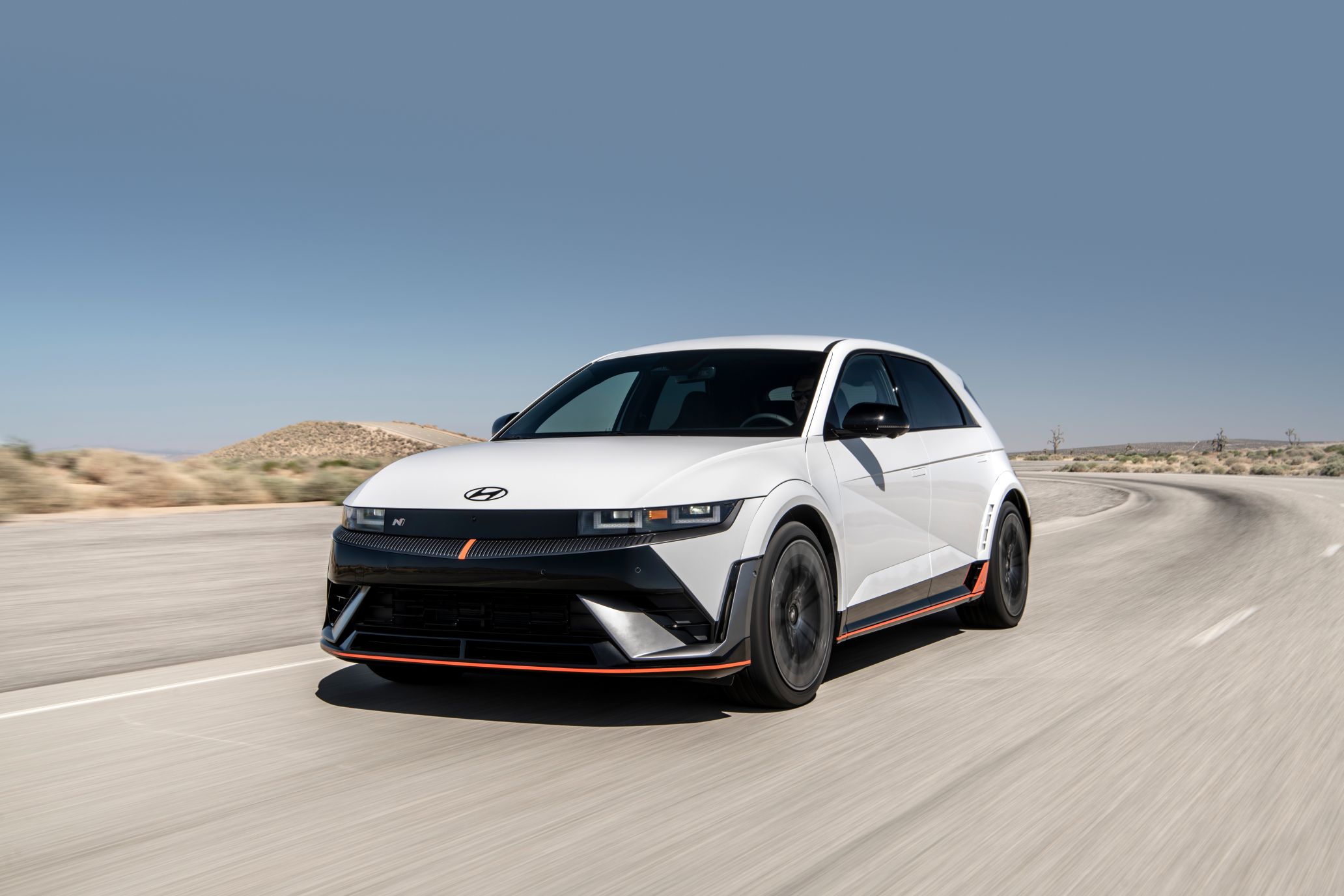
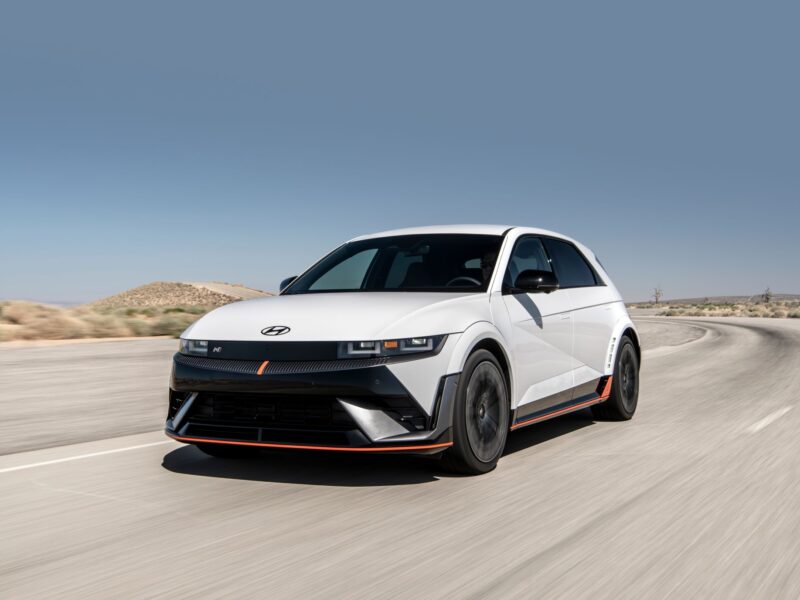
ICCU stands for Integrated Charging Control Unit. This is the electronic control unit that manages charging between the large high-voltage battery and the small 12 V battery. That 12 V battery powers all the electronic systems in the car, from power steering to the infotainment. When the ICCU fails due to a defective transistor, the following happens. A fuse blows. Charging of the 12 V battery then stops. As a result, the battery discharges and the car will no longer start or may even cut out while driving.
Owners describe this as a frightening moment. Some report a loud ‘bang’ or ‘pop’ from the engine compartment, followed by a sudden standstill. That can happen on the motorway, at a junction or while parking. The car then has to be towed away and can be out of use for weeks or months, because replacement ICCUs are scarce. Multiple owners report that their car has received a new ICCU several times, which points to a structural design problem in the early production years.
Problems with the 12 V battery and possible causes
Apart from ICCU defects, the Ioniq 5 also suffers from weak 12 V batteries. In cold weather or after long periods of standing still, the battery regularly fails. Owners then have to use jump leads or a battery charger to get the car running again. This problem is partly related to the ICCU, but also to the quality and capacity of the battery itself.
Hyundai has carried out recalls for the Ioniq 5. Recalls are factory repair campaigns in which known defects are remedied free of charge. During these campaigns Hyundai has rolled out software updates. These updates are intended to improve the energy management of the 12 V battery. Even so, reports of flat batteries continue to come in, even after these measures. For owners it is advisable to check the voltage of the 12 V battery regularly with an OBD scanner. This is a diagnostic device that allows you to read fault codes and real-time values from the car. Keep the voltage above 12.4 volts and consider a battery maintainer if you leave the car parked for more than a week. Replace the battery in case of repeated problems, even if it still seems relatively new.
‘ owners regularly report bugs and system crashes. ’
Software errors and infotainment problems
The digital heart of the Ioniq 5 consists of two large screens. Together these screens operate instruments and infotainment. These systems look modern and clear, but owners regularly report bugs and system crashes. The infotainment screen can freeze, meaning radio, navigation and climate control can no longer be operated. Sometimes turning the car off and on again helps, but in other cases a dealer visit is needed for a software reset.
Other frustrations involve the lack of wireless smartphone mirroring and USB-C connections in early models. Connectivity problems with Bluetooth also occur, where pairing with phones is regularly lost. Hyundai has released several software updates to tackle these problems. At every service visit, ask whether new updates are available and have them installed. That prevents you from driving around with outdated software.
Charging problems and disappointing winter performance
One of the strongest points of the Ioniq 5 is its ability to fast-charge at up to 200 kW. In practice, however, many owners do not reach this speed, especially in winter. With cold batteries, the charging speed drops to 30 kW or less, which means that a fast-charging session may not take 18 minutes but 50 minutes or longer.
The problem is the lack of simple battery preconditioning. Newer models from 2024 onwards offer improved software that allows you to preheat the battery via the navigation system by entering a fast charger as your destination. For older models this function is absent or cumbersome to use. Owners also report that the charging flap is difficult to open and that public charging stations sometimes do not communicate properly with the car, preventing charging from starting.
In cold weather, always use the navigation to enter a fast-charging point before you head to the charging station. This allows the car to preheat the battery. Keep the battery above 20 per cent to limit reduced performance and look for reliable charging points via apps that show user experiences.
Smaller but annoying complaints
Besides the major technical issues, owners report a range of smaller ergonomic and comfort problems. The door handles are recessed into the bodywork and feel awkward, especially with cold hands or gloves. The buttons work electronically and can, in the event of 12 V battery problems, cause the doors to remain locked. Wind noise at higher speeds is also a recurring complaint, especially around the windscreen and A-pillars.
Other points concern the steering feel, which some experience as too direct and numb, and brake pedals that provide little feedback. The car has no rear wiper, which limits rearward visibility in rainy weather. These issues affect everyday user experience, but do not lead to breakdowns or dangerous situations like the ICCU problems.
‘ Don’t wait until you experience a problem, but have the updates carried out as a precaution. ’
Official recalls by Hyundai
Hyundai has carried out several recalls for the Ioniq 5. The most important ones concern the electronic parking brake, which can release unexpectedly, and the ICCU itself. For the parking brake, a free software update is available at every dealer. For the ICCU, Hyundai has developed a software solution that checks whether the hardware is defective. If the transistor is defective, the entire unit must be replaced.
A third recall concerned the VIN label, which stated an incorrect maximum load. This label is adjusted free of charge at the dealer. Check with your dealer whether there are any outstanding recalls for your car. These are free of charge and can prevent serious problems. Don’t wait until you experience a problem, but have the updates carried out as a precaution.
What you can do as an owner
As an Ioniq 5 owner you can take a number of practical steps to prevent problems or detect them at an early stage. Check the voltage of the 12 V battery regularly with an OBD scanner. Charge the battery with a maintainer if you are not using the car for a longer period. Monitor warning lights on the dashboard and never ignore them, especially if they relate to the charging system.
Make sure all software updates and recalls have been carried out. At every service visit, explicitly ask whether new updates are available. Regularly test whether all digital systems are functioning properly and report problems to the dealer immediately. In the case of symptoms that point to an ICCU defect, such as strange noises or sudden power loss, do not continue driving but have the car towed. Avoiding coming to a standstill in the middle of traffic is safer than driving on.
Consider an extended warranty for EV components if you are thinking of a used Ioniq 5. Given the risk of repeated ICCU replacements, this can be financially sensible. Prefer models from 2024 or later, which come with improved software and hardware.
Reliability of the Ioniq 5 in perspective
The overall reliability of the Ioniq 5 is mixed. Many owners report being satisfied with the car and experience no significant problems. Others face recurring faults and long periods off the road. The ICCU issue is the main shadow over its reliability, because it can lead to dangerous situations and weeks without a car.
Hyundai has responded with recalls and improvements in newer model years. The question is whether these measures are sufficient. Reports of repeated ICCU replacements in the same cars suggest that the underlying problem is not always structurally resolved. For everyday use the Ioniq 5 is comfortable and practical, but the risk of technical failure is higher than with some competitors.
Compare the Ioniq 5 with other electric SUVs such as the Volkswagen ID.4 or Kia EV6. The Kia EV6 is built on the same platform as the Ioniq 5. The EV6 suffers from similar ICCU problems, which points to a shared design issue within the Hyundai–Kia group. The Tesla Model Y and Ford Mustang Mach-E have other teething problems, but not the acute failure risks associated with the ICCU.
‘ it is sensible to consider models from 2024 or later. ’
Is the Ioniq 5 a good choice despite everything?
The Hyundai Ioniq 5 offers a lot of car for your money: space, fast charging, modern technology and striking design. For those who drive short to medium distances every day and have access to home charging, the car can work very well. However, the problems with the ICCU and 12 V battery are real and can lead to unpleasant situations.
For potential buyers it is sensible to consider models from 2024 or later, because these benefit from improved software and possibly also revised hardware. During a test drive, thoroughly test the steering feel, the charging flap and the infotainment. Explicitly ask the seller about completed recalls and updates. For those living in colder climates, the Ioniq 5 is less ideal because of its winter charging problems, unless you can always charge and preheat at home.
Current owners would be well advised to follow the preventive steps mentioned and stay alert to warning signs. With good monitoring and timely maintenance, you can enjoy the strengths of the Ioniq 5 while keeping the risks as low as possible. The car is not problem-free, but with realistic expectations and active management it can still be a reliable companion.