
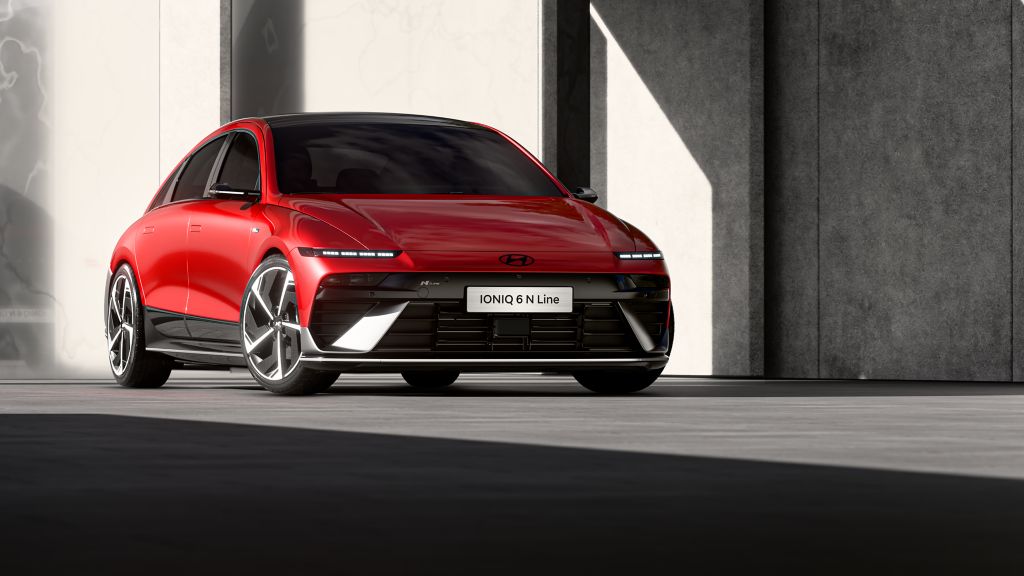
Hyundai Ioniq 6: all problems
The Hyundai Ioniq 6 is a reliable electric saloon with excellent warranty conditions, but it does have some specific problems, such as failing ICCUs, reduced range in cold temperatures and small irritations in everyday use. With a 5-year warranty with no mileage limit and 8 years of cover on the battery, this electric car offers many worry-free miles, provided you know what to look out for.
Do you want to know whether the Ioniq 6 really is as trouble-free as Hyundai promises? Or are there points of attention you should know about before buying this electric saloon? Read on for a complete overview of known issues, practical tips and what to check when purchasing.
Owners of Hyundai models may encounter various technical challenges. For a broader overview of known faults with this brand, take a look at our page on Hyundai car problems.
Hyundai’s electric future in saloon form
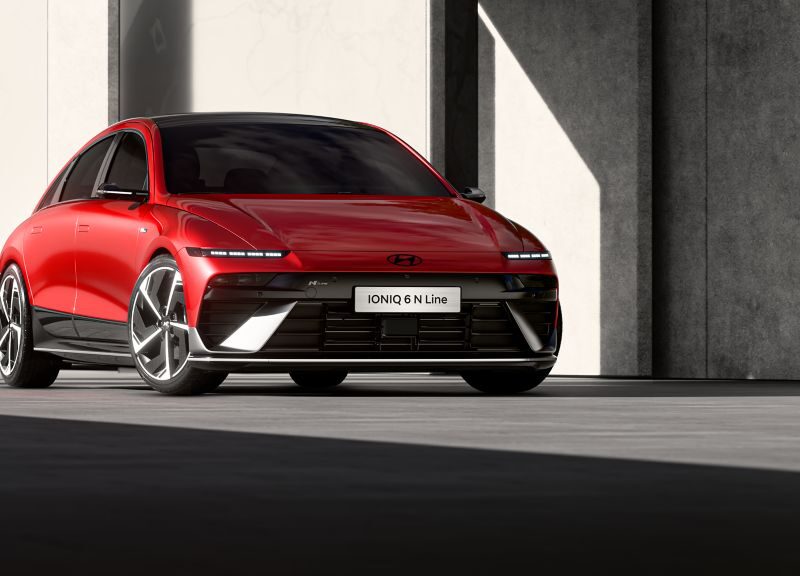
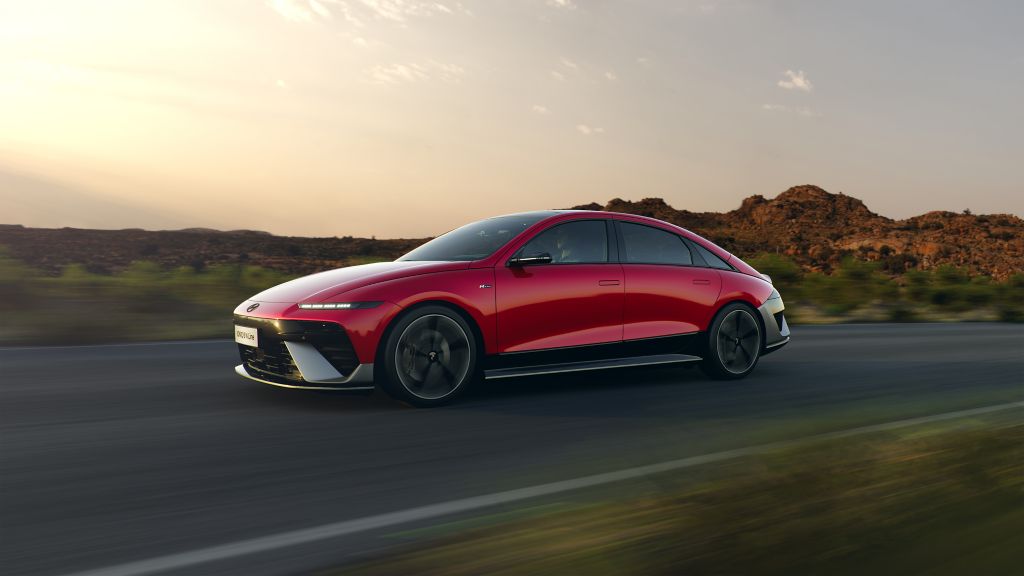
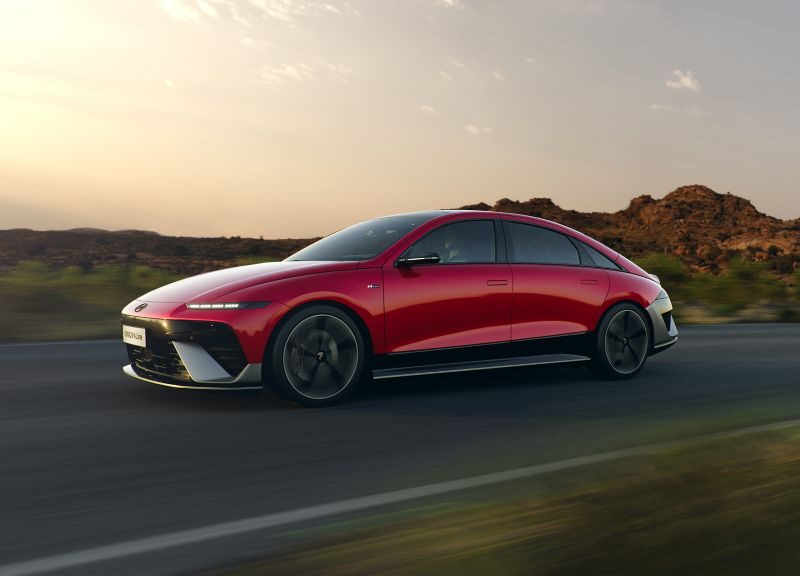
The Ioniq 6 positions itself as Hyundai’s answer to the Tesla Model 3 and Polestar 2. This electric saloon with low drag combines a striking design with modern technology and a theoretically high range. Hyundai builds on the E-GMP base (Hyundai’s dedicated electric platform), the same architecture as the Ioniq 5, but opts for a lower, more streamlined silhouette that minimises aerodynamic drag.
The model is available in various versions, from rear-wheel drive to high-power four-wheel drive. Battery options range from 53 to 77.4 kWh, with the larger battery promising a WLTP range of up to 545 kilometres on paper. Fast charging is possible at up to 230 kW, which in theory lets you charge from 10 to 80 percent in 18 minutes.
The Ioniq 6 is aimed at drivers who want to combine style and efficiency. The interior offers modern digital screens, extensive driver-assistance systems and comfortable front seats. However, rear-seat practicality and boot capacity are limited compared with traditional saloons.
‘ The standard 5-year warranty and 8 years on the battery prove the manufacturer’s confidence. ’
Hyundai’s reputation in electric driving
Hyundai generally scores well on reliability within the electric segment. According to various sources, the Ioniq 6 surpasses rivals such as its stablemate, the Ioniq 5, with more durable electronics and components. The standard 5-year warranty with no mileage limit and 8 years or 160,000 kilometres on the battery prove the manufacturer’s confidence.
Earlier electric models from Hyundai, including the first Ioniq Electric and Kona Electric, showed a solid track record with few major issues. Some owners did report air-conditioning problems after several years of use, with goodwill varying greatly between dealers. The move to the newer E-GMP architecture brought improvements in charging speed and range.
The suspension of the Ioniq 6 is set up more firmly than that of the Ioniq 5, which improves steering and causes fewer motion-sickness-inducing movements. This contributes to a sportier driving experience without sacrificing comfort on long journeys. The regenerative brakes are precisely adjustable via paddles on the steering wheel, helping to maximise range.
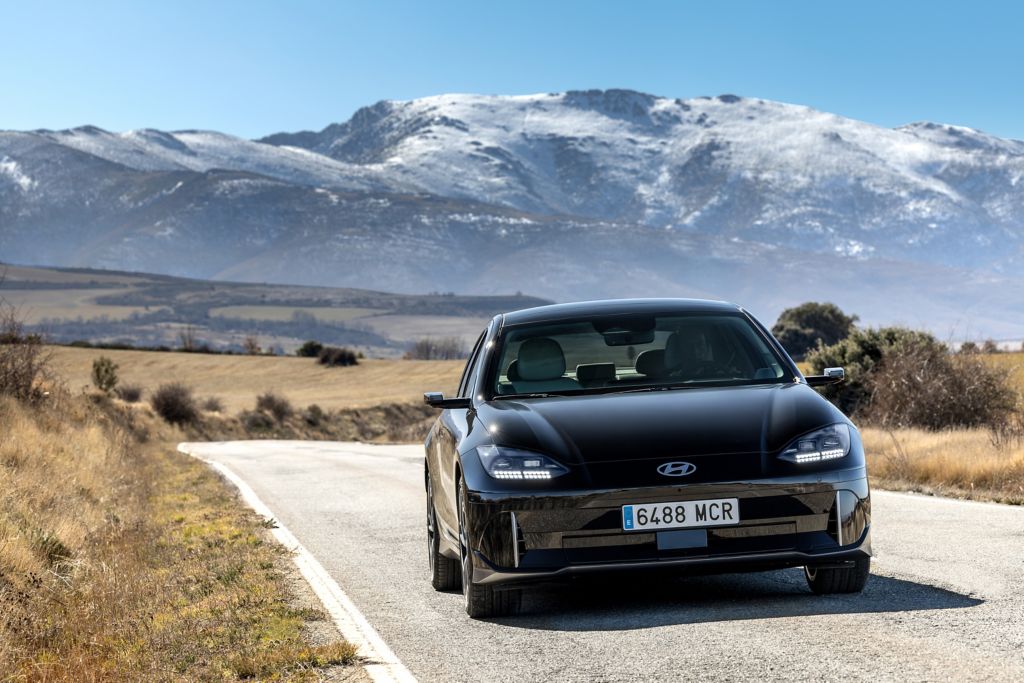
technical complaints with the Ioniq 6
The most frequently reported problem with the Ioniq 6 concerns the ICCU, the Integrated Charging Control Unit. This component does not correctly charge the 12-volt battery, which leads to damage and activation of fail-safe mode. In this mode, power is temporarily reduced for 20 to 40 minutes, which increases the risk of dangerous situations.
Hyundai is recalling more than 145,000 vehicles worldwide to resolve this issue, including Ioniq 6 models. The repair is carried out free of charge via the dealer. Owners should monitor the status of the 12V battery via the dashboard. If fail-safe mode is activated, it is important to park safely and contact the dealer immediately.
In addition, users report drivetrain noises, similar to earlier Ioniq models. Ticking or scraping secondary noises from the electric motor or reduction gear (gearbox between motor and wheels) occur sporadically. Replacing components usually solves this problem, but when buying used cars always check whether any recall work has been carried out.
Other commonly mentioned irritations are less serious but still annoying:
- The glovebox is an impractical drawer that cannot be used properly when there is a front passenger
- The key fob feels cheap for a car in this price segment
- The steering wheel partially blocks the digital instrument cluster in certain steering positions
- Minor finish details that do not match the model’s premium ambitions
Software, infotainment and assistance systems
The driver-assistance systems of the Ioniq 6 generally work well and contribute to a high Euro NCAP safety score. However, the speed limit warning beeps irritatingly at just 1 km/h over the limit and has to be turned off again at the start of every journey. This system complies with European regulations but is frustrating in everyday use.
The infotainment system usually responds smoothly, but some owners report occasional glitches or slow responses after software updates. These issues are often resolved after a system restart or a new update from the dealer. Smartphone connectivity is stable via Android Auto and Apple CarPlay.
The ADAS systems (advanced driver-assistance systems), including adaptive cruise control and lane-keeping assistance, operate reliably on motorways. Some users find the lane-keeping system intervenes too actively, especially on narrower roads with unclear markings. Fortunately, these systems are easy to switch off via the menu.
‘ Fast charging at the advertised 230 kW is not achievable with a cold battery. ’
Charging and battery performance in real life
In practice, the Ioniq 6 does not always reach the promised WLTP range of 545 kilometres. With 20-inch wheels and outside temperatures between 2 and 8 degrees, the real range drops to around 360 kilometres. Consumption then rises to 18.6 kWh per 100 kilometres, significantly higher than the theoretical figures.
Fast charging at the advertised 230 kW is not achievable with a cold battery. Without preheating the battery, the charging speed is considerably lower, which extends charging times. Use the preconditioning function to warm the battery before arriving at a rapid charger, especially in cold weather.
Battery performance remains stable over the longer term, provided you do not routinely charge the battery to 100 percent or run it completely flat. Keep the state of charge between 20 and 80 percent for daily use to extend its lifespan. The 8-year battery warranty covers capacity degradation down to below 70 percent.
Tips to optimise range:
- Choose 18-inch wheels instead of 20-inch for greater efficiency
- Use the regeneration paddles to recover energy while braking
- Preheat the battery before rapid charging to achieve optimal charging speeds
- Avoid speeds above 120 km/h for the best range
Mechanical quality and finish
The build quality of the Ioniq 6 is generally solid, but not flawless. Some owners report unwanted noises or rattles from the interior, especially on bumpy roads. These often come from loose panels or poorly secured interior elements, which the dealer can usually fix easily.
The bodywork shows few problems with rust or corrosion, thanks in part to modern production techniques and good paint protection. However, the aerodynamic shape can be more susceptible to stone chips at the front, especially with many motorway kilometres. Check the paint around the nose and wheel arches on used examples.
The suspension holds up well. The firm set-up can in the longer term lead to faster wear of bushes and rubber mounts. So far there have been few reports of this, but it is worth keeping an eye on as the cars get older. The solid Hyundai underpinnings inspire confidence for the coming years.
Sound insulation and comfort
Sound insulation is better than with many electric rivals, especially at speeds up to 100 km/h. Above that, wind noise increases due to the sharp edges of the design. Tyre noise depends heavily on the wheel size chosen: 20-inch wheels produce more road noise than the smaller 18-inch version.
Wear and maintenance intervals
Electric cars have fewer wear-sensitive parts than combustion-engined cars. Some components do still require attention. Tyres wear faster due to the high torque of electric motors than on traditional cars. Check tyre pressures regularly and rotate the tyres to prevent uneven wear.
The brakes actually last longer thanks to the frequent use of regenerative braking. However, this can lead to surface rust on the brake discs if the mechanical brakes are rarely used. Brake firmly from time to time to keep the discs clean and maintain braking performance.
The 12-volt battery is a point of attention, especially in view of the ICCU problems. This battery lasts on average 3 to 5 years, depending on use and climate. Keep an eye on the battery status via the dashboard and replace it in good time to prevent issues.
Other maintenance items:
- Brake fluid: replace every 2 years
- Cabin filter: replace annually for optimal air quality
- Battery coolant: check according to the maintenance schedule
- Wiper blades: replace at the first signs of streaking
‘ This points to a relatively trouble-free launch compared with some other new electric models. ’
Recalls and service bulletins
Hyundai has carried out a large global recall for the ICCU problem, in which more than 145,000 electric vehicles are being repaired. This action involves the Ioniq 5, Ioniq 6 and Genesis GV60/GV70 Electric. The repair replaces the faulty ICCU and can be carried out free of charge at all authorised dealers.
Check using your registration number on the Hyundai or RDW website whether your vehicle is covered by this recall. Even if you are not yet experiencing problems, have the repair carried out anyway to avoid future risks. The dealer will contact registered owners, but take the initiative yourself if you are in doubt.
Besides this major action, few other service campaigns are known so far for the Ioniq 6. This points to a relatively trouble-free launch compared with some other new electric models. Do keep an eye on Hyundai’s communications for any software updates that improve performance or functionality.
Preventive maintenance and practical advice
You can prevent many problems through regular maintenance and careful use. Have the car serviced according to the prescribed schedule, even though an electric car seems to need less maintenance. The dealer will then check all systems, including the high-voltage battery and electronics.
Monitor the 12V battery status via the dashboard and pay attention to warning lights. In case of unexpected messages or reduced performance, contact the dealer immediately. The extensive warranty covers most problems, provided you follow the maintenance schedule.
For optimal battery life, avoid regularly charging to 100 percent or running the battery flat. For daily use, charge to 80 percent and only start charging again from 20 percent. If the car is parked up for longer periods, keep the battery between 40 and 60 percent. Use rapid charging sparingly and only when necessary for long journeys.
Practical tips for owners:
- Switch off annoying driver-assistance systems at the start of each journey if they bother you
- Use the regeneration paddles for efficient driving and reduced brake wear
- Plan rapid-charging stops with preheating of the battery
- Check tyre pressures monthly for optimal range
- Brake firmly from time to time to prevent rust build-up on brake discs
Buying an Ioniq 6: what should you look out for?
When buying a new Ioniq 6 you should mainly pay attention to the specifications chosen. Smaller 18-inch wheels deliver more range than the 20-inch version. The larger 77.4 kWh battery offers more flexibility for long trips, but increases the purchase price. Consider whether you really need four-wheel drive or if rear-wheel drive is sufficient.
When buying a used Ioniq 6, check the following points during the test drive:
- Listen for unusual noises from the drivetrain, especially ticking or scraping secondary sounds
- Test the brakes for smooth operation and check for surface rust due to infrequent use
- Check whether all recalls have been carried out using the registration number
- Review the warranty history and maintenance record from an authorised dealer
- Ask about the battery status and any degradation via the diagnostic systems
During the test drive, measure the real range and energy consumption, especially in cold weather. Ask the seller about the average consumption figures and compare these with your own test drive. Check the paintwork for stone chips and the wheels for scuffs. Inspect the interior for wear to the seat upholstery and the operation of all digital displays.
Check whether the charging cable and any accessories are complete. Ask about the charging history: has the car often been rapid charged or mainly charged at home on a wallbox? Frequent rapid charging can affect battery life in the long term, although this is not an immediate issue within the warranty period.
‘ Don’t rely blindly on the WLTP figures; in practice expect 60 to 70 percent of these under less favourable conditions. ’
Is the Ioniq 6 a sensible choice?
The Hyundai Ioniq 6 is a reliable electric saloon that holds its own well compared with competitors such as the Tesla Model 3 and Polestar 2. The excellent warranty conditions and generally solid build quality inspire confidence for worry-free miles. The ICCU recall shows that Hyundai recognises and resolves problems, albeit reactively.
The reduced range in cold temperatures and with larger wheels is a real point to consider. Don’t rely blindly on the WLTP figures; in practice expect 60 to 70 percent of these under less favourable conditions. This is comparable with other electric cars, but useful to know when making your decision.
The minor irritations, such as the beeping driver-assistance systems and the impractical glovebox, do not detract from the technical quality, but can be annoying in everyday use. Fortunately, most systems can be switched off or ignored. The sportier suspension and precise steering make the Ioniq 6 more enjoyable to drive than the taller Ioniq 5.
If you are looking for a stylish, efficient electric saloon with a good warranty and acceptable reliability, the Ioniq 6 is a sensible choice. Do pay attention to the known points of concern, carry out preventive maintenance and check for recalls. Then you can enjoy modern electric mobility with the reassurance of Hyundai’s support for at least 5 years.