
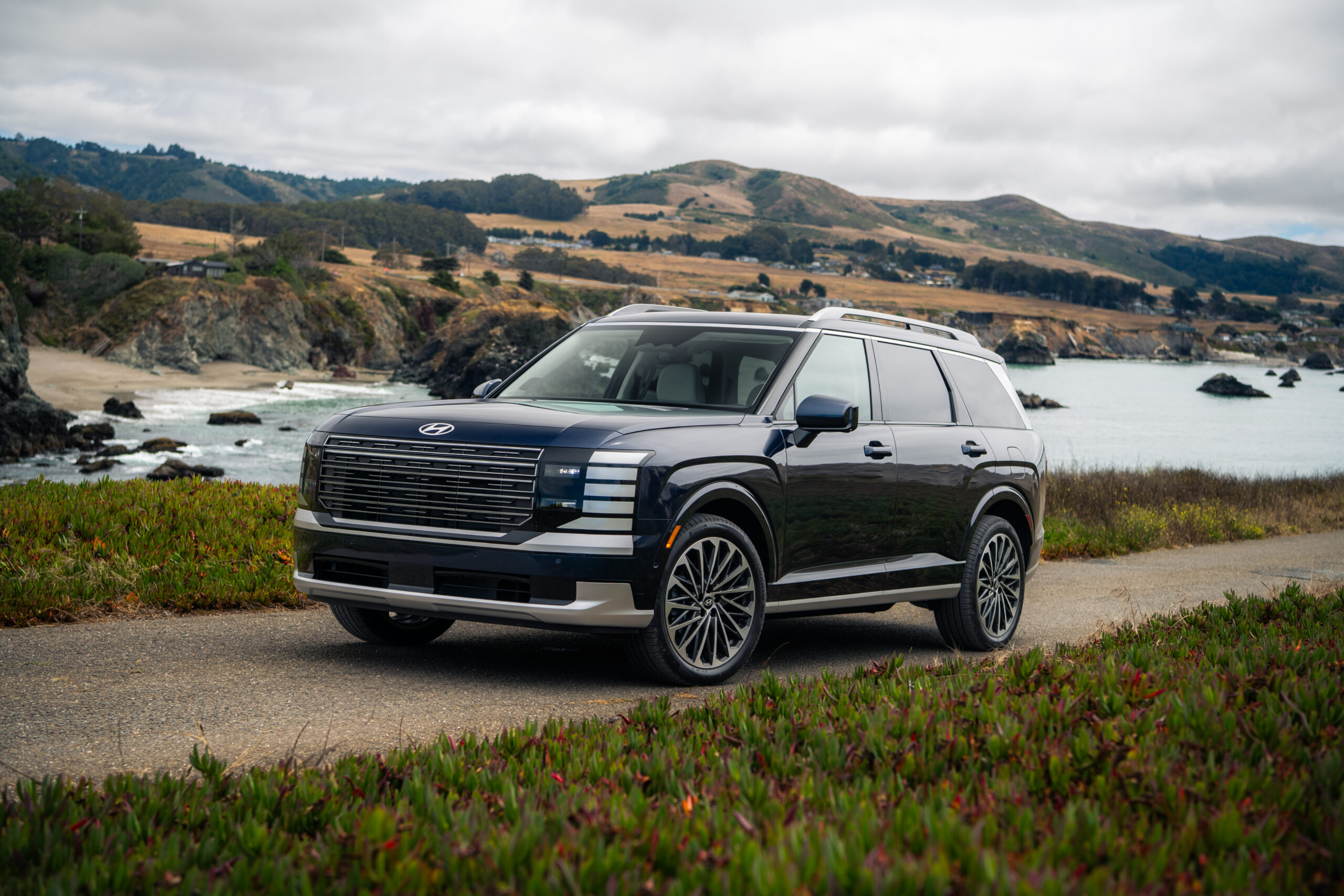
Hyundai Kona: all problems
The Hyundai Kona has in a short time developed into a popular choice in the compact SUV segment, but owners regularly report technical complaints. From braking issues and engine faults to electrical defects: the Kona suffers from various issues, mainly affecting models from 2018 to 2021. If you are considering buying a Kona, or already drive one, it is important to know which problems can occur and how to recognise them. In this article we discuss the most common technical complaints, targeted tips per powertrain and practical advice for maintenance and purchase.
What makes the Hyundai Kona a popular choice?
The Hyundai Kona appeared on the market in 2017 and cleverly capitalised on the growing demand for compact SUVs with a sporty appearance. The model is available with different powertrains: petrol, diesel, hybrid and fully electric. This variety makes the Kona attractive to a wide audience. Some buyers mainly want economical driving. Others are enthusiasts of electric mobility.
The first generation was delivered with 1.0 and 1.6-litre petrol engines, often coupled to a seven-speed dual-clutch automatic transmission. In addition, Hyundai launched the Kona Electric which, with its decent driving range, quickly became a serious competitor to the Nissan Leaf and Volkswagen ID.3. In 2021 the model received a facelift. In 2023 the second generation appeared, with refined technology and new design elements.
You can find information on other Hyundai models on the overview page Hyundai car problems.
The Kona has strengths such as a modern interior and attractive warranty conditions. Owner experiences and official recalls, however, show that technical problems also occur.
‘ Always have vibrations checked immediately. ’
Brake problems and premature wear
Problems with the braking system are among the most frequently reported complaints from Kona owners. Early models from 2017 and 2018 were subject to an official recall. The cause was damaged brake fluid lines. Due to corrosion or mechanical load these lines could start leaking, which poses a direct safety risk. The recall also covered defective air conditioning pipes located next to the brake lines that can cause damage.
In addition to these recalls, owners often report premature wear. This concerns the brake pads. Brake discs also wear early. Complaints about vibrations when braking arise especially with intensive use in hilly areas or when towing a trailer. Some drivers describe a pulsing sensation in the brake pedal. The pedal then has to be pressed deeper than normal. This may indicate warped brake discs. It can also point to worn brake pads.
Check the condition of your brakes at every service. Pay attention to squeaking or grinding noises, which are often the first sign of wear. Always have vibrations or abnormal behaviour checked immediately, as early replacement prevents greater damage to the braking system and contributes to your safety.
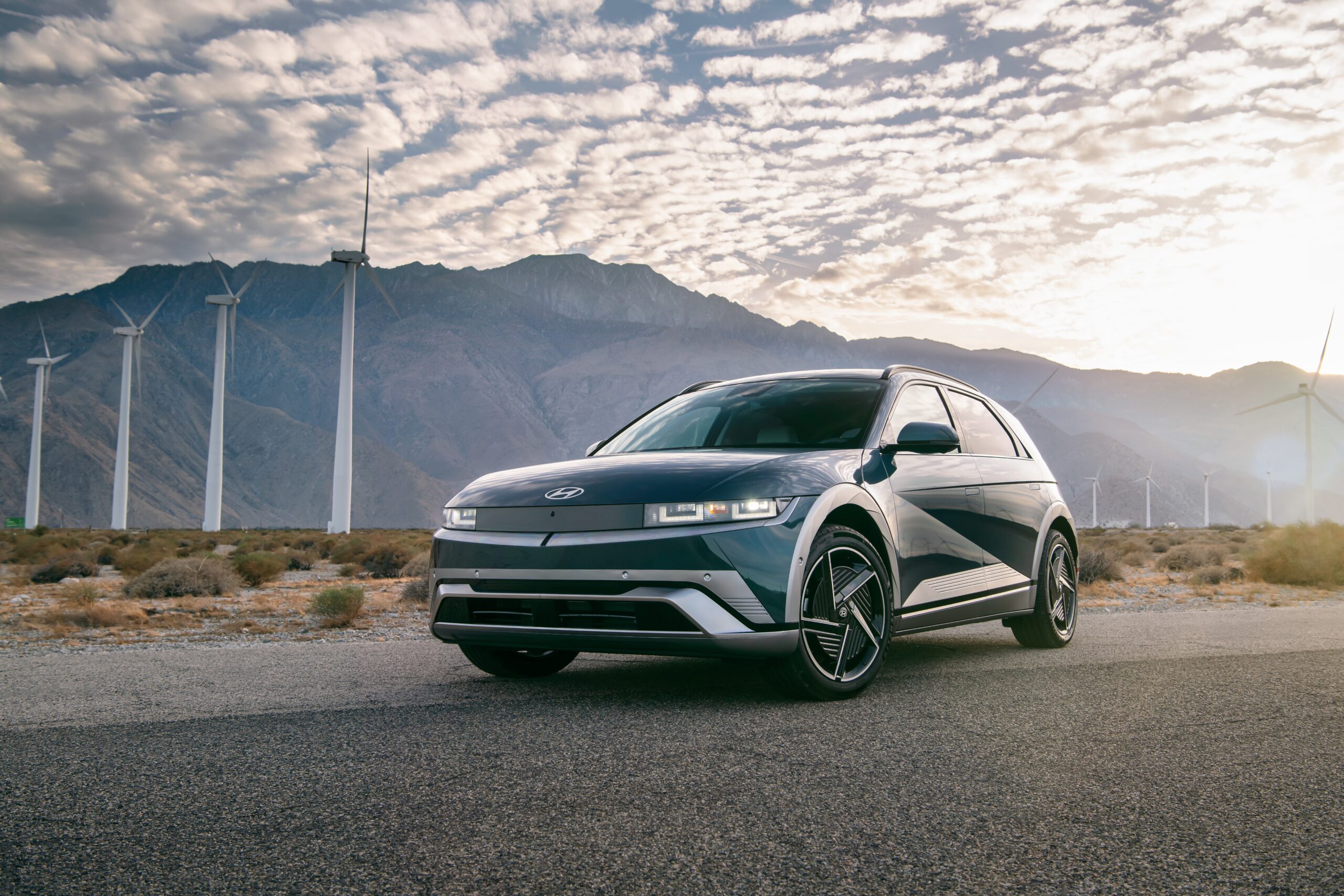

Engine failures and mechanical problems
The Kona’s petrol engines, particularly the 2.0-litre four-cylinder in the 2019 to 2021 models, suffer from serious defects. Hyundai launched a recall because inconsistent heating of the pistons can lead to damage. Symptoms include abnormal ticking noises from the engine block, sudden loss of power, stalling while driving and, in extreme cases, even engine fires.
Another recurring problem concerns excessive oil consumption in the turbocharged engines. Owners notice that the oil level drops significantly between regular services. This can be caused by worn piston rings or defective valve seals. The oil level then becomes too low and the risk of engine damage quickly increases.
Drivers also report complaints about worn engine mounts. These normally provide vibration damping, but when they wear out, vibrations occur in the steering wheel or noises during acceleration. In some models the crankshaft position sensor fails after prolonged use. The sensor then starts causing problems. This leads to starting issues and can also cause irregular engine behaviour.
The turbo variants are sensitive to dirty fuel filters. A clogged filter can cause intermittent loss of power, especially at higher speeds. Therefore, regularly check the oil level and replace filters according to the maintenance schedule. If warning lights appear on the dashboard, have a diagnosis carried out immediately to prevent escalation.
Specific problems with the Kona Electric
The electric version of the Kona has its own list of technical points to watch. Models from 2019 and 2020 experienced software faults in the battery management system. These errors cause unexpected range reduction and incorrect display of the charge level. Hyundai provided software updates for this, but not all owners have had these carried out yet.
A more serious problem concerns the risk of battery fires with certain serial numbers. Hyundai recalled thousands of Kona Electric models to replace the high-voltage battery. This problem was caused by production faults in the cells, which led to internal short circuits. Before purchase, check whether recall actions for the battery have been carried out.
Users also report complaints about charging speed. In some models, rapid charging takes longer than expected. In other cases, the charging speed suddenly drops during the process. This may be related to temperature management or defective wiring in the charging system.
With the Kona Electric, closely monitor the battery health via the on-board computer. Pay attention to deviations in charging time and range. If problems persist, have the high-voltage battery and software checked by a specialised dealer.
‘ Hyundai has released multiple software updates to improve shift behaviour.’
Transmission and drivetrain complaints
The seven-speed dual-clutch automatic transmission (DCT) is used in many Kona models. This automatic gearbox generates mixed reactions. Owners report jerky gear changes, especially at low speeds or when pulling away from a standstill. In some cases, the gearbox refuses to shift or remains stuck in a limp-home mode.
These complaints often arise from worn clutches. In other cases, software problems in the transmission control are the cause. Hyundai has released multiple software updates to improve shift behaviour, but not all problems have been resolved by these. With intensive use in city traffic or when towing heavy loads, wear occurs more quickly.
Models with manual gearboxes have fewer problems. However, there are also reports here of a heavy clutch. Some owners report that gears are hard to find. This usually indicates wear in the clutch system or hydraulic problems.
Some Konas are available with four-wheel drive. These variants sometimes suffer from faults in the drivetrain. Sensors that control torque distribution can fail, causing the car to switch unexpectedly to two-wheel drive. If you notice irregular shift behaviour or warning lights, have the transmission read out. Regularly changing the transmission oil helps to extend its service life.
Electrical and electronic faults
The Kona’s infotainment system is a regular source of frustration. Owners report that the screen freezes, changes radio stations by itself or drops the Bluetooth connection without reason. Apple CarPlay and Android Auto often disconnect while driving, which is particularly annoying on longer journeys.
Sensors and warning systems also show faults. Collision prevention sometimes activates without any obvious reason. This happens at high speed on the motorway. Owners describe cars that brake suddenly even though there is no real danger. This can create dangerous situations and points to defective radar sensors or cameras.
The instrument lighting regularly gives false alarms. Dashboard warnings also light up without cause. Tyre pressure, engine management or airbag warning lights may come on even though there is no actual problem. Reading out the fault codes is necessary to find the real cause.
Wiring and connectors appear sensitive to interference. Moisture ingress also causes problems. Older models in particular suffer from corrosion in connections, which can cause all kinds of electrical faults. Regularly update the infotainment system via the dealer and, if problems persist, have the sensors and wiring checked.
Chassis and suspension: comfort and noise
The Kona’s chassis receives mixed reviews. Various owners complain about a stiff suspension that transmits small bumps harshly into the cabin. On long journeys this can lead to fatigue and reduced comfort. When driving over bumps or speed humps, knocking noises sometimes occur from the suspension.
These complaints often point to worn shock absorbers, bushes or ball joints. Models that are used intensively or cover high mileages in particular show early wear. During the MOT or at services, check the condition of all suspension components.
The suspension can also produce noises when steering or accelerating. Creaking or grinding sounds usually indicate worn bushes in the control arms or anti-roll bar links. If in doubt, have these components replaced to prevent further damage.
Owners of the sportier N Line version report that the stiffer suspension does provide better road holding, but at the expense of ride comfort. Bear this in mind when making your choice and carry out an extensive test drive.
‘ In some models this system did not function correctly, which affected safety. ’
Official recalls and service bulletins
Hyundai has issued multiple recalls for the Kona. In addition to the previously mentioned problems with brake fluid lines and the 2.0-litre petrol engines, there was a recall in 2021 for the electronic stability programme (ESP). In some models this system did not function correctly, which affected safety.
For the Kona Electric there were also recalls for the high-voltage battery and the battery management system. The fuel pump in the N models from 2020 to 2023 was also recalled due to possible failure. Before buying, check whether all recall actions have been carried out. You can do this via the dealer by providing the registration number or chassis number.
Service bulletins contain technical notices for garages about known problems and recommended repairs. These are less formal than recalls but do provide useful information about recurring complaints. When having maintenance carried out, ask whether bulletins have been issued for your specific model and year of manufacture.
Recognising warning signs and preventive maintenance
Spotting problems early saves money and prevents major damage. Listen for abnormal noises from the engine, such as ticking, knocking or rattling. Regularly check the oil level, especially with turbo engines, and top up if necessary. Squeaking brakes, vibrations in the steering wheel or a pulsing braking effect require immediate inspection.
With electric models, monitor charging speed and range. Large deviations from the specifications indicate problems with the battery or charging system. Never ignore warning lights on the dashboard: have fault codes read to determine the cause.
Preventive maintenance according to Hyundai’s schedule helps extend the vehicle’s life. Replace oil, filters and fluids on time. Have the brakes and suspension inspected regularly, especially after intensive use or high mileage. Software updates for the infotainment and powertrain systems can be carried out during regular services.
What to do in case of problems or faults
If you notice problems with your Kona, start with a diagnosis at an authorised Hyundai dealer or specialist garage. Modern cars contain extensive on-board computers that store fault codes. Reading these codes often gives immediate insight into the cause of a fault.
Many problems are covered by Hyundai’s factory warranty, which is five years or 100,000 kilometres. Check whether your fault falls under warranty and discuss this with the dealer. For recalls or service bulletins, the manufacturer covers the costs, provided you have the repair carried out according to the guidelines.
For repairs outside the warranty, compare prices between dealers and independent garages. Ensure that original or equivalent parts are used and ask for a detailed quotation. For complex problems with electrical systems or the powertrain, we recommend using a specialist garage with knowledge of Hyundai technology.
‘ Ideally avoid the 2018, 2019 and 2021 models, as these years have the most recalls and complaints. ’
Buying tips for a used Hyundai Kona
If you want to buy a used Kona, pay close attention to the year of manufacture. Ideally avoid the 2018, 2019 and 2021 models, as these years have the most recalls and complaints. Always check whether all recall actions have been carried out. For this, request the service booklet and have the dealer confirm the status.
During the test drive, assess the shift behaviour of the automatic gearbox. Look out for jolts or hesitation when changing gear. Test the brakes at different speeds and listen for abnormal noises. Drive over bumps and speed humps to assess the suspension.
For electric models, check the battery status via the on-board computer menu. Ask the seller about the charging history and any software updates. Test the infotainment system and all sensors: pair your phone, activate driver assistance systems and check whether all functions work.
Request the full service history and check whether the car has been maintained on time. Pay attention to regular oil changes and replacement of filters. If in doubt, have the car inspected by an independent organisation before you buy.
Realistic expectations for owners and buyers
The Hyundai Kona offers an attractive package with modern technology, varied powertrains and an extensive warranty. Nevertheless, owner experiences show that certain technical problems occur regularly. Early models in particular suffered from teething troubles that were addressed through recalls, but not all issues have been fully resolved.
The Kona’s maintenance costs generally remain reasonable compared with premium brands. Preventive maintenance and tackling small problems immediately prevents major repairs. Owners who have their car checked regularly and keep up to date with recalls experience fewer problems.
For potential buyers the following applies: make sure you are well informed about the specific year of manufacture and carry out a thorough inspection. The Kona can be a reliable choice, provided you know what to look out for and are prepared to address any teething troubles. Take the mentioned points of attention into account and preferably choose more recent models in which improvements have been implemented.