
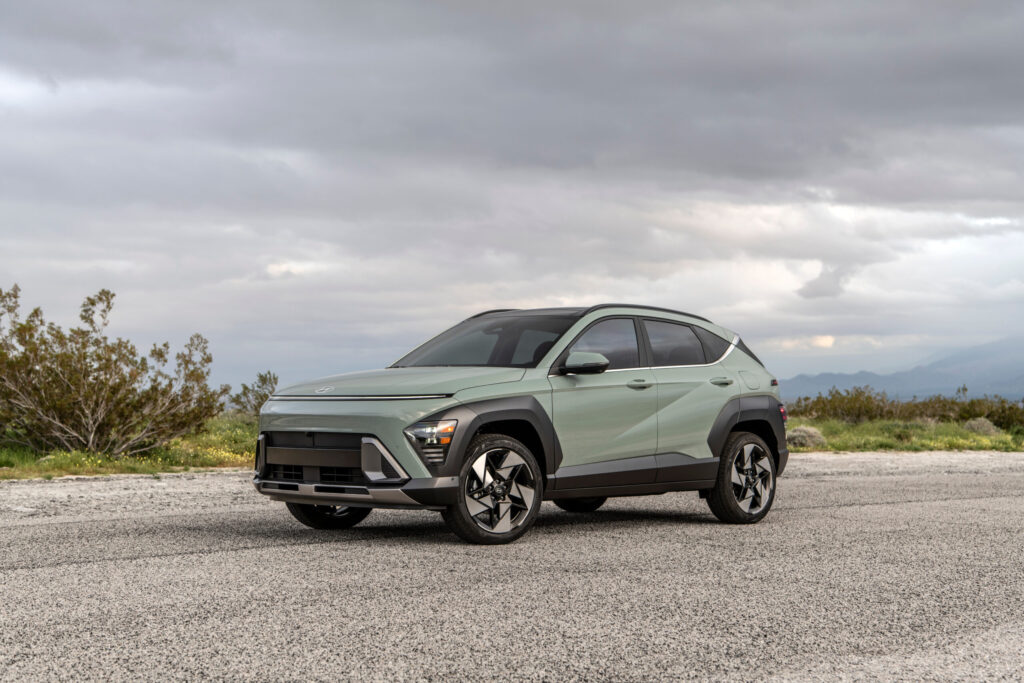
Transmission problems in a Hyundai Kona automatic first call for one distinction: a Kona with dual clutch genuinely changes gear, while the electric Kona has a fixed reduction gearbox. Jerking when pulling away, hesitation in the Kona Hybrid and contaminated oil from a reduction gearbox therefore have different causes and solutions. With the right checks, you can avoid a workshop working on the wrong component.
Which automatic gearbox does your Hyundai Kona have?
In the Kona, the term ‘automatic’ refers to several powertrains. In earlier 1.6 T-GDi versions, you will find a seven-speed dual-clutch transmission, often referred to as 7DCT. The Kona Hybrid uses a six-speed dual-clutch transmission. The Kona Electric does not have a transmission that shifts between gears, but a reduction gearbox with a fixed ratio.
That difference determines where you should look. If in doubt, check the vehicle documentation and have the version verified using the vehicle identification number. On the page about Hyundai Kona problems you will find more points to look out for on this model. Before any diagnosis, at the very least note the engine, year of manufacture, mileage and drivetrain.
Hyundai Kona automatic jerks when changing gear: what is the cause?
A dual-clutch transmission behaves differently at low speed from a torque-converter automatic. The clutches engage mechanically when you pull away. As a result, you may feel a transition when manoeuvring slowly. However, repeated vibration, harsh jolts or a clearly rising engine speed without a corresponding increase in speed do require investigation.
The circumstances often provide the first clue. A complaint that occurs mainly after stop-start traffic or on a slope may be linked to clutch load. Jerking when selecting drive or reverse may have another cause. A readable fault code or transmission warning helps the workshop investigate the complaint more precisely.
During a test drive, pay attention to these differences:
- Vibration when pulling away: have the clutch engagement and adaptation values checked.
- Engine speed rises without acceleration: have the clutch slip investigated.
- Delayed response to the accelerator: note the speed, gear and engine temperature.
- Sudden loss of drive: stop the car safely and have it towed away.
Do not rely on reading just the engine control unit. The workshop should also check stored transmission faults, the software version and relevant live data. An update or re-learning the clutches may help with a control issue, but it will not fix a worn clutch. So ask for the measured cause on the job sheet, not just the action carried out.

Problems with the Hyundai Kona Hybrid DCT
In the Hyundai Kona Hybrid, a hesitation deserves extra careful diagnosis. The six-speed DCT shifts with clutches. The interaction between the petrol engine and electric motor also affects what you feel. So a jolt during acceleration does not automatically point to a damaged gearbox. Have it established whether the complaint coincides with a shift, clutch engagement or a change in the drivetrain.
The best way to do that is with a repeatable test drive. For example, describe whether the Hybrid hesitates when pulling away gently from a standstill, when getting back on the throttle after slowing down, or while holding a steady speed. Note whether the complaint occurs when the drivetrain is cold or only after a longer drive. With that information, a specialist can compare live data with the moment you feel the jolt.
Do not keep driving if the Kona is clearly slipping, seems to drop into neutral or shows a transmission warning. Continuing to test it can make the fault worse. After the repair, ask for a test drive under the same conditions in which the complaint began. Smooth shifting on a short drive around the workshop is not always enough.
When should you change the oil in the Kona Electric reduction gearbox?
The Kona Electric’s reduction gearbox requires a different approach from a DCT. It has no clutches that change gears. So a jolt when applying power or regenerative braking cannot be explained as a failed gear change. If you have such complaints, also have the mountings, driveshafts and play in the drivetrain checked.
If noticeably contaminated oil comes out of the reduction gearbox after only a few thousand kilometres, ask for more than just new oil: have the cause of the contamination investigated as well. Ask the workshop to record how much oil was drained and what was visible in it. Coarse metal particles call for investigation into wear of gears or bearings. Further inspection is also wise if there is a hum or whining noise that changes with road speed.
There is no responsible change interval that applies to every Kona Electric. According to Hyundai’s service information, you should follow the schedule for the specific version. So check the prescribed interval and fluid specification using the vehicle identification number. Do not use DCT oil as a substitute for reduction gearbox oil.
If in doubt, have these points checked in writing:
- The service requirements for your year and version.
- The oil level and any signs of leakage.
- The condition of the drained oil and any metal particles present.
- A speed-related hum or whining noise and noticeable play when applying and lifting off the throttle during a test drive.
‘ “A precise description of the complaint saves a lot of searching.” ’
How to prepare a focused diagnosis
A precise description of the complaint saves a lot of searching. Note the speed, throttle position, drivetrain temperature and whether you were driving forwards or in reverse. If possible, record the noise or rev counter, without operating a phone yourself while driving. Do not clear fault codes before the workshop appointment.
Also check the service history and ask a Hyundai dealer or specialist whether there are any outstanding actions for your vehicle identification number. For a used Kona, a test drive with both a cold and warm drivetrain is essential. Test pulling away gently, reversing and accelerating from low speed. That is exactly where DCT-related complaints often become noticeable.
The right solution starts with identifying the drivetrain and recording the complaint. On Carnews you will find more about related Hyundai problems, maintenance and pre-purchase checks. Find out which points matter for your Kona.
Frequently asked questions
In the particularly problematic 7-speed DCT, the main causes are worn or overheated dry clutches, faulty actuators and internal mechanical damage. Incorrect adaptation values, outdated software or a defective transmission control module can also cause jerking, slipping and failure. In addition, poor wiring or earth connections can cause the transmission to drop unexpectedly into neutral or limp mode; in AWD models, the differential, driveshafts, tyre differences or the four-wheel-drive coupling may also be the cause.
The 7-speed DCT with double dry clutch (7DCT), especially in earlier Hyundai Kona 1.6 T-GDi models, shows the most mechanical faults. Frequently mentioned problems are slipping or worn clutches, jerking, vibration and complete loss of drive. The 8-speed wet DCT in the Kona N also has complaints, but is mentioned less often as a problem gearbox.
The reliability of the Kona gearbox depends heavily on the version. The earlier 7-speed DCT in particular has relatively many reports of jerking, slipping and sometimes failure, making it a riskier choice than conventional automatics and many CVTs in this segment. The 6-speed automatic, later IVT and the reduction gearbox in the electric Kona have a more favourable complaint profile. For a used Kona, the transmission type, service history and a warm test drive are therefore decisive.
No specific software versions or update codes are mentioned that permanently solve the shifting problems. An update of the transmission control module (TCM), followed by re-learning the clutches, may improve matters, but offers no guarantee; if there is mechanical wear or a defect, repair or replacement is needed.
In sporty versions such as the Kona N, overheating can show itself as jerky shifting, rev fluctuations, a difficult transition out of second gear and unsettled behaviour after slowing down. Transmission warnings or limp mode may also occur.