
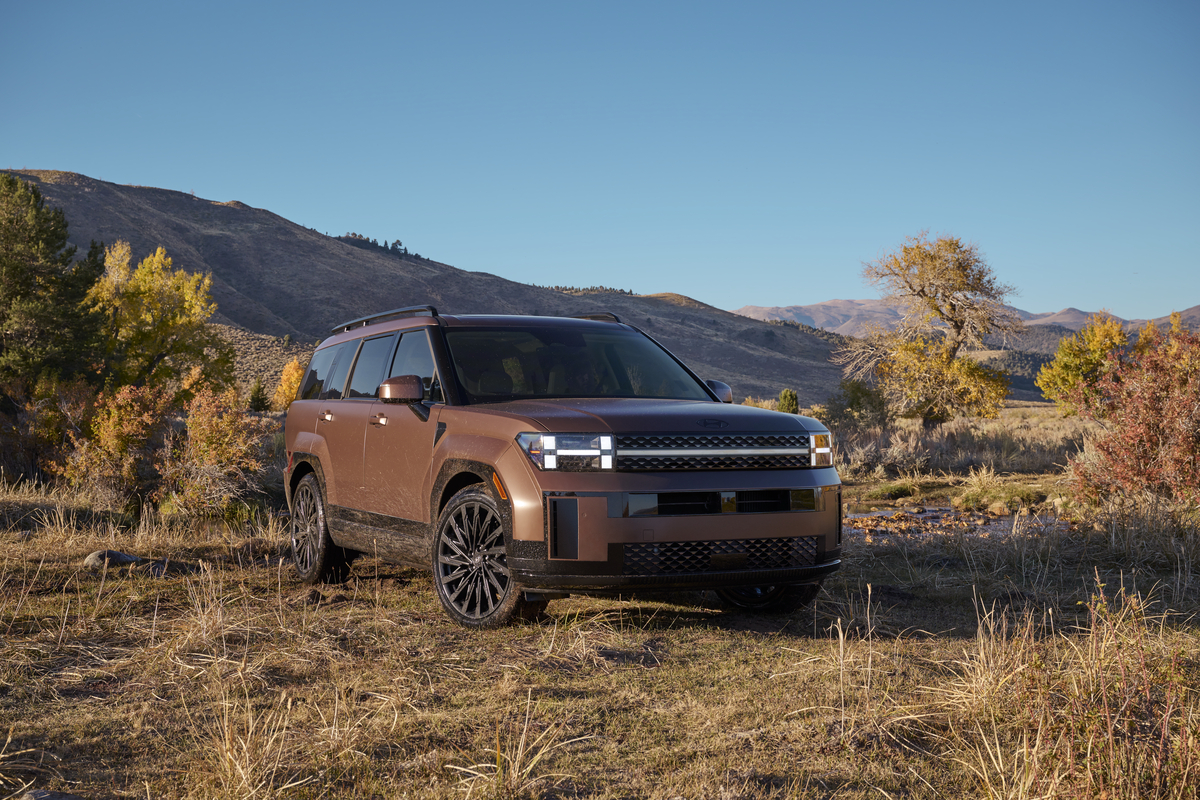
Hyundai Santa Fe: problems and reliability
The Hyundai Santa Fe is a popular SUV that generally scores well for reliability, but certain model years suffer from serious technical issues. In particular, the 2008, 2012, 2013 and 2017 models show weaknesses that you need to be aware of as an owner or potential buyer. From engine failures to transmission hesitation and faulty sensors: the Santa Fe has weak spots that vary by generation. Do you want to know what to look out for and how to avoid costly surprises?
A versatile SUV with a mixed reputation
Since its introduction, the Hyundai Santa Fe has developed into a highly sought-after mid-size SUV for families and car enthusiasts. The model combines practical space with modern technology and an affordable price tag. However, generations differ greatly in quality. While newer model years such as 2018 and later achieve high satisfaction scores, older versions suffer from recurring technical complaints. For a broader picture of Hyundai car problems you can find more background information about the brand.
‘ These figures suggest an overall reliable package, but they do not tell the whole story. ’
Reliability in figures and owner experiences
RepairPal gives the Santa Fe a score of 4.0 out of 5.0, which is above average for an SUV. J.D. Power rates many generations at 85 to 87 out of 100 points. These figures suggest an overall reliable package, but they do not tell the whole story. Owners of problem years report engine failures at unexpected moments, transmissions that hesitate during overtaking manoeuvres and electronics that struggle with stable communication. As a result, the experience varies greatly by model year and version. Plug-in hybrid models score best for durability, while certain turbo engines prove more vulnerable.


Engine failures that can leave you stranded on the motorway
The most serious complaints about the Santa Fe concern engine problems in the 2012, 2013, 2007 and 2008 model years. Owners report sudden stalling while driving, often around 80,000 to 100,000 miles. The engine shuts down without warning at high speed, creating dangerous situations. Common causes include oil leaks, high oil consumption and failing internal components such as pistons and bearings. In severe cases, complete engine replacement is required, with costs that can rise to €3,700 to €5,000 or more. Therefore, check the oil level regularly and have any unusual noises investigated immediately by a specialist.
Transmission problems that affect safety
The 2017 and 2016 model years stand out for complaints about the automatic transmission. Owners report hesitation when shifting, especially after cornering or during sudden acceleration. The problem worsens in ECO mode and under cruise control, where the car shifts jerkily or responds slowly to throttle input. This creates dangerous situations when overtaking or merging into fast traffic. Some owners report that an ECU reset or software update provides temporary relief, but the problem can return. During a test drive, have the transmission thoroughly tested, including in different driving modes and at low speeds out of bends.
‘ Fuel gauges display unreliable information due to faulty sensors. ’
Electrical faults and sensor problems
The Santa Fe suffers from various electrical defects that affect the driving experience. The crankshaft position sensor regularly fails and can lead to starting problems or sudden engine stalling. Fuel gauges display unreliable information due to faulty sensors, increasing the risk of unexpectedly running out of fuel. The check engine light comes on without an obvious reason, causing unnecessary concern. More recent models from 2020 have issues with the e-call system and forward collision avoidance failures. These require software updates via the dealer. Wiring looms can show wear, causing intermittent faults in various systems. Multimedia systems sometimes respond slowly or cut out, especially in older models. Before purchase, check that all electrical functions work reliably and have diagnostic scans carried out.

Chassis and suspension under pressure
The Santa Fe’s chassis shows normal wear, but certain model years suffer from accelerated problems. Shock absorbers and springs lose their damping ability more quickly, leading to a harsh ride and unsettled behaviour over uneven surfaces. Control arms and bushes show cracks or splits, especially in models that frequently drive on poor roads. Owners report creaking noises when steering or driving over bumps. The steering system can develop play, affecting precision and driving comfort. When buying used, inspect the rubber parts carefully for cracks and ask about any suspension maintenance. Replacing shock absorbers and bushes can cost from a few hundred to well over a thousand euros, depending on the number of parts.
Braking and steering systems that need attention
Juddering brakes are a recurring complaint with the Santa Fe, usually caused by warped brake discs. This occurs after heavy braking or prolonged load, such as mountain driving or towing a trailer. Brake pads and discs wear faster than expected on certain models, leading to higher maintenance costs. Power steering can cause problems due to leaking pumps or failing electric assistance. This results in a heavier steering feel or inconsistent resistance when steering. During a test drive, check the brakes for juddering, noises or uneven performance. Have the brake fluid replaced regularly and inspect the discs for distortion.
‘ generations from 2018 onwards show improved material quality and fewer complaints. ’
Interior and bodywork: quality differences by year
The quality of the Santa Fe’s interior varies. Older models have rattling panels, especially around the dashboard and centre console. Upholstery can wear faster than expected, particularly on the driver’s seat and armrests. Speakers in certain model years suffer from distortion or fail completely, requiring investment in replacements. Rust is limited but can occur around wheel arches and sills, especially in models driven in areas where road salt is used. Carefully check for damp spots in the boot and under floor mats, which may indicate leaks. Newer generations from 2018 onwards show improved material quality and fewer complaints about interior finish.
Recognising specific problems by generation
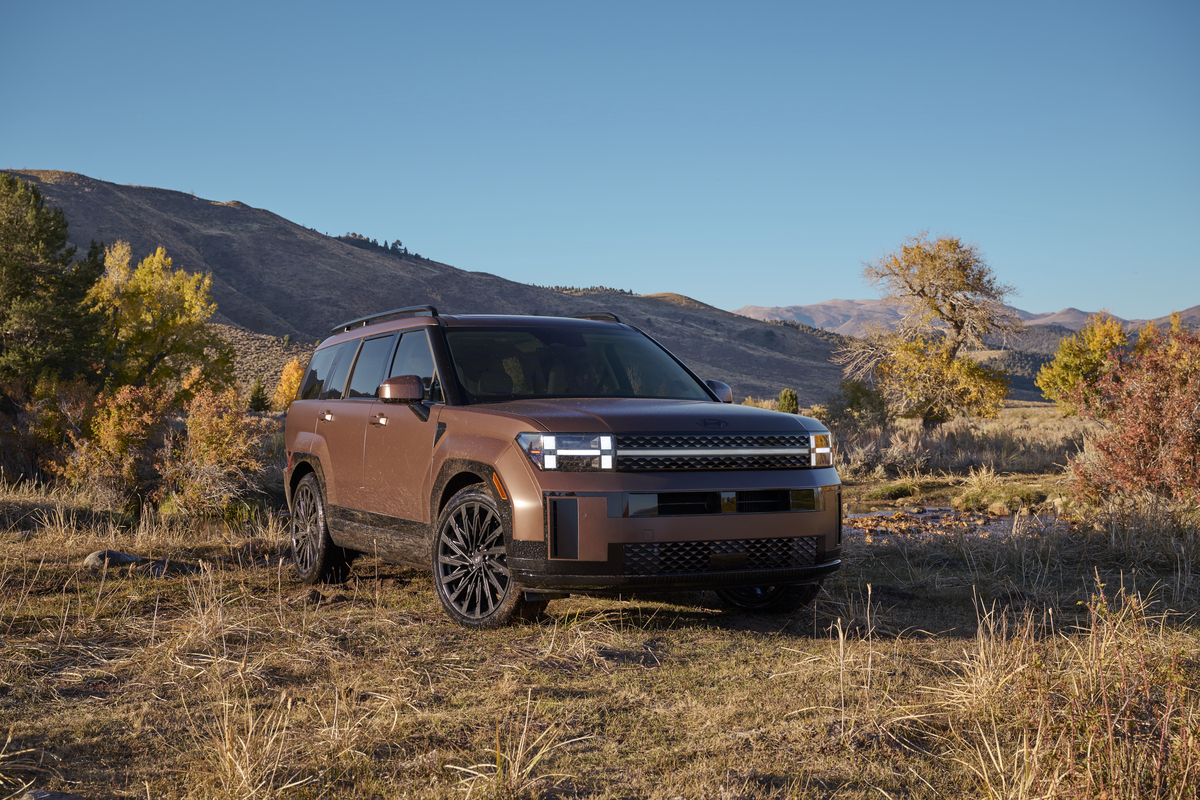
The first-generation Santa Fe (2001–2006) suffers from oil leaks and early transmission wear. The second generation (2007–2012) struggles with engine failures, especially the 2007 and 2008 models. The year 2012 stands out as the most problematic: severe engine failures, oil leaks and high repair costs place it at the bottom of the reliability rankings. The third generation (2013–2018) shows transmission problems in the 2016 and 2017 models, with hesitation and jerky shifting. The 2013 model year has engine and transmission issues that occur less often than in 2012, but are still present. The fourth generation (2019–present) performs better, particularly the plug-in hybrid versions. There are, however, complaints about lower fuel efficiency than promised: owners achieve an average of 26.6 mpg instead of the stated 34 mpg. The 8-speed dual-clutch transmission with 2.5L turbo shows unpredictable issues on some models.
Warning signs that point to emerging problems
Watch out for these warning signs to spot problems early:
- Engine noises that differ from normal, such as ticking, knocking or droning sounds when accelerating
- Hesitation or jerks when shifting, especially when pulling away or accelerating
- Check engine light coming on without an immediately visible cause
- Oil level dropping faster than expected between services
- Unreliable fuel gauge readings that suddenly jump or remain stuck
- Creaking or rattling noises from the suspension when steering or driving over bumps
- Vibrations in the steering wheel or brake pedal when braking
- Slow-responding or failing multimedia displays and electronics
Do not ignore these signals. A diagnosis by a specialist can prevent more serious damage and higher costs.
‘ Software updates for engine and transmission management can reduce shifting problems. ’
Prevention and solutions that work
Regular maintenance is the foundation of reliability. Replace engine oil and filters according to the prescribed schedule, or earlier under heavy use. Check crankshaft and fuel sensors during services and replace them if there is any doubt. Have the transmission oil changed in line with factory recommendations, even if this is not listed as mandatory maintenance. Software updates for engine and transmission management can reduce shifting problems. Have any outstanding recalls carried out immediately, especially those for towbar wiring and e-call systems. Inspect the suspension annually for wear and replace bushes in good time to prevent further damage. When buying a used model, a complete service history is important: models from problem years without recorded maintenance are a risk.
What repairs cost and where to go
Engine replacement is the most expensive repair and can reach €3,700 to €5,000 or more, depending on the engine and labour costs. Transmission repairs range from a few hundred euros for software updates to €2,000 or more for internal overhauls. Sensor replacement usually costs between €100 and €300 including labour. Maintenance on shock absorbers and suspension parts costs between €500 and €1,500, depending on the number of components. Replacing brake discs and pads costs on average €300 to €600 per axle. Dealer visits under warranty generally run smoothly, but waiting times for parts can be long. Independent garages often offer lower labour rates and can be a good choice for routine maintenance. Consider extended warranty when buying models from problem years or with high mileage.
What to look out for when buying used
Avoid the 2012, 2013, 2017 and 2008 model years unless a full service history and recent inspection are available. Prefer models from 2018 onwards, which perform more reliably and may still have remaining warranty. Test the transmission thoroughly during the test drive: accelerate out of bends, switch between driving modes and watch for hesitation or jerks. Inspect the engine bay for signs of oil leaks around gaskets and seals. Ask about completed recalls and verify them via the dealer using the VIN. Have a diagnostic scan carried out to identify stored fault codes, even if the check engine light is not on. Inspect the suspension for rust, damage and worn bushes. Test all electrical systems, including multimedia, sensors and lighting. High-mileage models from problem years without maintenance history are a risk best avoided. Plug-in hybrid versions offer the best reliability within the range.
‘ Choose carefully, test thoroughly and check the maintenance history before you go ahead with the purchase. ’
An SUV with potential and points to watch
The Hyundai Santa Fe is a practical SUV that achieves good reliability scores, but not all model years perform equally well. Engine failures in 2012 and 2013, transmission problems in 2016 and 2017, and electrical faults in various years call for careful selection and attention. With regular maintenance, timely sensor checks and by avoiding problem years, you can reduce many of the risks. Newer generations from 2018 onwards offer better quality and fewer complaints. Choose carefully, test thoroughly and check the maintenance history before you go ahead with the purchase.