Car problems with Kia and common complaints per model – and what you can do about them
Car problems with Kia show a mixed picture: while the brand excels in warranty and basic reliability, modern electronics and complex transmissions are increasingly causing unexpected issues. This article maps out the most common problems per model so you know exactly what to look out for and how to avoid expensive repairs. Read on and discover whether Kia’s reputation matches reality.
Kia and reliability: how does the brand really score?
Over the past decades Kia has undergone a huge transformation. From a budget brand it has grown into a manufacturer competing with established European and Japanese makes. The rock-solid seven-year factory warranty underlines the confidence in their own products and has greatly boosted the brand image. In many reliability surveys Kia therefore scores above average. However, the picture is not spotless. The increasing complexity of modern cars, with advanced driver assistance systems (ADAS, or Advanced Driver Assistance Systems that support the driver while driving), dual-clutch transmissions (DCT, an automatic gearbox with two clutches for faster shifting) and hybrid or fully electric powertrains, introduces new types of faults that did not exist in the past. Whereas older models mainly suffered from mechanical wear, we now see more complaints about software, sensors and complex drivetrain components.
‘ These systems can give false warnings or even intervene unexpectedly (phantom braking), which can create unsafe situations. ’
Recurring Kia problems: what often occurs across the brand?
Despite the wide variety of models, there are several categories of problems that crop up in multiple Kias. Recognising these patterns helps you stay alert, no matter which model you have your eye on.
- Automatic and DCT transmission: A frequently heard complaint is restless or jerky gear changes, especially with DCT automatics. Drivers experience a slow response when pulling away or accelerating, which can feel uncomfortable and sometimes unsafe.
- Software and display issues: Infotainment systems that freeze, restart spontaneously or whose screen goes black are a known phenomenon. Instrument clusters can also misbehave, causing important information to disappear temporarily.
- Fault messages from driver assistance systems: Modern Kias are packed with sensors and cameras for systems such as cruise control, lane-keeping assistance and emergency braking functions. These systems can give false warnings or even intervene unexpectedly (phantom braking), which can create unsafe situations.
- Engine issues: Although the basic engines are generally reliable, problems with oil consumption and the timing chain occur in specific engine types. This can lead to high repair costs if not detected in time.
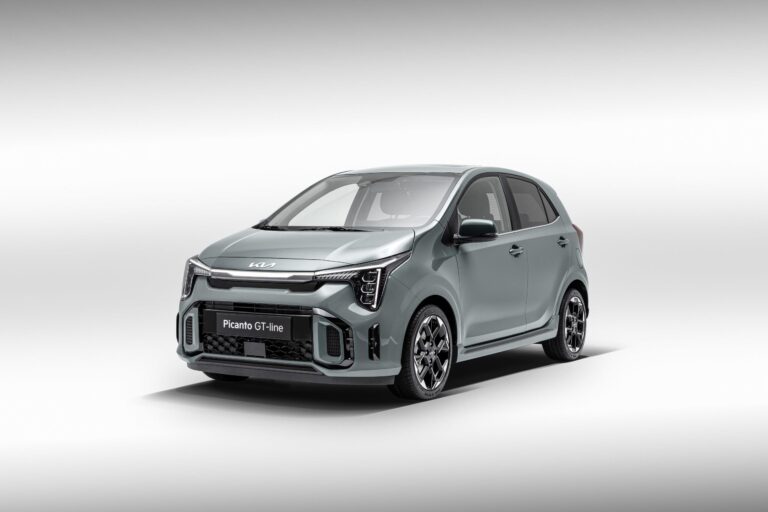
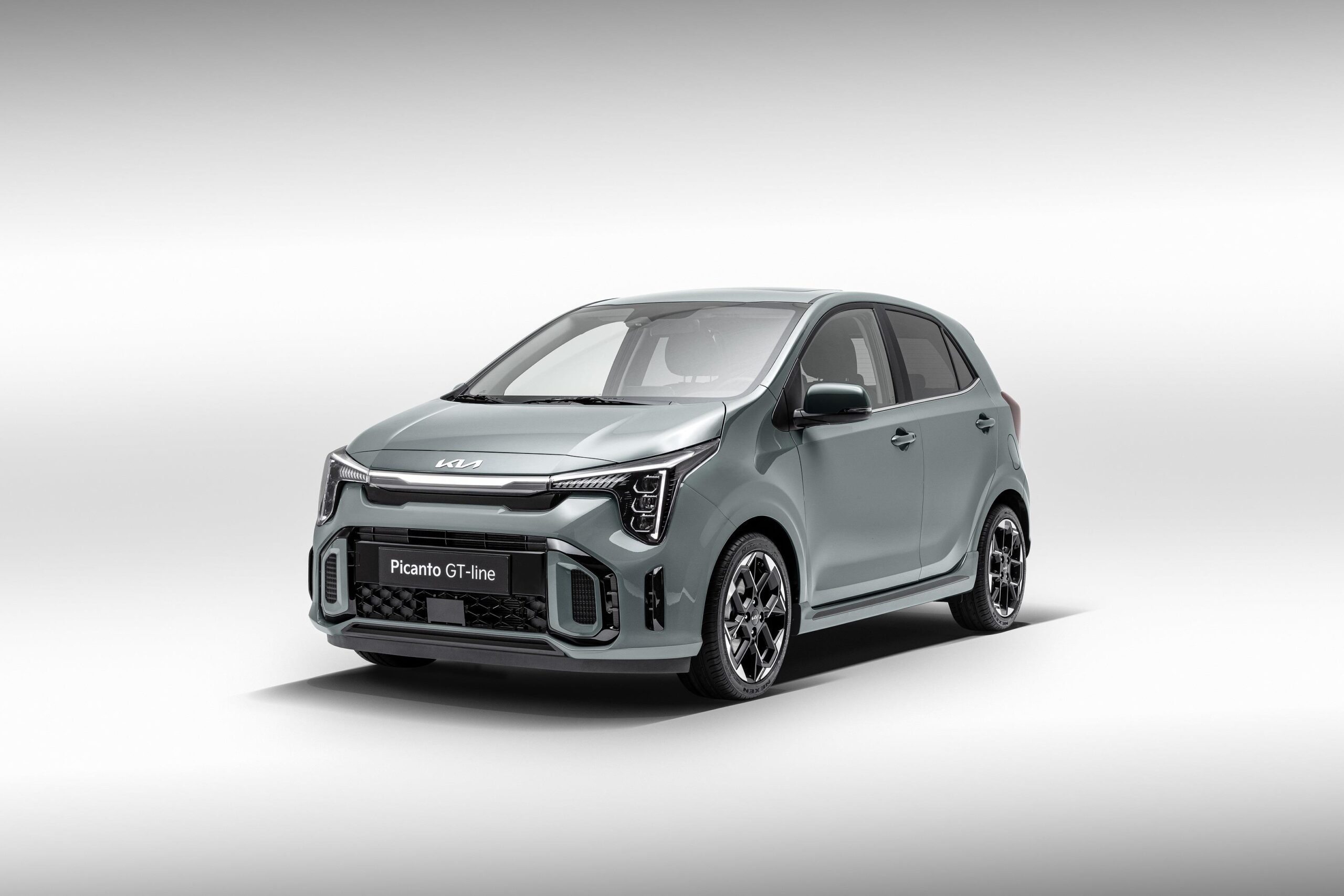
Kia Picanto and typical city car problems
The compact Kia Picanto is hugely popular for city driving, but this brings specific wear issues with it.
- Wear on clutch and brakes: Frequent pulling away, braking and shifting in town leads to accelerated wear of the clutch (on manual versions) and the brake pads and discs.
- Engine noises or oil consumption: At higher mileages the small petrol engines can start to use more oil or develop a ticking noise. Checking the oil level regularly is essential.
- Electrical faults: Minor electrical annoyances, such as problems with the central locking, lighting or multimedia system, occur relatively often.
During a test drive, pay attention to a smoothly engaging clutch and check whether all electronics work properly. A pre-purchase inspection can reveal hidden wear.
Read more: Kia Picanto
Kia Rio as a compact car that is not always carefree
The Kia Rio shares much of its technology with other models and therefore also some well-known problems.
- Transmission problems: Both the manual gearbox and the automatic can sometimes feel notchy or rough. During the test drive, listen for unusual noises when shifting.
- Suspension and steering: Noises (clunking or creaking) when driving over speed bumps can point to play or wear in the suspension, such as wishbone bushes or anti-roll bar links.
- Rust or paint issues: Especially on older model years it is wise to check the body thoroughly for early signs of rust, particularly around the wheel arches and sills.
Problems with the suspension are often relatively easy to solve, but a malfunctioning transmission can lead to an expensive repair.
Read more: Kia Rio
‘ The Ceed’s infotainment system is a well-known point of concern. ’
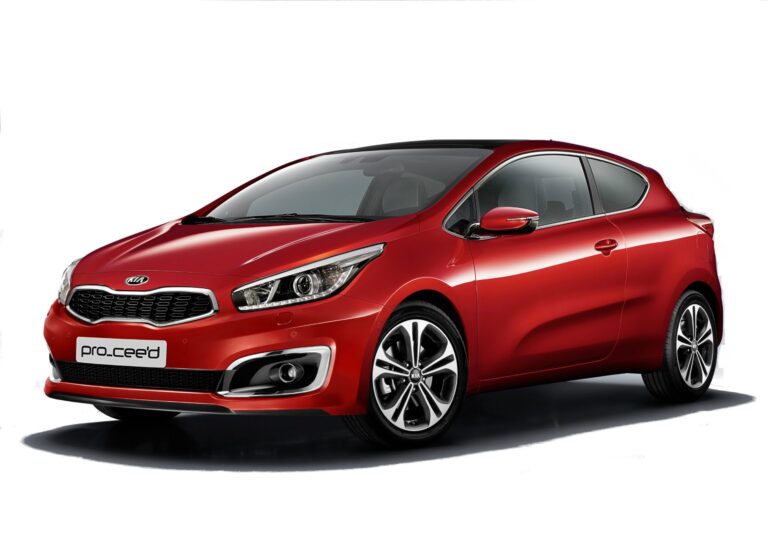
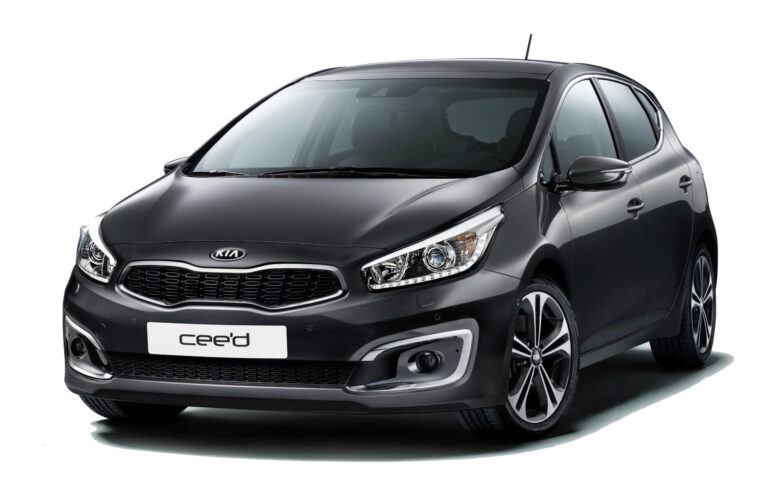
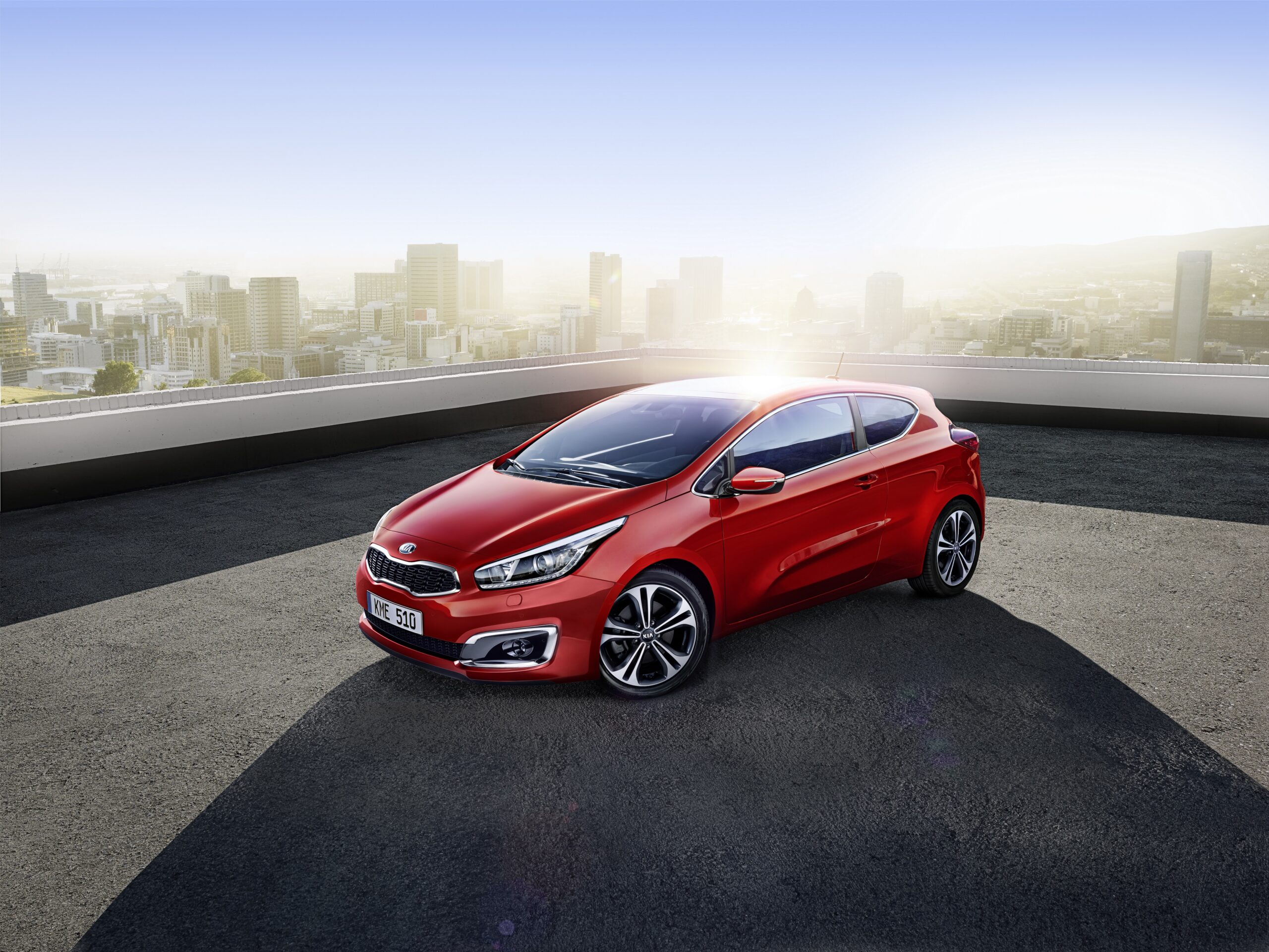
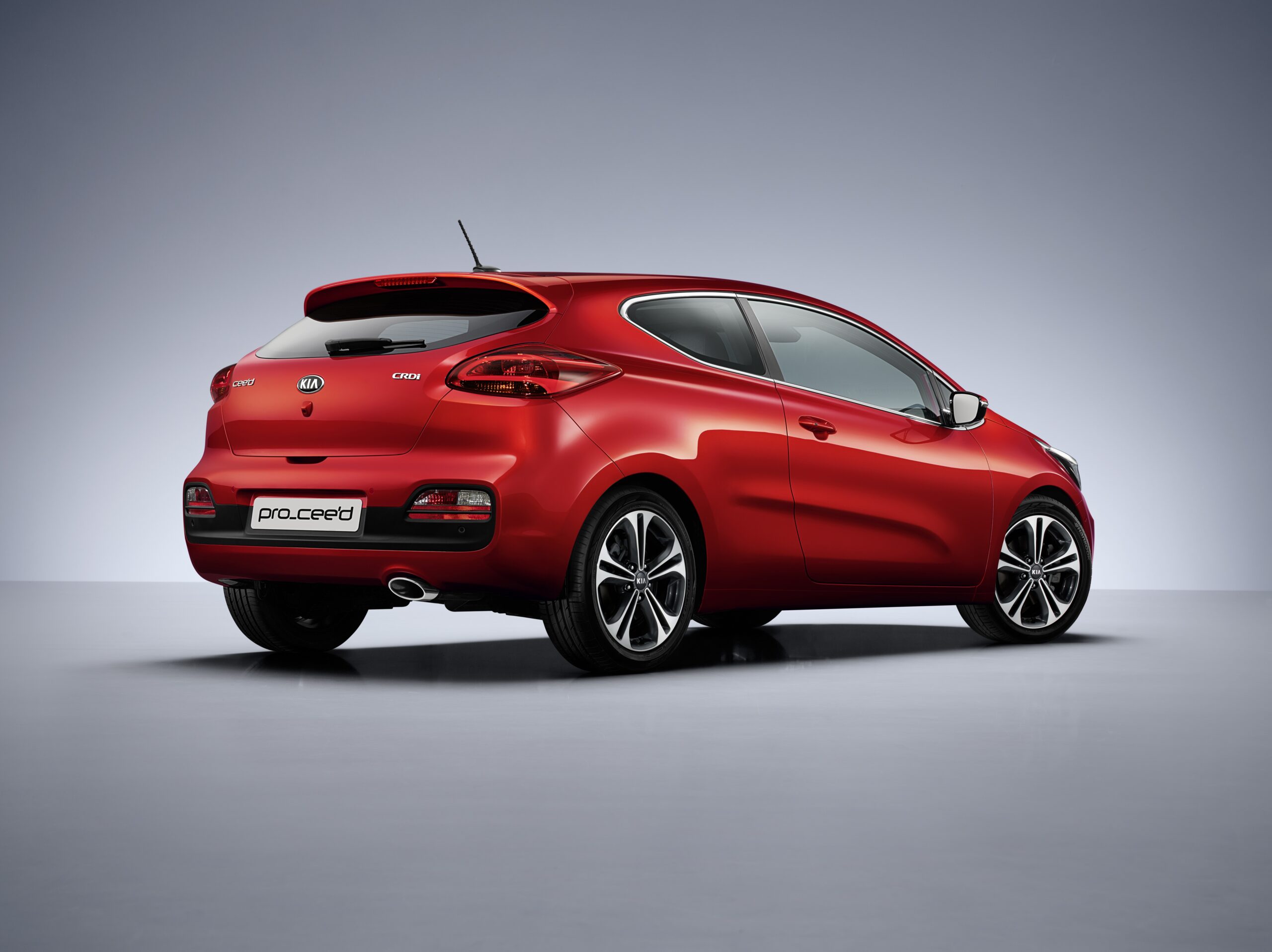
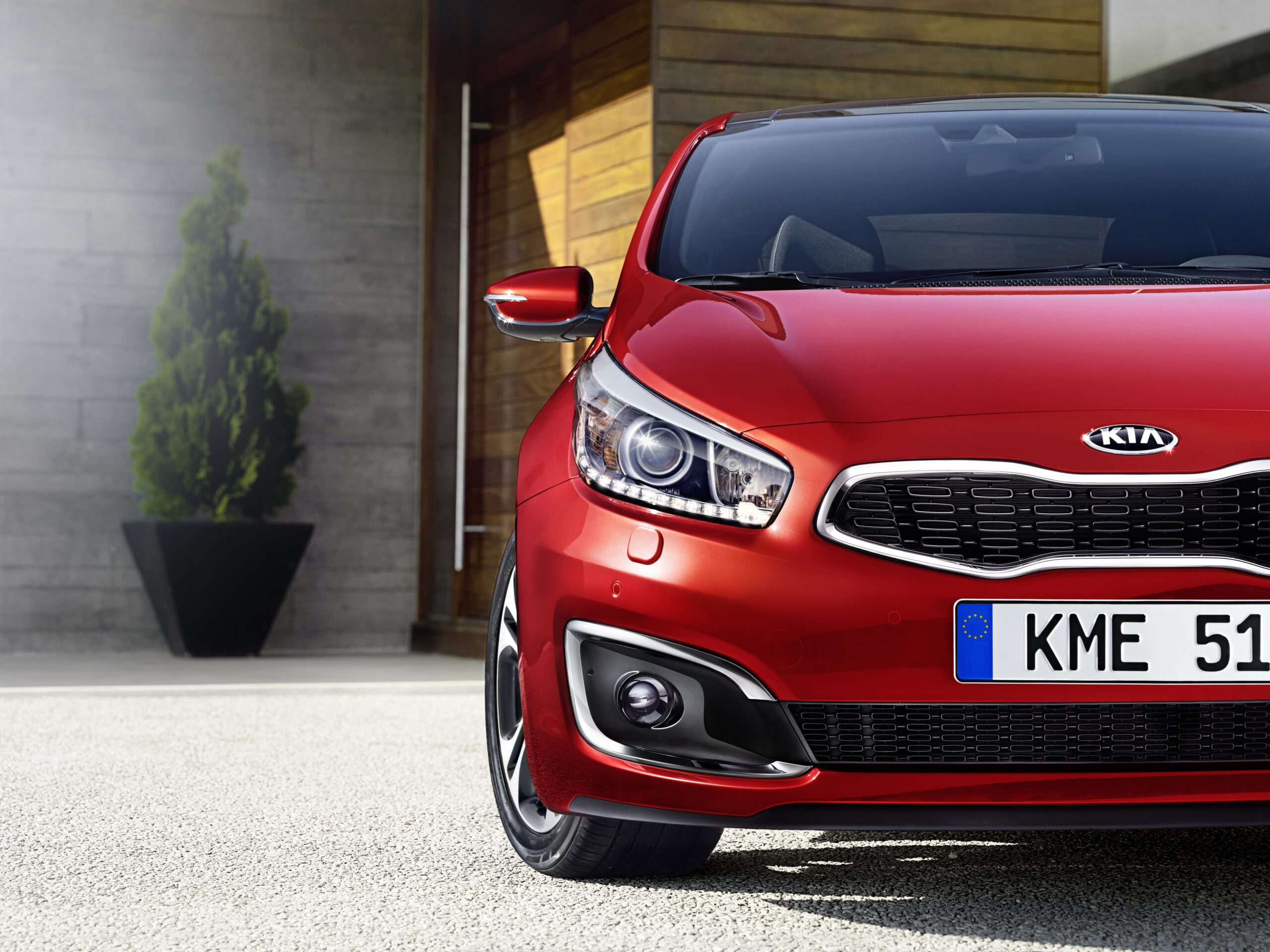
Kia Ceed as a popular hatchback with modern technology
The Kia Ceed is a direct rival to the Volkswagen Golf and is packed with modern technology, which also brings specific points to watch.
- Turbo or direct injection engines: The GDI engines (Gasoline Direct Injection, where petrol is injected directly into the combustion chamber for better efficiency) are sensitive to internal contamination (carbon build-up) on the intake valves, which can lead to reduced performance and an irregular engine idle.
- Electronics: The Ceed’s infotainment system is a well-known point of concern. It can freeze or restart spontaneously. Often a software update solves the problem.
- Differences between estate and hatchback: The estate (Sportswagon, the estate version of the Ceed) is often used more heavily, which can cause the rear shock absorbers and springs to wear faster.
Stick to the prescribed service intervals and use high-quality fuel to prevent engine problems.
Read more: Kia Ceed
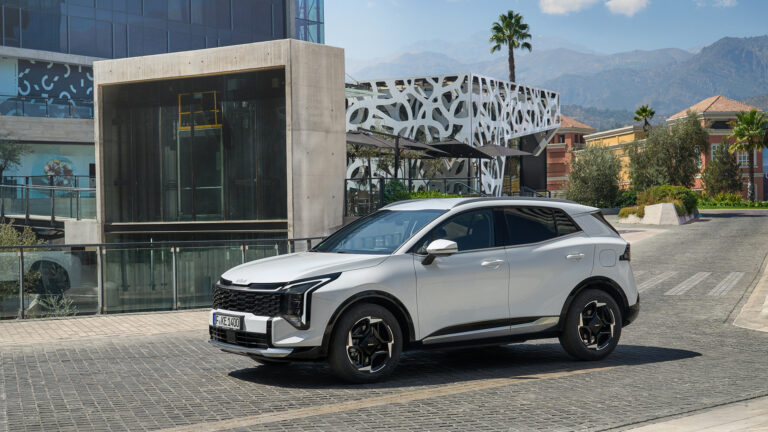
Kia Sportage as an SUV with transmission and ADAS debate
The popular Sportage is a comfortable SUV, but two aspects stand out in user experiences.
- 8-speed automatic: This automatic tends to keep the engine at very low revs to save fuel. This can feel like the engine is ‘labouring’ and causes a slow response when you want to accelerate suddenly, for instance when overtaking.
- Driver assistance systems: The forward collision warning system is sometimes overactive and gives false warnings. In rare cases this can lead to phantom braking.
Software updates from the dealer can significantly improve the behaviour of the automatic gearbox and the driver assistance systems. During a test drive, try the different drive modes to see which suits you best.
Read more: Kia Sportage
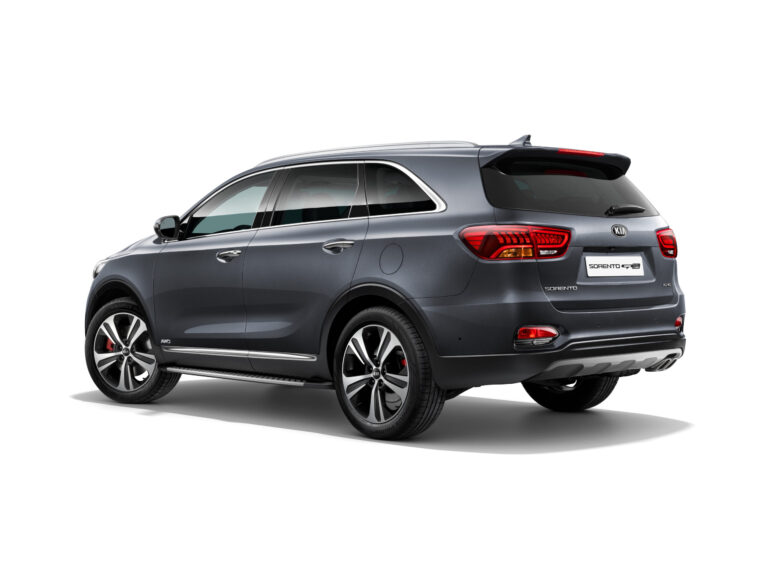
Kia Sorento as a large SUV with DCT and hybrid problems
The large and luxurious Kia Sorento has some serious issues, particularly on versions with a dual-clutch transmission.
- DCT transmission: There have been cases of a faulty electric oil pump in the DCT, which can cause a complete loss of power while driving. This is a dangerous and expensive problem.
- Hybrid models: The hybrid powertrain can sometimes stumble or feel jerky, especially when switching between the electric motor and the petrol engine. This can indicate software problems.
- Recalls: There have been several service campaigns and recalls for the Sorento. Always check whether these have been carried out.
Take symptoms such as loss of power, jerky transitions or warning lights on the dashboard extremely seriously and do not keep driving.
Read more: Kia Sorento
‘ A used Soul with this engine is a risk, unless there is a clear maintenance history showing that any modifications have been carried out. ’
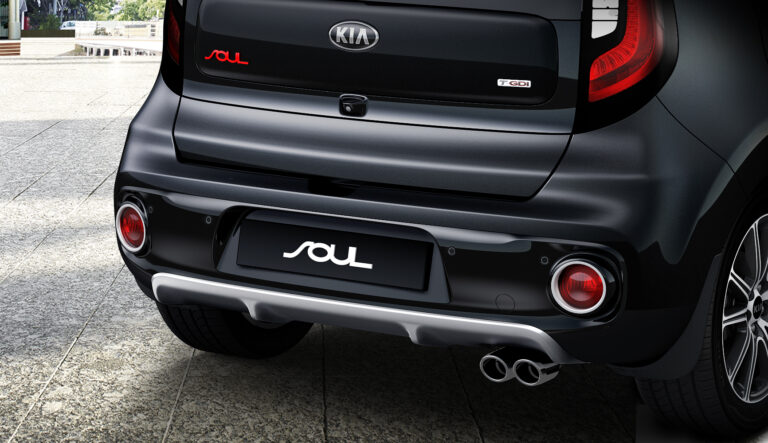
Kia Soul under the microscope for engine problems and oil consumption
The striking Kia Soul, particularly the generation with the 2.0L ‘Nu’ GDI engine, has a poor reputation in terms of engine reliability.
- High oil consumption: Problems with piston rings and cylinder walls can lead to extremely high oil consumption.
- Timing chain tensioners: A failing chain tensioner can cause a rattling noise and ultimately lead to serious engine damage.
- Warning signs: A flashing engine warning light, blue smoke from the exhaust and a rattling noise when starting cold are clear red flags.
Checking the oil level regularly is crucial. A used Soul with this engine is a risk, unless there is a clear maintenance history showing that any modifications have been carried out.
Read more: Kia Soul
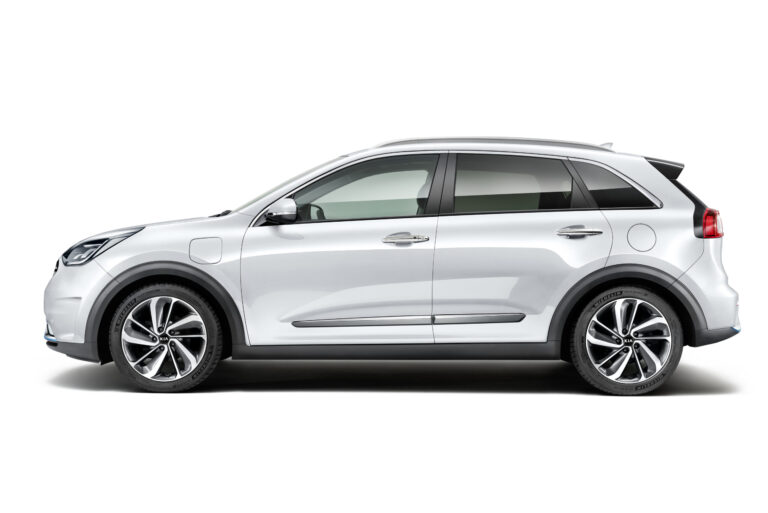
Kia Niro with hybrid and EV-specific faults
As one of Kia’s first popular hybrids and EVs, the Niro has its own unique issues.
- Hybrid systems: Faults in the high-voltage battery system or problems with the charging system can occur. The transition between electric driving and the petrol engine is not always completely smooth.
- Bearings in the drivetrain: A common problem is an audible noise (whining or droning) that indicates worn bearings in the drivetrain/transmission. This is an expensive repair.
- Infotainment and navigation bugs: As with other Kia models, the infotainment system is prone to bugs, which can often be solved with a software update.
Recognising battery-related complaints or unusual noises is important so you can intervene in time.
Read more: Kia Niro
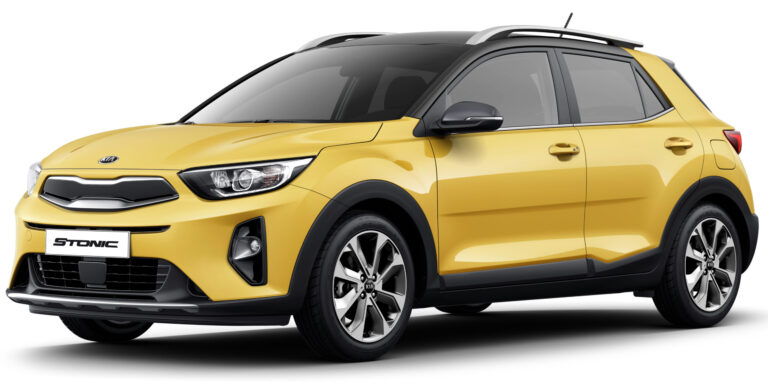
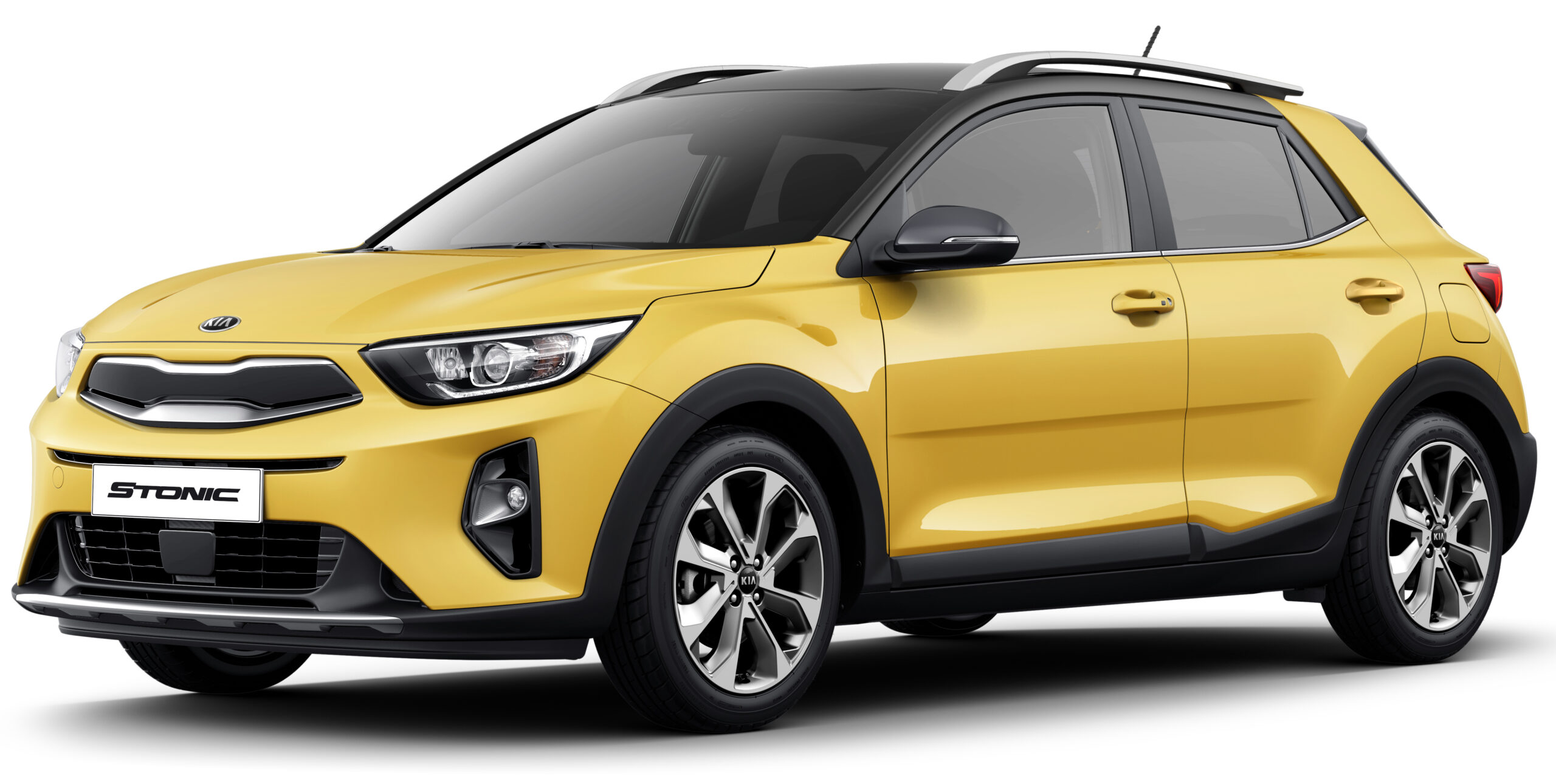
Kia Stonic as a small crossover with known pain points
The compact Stonic shares its platform with the Rio and therefore some of its weak spots, supplemented with its own specific complaints.
- Suspension and damping: The suspension set-up is often experienced as firm. Creaking and clicking noises on poor road surfaces are a common complaint.
- Small petrol engines: The T-GDI turbo engines are sensitive to correct service intervals and good-quality oil. Neglected maintenance can quickly lead to problems.
- Interior issues: As the car gets older, squeaks and rattles can develop in the interior, reflecting the quality of the materials used.
Preventive maintenance and a calm driving style can help extend the life of the components.
Read more: Kia Stonic
‘ The digital instrument cluster can sometimes restart spontaneously while driving, which is disconcerting for the driver. ’
Kia XCeed as a sporty crossover with lots of electronics
The XCeed is essentially a raised, sportier-looking Ceed, and the problems are therefore similar, with a strong emphasis on electronics.
- Electronics and display problems: The digital instrument cluster can sometimes restart spontaneously while driving, which is disconcerting for the driver.
- Sensors for driver assistance systems: Malfunctioning of the blind spot sensor or lane-keeping assist occurs regularly, often caused by contamination or the need for recalibration.
If you have persistent electronic complaints, have the software versions checked by the dealer and insist on the latest updates.
Read more: Kia XCeed

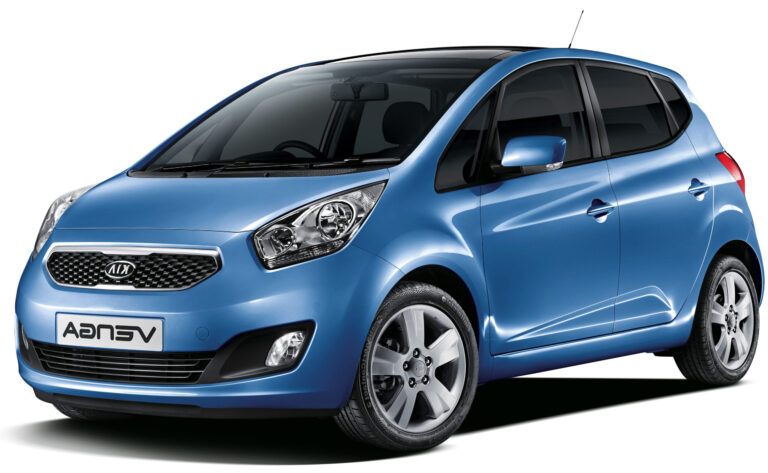
Kia Venga as an older MPV with wear and comfort complaints
The practical Kia Venga is now an older model on the used-car market, with typical wear-related complaints. The Venga is an MPV (Multi Purpose Vehicle, a compact people carrier or small ‘space car’).
- Suspension and damping: Over time the shock absorbers can start to feel ‘soft’, leading to bouncy and less stable handling.
- Steering and front axle: Play in the track rod ends or wishbones occurs more often, which you notice as a less precise steering feel or knocking on poor road surfaces.
- Rust: As an older model, the Venga is more prone to rust, particularly on the underside and around the subframes.
A thorough inspection of the underbody is recommended when buying a used Venga.
Read more: Kia Venga
Kia Carens as a space miracle where you must watch the maintenance
The Kia Carens, as an MPV, has often been used intensively as a family car or towing vehicle, which takes its toll.
- Clutch and automatic gearbox: Due to the higher weight and heavy use, the clutch and automatic transmission wear faster than average.
- Cooling issues: Insufficient maintenance of the cooling system can, under heavy load such as driving in the mountains, lead to overheating.
- Interior mechanisms: The sliding and folding mechanisms of the seats and rear bench can start to stick or break due to intensive use.
Check the service history carefully and pay particular attention during a test drive to how the transmission performs under load.
Read more: Kia Carens
‘ For second-hand buyers, an Optima with a complete maintenance history and a passed pre-purchase inspection is a must. ’
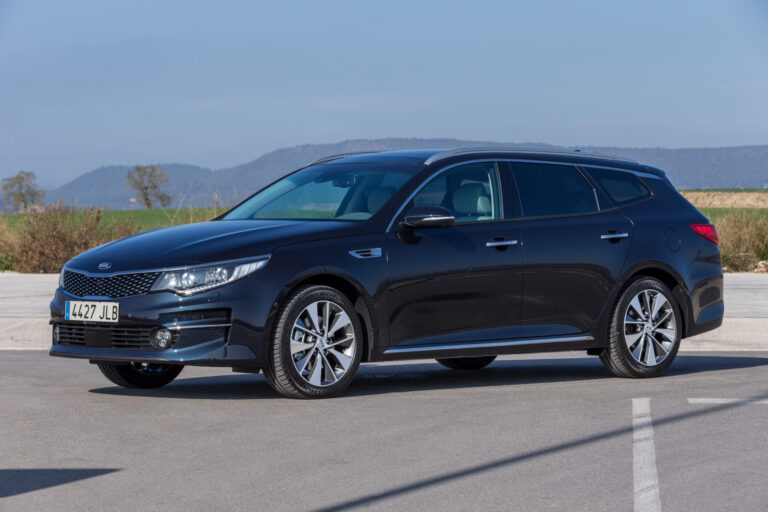
Kia Optima as a comfortable saloon with high-tech risks
The Kia Optima was often a well-equipped company lease car, which means that used examples tend to have high mileage and lots of complex technology on board.
- Automatic transmissions: The automatics, and especially the complex powertrains of the hybrid and plug-in hybrid variants (where you charge the battery via a plug for extra electric range), require specialist maintenance. Faults can be complex and expensive.
- Electronics in luxury versions: Electrically adjustable seats with memory, premium audio systems and extensive driver assistance features are increasingly likely to develop faults as the car gets older.
- Paint and stone chips: Because of frequent motorway use, these cars are prone to stone chips on the bonnet and front bumper.
For second-hand buyers, an Optima with a complete maintenance history and a passed pre-purchase inspection is a must.
Read more: Kia Optima
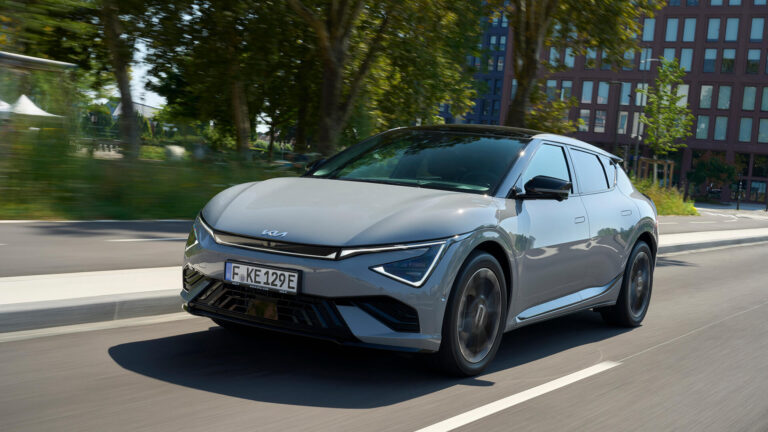
Kia EV6 with teething problems of a modern electric Kia
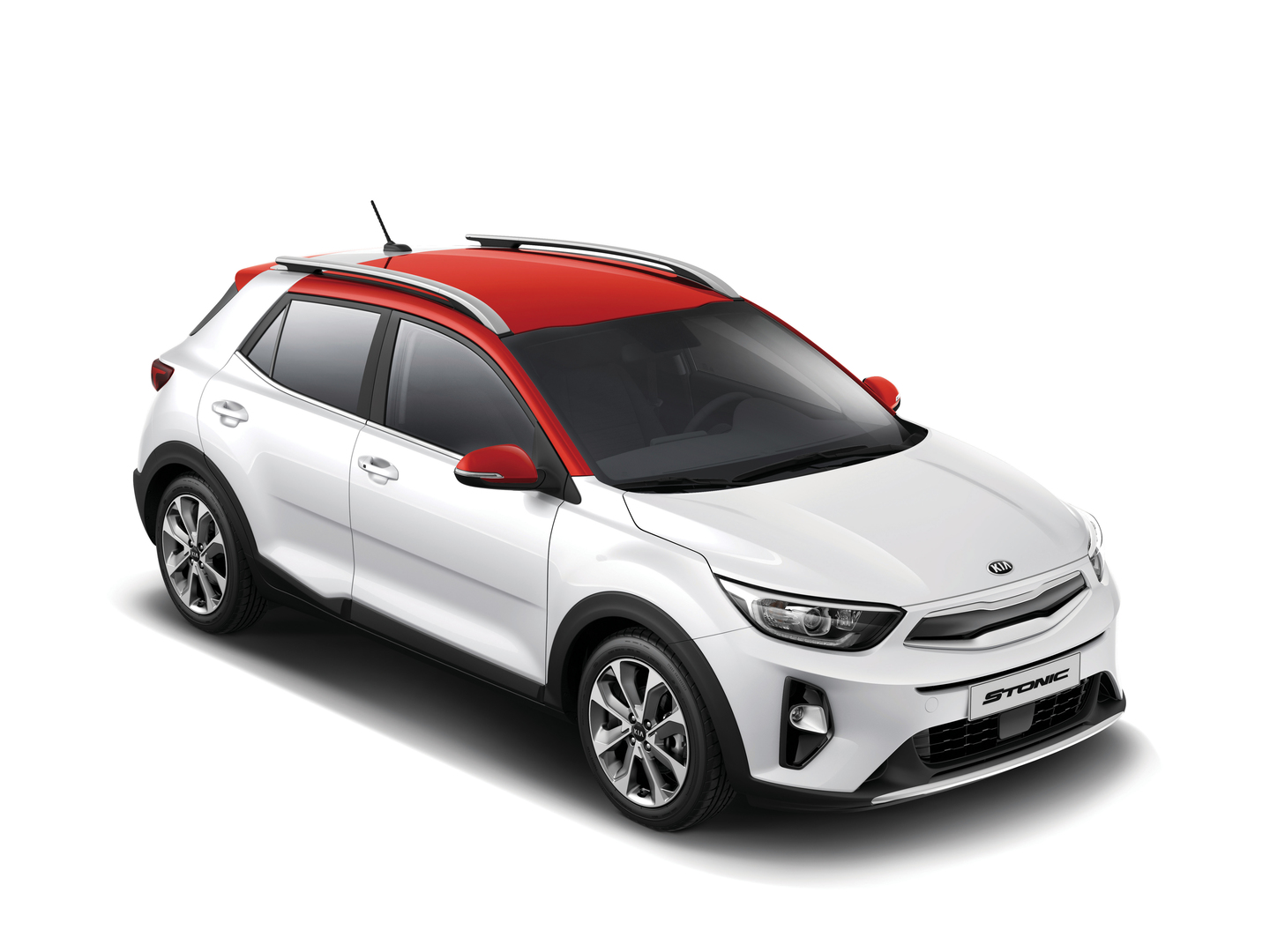
The heavily redesigned Kia EV6 is a technological showpiece, but as an early model it is not free from teething troubles.
- Software issues: The infotainment system and instrument cluster are the biggest source of complaints. Systems that freeze, respond slowly or restart spontaneously are common.
- Charging problems: The EV6 can be sensitive to specific charging stations, where sessions unexpectedly stop or fail to start. This applies to both AC and DC charging.
- Driver assistance systems: The calibration of cameras and sensors is crucial. Even a small deviation can lead to unreliable operation of systems such as adaptive cruise control.
Keep a close eye on Over-The-Air (OTA) updates (wireless software updates carried out remotely) and report persistent charging or software problems to the dealer immediately, especially while the car is still under warranty.
Read more: Kia EV6
Recalls, warranties and how to keep your Kia reliable
A proactive attitude helps you prevent problems and maintain the value of your Kia.
- Check for recalls: Via the RDW website (Rijksdienst voor het Wegverkeer, the Dutch governmental agency responsible for vehicle registration and inspections) or the Kia dealer, you can check, using your registration number or chassis number, whether there are any outstanding recalls for your car.
- Understand the warranty: The seven-year factory warranty is impressive, but it comes with conditions. Certain wear parts and components (such as the 12V battery or the infotainment system) often have a shorter warranty period. Read the policy conditions carefully.
- Maintenance tips:
- Petrol/diesel: Stick strictly to the oil-change intervals, especially with turbocharged engines.
- Hybrid: In addition to regular servicing, have the hybrid system checked regularly.
- EV: Maintenance is simpler, but inspection of the brakes (which are used less and can seize up) and the high-voltage battery remains important.
- When to see a specialist? You can sometimes solve minor annoyances yourself (e.g. a software reset). However, if you see warning lights, or have problems with the brakes, steering or drivetrain, it is crucial to go straight to a dealer or specialist. Document complaints with photos or videos to make diagnosis easier.
Knowing the weak spots of your Kia model is the key to worry-free driving pleasure. By knowing what to look out for, you can spot problems early and avoid expensive repairs. Carnews’s in-depth used car reviews and buying guides offer even deeper insights and checklists per model. This enables you to make the right purchase decision with confidence, negotiate effectively and minimise your maintenance costs. Explore our model guides and turn your Kia experience into a success story.