
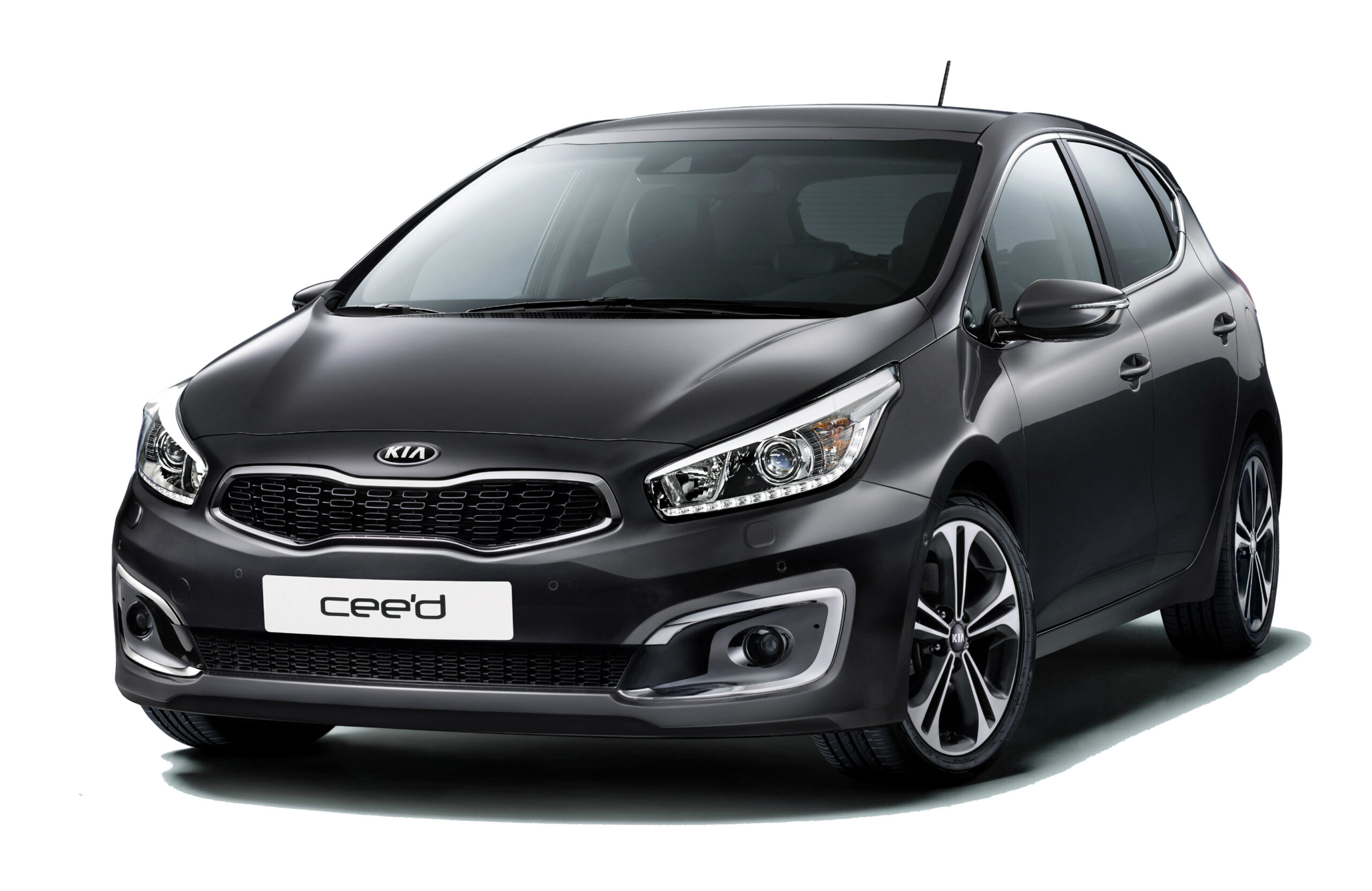
Kia Ceed under the microscope: common problems and how to deal with them
The Kia Ceed is a popular hatchback that appeals to many because of its affordable price, practical layout and long warranty. As with any car, however, there are specific issues that you, as an owner or potential buyer, need to be aware of. Should you be worried, or are most complaints easy to resolve? Read on to find out which points you need to pay attention to with the Ceed.
Why you should know this information about the Kia Ceed
Before you buy a Kia Ceed, it is sensible to know which technical issues occur regularly. Some matters are minor and easy to fix, others require larger investments. By knowing this information in advance, you avoid unpleasant surprises and can better assess whether this car suits you. As a current owner, this overview helps you to detect problems early and act appropriately.
For a complete overview of common issues with different Kia models, take a look at problems that occur more often with Kia. In addition to the Ceed, similar patterns can be seen in various models.
‘ Yet no car remains completely trouble-free. ’
How reliable is the Kia Ceed?
The Kia Ceed is generally known as a reliable hatchback. The 7-year warranty that Kia offers indicates that the brand has confidence in its products. Yet no car remains completely trouble-free. Owners mainly report smaller electrical faults and wear to components over time. Compared with competitors in the same segment, the Ceed scores reasonably, but there are some specific weak spots.
Most problems arise after several years of use or at higher mileages. Regular maintenance and being alert to early signs reduce the risks considerably.
Engine problems with the Kia Ceed
The Kia Ceed is offered with various engines, including petrol and diesel versions. With the 1.0L T-GDi turbo engine, some owners complain of higher oil consumption than expected. This leads to oil shortages if you do not check regularly. It is wise to check the oil level frequently, especially with older examples.
With the 1.6L CRDi diesel engine, there are complaints about particulate filters (DPF, diesel particulate filter) becoming clogged. This mainly happens with cars that are used mostly for short journeys, where the engine does not get warm enough to regenerate the filter. Symptoms are a loss of power and a warning light on the dashboard.
The 1.5L T-GDi engine, introduced in later models as a replacement for the 1.4, receives relatively few complaints. Attention is needed for the timing chain, however. Although this engine does not have a timing belt, the chain sometimes rattles after high mileages. This indicates wear and means it should be replaced to prevent serious damage.
Transmission and clutch issues
With manual versions of the Ceed, there are sometimes complaints about a heavy clutch. This is often the result of wear to the clutch cable or release bearing. Replacing these parts usually solves the problem. If you ignore the symptoms, the clutch will eventually fail completely, resulting in an expensive repair.
Models with the 7-speed DCT automatic (dual-clutch transmission) occasionally suffer from faults. Owners report jerky gear changes, especially at low speeds or when pulling away from standstill. This often points to software issues or wear to the clutches within the transmission. A software update at the dealer helps to bring about improvement in some cases.
When it comes to second-hand examples, pay extra attention to whether the transmission shifts smoothly during a test drive. Do not hesitate to ask about the service history.
‘ Regularly checking the shock absorbers prevents unsafe situations. ’
Suspension and steering problems
The suspension of the Kia Ceed is set up fairly firmly, which provides sporty handling but also leads to faster wear of components. Bushes in the suspension, such as the anti-roll bar bushes, fail after a few years. This results in knocking sounds when cornering or driving over bumps.
Shock absorbers lose their damping after around 80,000 kilometres. You notice this from wobblier handling and a longer braking distance. Regularly checking the shock absorbers prevents unsafe situations.
As far as the steering is concerned, there are few major complaints. Some owners do notice slight play in the steering at higher speeds, which usually indicates wear to the track rod ends or ball joints. This is relatively easy to resolve by replacing the parts.

Electronic faults and electrical problems
Modern cars such as the Kia Ceed are equipped with various electronic systems. The infotainment system regularly receives criticism from owners. Complaints concern slow responses, frozen screens and problems with Apple CarPlay or Android Auto. A software update at the dealer helps in some cases, but if the problem persists, the whole system may need to be replaced.
Parking sensors sometimes give false alarms. This occurs mainly after rainfall or when there is dirt on the sensors. Cleaning them regularly helps, but if the problem continues, a defective sensor is often the cause.
The Ceed’s 12-volt battery weakens after around 4 to 5 years. This leads to starting problems and faults in the onboard computer. Replace the battery in good time to prevent this.
Brakes and ABS-related issues
The brakes on the Kia Ceed generally perform well, but over time brake discs and pads wear. Owners sometimes report squeaking or scraping noises when braking. This usually indicates worn brake pads that need to be replaced. Do not wait too long with this, as it will lead to damage to the brake discs.
With some models, the ABS sensor becomes contaminated or fails. This results in the ABS warning light on the dashboard coming on. The sensor is cleaned or replaced. Have this checked quickly, as a faulty ABS sensor reduces safety.
The Electronic Stability Program (ESP, stability control system) works closely together with the ABS system. Faults in the ESP also occur because of sensor problems. Regular checks during services prevent larger issues.
‘ This is not a defect but a design choice for a sportier look. ’
Interior and exterior points to watch
Although the Kia Ceed generally has a solid interior, there are smaller quality issues. Some owners complain about creaking in the dashboard or rattling panels. This is often caused by loose clips or fasteners. A visit to the garage usually resolves this easily.
The seats in the GT-Line version are experienced by some drivers as hard, especially on longer journeys. This is not a defect but a design choice for a sportier look. Consider a longer test drive if comfort is important to you.
On the outside, the paint is prone to stone chips in some areas. This happens mainly around the wheel arches and the front bumper. Regular waxing and possibly applying protective film helps to protect the paint.
Differences between model years and generations
The first generation Kia Ceed (2006–2012) receives more complaints about rust, especially on the underside and around the sills. With older examples, check carefully for rust before you buy.
The second generation (2012–2018) brought improvements in build quality and finish. However, these models still relatively often suffer from turbo problems with the 1.0 T-GDi engine. The turbo shows wear after around 100,000 kilometres.
The third generation (from 2018) benefits from further technical improvements. The introduction of the 1.5 T-GDi engine instead of the 1.4 reduced engine-related issues. Electronics, however, remain a point of attention, especially with the newer infotainment systems.
PHEV versions (plug-in hybrid models) have been available since 2020. These have a smaller fuel tank (45 litres) and an 8.9 kWh battery. With these models, pay attention to the condition of the battery and the charging cable.
Maintenance tips to prevent problems
Regular maintenance is the best way to prevent problems with your Kia Ceed. Follow the manufacturer’s maintenance instructions and schedule a service every year. Between services, check the oil level yourself regularly, especially with the 1.0 T-GDi engine.
Make sure you regularly let the diesel engine reach operating temperature to prevent particulate filter problems. Make at least one longer trip per week of a minimum of 20 kilometres on motorways. This helps the DPF to regenerate.
Keep the electronics up to date by having software updates carried out at the dealer. Check the battery every year and replace it after 4 to 5 years to avoid starting problems.
Inspect the brakes and tyres regularly. Worn brake pads and tyres reduce safety and lead to more expensive repairs. Also pay attention to unusual noises while driving, as these are often early signs of problems.
‘ Always ask about the costs before repairs are carried out. ’
What to do if you have a problem with your Kia Ceed
If you notice a problem, start with a thorough visual inspection. Check under the bonnet for leaks, listen for unusual noises and see whether any warning lights are illuminated on the dashboard. Note which symptoms you notice and when they occur.
Visit a garage that has experience with Kia models. Clearly explain what complaints you have and ask for a diagnosis. Many modern problems are detected using a diagnostic system that reads fault codes.
Always ask about the costs before repairs are carried out. If in doubt, ask for a second opinion from another garage. Keep invoices and repair reports, as these help with later sale or warranty claims.
If your Kia Ceed is still under warranty, contact the dealer. Kia’s 7-year warranty covers many problems, provided you have followed the regular maintenance schedule and can prove it.
A balanced view of the Kia Ceed
The Kia Ceed offers a lot of value for money and has a strong reputation for reliability. When buying a used example, pay particular attention to the service history: ask for invoices for services carried out, check whether software updates have been performed and focus on the condition of the clutch and turbo with petrol engines. With diesel versions, specifically ask about usage: mainly short trips significantly increase the risk of DPF problems.
Ideally, arrange a pre-purchase inspection with an independent specialist. Have the transmission, suspension and electronics explicitly checked. If you invest in regular maintenance and stay alert to early signs such as unusual noises or warning lights, the Kia Ceed will provide many years of reliable service at manageable cost.