Kia EV6: what problems might you encounter?
The Kia EV6 has proven itself as a popular electric crossover with impressive performance and range, but it also has technical vulnerabilities that owners regularly run into. From software error messages to charging issues, this electric Kia is not free of teething problems. Which issues crop up most often, and what can you do about them?
Success story with technical hurdles
The EV6 scores highly for performance, range and design quality. Kia’s modular electric vehicle platform (E-GMP) delivers solid specifications: a range of up to 513 kilometres, ultra-fast charging and power options up to 641 bhp in the GT version. Even so, owners report technical faults that affect ease of use. Software and charging technology in particular turn out to be sensitive areas that Kia struggles with.
Some issues are typical for first-generation electric cars. Others are specific to Kia’s systems. Many complaints stem from the complex electronics. The interaction between different components causes malfunctions. For anyone interested in common faults with Kia models, it turns out that certain problems also occur in other cars from the brand.
‘ “Sometimes they introduce new problems.” ’
Software and infotainment acting up
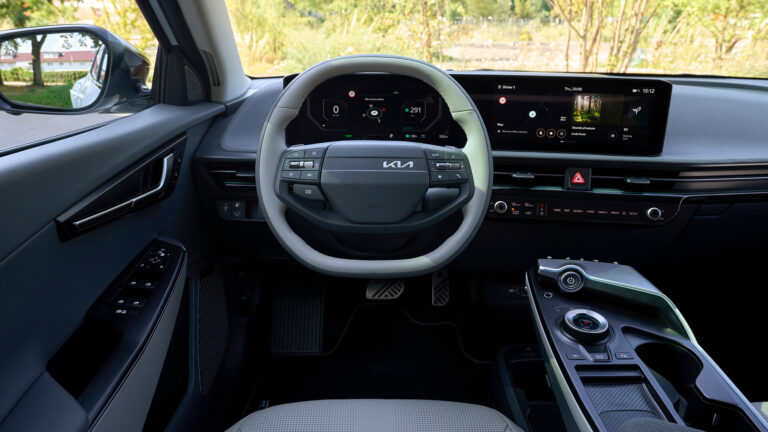
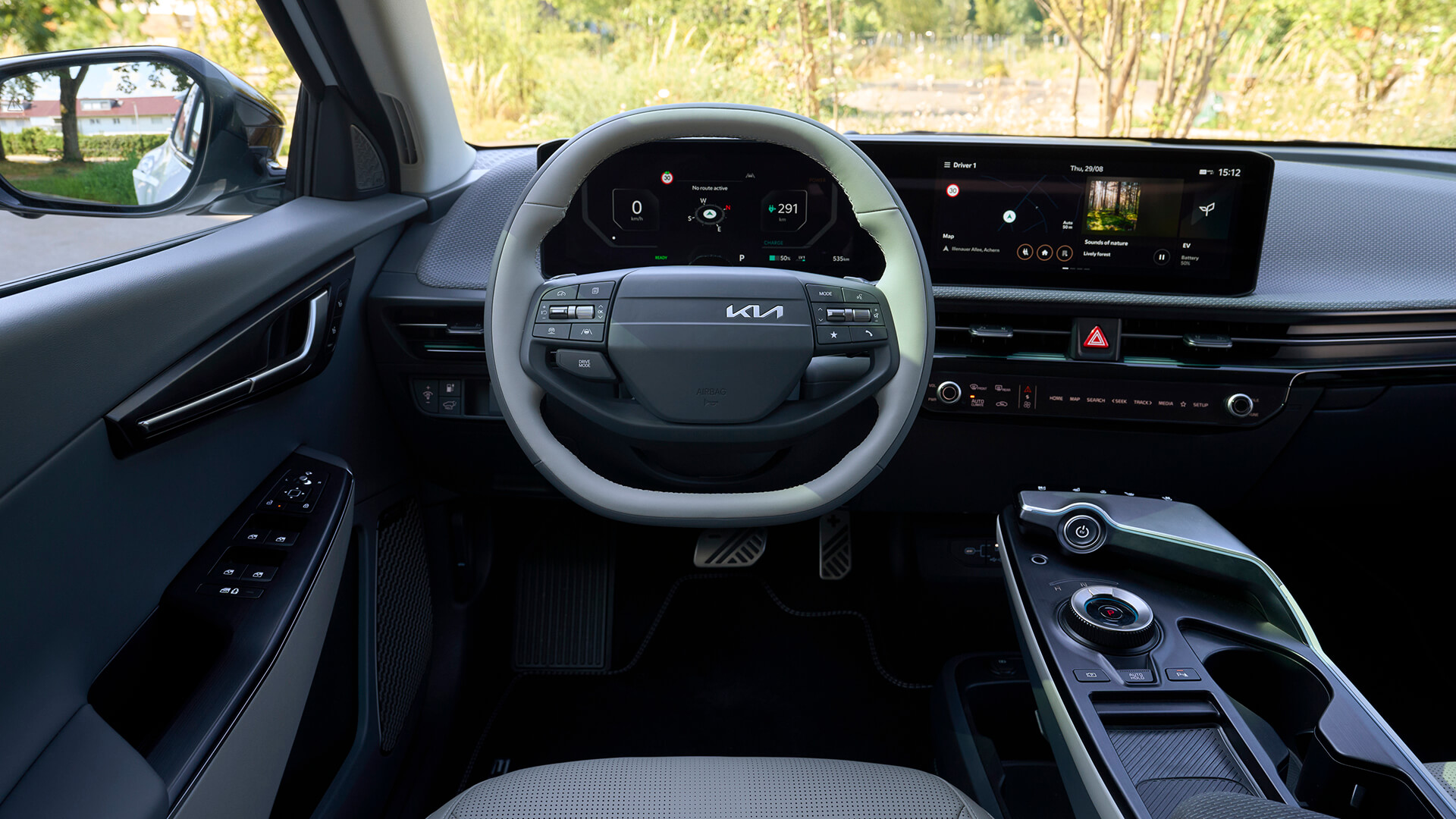
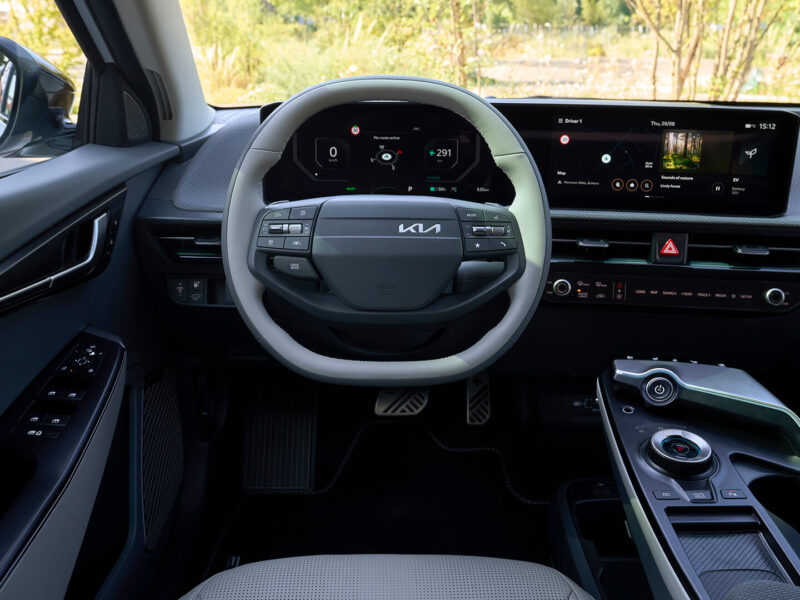
The dual panoramic curved display forms the digital heart of the EV6, but it regularly shows faults. The screen can freeze without warning, leaving you unable to use the controls for a while. Connectivity with smartphones via Apple CarPlay or Android Auto also drops out unexpectedly. The system responds slowly to touch commands, and sometimes it does not start up at all after you switch the car on.
Software updates fix some bugs, but sometimes they introduce new problems. Owners report that the navigation system shows outdated routes or crashes during journeys. Voice control misinterprets commands or sometimes does not react at all. These malfunctions are frustrating but usually not safety-critical.
If issues persist, a reset to factory settings of the infotainment system via the settings menu can help. Check regularly with your dealer to see if software updates are available. If faults keep coming back, have the system documented during a service appointment.
Charging issues and range fluctuations
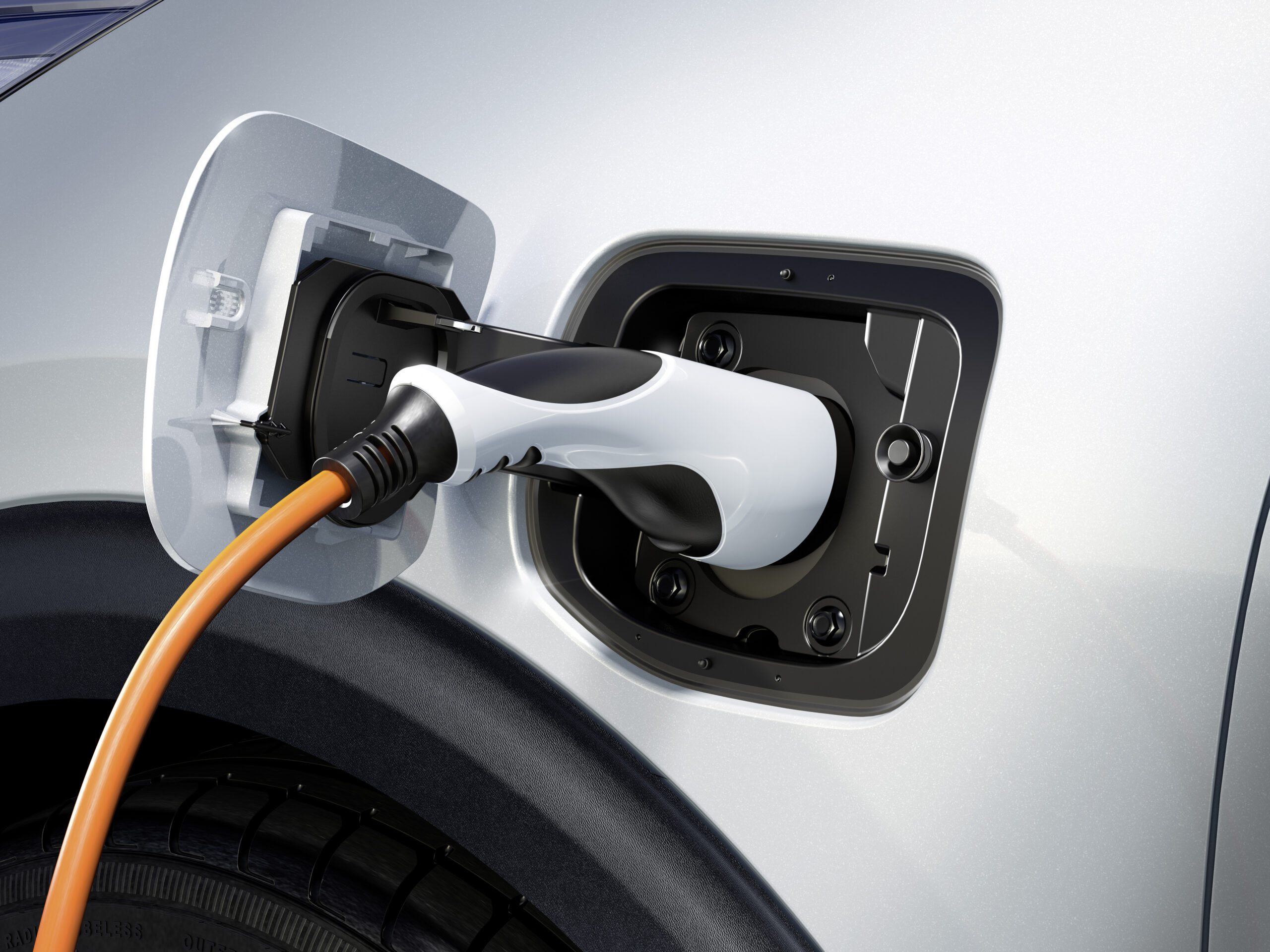
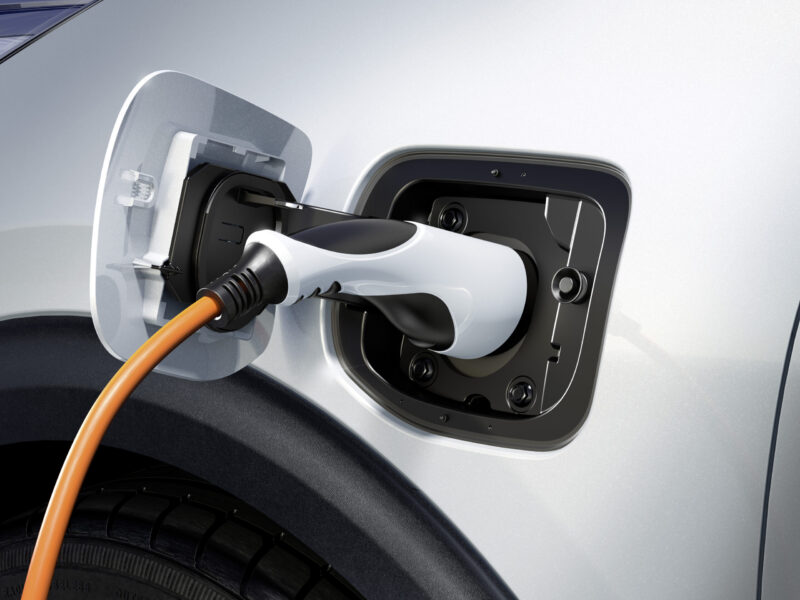
The 84 kWh battery promises rapid charging with peaks of up to 258 kW. In practice this does not always run smoothly. Some owners can no longer rapid charge their EV6 at fast chargers. The charging session ends prematurely, or sometimes it does not start at all. Error messages on the dashboard point to communication problems between the car and the charging station.
Home charging via AC also sometimes causes headaches. The wallbox does not detect the car, or the charging speed gets stuck at just a few kilowatts instead of the advertised 10.9 kW. These issues are more common for specific production periods or after certain software updates.
The range regularly differs from the official WLTP figure of up to 513 kilometres. In colder weather the range can drop by 20 to 30 per cent, even with the standard heat pump. In some cases the battery capacity seems to decline faster than expected. This points to possible calibration faults and can also be a sign of defects in the battery management system.
Practical solutions for charging issues
- Try multiple charging stations to rule out a fault with just one specific charger
- Reset the charging system by switching the car off completely for 10 minutes
- Have the 12V auxiliary battery checked: a weak battery can sometimes cause charging faults
- Record all charging errors with the time, location and fault codes for your dealer
- Request a battery diagnosis if the range consistently falls short of expectations
Drivetrain faults
The EV6’s electric motors and inverters usually work without problems, but a few owners experience faults. The car can unexpectedly go into limp mode, with power drastically reduced. Error codes point to issues with the inverter, which regulates the voltage between the battery and the motor.
On AWD versions with dual motors, one motor can fail, leaving the car driving on just one axle. This results in reduced performance and traction. The fault sometimes disappears by itself after restarting the car, only to return again later.
Some EV6s produce a squeaking or humming noise from the front motor, especially noticeable at low speeds. This can indicate bearing issues and sometimes points to defects in the gearbox reduction system. Less commonly, drivers experience vibrations during acceleration, which suggest balance problems or damaged drive shafts.
Have any drivetrain problems checked by your dealer straight away. These faults can result in complete failure while driving. Most issues are covered by the 7-year or 150,000-kilometre factory warranty.
‘ Both systems should work together seamlessly, but the transition is not always smooth. ’
Chassis and handling: unexpected noises
The EV6 has a chassis adapted for electric drive. The battery weight of over 400 kilos places greater loads on the suspension, which leads to premature wear on some cars. Both the wheel suspension and the bushes show signs of faster wear. You may hear knocking or creaking from the front suspension when going over speed bumps or through bends.
The power steering sometimes behaves irregularly, with the resistance in the steering wheel varying. This occurs mainly at parking speeds and may indicate software problems in the Electric Power Steering (EPS) system. Regenerative braking is not always consistent either, with deceleration varying unexpectedly when you lift off the accelerator.
The brakes themselves sometimes produce squeaking noises under braking and can cause vibrations. This stems from the combination of regenerative braking via the electric motor and the mechanical brakes. Both systems should work together seamlessly, but the transition is not always smooth.
Have any unusual noises from the chassis checked during scheduled maintenance. Regularly check tyre pressures yourself: because of the high weight, tyres wear more quickly if the pressure is incorrect.
Finish and sensors falling short
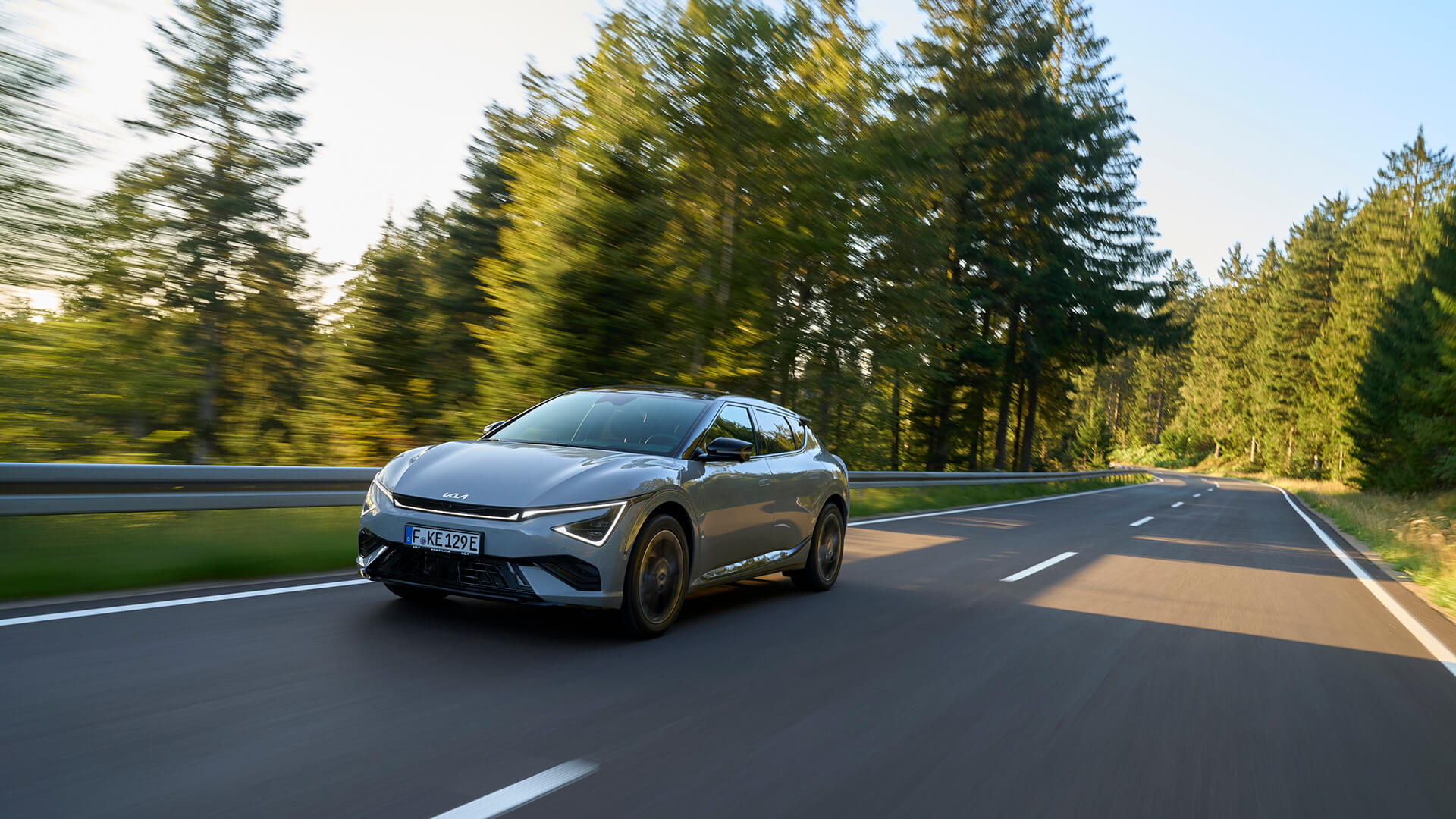
The interior quality of the EV6 is generally good, but owners do notice some minor flaws. Interior panels start to rattle over time, especially around the dashboard and centre console. Panel gaps are sometimes uneven, with parts not aligning perfectly.
The paintwork on certain production periods also appears prone to stone chips and corrosion around the wheel arches. Paint quality varies by production month, which suggests changing suppliers or processes at Kia.
The numerous sensors and cameras that power the ADAS systems regularly fail. You may see error messages that adaptive cruise control is temporarily unavailable or that blind spot monitoring has been disabled. Often this is due to dirty sensors, but sometimes it concerns defects in the electronics. The parking cameras display distorted images or do not switch on automatically when you select reverse.
Carrying out small repairs yourself
- Clean cameras and sensors weekly with a soft cloth and lukewarm water
- Treat the paintwork preventively with a coating on vulnerable areas
- Apply protective film to vulnerable parts
- Spray rubber components in the chassis regularly with silicone spray
- This helps prevent squeaking noises
Recalls and factory fixes
Kia has issued several recalls for the EV6 to correct specific problems. The most important recall concerned a software issue in the battery management system that could lead to an unexpected loss of drive power. All affected vehicles had to return to the dealer for an update.
A second recall focused on potentially loose fixings in the front suspension. On certain production series, bolts were not tightened correctly, which could lead to noises and wear. Dealers inspected and repaired this free of charge.
Alongside official recalls, Kia issues technical service bulletins that give dealers instructions for known issues. These bulletins are not public, but they cover, for example, software fixes for charging problems or adjustments to control software.
Check via Kia’s website or the RDW (Netherlands Vehicle Authority) whether your car is affected by a recall. Enter the registration number and you will immediately see whether there are any outstanding actions. Contact your dealer to have these carried out free of charge.
‘ Here you’ll find practical solutions for common problems that Kia has not yet officially acknowledged. ’
Preventing and quickly resolving problems
Preventive maintenance helps avoid problems. Have the EV6 inspected every year or every 15,000 kilometres at a specialist garage. During this service, the mechanic checks the software, inspects the cooling system and examines the suspension. Finally, all electrical connections are checked.
Keep your EV6’s software up to date by installing updates via Wi‑Fi as soon as they become available. Many issues with infotainment and charging systems are resolved via over-the-air updates without you needing to visit the dealer.
Watch out for signs of emerging problems, such as unusual driving behaviour, odd noises or warning messages. Do not ignore these signals. Have them read out and documented straight away. This helps with warranty claims if the issue escalates.
Make use of EV-specific forums and communities where owners share their experiences. Here you’ll find practical solutions for common problems that Kia has not yet officially acknowledged.
Warranty keeps you covered
Kia offers a factory warranty of 7 years or 150,000 kilometres on the EV6. For the battery and electric drivetrain there is a separate warranty of 7 years or 150,000 kilometres, covering at least 70 per cent of the original battery capacity.
All the technical issues mentioned fall within this warranty period, provided you have had regular maintenance carried out as specified. Keep service history and invoices carefully as proof.
If you encounter problems that you cannot solve yourself, contact a Kia dealer. Describe the issue clearly and ask for documentation of fault codes and the work carried out. This helps with follow-up claims if the problem returns.
Not every garage has the right equipment for complex electrical problems. Look for a dealer or specialist with experience in EVs and, ideally, specific knowledge of Kia’s E‑GMP modular electric vehicle platform. An incorrect diagnosis can lead to unnecessary repairs that are not covered under warranty.
Weighing up the EV6: performance versus problems
The Kia EV6 offers strong performance, a comfortable interior and modern design. Pricing is competitive for an electric crossover. The range of up to 513 kilometres makes the car practical for everyday use, and fast charging helps on longer trips. The GT version delivers impressive sportiness with 641 bhp and 0–100 km/h in 3.5 seconds.
Technical issues are relatively common but not always serious. Software and charging faults are annoying but rarely lead to a total breakdown. Drivetrain problems are less frequent but can leave you stranded. Most faults are resolved under warranty.
If you are considering an EV6, it is wise to take test drives in several examples and read owners’ experiences. Check the service history on used cars and make sure recalls have been carried out. With regular maintenance and attention to software updates, the EV6 is a reliable electric car.