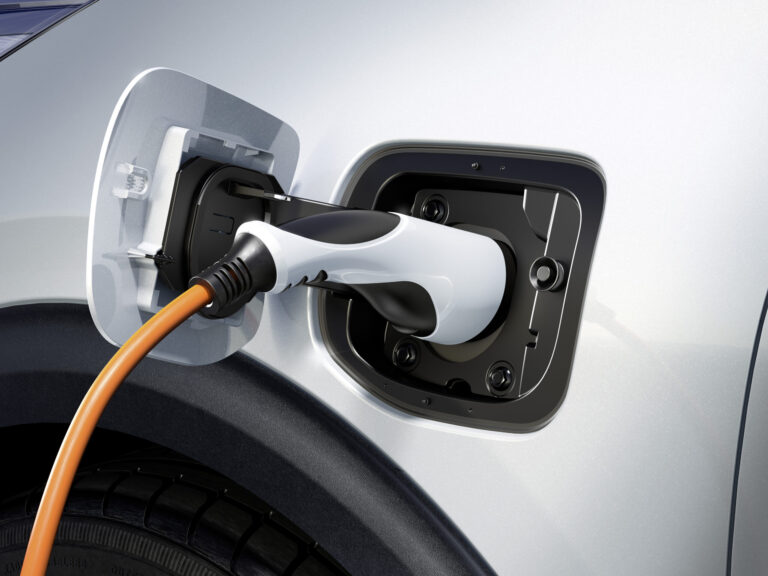
Kia EV6 12V battery problems and faults can sometimes prevent the car from unlocking, starting or displaying various error messages. Often the 12V battery is weak. Recurring complaints can sometimes point to a problem with the ICCU (Integrated Charging Control Unit), the car’s integrated charging unit. A proper diagnosis is therefore important. That way, the real defect does not stay hidden behind a temporary fix. Read on to find out what to look out for and which steps are sensible.
What 12V battery problems does the Kia EV6 have?
With a Kia EV6 with known issues, the small battery needs plenty of attention. The same applies to the large traction battery. The 12V battery supplies the central locking, lights, computers and other on-board electronics, among other things. If the voltage is too low, these systems do not switch on properly. The traction battery may still have plenty of charge.
A flat 12V battery can therefore sometimes make the EV6 completely unusable. For example, the car may not respond to the key or may immediately display multiple warnings. Sometimes it works normally again after a jump-start, only for the same problem to return a short time later.
Frequently reported symptoms are:
- the car does not unlock or responds slowly to the key;
- the EV6 does not switch into drive mode;
- lights and displays stay off or cut out;
- a warning appears about low 12V voltage;
- the dashboard says the electric vehicle system needs checking;
- the car works after a jump-start, but later cuts out again;
- charging fails or is interrupted unexpectedly.
A warning does not always point to a defective 12V battery. Low on-board voltage sometimes disrupts several computers at once. As a result, various error messages appear. These often disappear once the voltage is stable again.
Why does the 12V battery not charge in a Kia EV6?
The 12V battery in the Kia EV6 is not charged by a conventional alternator. Instead, the car uses energy from the high-voltage battery for this. A DC-DC converter converts the high voltage into a lower voltage. This powers the 12V system and charges the small battery.
This charging function is part of the ICCU. This integrated charging unit manages various energy flows in the car. If the unit or the associated software faults, the 12V battery does not receive enough charge.
Possible causes of a flat 12V battery are:
- the battery is old, damaged or no longer holds enough charge;
- the ICCU is not charging the battery properly;
- a software problem disrupts the charging control;
- the car has been standing still for a long time;
- accessories use power while the car is not in ready mode;
- the traction battery has been at a low state of charge for a long time;
- an electrical system remains active after parking.
Under certain conditions, the EV6 charges the 12V battery while parked. However, this function does not provide complete protection. If the battery is damaged or the charging unit is faulty, the voltage can still drop too far.
How do you test 12V battery problems in the Kia EV6?
You test 12V battery problems in the Kia EV6 with more than one voltage measurement. Without load, a battery sometimes shows a normal reading. When the car is switched on, the voltage can still drop sharply. A battery test under load therefore gives more information about the true condition.
- Note down all warnings before switching off the car or using a jump-start.
- Check whether lights, locks and displays respond normally.
- Have the resting voltage and behaviour under load measured.
- Check whether the voltage rises when the EV6 is in ready mode.
- Have the fault codes from the different control systems read out.
- If the car keeps cutting out, ask for the ICCU and charging software to be checked.
In the event of problems with the DC-DC converter, the system stores fault code P1A9096, among others. That code may indicate a fault in or around the ICCU. One fault code does not provide a complete diagnosis. Other faults and circumstances sometimes also play a role.
A garage or Kia dealer will also check whether any software action or technical inspection is available for the car. Ask for an inspection of both the battery and the charging system. Simply fitting a new 12V battery will not help if the underlying charging function is faulty.
What should you do when the Kia EV6 shows a 12V battery warning?
If the Kia EV6 shows a 12V battery warning, it is wise to check it quickly. Park the car in a safe place and switch off unnecessary electrical consumers. Do not try to restart the car repeatedly when displays are flickering or systems are cutting out.
If the car no longer responds at all, suitable jump-start assistance can provide a temporary solution. Always follow the procedure in the EV6 handbook. A wrong connection may damage electrical components.
After a jump-start, the car needs enough time to recharge. Leave it in ready mode for this or drive it, as long as no serious warning remains active. A brief restart does not prove that the problem has been solved.
Contact a dealer or garage if:
- the warning returns after charging;
- the car cuts out again within a short time;
- the message about the electric vehicle system remains on;
- the EV6 does not charge normally;
- the 12V battery has already been replaced without lasting results.
‘ Such information helps to distinguish between a weak battery, parasitic drain and a problem with the ICCU. ’
How do you prevent recurring 12V faults?
Complete certainty is not possible, but a few habits reduce the risk of discharge. Use ready mode when you need power from the car for a longer period. Switching on accessories only loads the 12V battery without always giving it enough recharge.
Also avoid leaving the EV6 standing for long periods with a nearly empty traction battery. If the car is used infrequently, regularly check whether it wakes normally and shows no warnings. Also keep a record of when the 12V battery was fitted, so its age is known during a diagnosis.
After work or software updates, pay attention to changes in charging behaviour. If the complaint returns after rapid charging, standing still or short trips, report that pattern to the mechanic. Such information helps to distinguish between a weak battery, parasitic drain and a problem with the ICCU.
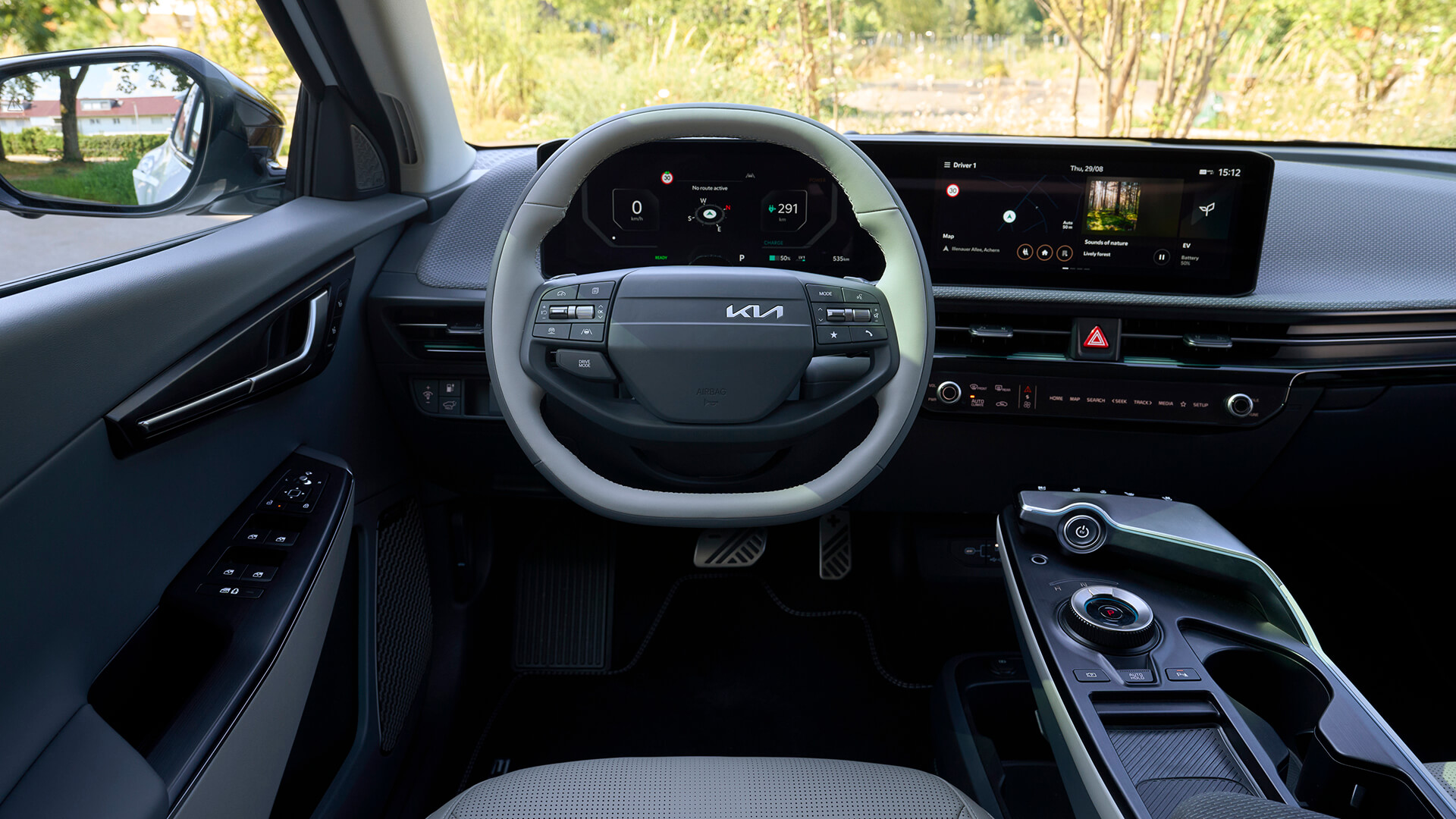
Checkpoints for a used Kia EV6
A used car sometimes works perfectly on a short test drive. After standing still, the battery can still run flat. Ask about previous starting problems, battery replacement and work on the ICCU. Also check whether any outstanding software actions have been carried out.
If in doubt, have the car read out and test the 12V battery under load. During the test drive, look out for warnings about charging, on-board voltage and the electrical system. A charging system that has clearly been checked gives more certainty than just a recently replaced battery.
When complaints keep returning, note when the cut-out occurs, have the 12V battery tested under load and ask the dealer about any outstanding ICCU software actions. Then compare the fault codes read out with the information about charging problems and known Kia EV6 issues on Carnews.
Frequently asked questions
The recurring 12V battery problems in the Kia EV6 are mainly caused by a weak or faulty 12V battery and by faults in the ICCU/DC-DC converter, which should recharge the battery from the high-voltage battery. Software or charging logic problems can also prevent this recharging from happening correctly. Long periods of standing still, heavy accessory use, short trips or a very low high-voltage battery can also deeply discharge the 12V battery and damage it more quickly.
Look out for a rapidly decreasing range, charging problems, warnings such as ‘low 12V voltage’ or ‘Check electric vehicle system’ and unexplained electrical faults. Difficulty unlocking, failure to start or cutting out again after a jump-start often point to a weak 12V battery or a fault in the supplementary charging system. Check the battery status regularly and have fault codes read out when complaints return. Then have both the 12V battery and the DC-DC converter/ICCU and the high-voltage battery professionally tested.
Kia offers a software update for the ICCU, which recharges the 12V battery from the high-voltage battery. If the unit is faulty, the ICCU is replaced; if the 12V battery itself is weak or damaged, that is replaced as well. In addition, the EV6 supports automatic top-up charging via the Auxiliary Battery Saver.
Yes, aftermarket accessories can affect the reliability of the 12V battery if they draw power continuously, are wired incorrectly or remain active when the EV6 is parked. This can discharge the battery more quickly, especially when the car is left standing for a long time or the battery is already weak. However, recurring problems can also be caused by the 12V battery itself or the ICCU.