Reliability Kia Niro: how reliable is this crossover?
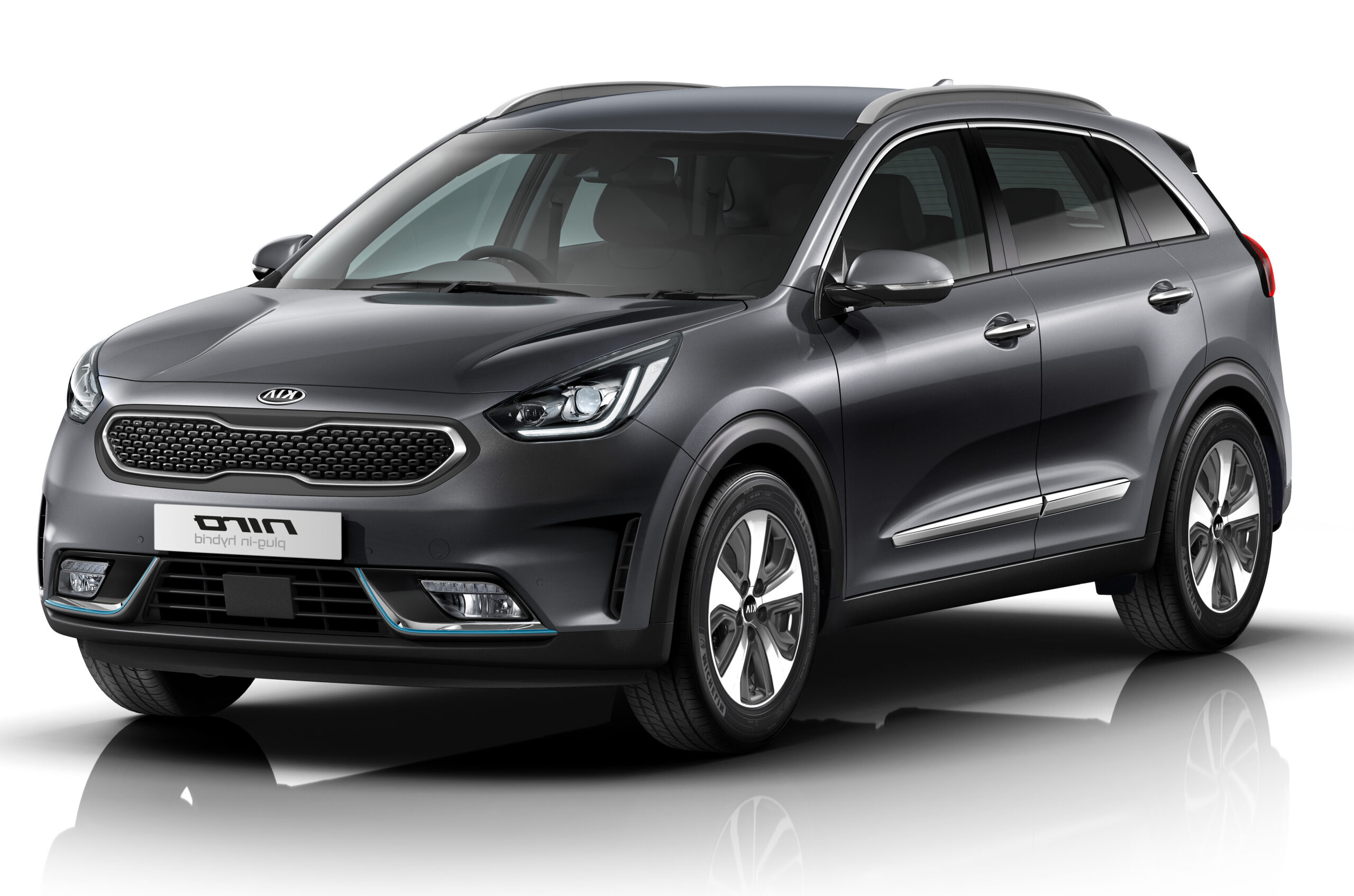
The Kia Niro is a compact hybrid crossover known for its efficiency and modern technology, but how reliable is this car really? In general, the Niro delivers solid performance, although some model years struggle with specific issues related to the hybrid drivetrain and electronics. This article highlights the reliability of the Kia Niro using concrete examples and known complaints. Read on to discover which problems you can expect and what you can do as an owner.
The Kia Niro has been a familiar sight on the road since 2016 and is now in its second generation. As with many other brands, you can sometimes run into technical problems with Kia. For a broad overview of all problems with Kia, you can consult our separate page. Below we focus entirely on the Kia Niro.
How reliable is the Kia Niro according to owners?
The Niro scores from fair to good in many reliability surveys. Kia offers an extensive factory warranty of seven years or 150,000 kilometres, which inspires confidence. Even so, some model years and variants score better than others. The first generation, built between 2016 and 2022, mainly needs attention when it comes to the 12V battery and certain software issues. The second generation from 2022 onwards has so far shown fewer problems, but is still relatively new.
Many owners appreciate the low maintenance costs and favourable fuel consumption. The hybrid technology does mean that you are dealing with both a combustion engine and an electric drive system, which brings extra points to watch out for. In practice, most Niros last a long time without major failures, provided you carry out the maintenance on time.
‘ Because this generation is still quite new, it is not yet possible to say with certainty how reliable it will be in the long term. ’
Common problems by generation
The Kia Niro has two generations. The first generation ran from 2016 to 2022 and is available as an HEV (hybrid), PHEV (plug-in hybrid) and EV (fully electric). For these model years, there are frequent reports of a weak 12V battery, causing the car not to start. Some owners also report problems with the dual-clutch transmission, especially when the software is not up to date.
The second generation, from 2022, has an updated drivetrain and modern driver assistance systems. So far, complaints are limited, but owners sometimes report faults in the infotainment system or in the adaptive cruise control. Because this generation is still quite new, it is not yet possible to say with certainty how reliable it will be in the long term.
Specific points of attention by model year
- 2016-2018: Weak 12V battery and occasional shifting problems with the DCT
- 2019-2021: Fewer battery failures, but sometimes software issues in the infotainment
- 2022-present: New generation with few reported problems, focus on electronics and sensors
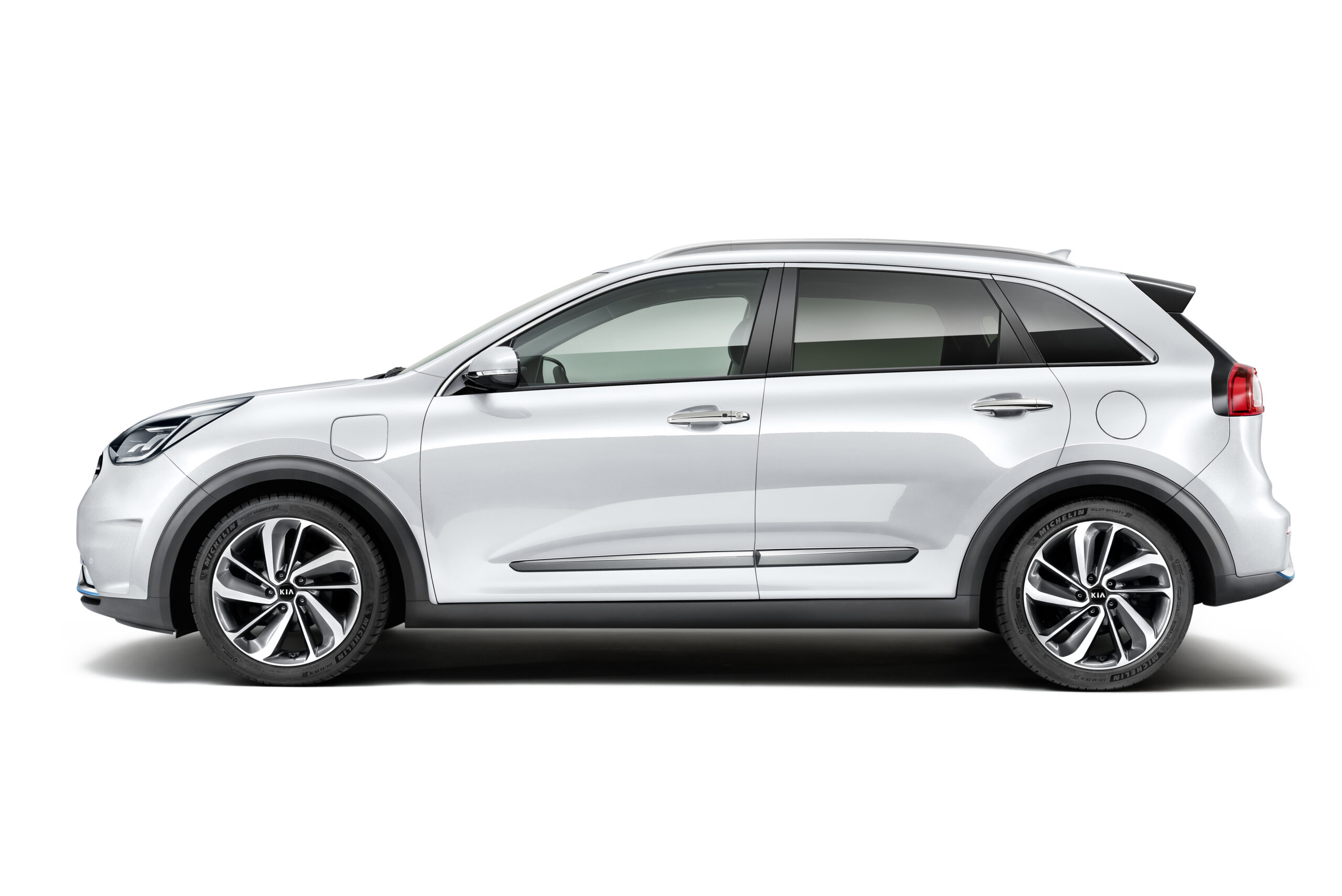
Faults in the hybrid system and drivetrain
The hybrid system in the Kia Niro combines a 1.6-litre petrol engine with a 32 kW electric motor. This parallel configuration ensures that both motors can work together or operate separately. In most cases this process runs smoothly, but some owners report that the transition between petrol and electric is not always smooth, especially at low speeds.
The dual-clutch transmission can jolt when shifting. This occurs regularly with DCTs and can often be resolved with a software update. Always have this update carried out at an official dealer to prevent further problems. In rare cases the clutch itself can wear, leading to expensive repairs.
Problems with the 12V battery
A striking problem with the first-generation Niro is failure of the 12V battery. This battery starts the car and powers electronic systems. For many owners, the battery does not last as long as expected, sometimes failing after just two to three years. Make sure you check the battery regularly and replace it at the first signs of weakness. That way you prevent your car from suddenly failing to start.
Electronic and software-related faults
Modern cars are equipped with countless sensors and electrical systems. The Kia Niro is no exception. Owners regularly report problems with the infotainment system, which sometimes freezes or does not respond to commands. A reset or software update often solves this.
The adaptive driver assistance systems can also sometimes show error messages. The lane keeping assist system can switch off without any clear reason or react too sensitively. This is annoying but usually not dangerous. Make sure you have the systems checked annually during a service.
Sensors and cameras
The cameras for parking assistance and the radar sensors can become dirty, especially in winter. Dirt or snow can cause the systems to malfunction and trigger warnings. Clean the sensors regularly to avoid unnecessary error messages.
‘ Uneven tyre pressure can reduce the range and negatively affect handling. ’
Problems with suspension, brakes and wheel suspension
The suspension of the Kia Niro is generally solidly built. There are few reports of serious problems with the shock absorbers or springs. However, on older models the rubber seals of the shock absorbers can start to leak, resulting in less comfortable handling.
The Niro’s brakes are robust, but due to regenerative braking in hybrid mode, the disc brakes are used less intensively. This can lead to rust on the brake discs, causing a grinding noise. Brake firmly every now and then to clean the discs and counteract rust formation.
Attention to tyres and alignment
Make sure the tyres wear evenly by having the wheels aligned every year. Uneven tyre pressure can reduce the range and negatively affect handling. Check the tyre pressure every month and adjust it according to Kia’s specifications.
Defects in bodywork and interior
The bodywork of the Kia Niro is well protected against rust. However, there are sometimes reports of small paint damage or chips, especially around the wheel arches. Keep an eye on this when washing the car and have any damage repaired quickly to prevent further rust.
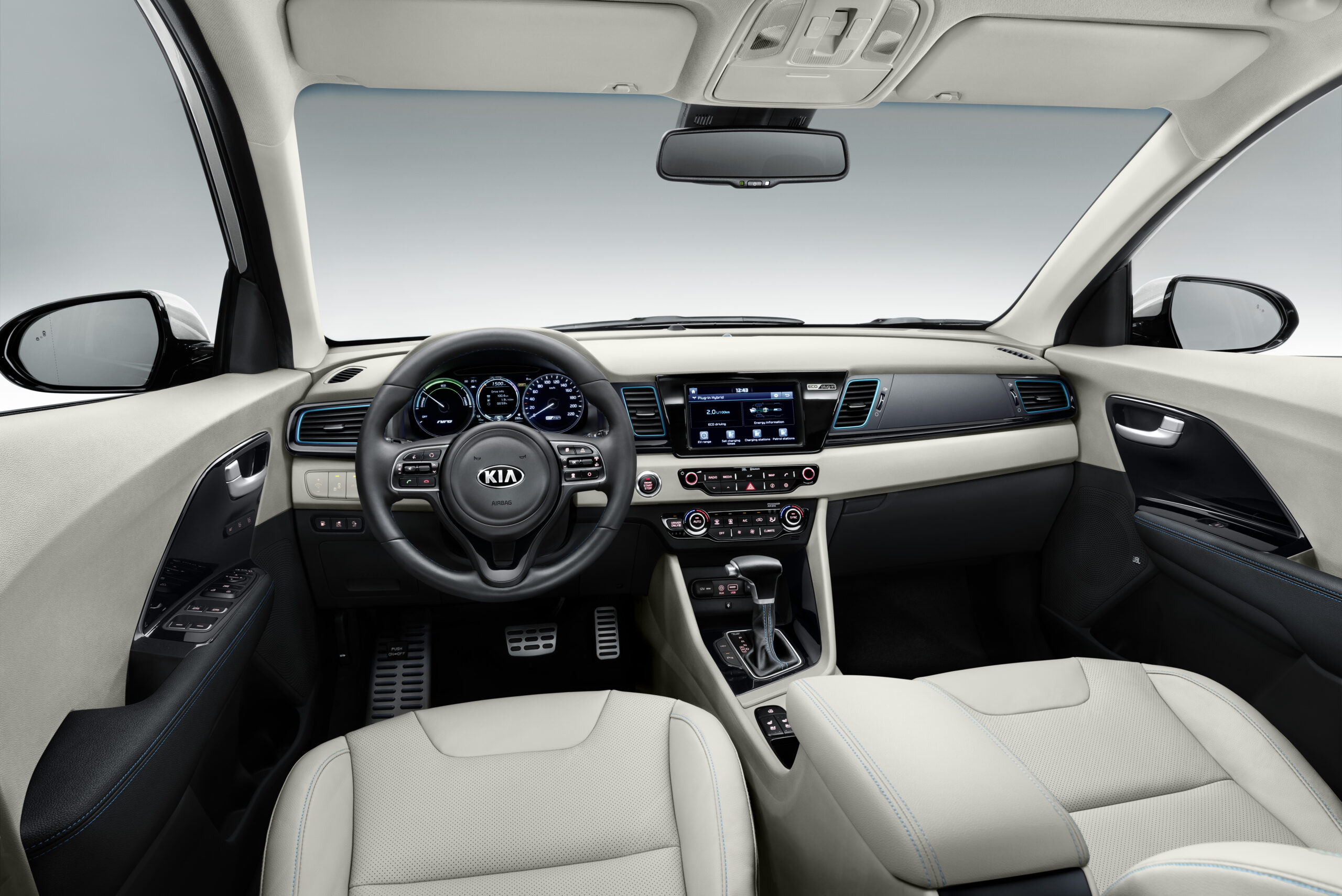
The interior is made of solid materials that show little wear. On older models the dashboard buttons may become shiny due to frequent use, but that is purely cosmetic. The fabric upholstery is durable, although some owners of the first generation report that the seat fabric discolours quickly under intensive use.
Overview of recalls for the Kia Niro
Over the years, Kia has carried out several recalls for the Niro. These actions mainly concern the plug-in hybrid version, where in some cases there was a risk of a short circuit in the high-voltage battery. Kia solves this with a software update and, in some cases, a hardware replacement.
Another recall focused on the brakes of models from 2017 and 2018. On some vehicles, the vacuum pump for the brake booster could fail, leading to reduced braking performance. Check with an official dealer whether your car is affected by a recall and schedule an appointment if necessary.
‘ Never ignore these signals and have the car read out at a garage as soon as possible. ’
How can you spot problems in time?
Many faults announce themselves with warning lights on the dashboard. Pay particular attention to the yellow engine light, which indicates a fault in the drivetrain. A flashing battery indicator can also point to a problem with the 12V battery or the charging circuits. Never ignore these signals and have the car read out at a garage as soon as possible.
Strange noises are also a sign that something is wrong. A hissing sound when braking can indicate worn brake pads, while a clicking sound when shifting gears points to problems with the transmission. Pay close attention and note when the noises occur, so you can give the mechanic targeted information.
Effective maintenance prevents many problems
Regular maintenance is the key to a reliable Kia Niro. Stick to Kia’s recommended service intervals, usually every 15,000 kilometres or once a year. Replace engine oil and filters on time and have the coolant for the hybrid system checked. This coolant is separate from that for the combustion engine and deserves specific attention.
Have the hybrid battery tested annually. Although it often lasts a long time, a deteriorating battery can affect performance and fuel consumption. The 12V battery also deserves regular checks. Replace it proactively after three to four years to prevent starting problems.
Checks you can carry out yourself
- Check tyre pressure and tread depth monthly
- Clean the sensors and cameras regularly
- Check the level of the coolant and windscreen washer fluid
- Watch out for warning lights and respond immediately
Repair costs and how to deal with them
The cost of repairs on a Kia Niro varies widely. A new 12V battery costs between 100 and 150 euros, while a repair to the dual-clutch transmission can run up to 1,500 euros or more. The seven-year warranty covers many faults, so always check whether you are still under warranty before having repairs carried out.
Software updates are often free at an official Kia dealer. Take advantage of this service to resolve problems with the electronics. Some issues, such as a glitchy infotainment system or poor shift timing, are purely software-related and cost you nothing.
What to look out for when a fault occurs
Always ask for a diagnosis before you agree to a repair. A good garage will read out the fault codes and explain exactly what is going on. Compare quotes from different garages, but preferably choose an official dealer if you are still under warranty. That way you avoid discussions about the extent of the cover.
‘ Owners who have their car serviced regularly report fewer problems than those who neglect maintenance. ’
Real-world experiences from owners
Owners of the Kia Niro are generally satisfied. Many owners praise its efficiency and comfortable driving characteristics. Most problems are described as minor and easy to resolve. The longer warranty period provides a sense of security, especially when buying a new example.
Negative experiences focus mainly on the early model years of the first generation. The weak 12V battery is often mentioned as a source of frustration, as is the occasionally jerky transmission. Owners who have their car serviced regularly report fewer problems than those who neglect maintenance.
Is the Kia Niro a reliable choice?
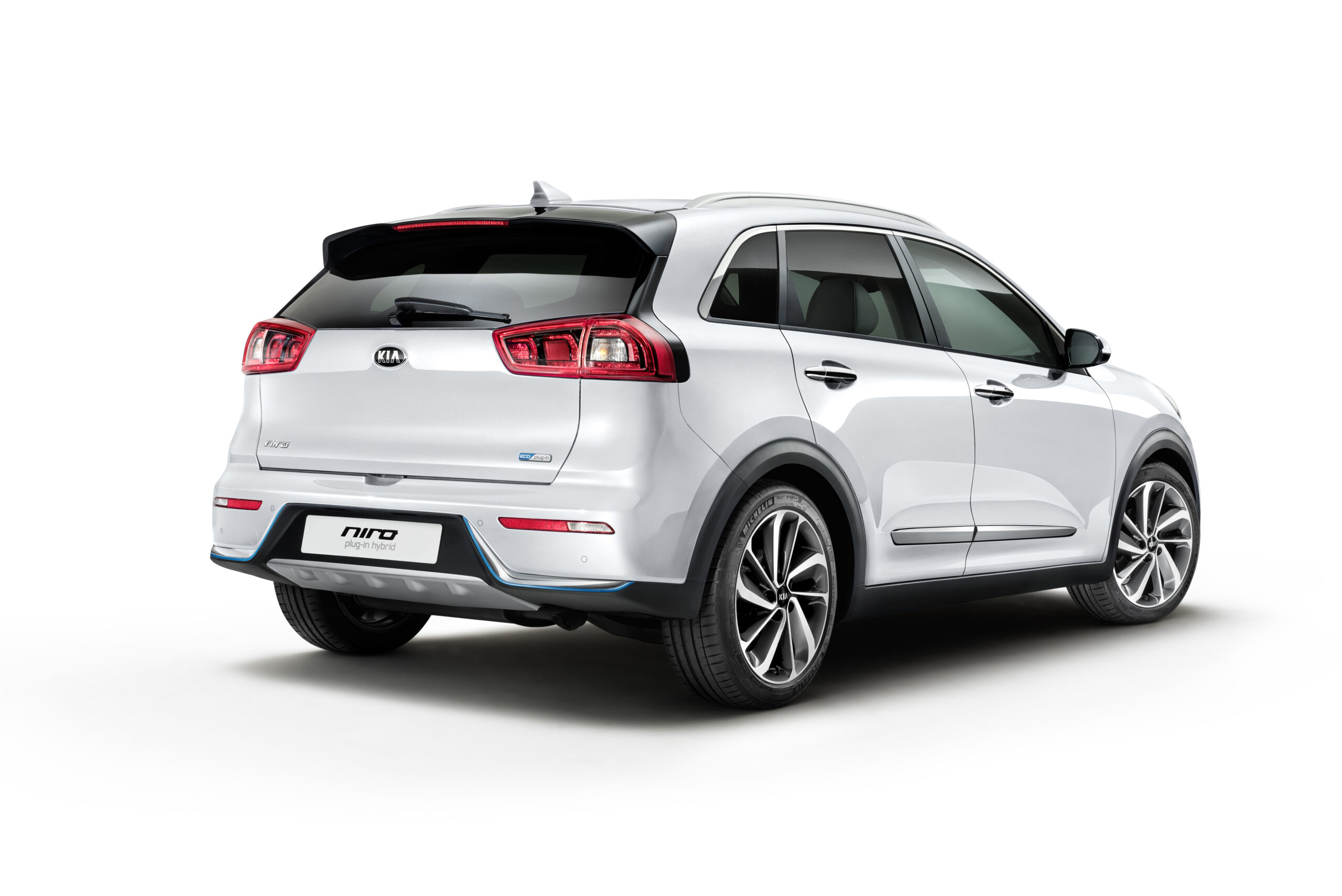
The Kia Niro is a solid hybrid crossover that generally performs well in terms of reliability. Most issues are not serious and can be managed with regular maintenance and timely software updates. The extensive warranty is an extra advantage that eases concerns about technical faults.
Be alert to known problems such as the weak 12V battery and the sometimes jerky transmission on older models. If you are considering a second-generation Niro, you are looking at a more modern car with fewer reported faults, although long-term experience is still limited. With proper care and preventive maintenance, you can enjoy this efficient crossover for many years without problems.