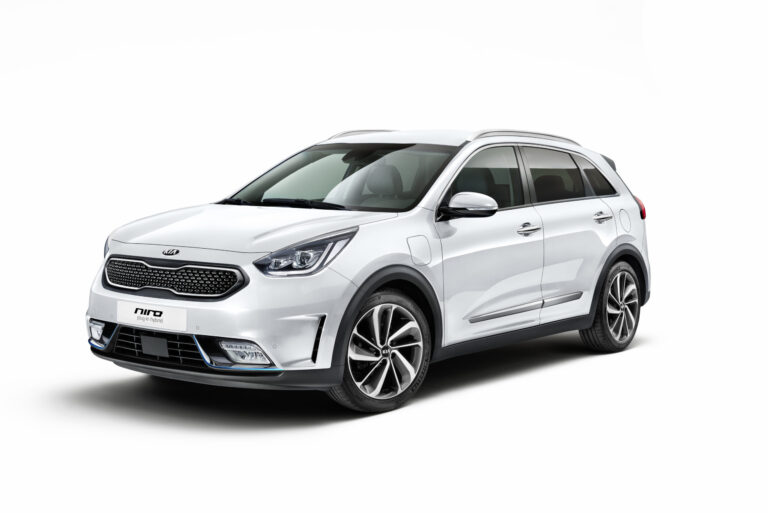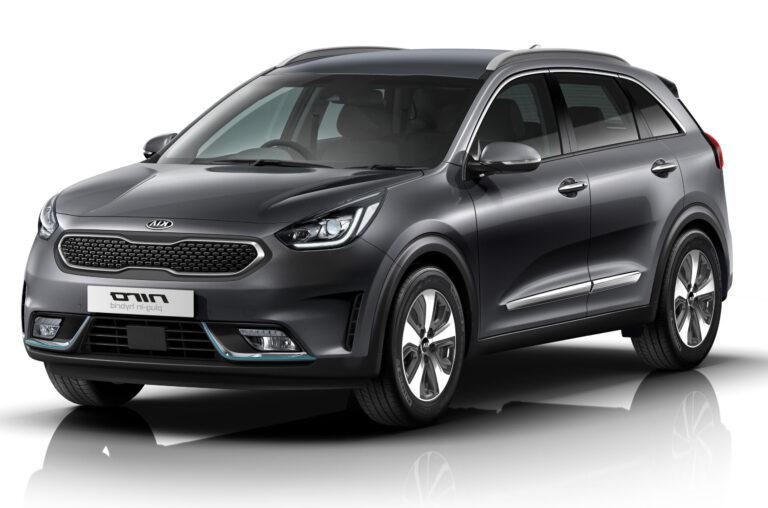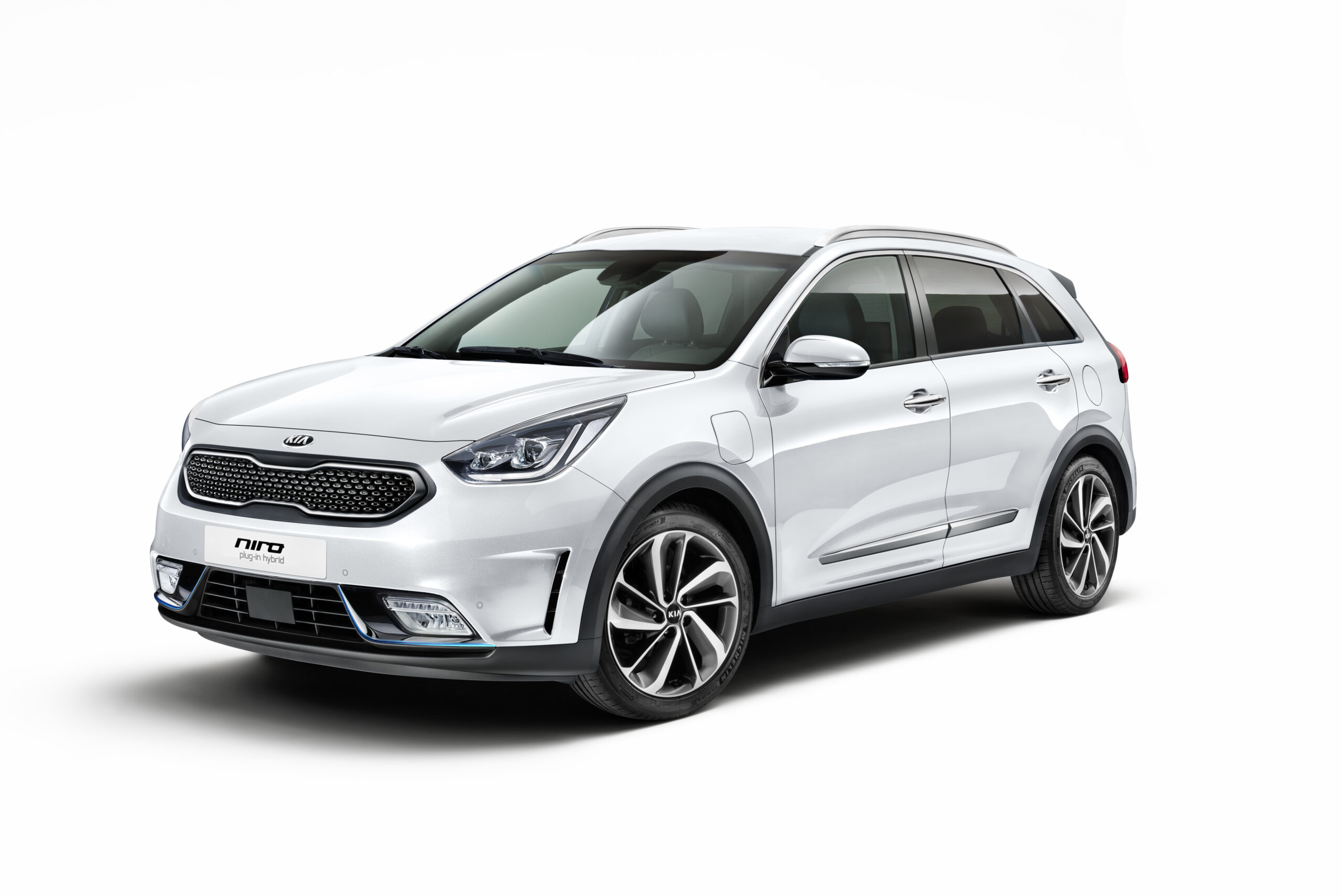
The Kia Niro Hybrid is marketed as a fuel-efficient hybrid, but owners of 2021 models regularly report high fuel consumption that differs greatly from the promised figures. This can be caused by sensor faults, driving style or maintenance issues. In this article you will read why your Niro is thirstier than expected and what you can do about it.
Expectations versus reality with the Kia Niro Hybrid
Kia promises combined fuel consumption of around 3.8 to 4.5 litres per 100 kilometres for the Niro Hybrid. These figures correspond to the official EPA ratings of 49 to 53 mpg. In practice many drivers do achieve these figures. They drive calmly. They mainly drive in the city. Hybrids perform best in urban traffic, where braking energy recharges the battery. With this way of braking, the car recovers part of the energy that would otherwise be lost.
However, there are owners who consistently exceed 5 litres per 100 kilometres. This problem occurs regularly, especially with 2021 models. In some cases the Kia Niro suffers from sensor faults that disrupt energy management. In addition, driving style plays an important role in fuel consumption.
Real-world tests show consumption figures between 4.5 and 5.5 litres per 100 kilometres on the motorway at speeds of 110 to 120 km/h. With aggressive acceleration or higher speeds this can rise to more than 6 litres. Anyone who often makes short trips with a cold engine will also see consumption increase.
Why does your Kia Niro Hybrid use more fuel?
There are several causes. These increase the fuel consumption of your Niro. Technical faults sometimes play a role. Often the cause lies in the conditions or in the maintenance.
- Sensor faults: In some 2021 models a fault occurs in the sensors. These sensors control energy management. This means the electric motor is used too little and the petrol engine steps in more often.
- High speeds: At speeds above 100 km/h the Niro loses its efficiency (that is to say: its ability to use little fuel). The electric motor can then contribute less and the petrol engine has to work harder.
- Short trips: With a cold engine the system is less economical. A cold start requires extra fuel.
- Low tyre pressure: Tyres that are too soft increase rolling resistance. This increases fuel consumption. Check the pressure regularly.
- Driving style: Aggressive acceleration and hard braking prevent the regenerative braking system (the system that charges the battery while braking) from doing its job. Yet this is exactly the strength of a hybrid.
- Air conditioning and heating: Heating and air conditioning use a lot of energy. On short trips this significantly increases average consumption.
- Load: A fully loaded car with luggage or passengers increases the weight and therefore fuel consumption.
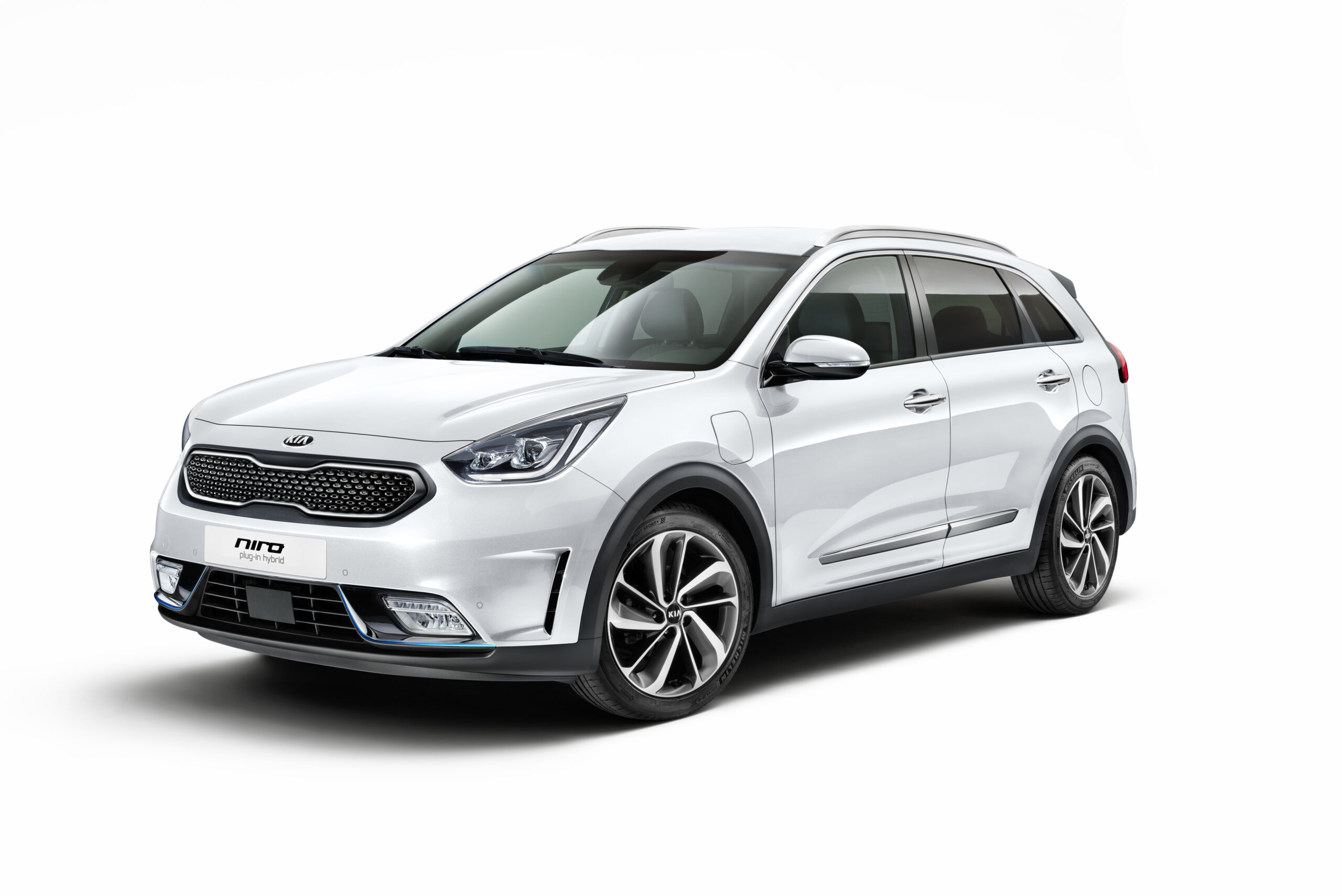
Known issues with the Kia Niro Hybrid
High fuel consumption is a complaint that occurs more often with certain model years. Owners of 2021 models in particular report that consumption is higher than expected. In some cases this turns out to be due to a software fault. This fault is in the system that manages the energy (the computer system that controls when the car drives electrically and when the petrol engine assists). This fault causes the car to switch more often between electric and petrol, which increases fuel consumption.
Some dealers offer a software update that can solve this problem. Check with your dealer whether an update is available for your model. In other cases it is a defective sensor. This incorrectly measures the battery charge level or the power of the electric motor. As a result, the petrol engine stays on longer than necessary.
In addition, an ageing air filter or a dirty intake valve can increase fuel consumption. These are maintenance issues that are easy to resolve during a service.
How to reduce the fuel consumption of your Kia Niro Hybrid
There are several ways to do this. They will help you reduce your Niro’s fuel consumption. Many tips focus on driving style, but maintenance and settings also make a difference.
Optimise your driving style
The way you drive has a major impact on fuel consumption. Anticipate traffic situations. Use engine braking as much as possible instead of the brake pedal. This way you recover energy via the regenerative braking system (the system that charges the battery while braking). Use EV mode (the mode in which the car runs fully electrically) in the city for short distances. Switch to HEV mode (the mode in which the petrol and electric motor are used together) on the motorway. This ensures a balanced use of both motors.
Avoid speeds above 110 km/h. At higher speeds fuel consumption rises rapidly. Use the speed limiter (the function that lets you set a fixed speed which the car automatically maintains) on flat roads to keep a constant speed. This helps you drive efficiently and prevents unintentional acceleration.
Check tyre pressure and filters
Keep tyre pressure at the correct level. Soft tyres increase rolling resistance and therefore fuel consumption. Check the pressure at least once a month. Top up where necessary. Also replace the air filter regularly. A dirty filter restricts the airflow to the engine, which then has to work harder.
Use the right driving mode
The Niro offers different driving modes (settings that determine how the car uses the petrol and electric motor). In the city EV mode (the mode in which the car runs fully electrically) works best, because you often stop and start there. The electric motor can then contribute optimally. On long journeys you switch to HEV (the mode in which the petrol and electric motor are used together). The system then switches automatically between petrol and electric. Get to know these modes and use them consciously.
Avoid unnecessary energy use
Switch off the air conditioning when it is not needed. Use the ventilation system instead. Open a window at low speeds. Preheat the car using the remote start function (the feature that lets you warm the car up before departure). Do this while the car is still connected to the charger. This saves fuel at start-up.
Keep the battery healthy
Make sure the hybrid battery maintains a minimum charge level. Owners report that fuel consumption rises when the battery drops below 20 percent. The system then switches fully to petrol. Try to keep the battery above this level as much as possible. Use regenerative braking smartly for this (the technology that charges the battery while braking by converting braking force into electricity).
‘ In some cases this is covered by the warranty, especially if it concerns a factory defect or software fault. ’
When should you go to the dealer?
If fuel consumption remains consistently too high despite the tips above, it is wise to visit the dealer. Have them check whether system updates (new software that solves problems in the car’s computer) are available for your model. Ask specifically about known problems with sensors. Also ask about known problems with the energy management system (the computer system that controls when the car drives electrically and when the petrol engine assists). This applies especially to 2021 models.
A diagnosis with an OBD scanner (a device that reads fault codes from the car via the on-board computer) will provide clarity about any faults. Sensor faults are often stored as error codes. These codes can only be read with professional equipment. Also have the air filter checked. Have the intake valves (the parts that control how much air enters the engine) checked. These components have a direct impact on combustion efficiency.
For persistent problems it is necessary to replace parts. In some cases this is covered by the warranty, especially if it concerns a factory defect or software fault.
Experiences of other owners
On forums and in user groups many Niro drivers report consumption between 4.5 and 5.5 litres per 100 kilometres. This applies under normal conditions. Those who drive calmly and mainly in the city often achieve consumption of around 4 litres. On long motorway journeys the average rises to 5 to 6 litres. This is determined by speed. Higher speeds lead to higher consumption.
Owners have adjusted their driving style. They often see a 10 to 15 percent reduction in consumption. Consistent use of regenerative braking (the technology that charges the battery while braking) makes the difference. Using the right mode (the setting that determines how the car uses the petrol and electric motor) also makes a difference. Those who frequently make short trips see consumption increase. Those who carry a lot of luggage weight see the same effect.
Some drivers with 2021 models report system updates (new software that solves problems in the car’s computer). The update has reduced consumption by an average of 0.5 litres per 100 kilometres. This confirms that there is indeed a technical cause behind it in certain models.
Discover more about the Kia Niro on Carnews
Would you like to know more about common problems, maintenance tips or experiences with the Kia Niro? On the Carnews website you will find extensive articles about this model and other popular cars. Take into account the tips in this article to reduce your Niro’s fuel consumption. Check maintenance regularly and adjust your driving style for the best result.
Frequently asked questions
The fuel consumption of the Kia Niro Hybrid is mainly influenced by driving style (for example aggressive acceleration and driving fast), driving conditions (a lot of motorway driving, high speeds, hilly terrain), load and the use of power consumers such as air conditioning. Maintenance factors such as tyre pressure and clean filters also play a role, as does temperature (a cold engine and winter conditions increase consumption). The factory figures are measured under standardised, often favourable test conditions that do not match everyday use. As a result, real-world consumption is usually higher (more fuel used) than the official values.
Yes, by driving in Eco mode, accelerating gently and maintaining a constant speed (preferably with cruise control) you can clearly improve fuel consumption. Anticipate traffic and make maximum use of regenerative braking instead of braking hard, so that the battery is recharged more often. Also make sure you have the correct tyre pressure and regular maintenance. Use the EV functions as much as possible in the city and avoid unnecessary idling.
In real-world use the Kia Niro Hybrid generally achieves around 4.5–5.0 l/100 km (about 45–53 mpg), which puts it in line with or just slightly ahead of many other compact hybrids in the same segment. In city traffic the Niro can often outperform some competitors thanks to its efficient hybrid control and regenerative braking, which allow it to drive in electric mode more frequently. On constant motorway stretches, consumption is similar to other hybrids; here the advantage of electric assistance partly disappears. Differences are mainly caused by driving style, the proportion of motorway kilometres, maintenance (tyre pressure, filters) and the use of comfort consumers such as air conditioning, which the Niro is sensitive to, just like comparable hybrids.
External conditions such as strong winds, low temperatures and rain increase air and rolling resistance and cause the Kia Niro Hybrid to use more fuel. In heavy traffic with a lot of stop-and-go driving, consumption can actually be favourable, because the hybrid can then drive more often on the electric motor and use regenerative braking. High, constant speeds on the motorway (above roughly 120 km/h) greatly increase air resistance and push consumption towards or above the upper end of the practical range. Extra load, such as a lot of luggage or roof boxes, reinforces the negative effect of weather and traffic on fuel consumption.
Maintenance plays a major role in optimising the fuel consumption of a Kia Niro Hybrid, because wear and incorrect settings directly reduce efficiency. Crucial here are correct and regularly checked tyre pressure, clean air filters and properly functioning hybrid and charging systems. Carrying out services on time according to the maintenance schedule also prevents, for example, fouled spark plugs or old oil from increasing consumption. Regular checks of the energy system and regenerative braking ensure that the electric assistance can contribute as much as possible to low fuel consumption.