The Kia Picanto regularly suffers from rust formation on the rear silencer, caused by moisture build-up in the exhaust system. This problem occurs mainly in cars that make short trips every day, because the exhaust does not get warm enough to evaporate the moisture. Pay close attention to this when buying a used car.
Moisture in the exhaust causes rust problems
In Kia Picanto models from the period 2012–2017, moisture in the exhaust system plays a major role in rust formation. When you mainly drive short distances, the engine does not fully reach operating temperature. As a result, moisture remains in the system and can build up. This moisture attacks metal components, particularly the rear silencer.
The combination of short journeys and a start-stop system reinforces this problem. The car simply does not get enough time to fully heat up the exhaust system. This makes the Picanto more prone to corrosion on the exhaust under this type of use.
How to recognise a defective rear silencer
A broken or rusty rear silencer gives clear signals. You can recognise the problem by the following symptoms:
- Loud droning or rattling noise from the exhaust
- Visible rust spots or holes in the silencer
- Increased fuel consumption due to reduced efficiency
- Exhaust gases that are no longer discharged properly
- Loose or hanging components under the car
Visually check the rear silencer regularly by looking underneath the car. This helps to prevent small rust spots from growing into fully rusted-through sections that need to be replaced.
Internal rust formation needs extra attention
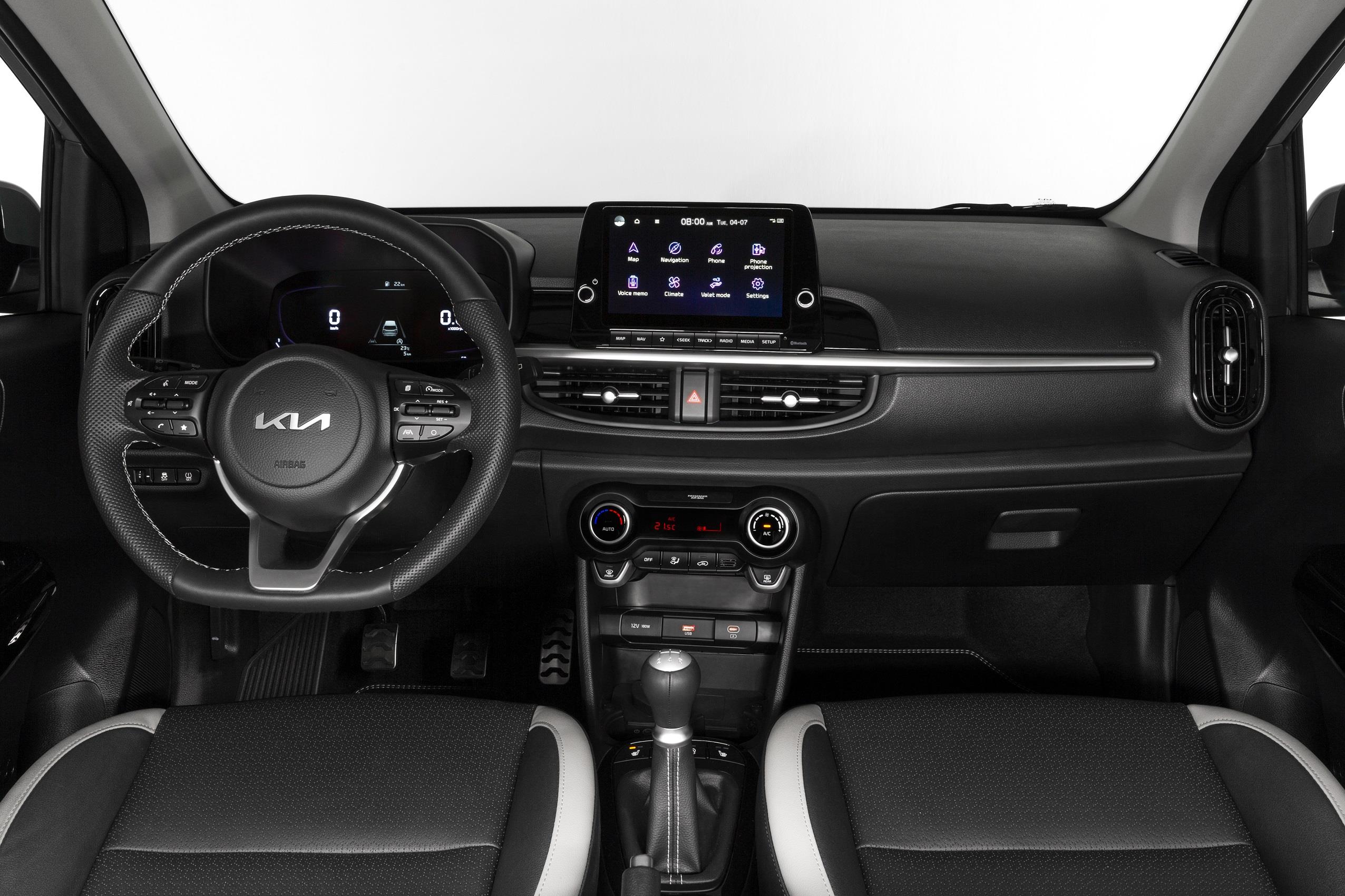
In addition to exhaust issues, the Picanto suffers from a less well-known problem: rust formation on the inside of the vehicle. This goes beyond cosmetic damage and can have structural consequences. Owners are finding rust in various places in the interior:
- Under the heater and around the centre tunnel console
- Near the fuel flap release handle
- Around the driver’s seat mounting points
- In the backrest and behind the rear seat trim
You will only discover this internal rust by checking specific components. You can remove the plastic cover behind the centre tunnel console yourself using a Phillips screwdriver. You can also access the rear seat trim via a zip to inspect it.
Prevent rust formation by driving regularly
You can largely prevent exhaust rust problems by adjusting the way you drive. Drive the car for about half an hour at least once every two weeks. This allows the engine to reach full operating temperature and evaporates the moisture from the exhaust system. This simple habit significantly extends the service life of your exhaust.
In addition, it helps to wash your car regularly at a self-service wash (wash bay). Otherwise, dirt, road salt and other aggressive substances will remain on the bodywork and accelerate corrosion. Pay particular attention in the winter months to road salt that accumulates in gaps and seams.
Check these points regularly
Preventive maintenance makes all the difference in combating rust. Carry out the following checks regularly:
- Inspect the inside around the centre tunnel console and seat mountings
- Look underneath the car at the condition of the exhaust and silencer
- Check for moisture build-up in the interior or boot
- Inspect alloy wheels for corrosion and damage
Tackle small rust spots immediately before they spread. Take photos of any suspicious areas so you can monitor how they develop over time. If in doubt about how serious it is, you can always ask a qualified mechanic for advice.
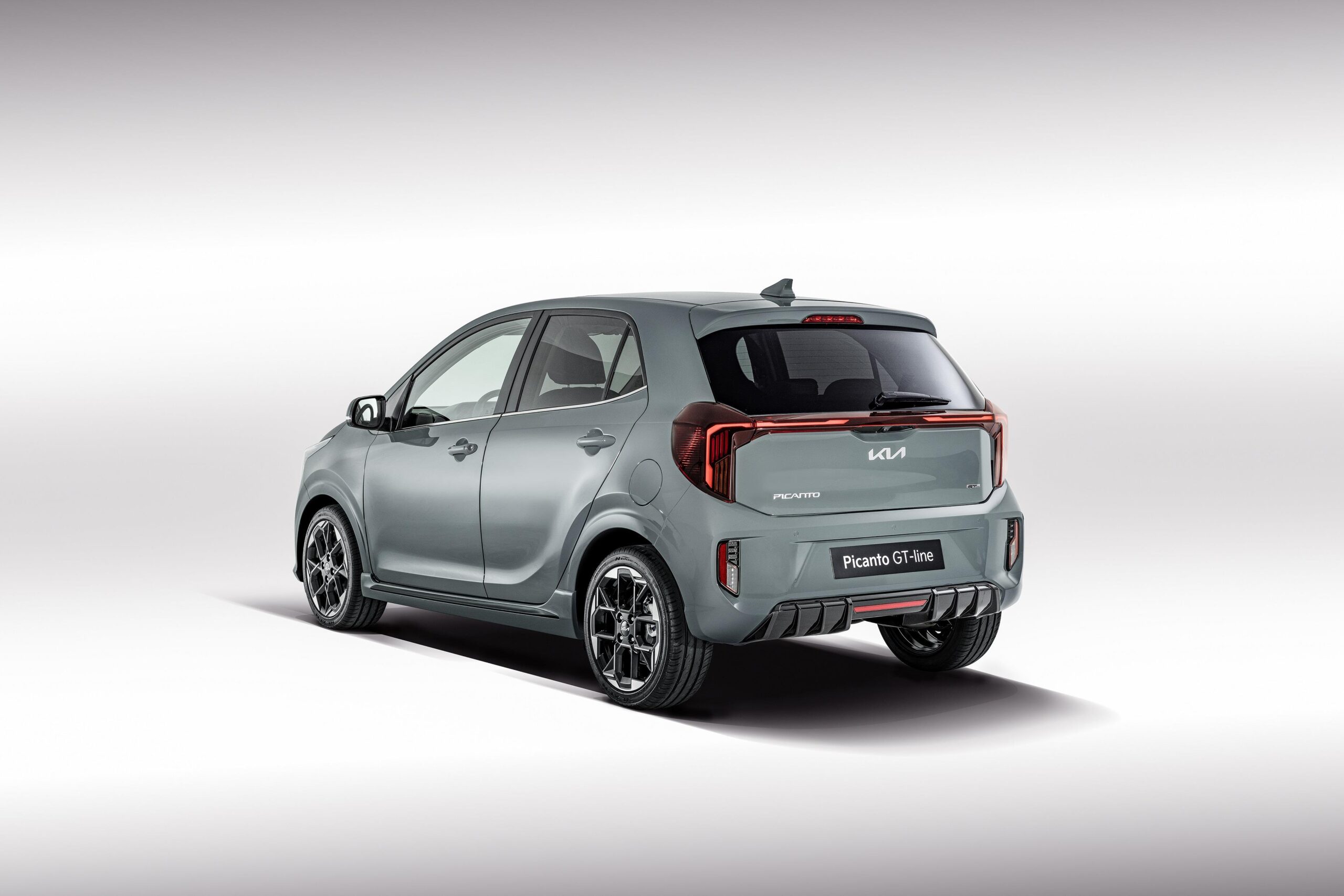
Wheels and external components also corrode
Although external rust on the bodywork is relatively rare on well-maintained Picantos, the alloy wheels can corrode over time. This occurs especially on vehicles that are ten years or older. The combination of road salt, moisture and small chips in the paint causes white deposits and flaking rims.
Corrosion on the wheels is not an immediate safety problem, but it can lead to leaking tyres if the seal between rim and tyre becomes damaged. Have damaged rims refurbished or replaced to prevent further damage.
What to do when buying a used car
Buying a used Picanto? Then pay extra attention to the condition of the exhaust and interior. Start the car and listen carefully for unusual sounds from the exhaust system. A droning or rattling noise indicates rust damage to the silencer.
During the viewing, remove the plastic cover behind the centre tunnel console and check for rust formation. Ask the seller for the service history and check whether the car has regularly done longer trips. Vehicles that have only been used for short city journeys are at greater risk of exhaust problems.
If you are unsure, take an independent mechanic with you for a thorough inspection. The cost of this does not compare to discovering a rusted-through silencer or structural rust damage after you have bought the car.
‘ A dealer that has carried out servicing according to schedule strengthens your position when making a warranty claim. ’
Warranty and involving the dealer
Have you discovered rust problems on your relatively new Picanto? Then contact an authorised Kia dealer. In several cases, owners have reported that dealers were willing to solve the problem under warranty. Gather evidence by taking clear photos of all rust spots.
If the problem is persistent or the dealer rejects your claim, you can escalate the matter to Kia Netherlands. Record the situation in writing and add photos and proof of servicing. A dealer that has carried out servicing according to schedule strengthens your position when making a warranty claim.
Find out more about car problems
On the Carnews website you will find extensive information about common problems with various car makes and models. Whether you want to know more about service schedules, typical faults or practical tips for extending the life of your car, there is plenty to discover. Take a look and find out what your car needs to stay in top condition.
Frequently asked questions
On the Kia Picanto, the areas particularly prone to rust are the inside under the heater and around the centre tunnel console, the driver’s seat mounting points, the area around the fuel flap release handle and behind the rear seat trim. In addition, rust and rust-through occur on the rear exhaust silencer and sometimes on the fuel filler pipe, especially with lots of short trips. You can recognise early rust by brown patches, blistering or flaking paint, signs of moisture and rust around bolts and seams, and a thin, flaky metal surface. Check these areas regularly by removing plastic covers and visually inspecting the exhaust (and by tapping to test for thin metal).
Important causes of rust on the Kia Picanto are internal moisture build-up due to poor water drainage, lots of short trips that do not evaporate condensation, and moisture in the exhaust system (especially at the rear silencer). Owners can limit rust formation by regularly making longer journeys so that the engine and exhaust warm up properly and moisture evaporates. In addition, frequent washing (especially to remove salt and dirt) and periodic inspection of the inside around the centre tunnel console, seat mountings and rear seat area for early rust will help. At the first signs of rust, it is wise to quickly consult a dealer or approved repairer to prevent further damage.
The most common exhaust problems on the Kia Picanto are rust and rust-through of the (rear) silencer due to moisture build-up in the exhaust system, especially with lots of short journeys. You can recognise this from a louder or more tinny exhaust note, rattling noises, rust spots or holes and sometimes a different exhaust smell. A leaking or rusted-through exhaust can lead to power loss, irregular engine running and higher fuel consumption because the engine management no longer works optimally. It can also cause MOT failure and higher emissions.
Common repair options for rust are locally grinding or blasting away affected areas and then treating and recoating them; in cases of serious internal rust, (partial) replacement of body panels or mounting points may be necessary. For exhaust problems, the work usually involves replacing the rear silencer, a section of the exhaust or the rusty fuel filler pipe. The costs for small rust repairs and treatment are roughly between €150 and €400, while larger structural rust repairs can be considerably more expensive. For replacement of a silencer or exhaust section, owners should expect to pay around €200 to €500 on average, depending on the workshop and parts prices.
Yes, there are aftermarket exhaust components available that generally use thicker material or better coatings than the original Kia Picanto exhaust, which in practice often makes them more durable. Brands using stainless steel or with improved corrosion protection usually last longer, especially if you make many short journeys where moisture remains in the exhaust. It is important, however, to choose quality brands and not just go for the lowest price. Ideally, have an exhaust specialist check suitability and fit.
Rust on load-bearing parts of the body or chassis can compromise structural strength, causing the car to fail the MOT test. Rusted-through areas around suspension, brake lines or seat mounting points pose a direct safety risk. Exhaust problems such as leaks, excessive rust or a loose-hanging silencer can lead to exhaust gases entering the cabin or excessive noise, which also results in failure. In addition, a leaking exhaust system can affect emission values, meaning the car will not pass the environmental part of the inspection.