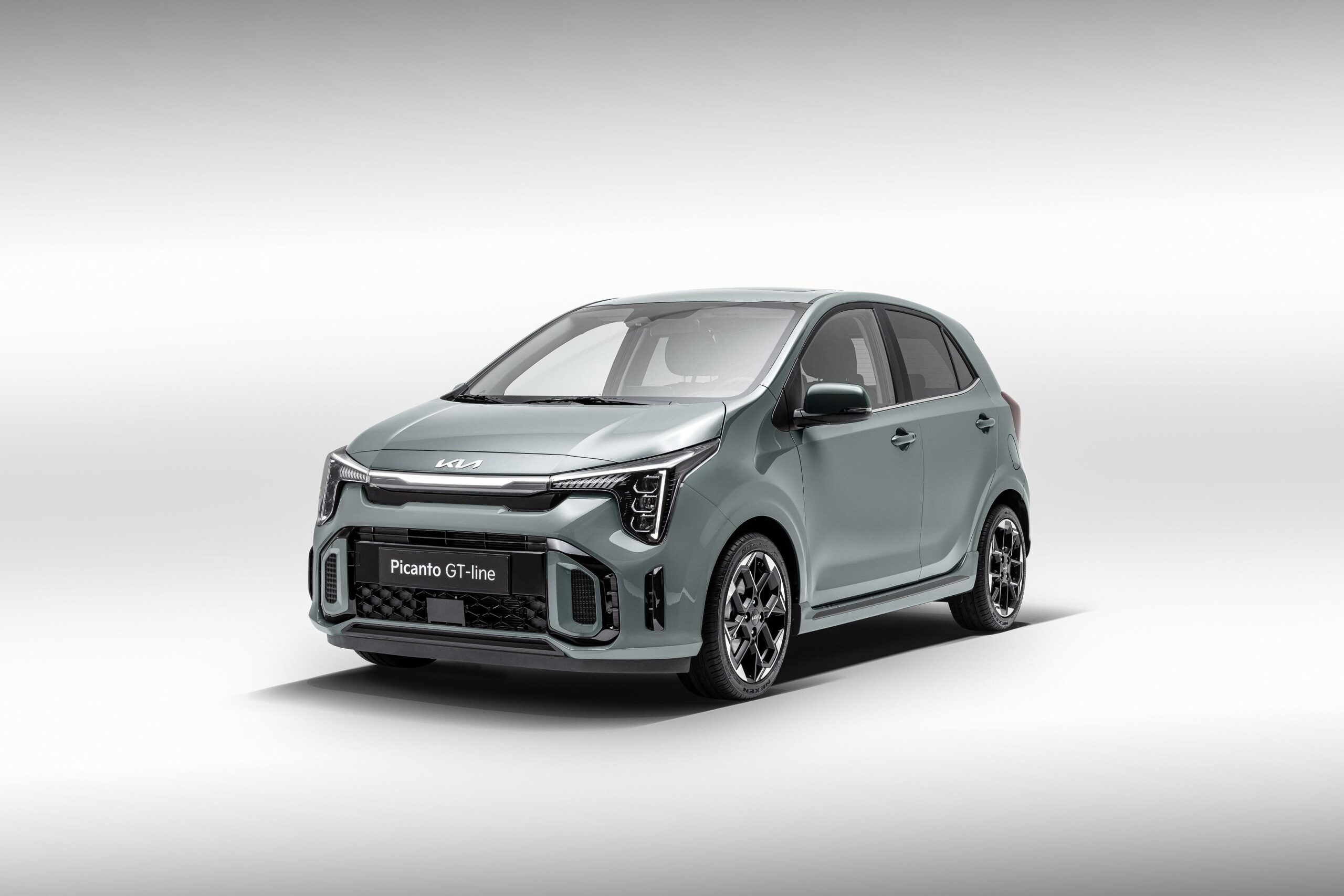
A used Kia Picanto is affordable, economical and manoeuvrable. However, the car is sensitive to wear when used intensively in the city. You are buying a reliable compact used car, but it does require extra attention for crucial components. Read on to discover what you need to look out for.
Why the Kia Picanto is a good buy
The Picanto is designed for city and local driving. The car is small, easy to park and economical to run. With a 35-litre tank you typically use between 4 and 5 litres per 100 kilometres. That makes daily commuting inexpensive. The simple petrol engines, ranging from 63 to 100 bhp, are technically uncomplicated, which keeps maintenance costs low.
An important advantage is the 7-year factory warranty that Kia offers. This warranty is transferable to the next owner, so with younger used models you can still drive for years under warranty. The Picanto also scores well for reliability, provided you know what to pay attention to when buying.
‘ Examples from 2018 to 2022 with the 1.0 DPi engine in DynamicPlusLine trim are attractive choices. ’
Prices and availability on the market
Used Picantos are widely available. Older generations from 2004 to 2016 can be found from around €500 for high‑mileage examples up to roughly €13,000 for well-maintained cars with lower mileage. The third generation, which has been produced since 2017, is available from about €6,000 up to over €23,000 for recent, low‑mileage models.
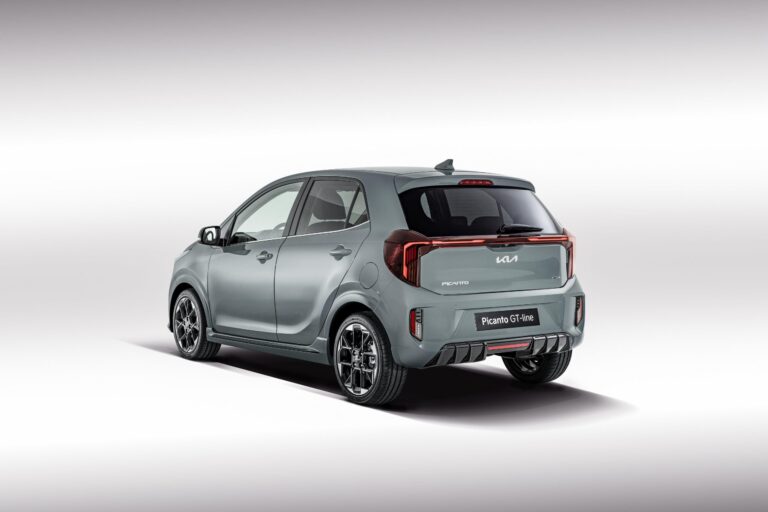
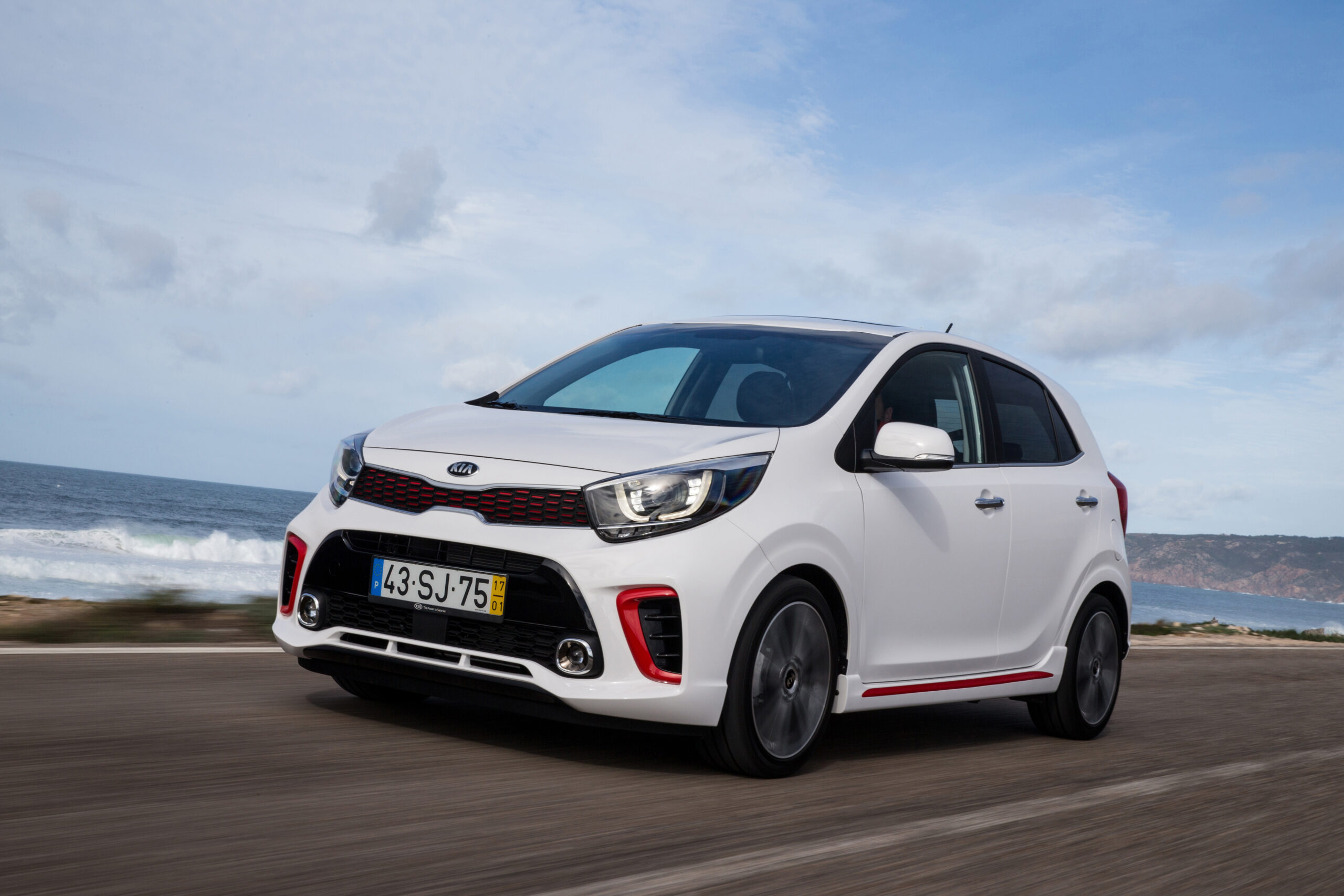
Looking for a balance between price and quality? Examples from 2018 to 2022 with the 1.0 DPi engine in DynamicPlusLine trim are attractive. These can be found for around €9,000 to €12,000 and often have fewer than 100,000 kilometres on the clock. Newer demo models from 2023 or 2024 with very low mileage cost between €18,000 and €22,000.
Always check these technical points
Despite its reliability, the Picanto has some specific weak spots that stem from the way the car is often used. City driving with lots of stop‑start traffic puts extra strain on certain components. Pay particular attention to the following:
- Clutch on cars with a manual gearbox: this wears faster with frequent city use involving a lot of shifting and clutch operation. During the test drive, check that the clutch operates smoothly without slipping or juddering.
- Injectors: on older examples the injectors can become clogged. This results in poor starting and jerky running. It is mainly seen on cars that do short trips and where the engine does not get properly warm.
- Broken wiring: the starter motor and other wiring can age and break over time, especially on cars from the first and second generations. Check that all the electronics work correctly.
- Crankshaft: at high mileages the crankshaft can show signs of wear, which leads to engine problems. During the test drive, listen for any unusual noises from the engine bay.
- Underside and rust: older models are prone to rust on the underside. Carefully inspect the wheel arches, sills and wheels for rust spots.
Test‑drive tips for models from 2017 onwards
On the newer generation Picantos from 2017 onwards, most teething troubles have been resolved. Even so, a thorough test drive remains essential. Don’t just test the car in town, but also on the motorway. The Picanto accelerates from 0 to 100 kilometres per hour in about 13 to 15 seconds, depending on the engine variant. That is adequate for daily use, but not exactly sporty.
Pay attention to sound insulation during the test drive. The Picanto is designed primarily for the city and can become noisy at higher speeds. Also test the manoeuvrability, as this is one of the car’s strengths. Check the brakes and suspension by braking firmly and taking a few bends. If there is wear, you will immediately feel play or hear noises. This may involve play in the suspension, steering or anti‑roll bars.
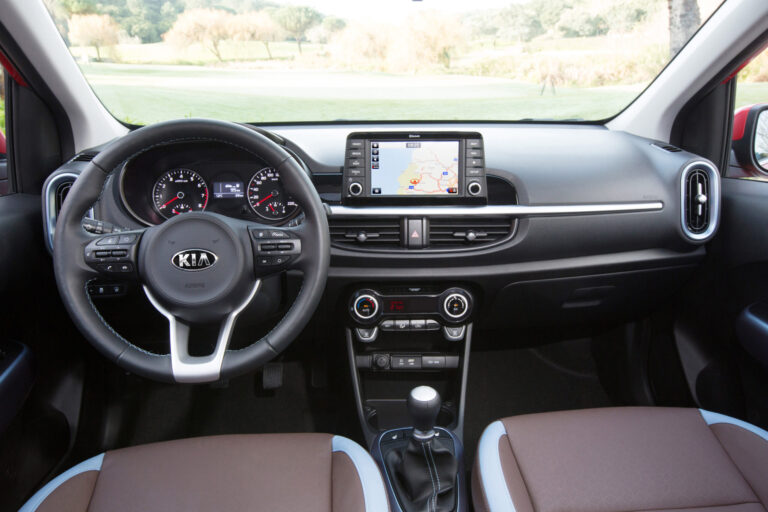
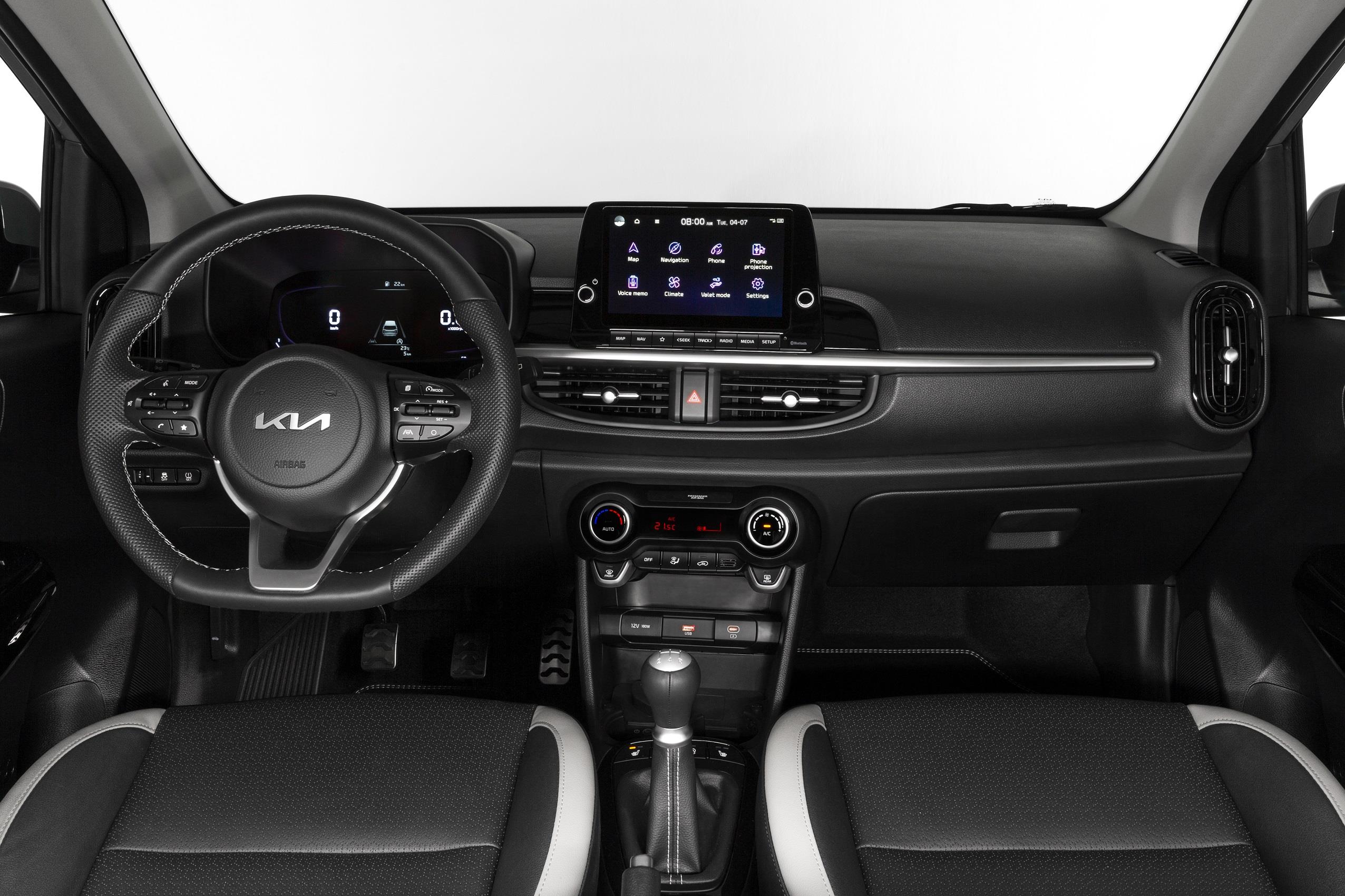
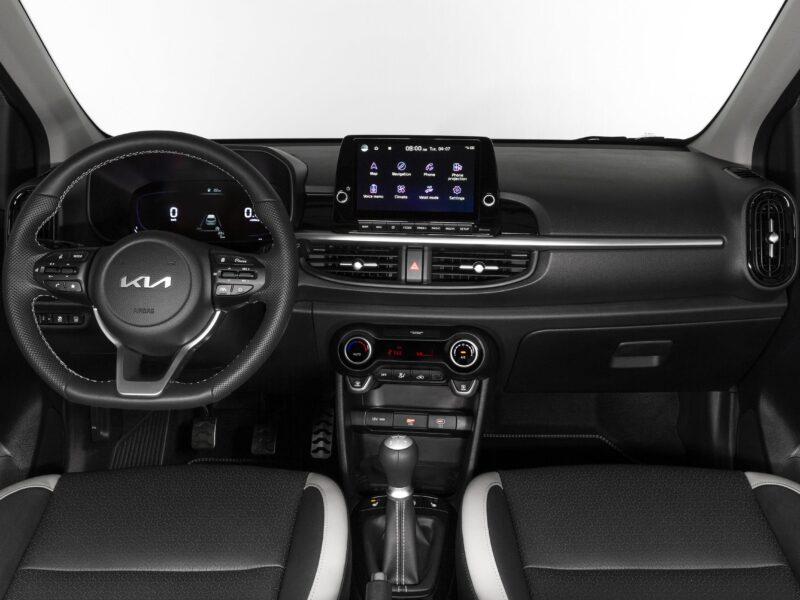
Make sure you test the air conditioning and all the electronics. Modern Picantos feature CarPlay, cruise control and parking cameras. Check that all functions work properly, as electrical repairs can be expensive.
‘ The cost of an inspection is outweighed by the potential repairs later on. ’
Common pitfalls when buying used
Always check the mileage via the National Car Pass (Nationaal Auto Pas) system, a digital register that records mileages and services. Mileage fraud is particularly common with cheap, older models. Ask for the service book and check whether services have been carried out according to schedule. Kia recommends servicing every 15,000 kilometres or once a year.
Avoid private sales without a service history. Kia dealers or approved used‑car outlets often offer extended warranties, which provide extra peace of mind. Consider a BOVAG inspection for used cars without a clear history. The cost of an inspection is outweighed by potential repair bills later on.
Also pay attention to imported cars. Some Picantos have been imported and may have different specifications. Check whether the car complies with Dutch regulations and whether any taxes have been correctly paid.
Best choice for your situation
If you are looking for a cheap starter car that will mainly be used for short trips, then an older Picanto from 2015 to 2017 with around 100,000 to 150,000 kilometres is an option. Do expect that parts such as the clutch may need replacing. Prices range between €5,000 and €7,000.
For those seeking long‑term reliability, the third generation from 2017 onwards is a better choice. Models from 2018 to 2020 offer modern equipment such as LED lighting, a touchscreen and safety systems. With mileage under 80,000 kilometres you will pay between €9,000 and €12,000.
If you want maximum peace of mind and modern features, consider a recent demo model from 2023 or 2024. These often still have factory warranty and are available for around €18,000 to €20,000, saving you several thousand euros compared with a brand‑new car.
Compare with alternatives
The Hyundai i10 is technically related to the Picanto and offers similar reliability. The Toyota Aygo is also known for low maintenance costs and durability. Both models are similarly priced on the used‑car market.
The Picanto stands out thanks to its longer factory warranty and slightly more interior space compared with the Aygo. The i10 offers similar space but is often a little more expensive in equivalent trim.
‘ That way you avoid unpleasant surprises. ’
Looking for more car knowledge?
The Kia Picanto is a smart choice if you are looking for an affordable, economical city car with long‑term reliability. Check specifically for the known weak spots, such as the clutch, injectors and susceptibility to rust. That way you avoid unpleasant surprises. Choose models from 2017 onwards with a clear service history and some remaining factory warranty.
On the Carnews website you will find plenty more buying advice, maintenance tips and practical information on different car makes and models. Discover which car best suits your situation and read about other car enthusiasts’ experiences.
Frequently asked questions
The most reliable and economical engine variants are the simple 1.0‑litre petrol engines, especially the 1.0 DPi in the third generation (from 2017 onwards). This engine is known for its low fuel consumption (around 4–5 l/100 km), limited complexity and good reliability. For a used purchase, a 1.0 DPi from model years 2018–2022 usually offers the best balance between efficiency, reliability and age. Ideally avoid heavily aged pre‑2017 models without a proper service history or with rust problems.
During the test drive, pay attention to a cold start: start the engine from cold and listen for rattling noises (which may indicate timing chain wear) and irregular idling. Test the clutch (on manual models) by accelerating firmly in a high gear: slipping or a high biting point indicates wear. Check that the car tracks straight and drives smoothly, and brake firmly from 80–100 km/h down to 0 without vibration or pulling to one side (suspension/brakes). Test all the electronics and air conditioning, and listen for additional noises from the dashboard and suspension when driving over speed bumps, as these can point to worn bushes or poor maintenance.
Common wear points on the Kia Picanto at higher mileages include rust on the older generations (particularly on the underside and sills) and a potentially worn or rattling timing chain. In addition, the clutch (on manual versions), brakes and suspension deserve extra attention, as these are relatively heavily stressed by frequent city driving. Electronics and air conditioning can show faults on intensively used examples, although overall reliability generally remains good. It is advisable to have a technical pre‑purchase inspection carried out on high‑mileage cars, with particular focus on the running gear, rust and drivetrain.
Yes, the remaining Kia factory warranty (up to 7 years, transferable) definitely offers benefits such as cover for unexpected repairs and lower financial risks, which makes a used Picanto more attractive and helps it hold its value. Check until what date or mileage the factory warranty is valid and whether all services have demonstrably been carried out according to the service schedule at authorised garages. Also check whether there is any additional dealer or BOVAG warranty on top of the factory warranty. Always ask for the complete service history and have the car inspected technically to avoid hidden defects that fall outside the warranty.
On the used market, the Kia Picanto trims **DynamicLine** and **DynamicPlusLine** in particular offer the best balance between equipment, comfort and driving pleasure. The **1.0 DPi DynamicPlusLine (model years approx. 2018–2022)** is often mentioned as the “best buy” thanks to features such as cruise control, Apple CarPlay/Android Auto, parking sensors/camera and a good level of safety equipment. These trims combine the Picanto’s low fuel consumption and manoeuvrability with noticeably more comfort (better seats, air conditioning, infotainment). Ideally, look for an example with a full service history and some remaining factory warranty.