

Kia Sorento: what problems are you likely to encounter?
The Kia Sorento is a popular family SUV that is praised for its space and value for money, but it does have some well-known weak spots when it comes to the engine, transmission and electronics. It is wise to be aware of these problems before you buy a Sorento, or if you want to keep your current model in good condition. Read on to find out which issues crop up regularly and how to deal with them.
In recent years Kia has developed into a reliable brand. The Sorento, however, is not completely free of faults. Problems with Kia occur in various models and the Sorento is no exception. Some issues are minor and can be solved with regular maintenance. Others require more attention and can lead to expensive repairs. The Sorento has been produced in several generations and certain faults can occur in specific model years.
The Kia Sorento in brief
The Kia Sorento is a mid-size SUV. The model has been in production since 2002. The car combines generous boot space with an optional third row of seats, making it suitable for large families. Kia offers the Sorento with several engines, including petrol, diesel and hybrid variants. The SUV competes with models such as the Hyundai Santa Fe, Skoda Kodiaq and Peugeot 5008.
Over the years, the Sorento has gone through four generations. Each generation has brought improvements in technology and comfort, and safety has also increased. The latest models come with advanced infotainment systems and a range of driver assistance systems. The finish is of good quality. Prices range between about €35,000 and €50,000, depending on trim level and engine.
‘ Newer models suffer more from electronic faults. ’
Is the Kia Sorento reliable?
Kia is known for its extensive 7-year or 150,000-kilometre factory warranty, which inspires confidence in its reliability. In independent reliability surveys the Sorento scores mixed results. Some studies place the model in the mid-range, while many owners actually experience the Sorento as reliable.
The model year has a major influence on reliability, and the engine variant also plays a role. Older generations suffer more frequently from engine problems, while newer models tend to have more electronic faults. Regular maintenance according to the manufacturer’s schedule is essential and helps prevent issues. Many owners report that the Sorento continues to drive well, provided you stick to the service intervals and do not wait too long to fix minor defects.


Most common engine problems
Engine problems are among the most frequently reported complaints with the Kia Sorento. It often starts with an irregular idle speed, and the engine may also vibrate while driving. These signs point to problems with the ignition coils. Blocked fuel injectors are another possible cause, and a defective turbocharger also occurs.
The Sorento’s diesel engines sometimes suffer from soot build-up in the particulate filter (DPF). This leads to a loss of power and increased fuel consumption, as the filter becomes clogged. Some owners report that the engine then goes into limp-home mode. Regular regeneration of the filter helps to prevent this.
Oil consumption is another well-known issue. In some model years the engines use more oil than expected, particularly after 100,000 kilometres. Check the oil level regularly and top up if it is too low. If the oil consumption seems excessive, have the engine inspected.
Timing chain problems
The timing chain wears over time. You then hear rattling noises from the engine bay, especially when starting the engine. A worn timing chain can lead to serious engine damage if the chain breaks or skips a tooth.
Have the timing chain checked at each service, especially on cars with a higher mileage. Replacing the chain is expensive, but it prevents much more costly engine repairs. Some model years are more prone to this problem than others; the second-generation Sorento from 2010–2015 suffers from this more often.
Transmission problems and gearshift faults
The Sorento is available with a manual gearbox or an automatic. In some cars, the automatic transmission suffers from jerky gear changes and delayed responses when shifting. These complaints are more common in older models with high mileage.
Poorly maintained transmission fluid is often the cause of gearbox problems. Replace the transmission fluid in line with Kia’s recommendations, even if some manuals suggest it is not necessary. A fluid change can help to resolve jerky shifting and will also extend the life of the gearbox.
Some models are fitted with a manual gearbox. Owners of these versions report clutch problems, with the clutch wearing prematurely. This is particularly the case for cars that frequently tow a trailer. Typical symptoms are a noisy clutch, difficult gear changes or the clutch biting higher up the pedal travel.
‘ The Sorento’s battery runs flat more quickly than you would expect. ’
Electrical and electronic faults
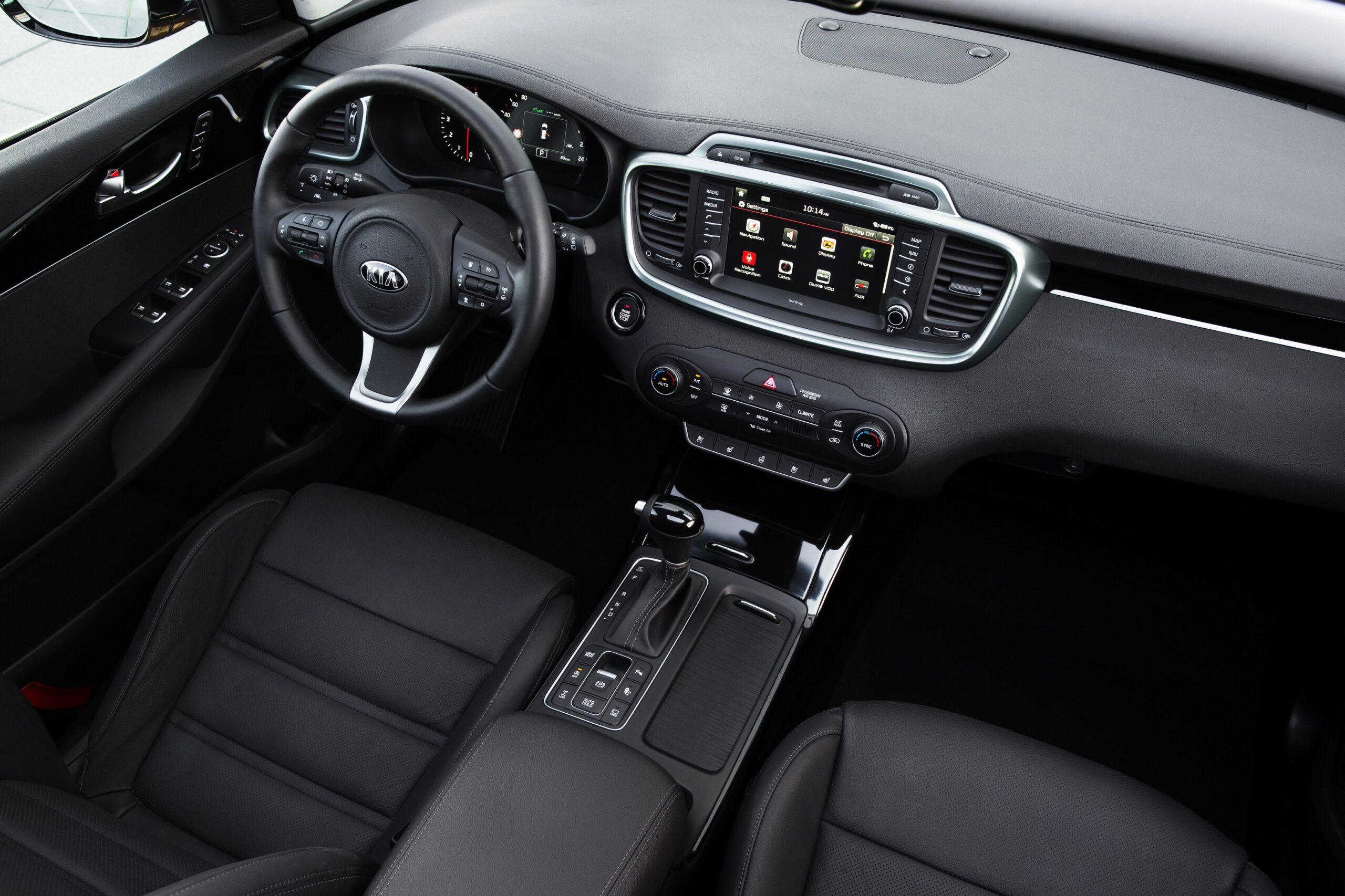
Electrical problems are fairly common on the Kia Sorento, especially on models with a lot of electronic equipment. The infotainment system sometimes freezes and stops responding to touches, or randomly restarts. This is annoying, but is often resolved with a software update at the dealer.
Sensors for the driver assistance systems can sometimes trigger false alarms. Parking sensors may report obstacles that are not there, and the lane-keeping assist may occasionally warn without good reason. Check whether the sensors are dirty or damaged, and only have them replaced if it is really necessary.
The Sorento’s battery tends to run flat more quickly than expected, particularly in cars that are not used very often. The keyless entry system is constantly active, and other electronics also contribute to the problem. If you leave the car parked for longer periods, use a trickle charger.
Engine management faults
The engine management system sometimes displays fault codes even though no clear problem can be found. Owners report engine warning lights that come on and go off again. Have the fault codes read out so you can determine whether there is actually a fault.
The oxygen sensors (lambda sensors) fail over time. This leads to higher fuel consumption and reduced performance. Replace defective oxygen sensors to keep the engine management system working properly.


Chassis and suspension: what should you look out for?
The Sorento’s chassis is generally robust, but here too there are wear issues. Anti-roll bar links usually wear out between 80,000 and 100,000 kilometres, and the rubber components in the suspension also deteriorate. You then hear creaking noises over bumps in the road; knocking noises are another warning sign.
The shock absorbers wear gradually. You will notice the handling getting worse, with the car feeling more unsettled in corners. Have the shock absorbers checked and replaced if they are leaking or no longer damping properly.
The steering sometimes develops play, causing the steering wheel to wobble slightly and the car to respond with a delay when you turn the wheel. During periodic inspections, check the track rod ends and also inspect the driveshafts.
Brake problems and safety systems
The Sorento’s brakes are generally reliable, but brake discs can wear prematurely if the car mainly does short trips. The brakes then do not get properly warm and corrosion occurs. Check the thickness of the brake discs and pads regularly.
The ABS system can cause problems when the sensors are dirty. The ABS warning light then comes on, often because of contamination on the ABS sensors. Corrosion also plays a role. Clean the sensors or replace them if they are damaged.
The ESP system is sensitive to faults. Warning lights may appear on the dashboard and the stability control system then works less effectively. Have this checked straight away, as ESP is important for safety.
‘ This is particularly annoying on newer models, where you do not expect it. ’
Other common complaints
The air conditioning becomes less effective over time, often due to refrigerant leaks. Have the air-con system checked periodically and re-gassed if it no longer cools properly.
The interior trim shows wear. Owners report squeaks from the dashboard and creaking sounds from the door panels. This is particularly annoying on newer models, where you do not expect it. It often helps to refit loose panels securely or to add rubber strips.
The windscreen wipers sometimes smear across the windscreen. Worn wiper blades are usually to blame, and a dirty windscreen can also contribute. Replace the wiper blades regularly and clean the windscreen thoroughly.


Model year-specific points to watch
The second-generation Sorento from 2010 to 2015 is more prone to engine problems. These complaints are less common on newer models. Pay particular attention to the 2.0 diesel from this period, and the 2.2 diesel also deserves extra scrutiny. These engines suffer from turbocharger issues and faults in the EGR system.
The third generation, built from 2015 to 2020, has fewer engine problems but more frequent electronic faults. The infotainment system shows teething troubles on cars from the first production years, and the driver assistance systems are also more likely to malfunction.
The fourth generation from 2020 onwards is relatively new and so far shows fewer issues. Some owners report faults in the hybrid system, affecting the hybrid variants. Check with the dealer whether software updates are available.
Recalls and factory measures
Kia has carried out recalls for the Sorento relating to engine problems, the braking system and the airbags. Check with your dealer whether your car is affected by a recall and have the work carried out free of charge.
Some recalls relate to a risk of fire, caused by engine problems. For certain model years Kia has installed warning software that alerts the driver if the engine temperature is abnormal. If your car falls into this category, make sure this software has been installed.
The factory warranty covers problems in the first few years. Make use of this warranty if you notice a fault, and keep all service invoices so that you can prove the car has been properly maintained.
‘ Driving style has a direct impact on the car’s mechanical condition. ’
Prevent problems with the Kia Sorento
Regular servicing is the best way to prevent problems with your Sorento. Follow the maintenance schedules prescribed by Kia and have the car serviced at a specialist garage; the main dealer is also a good option. Oil changes are important, and replacing filters is just as essential.
Check the oil level yourself on a regular basis. Also check the coolant and brake fluid. This costs little time but helps you avoid major problems. If a warning light appears, take action. The same applies if you notice unusual noises.
Your driving style affects the car’s mechanical condition. Frequently starting the engine from cold puts extra strain on it, and short journeys are hard on the exhaust system. Take a longer trip from time to time so the engine reaches proper operating temperature and the particulate filter can regenerate.
- Replace engine oil and filter according to the schedule
- Have the timing chain checked at high mileage
- Have the transmission fluid changed
- Clean or replace the air filter regularly
- Check the brakes and suspension during the MOT
- Update the infotainment software at the dealer
Buying a used Sorento: what to look out for
If you are buying a used Kia Sorento, the service history is important. Ask for all service invoices and check whether the major services have been carried out. A fully stamped service book is reassuring.
Take a test drive and listen for unusual noises from the engine. Noises from the chassis also need attention. Test the gearbox and watch out for jerky shifts or delayed responses. Check that all electronic systems work properly.
Have the car inspected by a professional before you buy. A specialist can spot hidden defects that you might miss. Look for rust underneath the car and check that the engine is dry; oil leaks are a warning sign.
Ask about recalls and check whether they have been carried out. You can request this information from the dealer using the registration number or the VIN (chassis number). Ideally, buy a car that still has some factory warranty remaining so you are protected against unexpected repair bills.
The Kia Sorento: a good choice?
The Kia Sorento offers plenty of space, good comfort and a reasonable price. It is well suited to families, with enough seats for those looking for a practical SUV. The factory warranty provides peace of mind and overall reliability is acceptable, as long as the car is maintained properly.
Do, however, bear the known weak points in mind. Older model years suffer from engine problems, while newer models are more prone to electronic faults. Ideally, buy a car with a complete service history and have it inspected before you commit to the purchase. If you then look after the car properly, a Sorento can give you many years of trouble-free motoring.