
Kia Soul: what to look out for with this quirky model
The Kia Soul is a compact crossover with a distinctive boxy shape that has been popular with car enthusiasts for years. The model offers plenty of space, an affordable price and lively handling in the city. But what are the known weak spots of this quirky model? Owners regularly report problems with the engine, electronic faults and wear to specific components. Want to know what you need to watch out for?
Why the Kia Soul is discussed separately
The Kia Soul has a very specific character and target audience. The model attracts buyers who opt for practical space in a compact format. As the Soul has been produced in several generations since 2009, there is plenty of data and user experience available. Some issues are more common in certain model years. For potential owners or buyers, it is useful to know these problems with Kia models before investing in a Kia Soul.
‘ They are not completely free of teething troubles, though. ’
How reliable is the Kia Soul really?
The Kia Soul scores from average to good in terms of reliability. Many owners praise the solid build and the easy-to-maintain nature of the car. The standard five-year factory warranty inspires confidence. That said, users also report weaknesses, especially with older model years from before 2015. The later generations from 2020 onwards show fewer complaints. They are not completely free of teething troubles, though.
Engine problems that occur regularly
Engine-related complaints are quite common with the Kia Soul. Owners of models with the 2.0-litre petrol engine sometimes report excessive oil consumption. If this problem goes unnoticed, it can lead to engine damage. That is why you should have the oil level checked regularly.
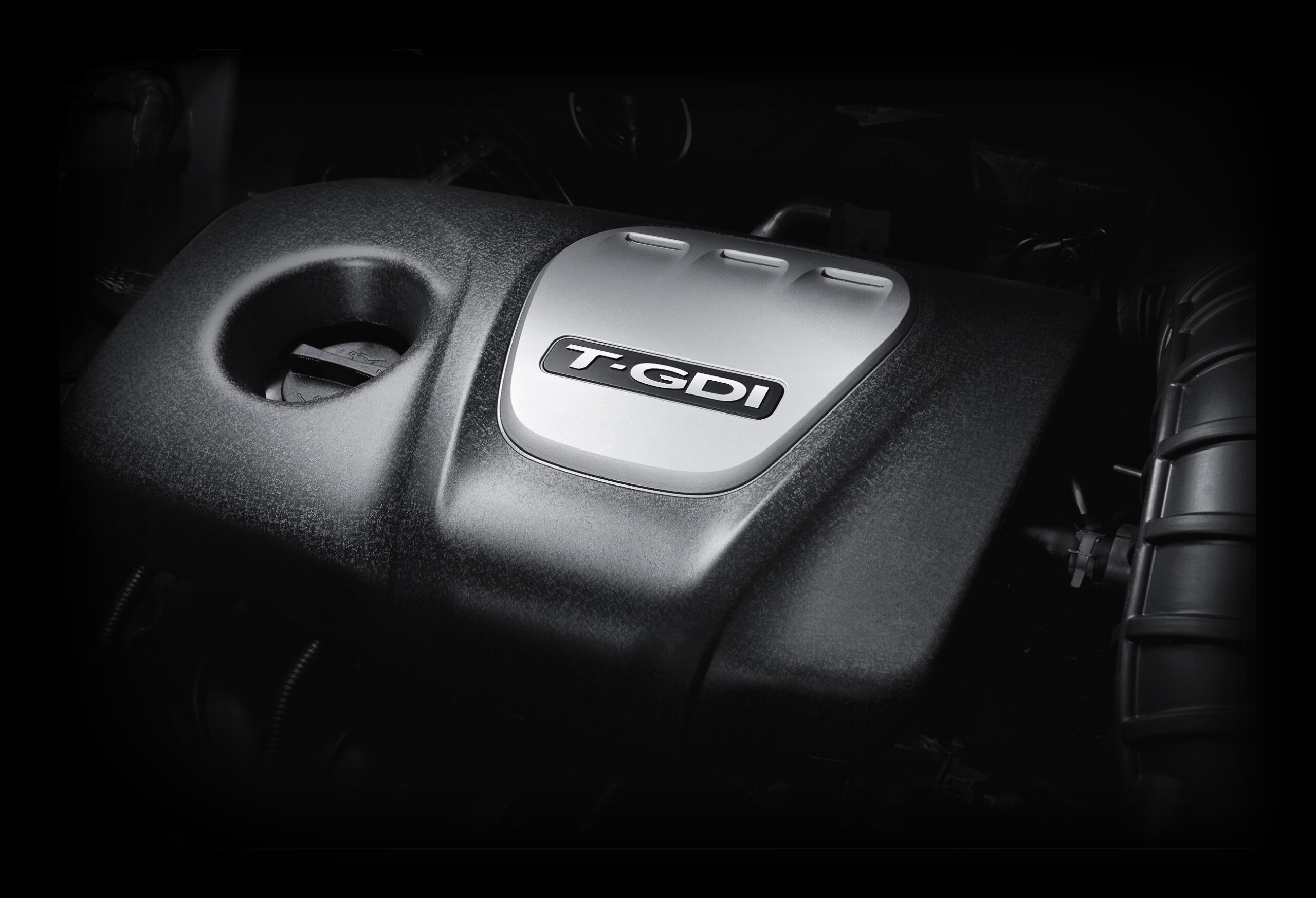
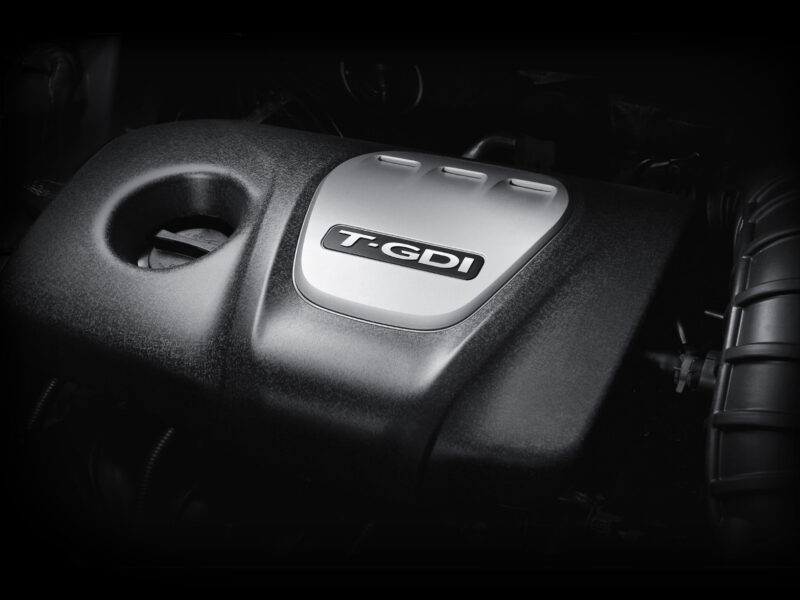
The GDI engine (Gasoline Direct Injection) in some versions can suffer from carbon build-up on the intake valves. With this technology, fuel is injected directly into the combustion chamber. This can lead to:
- Hard starting
- Rough or unstable idling
- Loss of power
- Increased fuel consumption
Regular servicing using quality fuel helps to reduce this problem. With older models, professional cleaning of the intake valves may be necessary.
Transmission problems and what to expect
The manual gearbox in the Kia Soul is generally reliable. The automatic transmission shows more complaints in some model years. Owners report jerky gear changes or delayed responses, especially when the car is cold.
With the DCT (Dual Clutch Transmission), problems can develop over time, such as:
- Vibrations at low speed
- Jerky or hesitant gearchanges
- Burning smell during intensive use
Have the transmission fluid changed according to the service schedule. This extends the lifespan and reduces the risk of faults.
‘ Have electrical issues diagnosed quickly to prevent further damage. ’
Electrical and electronic faults
The infotainment system can start to play up after a few years. Complaints often involve frozen screens, dropped Bluetooth connections or slow-responding touchscreens. Sometimes a reset via the settings helps, but hardware problems require replacement of modules.
Other electronic faults that occur include:
- Air conditioning that cuts out unexpectedly
- Parking sensors that give false warnings
- Faults in the reversing camera
- Starting problems due to a weak battery
Have electrical issues diagnosed quickly to prevent further damage.


Chassis and suspension: where wear occurs
With the Kia Soul, the shock absorbers wear out faster than expected under intensive city use. This shows up as rattles over uneven surfaces and reduced comfort. Replace the shock absorbers at the first signs of leakage or loss of damping.
Wheel bearing problems are common after 80,000 kilometres. You will recognise this by a droning noise that increases with speed. Have wheel bearings replaced in good time to prevent further damage to the chassis.
The rubber suspension bushes can age over time, which leads to:
- Rattling noises
- Less precise steering feel
- Uneven tyre wear
Brakes and steering: points to watch
The front brake discs wear relatively quickly under normal driving conditions. This is not a defect, but it does mean they need regular checks. Replace brake discs and pads as a set to maintain optimal braking performance.
With some models, noises occur when braking, often caused by dust or rust on the discs. This usually disappears after a few braking manoeuvres.
The electric power steering generally works well. A few owners report heavy or, conversely, overly light steering assistance after a software update. This can be adjusted by the dealer.
‘ Minor stone chips can lead to surface rust if neglected. ’
Interior and exterior: minor irritations
Rust is not a widespread issue on the Kia Soul, but do check the underside and wheel arches on used examples. Minor stone chips can lead to surface rust if neglected.
Inside, the seat upholstery and steering wheel wear under intensive use. This is normal and mainly occurs on high-mileage cars. Some owners complain about rattling dashboard trim or clips working loose.
Problems with the tailgate occur occasionally. The gas struts can weaken, causing the tailgate to no longer stay open by itself.
Important recalls for the Kia Soul
Kia has carried out recalls for various model years. Always check with the dealer whether your car is affected by a recall. Known recalls relate to:
- Fire risk due to a short circuit in the engine
- Defective airbag modules
- Faults in the electric power steering
- Problems with the fuel pump
These actions are carried out free of charge by the dealer. If your car is on the list, have it sorted straight away.
Maintenance tips to prevent problems
Regular servicing is the best way to prevent expensive repairs. Follow the manufacturer’s service schedule and use the correct grade of oil and filters.
Practical tips for owners:
- Check the oil level monthly, especially on older models
- Replace the brake fluid every two years
- Have the air conditioning checked annually
- Use quality fuel to minimise carbon build-up
- Regularly inspect the tyres for uneven wear
At the first signs of faults, have a diagnosis carried out immediately. This prevents minor issues from turning into costly repairs.
‘ Transmission complaints often require professional help. ’
How do you fix common faults?
With engine problems, start with a thorough diagnosis using an OBD scanner. Fault codes give you direction on possible causes. Deal with oil consumption by topping up regularly and monitoring closely. If consumption is extreme, consider an engine inspection.
Transmission complaints often require professional help. Have the transmission fluid checked and replaced if necessary. With DCT issues, a software update can sometimes help.
For electronic faults, first try resetting the system. If this does not work, have the dealer read out the fault memory. Many electronic issues are resolved with software updates.


What should you look for when buying a used Kia Soul?
Always check the service book. A fully documented service history inspires confidence. Ask about known issues and repairs that have been carried out.
During the test drive, pay attention to:
- Smooth gear changes without judder
- No unusual noises from the engine or chassis
- Properly functioning electronic systems
- No warning lights on the dashboard
- Even tyre wear
Have an independent garage carry out a comprehensive inspection before you buy. This helps avoid unpleasant surprises.
Is the Kia Soul a sensible choice?
The Kia Soul is a practical and affordable compact crossover. The model offers plenty of space and has a distinctive appearance. Reliability is generally good, especially with later model years. Older examples require more attention to maintenance and to known weak spots.
Regular servicing and swift action when faults appear keep costs manageable. For anyone looking for a spacious city car with a low entry price, the Soul remains an interesting option. Ideally, buy a well-maintained example with full history and have a technical inspection carried out beforehand.