Kia Sportage: what you need to know about common problems
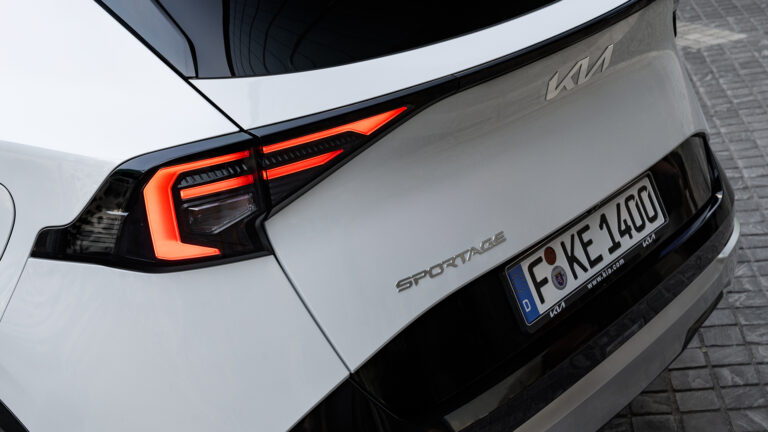
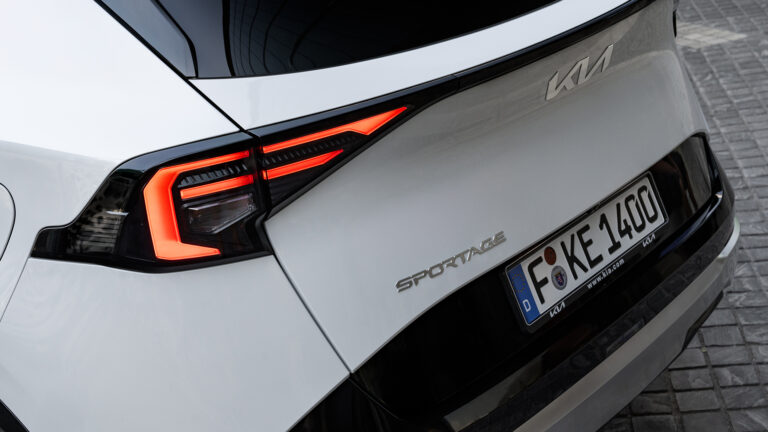
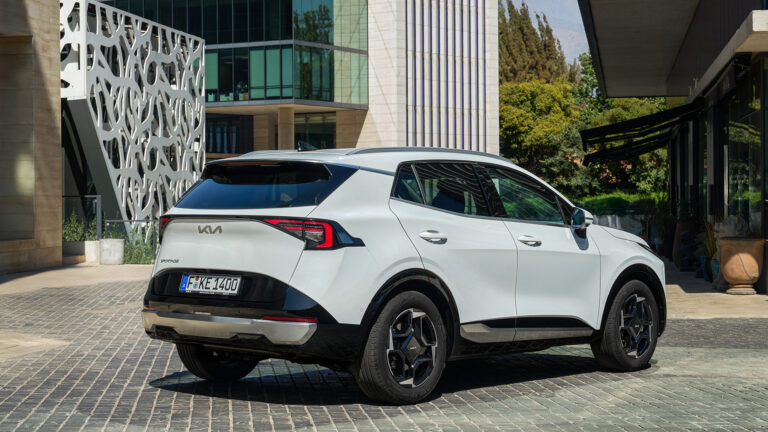
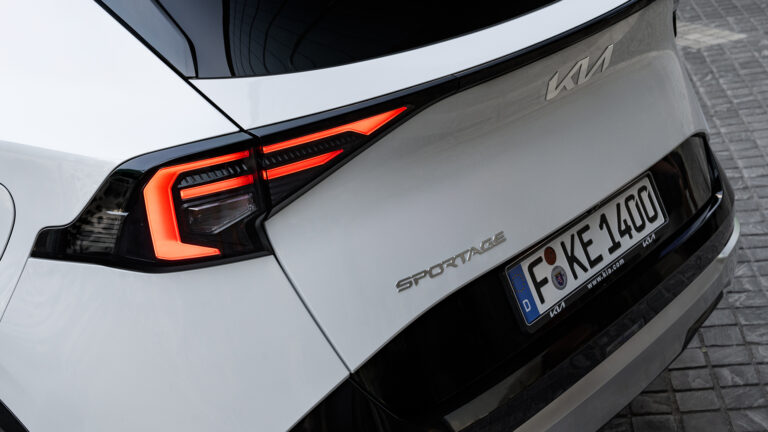
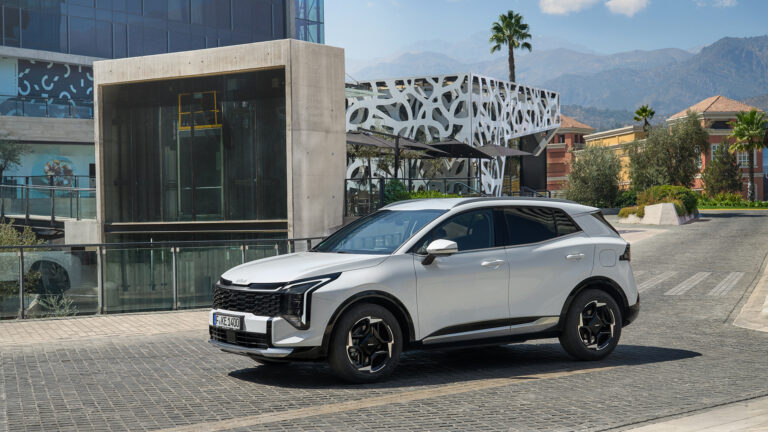
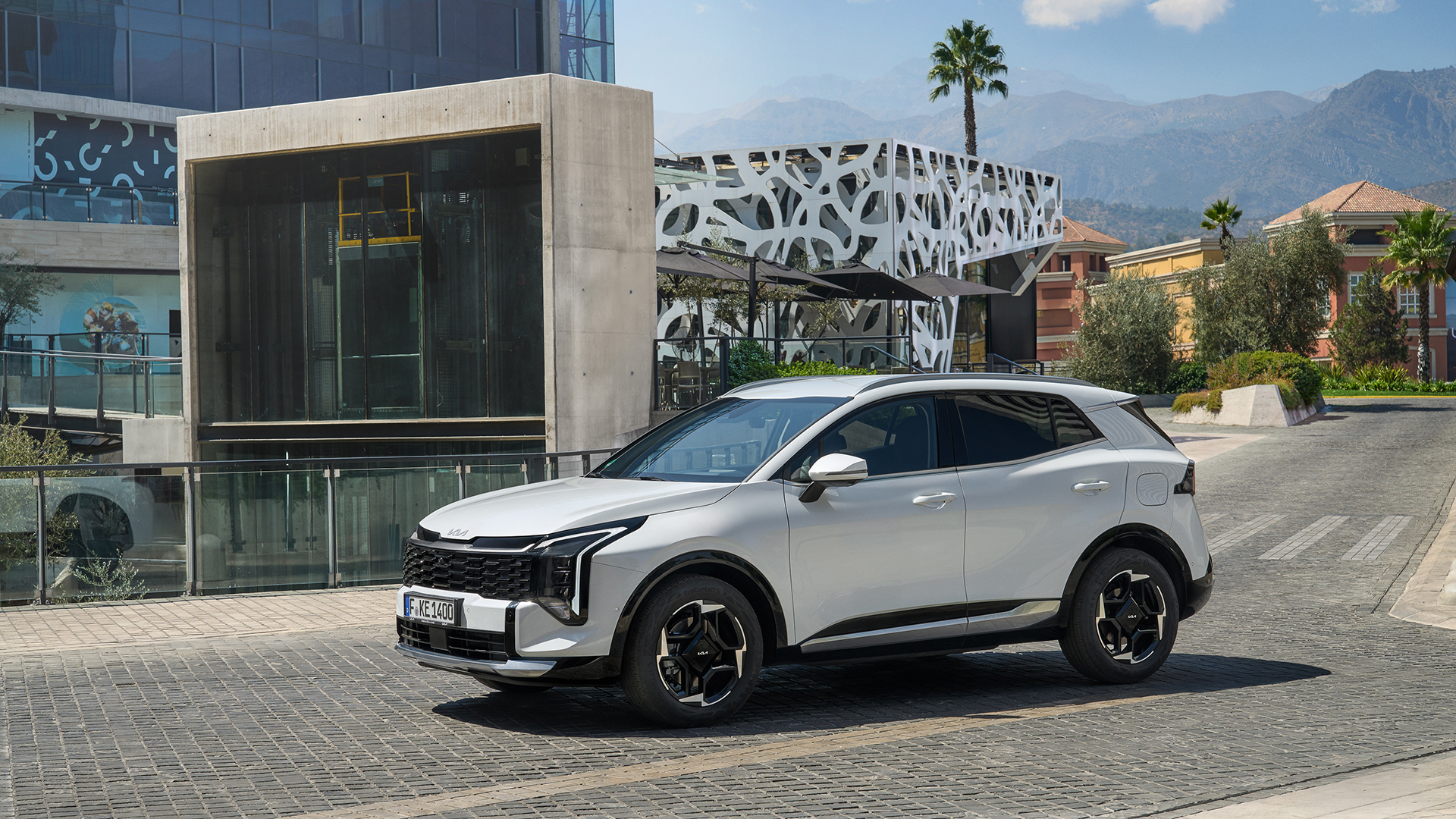
The Kia Sportage is one of the best-selling SUVs in the Netherlands, but it also has a number of recurring technical issues. From engine problems to electrical faults: different generations of the Sportage show specific weak spots you should know about as a buyer or owner. Being aware of these points can prevent a lot of repair costs and headaches.
Kia has made many improvements in recent years, but the earlier generations still appear regularly on the used car market. Many owners have experienced complaints that are typical for this model and occur more often than average. Car problems with Kia are fortunately well documented, so as a buyer you know exactly what to look out for.
The Kia Sportage scores reasonably on reliability
Overall, the Kia Sportage performs quite well in reliability tests, although there are clear differences between generations. The third generation from 2010 to 2016 shows more weak spots than the newer models. Kia offers a multi‑year factory warranty, which underlines confidence in the brand.
Compared with direct competitors – the Nissan Qashqai and Toyota RAV4 – the Sportage sits in the middle of the pack. The Japanese brands often score just a little higher on long‑term reliability. The Kia compensates for this with modern technology and favourable warranty conditions.
Owners mainly report problems with models that have been used intensively or where maintenance has been postponed. With regularly serviced examples, the issues often remain limited to minor niggles. However, there are points of attention that can crop up regardless of service history.
‘ Don’t ignore this noise, because a broken timing chain leads to serious engine damage. ’
Engines with oil consumption and timing chain complaints
The 1.6 GDI petrol engine from the third generation regularly suffers from increased oil consumption. This can lead to wear of engine components and, in severe cases, engine damage. Check the oil level regularly and keep a close eye on it.
On some diesel engines, particularly the 1.7 CRDi and 2.0 CRDi, injector failures occur. Faulty injectors cause a rough engine sound, vibrations and increased fuel consumption. Replacement is expensive, especially if several injectors fail at the same time.
The timing chain on older models can wear out prematurely. This shows up as a rattling noise when starting or when driving gently. Don’t ignore this noise, because a broken timing chain leads to serious engine damage. Timely replacement prevents a lot of trouble.
Turbo problems occur mainly on high‑mileage diesel engines. A defective turbo results in loss of power, smoke and a whistling noise. If you suspect turbo issues, have a diagnosis carried out quickly.
Automatic gearbox and DCT with early issues
The Dual Clutch Transmission (DCT) in the Sportage has caused frustration for some owners. Jerky shifts, hesitant gear changes and a clutch that unexpectedly slips are commonly reported complaints. This mainly occurs in city traffic at low speeds.
Software updates have solved many DCT problems, but not all cars have been updated. When buying, check whether the latest software version has been installed. Sometimes a transmission oil change helps to reduce the shifting issues.
The traditional automatic generally gives fewer problems than the DCT. Even so, there are complaints here too about rough shifting or gears sticking. This may indicate gearbox wear or contaminated transmission oil.
On manual Sportages the complaints are limited. Occasionally there are problems with the clutch slave cylinder or worn clutch pedals. These are relatively simple and affordable to replace.
Electrical problems with sensors and displays
The trip computer and infotainment system can freeze or restart randomly. This occurs mainly on older models with many software modules. A reset sometimes helps, but stubborn cases require a software update at the dealer.
Parking sensors regularly give false alerts or stop working. This is often caused by dirt or moisture in the sensors. Cleaning can solve the problem, but sometimes the sensors need to be replaced.
The air conditioning can refuse to blow cold air. This may be due to a leak in the system, a defective compressor or a failed fan. Have the system checked and re‑gassed regularly to prevent problems.
Some owners report faults in the central locking system. Doors that will not open or will not lock point to a defective door lock or an electrical issue. Replacing the lock mechanism usually solves the problem.
‘ This is a safety‑critical component that must be repaired immediately. ’
Suspension and brakes need regular attention
Shock absorbers can show signs of wear from as little as 80,000 kilometres. Poor damping results in a bouncy ride, unexpected bottoming out and longer stopping distances. Check the shock absorbers regularly and replace them if in doubt.
Wishbone bushes wear faster than average, especially if you often drive on poor‑quality roads. This results in rattles and knocking noises while driving. Replacement is affordable but must be done in time to prevent further damage.
Brake discs can rust prematurely or become warped, which leads to vibrations when braking. This occurs more often on cars that are used infrequently or mostly on short trips. Have the brakes checked annually.
On some models problems arise with the electric power steering. A heavy or, conversely, overly light steering feel may indicate a fault in the system. This is a safety‑critical component that must be repaired immediately.
Interior and bodywork with minor annoyances
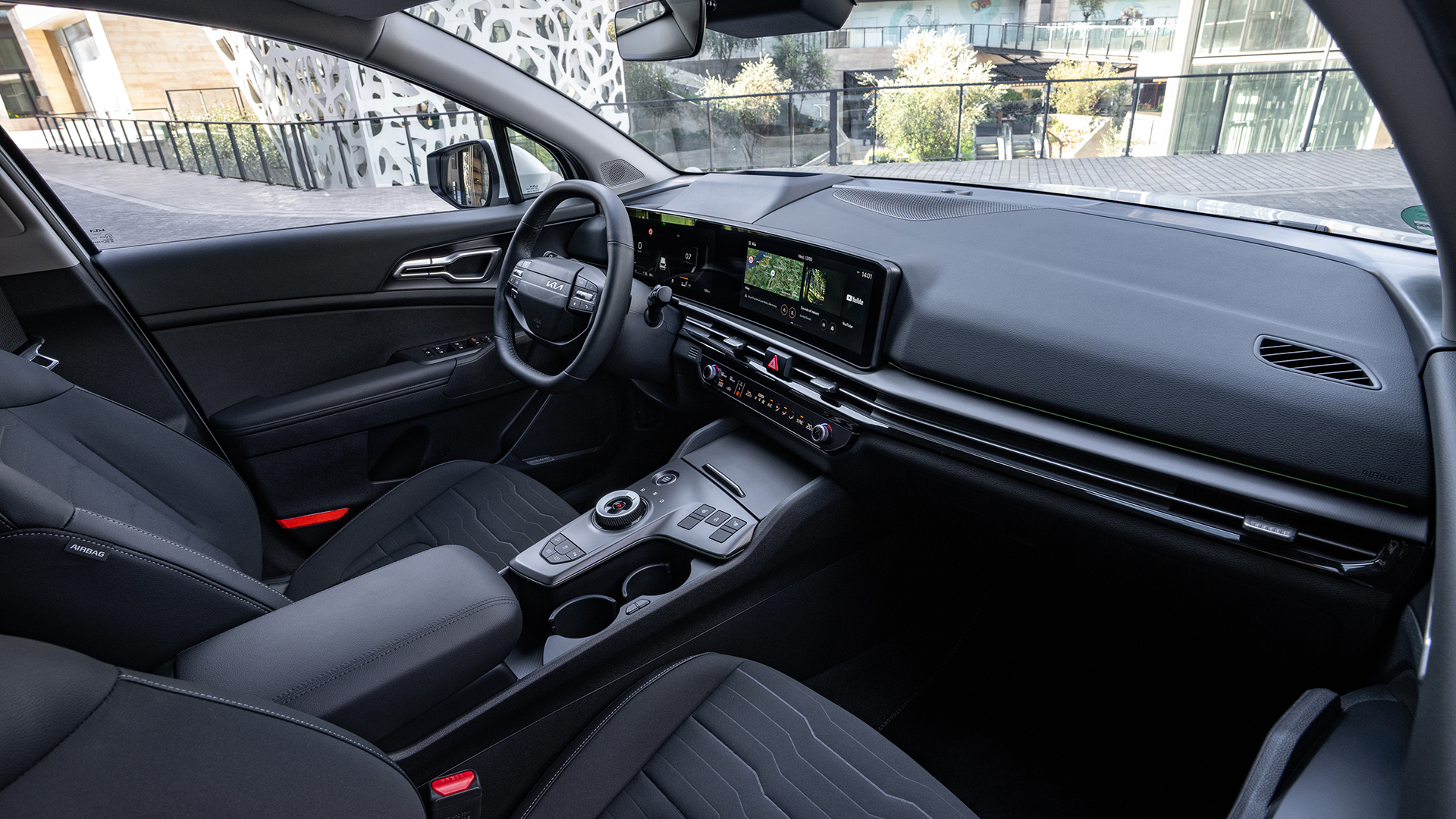
The dashboard can produce rattles and creaking noises, especially in cold weather. This is caused by shrinkage of plastic parts. Sometimes felt strips between the panels help to dampen the sound.
The tailgate on older models can become heavy to open or even drop down on its own. The gas struts lose their strength. Replacement is simple and inexpensive.
Paint on the bonnet and around the wheel arches can start peeling prematurely. This occurs mainly on models from the 2010 to 2013 production years. Check the condition of the paint thoroughly when buying.
Heated seats can fail due to a broken heating element or a defective switch. Replacement often costs more than expected because the upholstery has to be removed.
Generation differences: which model years are most problematic
The second‑generation Sportage (2005–2010) mainly shows problems with the timing chain and turbochargers. These models are now dated and require more maintenance. Only buy examples with a complete service history.
The third generation (2010–2016) has the most complaints around the 1.6 GDI petrol engine and the DCT gearbox. Models from 2013 and later are slightly more reliable because Kia has resolved many early issues. Pay particular attention to the early production years.
The fourth generation (2016–2021) is generally more reliable, although electrical faults still occur. The engines are more modern and cause fewer problems. This generation scores better in reliability surveys.
The current fifth generation (from 2021) has not yet covered many kilometres, so structural problems have not fully emerged. Early experiences are largely positive, but some owners report software issues.
‘ You should always take warning lights on the dashboard seriously. ’
Recognising and diagnosing problems
A rattling noise when starting often points to timing chain problems. Never ignore this sound and have it checked immediately. A broken chain leads to costly engine damage.
Vibrations while driving can indicate worn engine mounts, unbalanced wheels or problems with the driveshaft. Start by balancing the wheels and then proceed step by step if the problem persists.
Smoke from the exhaust gives information about the nature of the problem. Blue smoke indicates oil consumption, white smoke points to coolant leakage and black smoke to an overly rich fuel mixture. Have this diagnosed professionally.
You should always take warning lights on the dashboard seriously. Have the fault codes read at a garage with suitable diagnostic equipment. With regular check‑ups you can detect many problems at an early stage.
Servicing and prevention keep the Sportage healthy
Follow Kia’s service schedule strictly and always use the prescribed oil and parts. This prevents many problems and preserves the warranty. Deferred maintenance leads to higher repair costs.
Check the oil level every month, especially on the 1.6 GDI petrol engine. Top up in good time and have excessive oil consumption investigated. Driving with too little oil causes permanent engine damage.
Have the transmission oil changed at the prescribed interval, even if Kia calls it ‘lifetime fluid’. On the DCT gearbox this can prevent shifting problems. Fresh transmission oil significantly extends the service life.
Clean the parking sensors regularly and check that they work properly. Moisture ingress can cause faults. If problems arise, you should act quickly to prevent them getting worse.
Check the condition of the timing chain on high‑mileage models. Ask specifically about its condition during services. Preventive replacement is cheaper than repairs after a breakage.
What to look out for with a used Sportage
Always check the service history. A complete service book stamped by Kia inspires confidence. Missing records or gaps in servicing are a warning sign.
Test the DCT gearbox thoroughly during a test drive. Pay attention to jolts, hesitation or strange noises during gear changes. Ask whether software updates have been carried out.
Inspect the engine bay for oil leaks and check the oil level. A low level may indicate consumption or leakage. Also look at the colour of the oil: black, dirty oil points to overdue maintenance.
Check that all electrical functions work: heated seats, air conditioning, parking sensors, infotainment and lighting. Electrical repairs can turn out to be expensive.
If you are seriously interested, have a pre‑purchase inspection carried out by an independent specialist. This costs a few hundred euros but can uncover thousands of euros’ worth of hidden defects.
- Service book complete with Kia stamps
- DCT software up to date
- Oil level correct and oil clean
- No engine rattles or strange noises
- All electrical functions working
- Paintwork and body free from damage
- Tyres with sufficient tread
- Brakes without vibrations
‘ Regular servicing and a critical eye when buying prevent a lot of headaches. ’
The Kia Sportage needs attention but is manageable
The Kia Sportage is a popular SUV with many good qualities. The model also has specific weak points. Most problems are manageable if you recognise and tackle them in time. Regular servicing and a critical eye when buying prevent a lot of headaches.
Reliability varies greatly between generations and engine types. The 1.6 GDI petrol engine and the DCT gearbox need extra attention. High‑mileage diesel engines can develop problems with injectors and turbos.
If you are considering a used Sportage, you should check the service history and test all systems during the test drive. A pre‑purchase inspection provides extra peace of mind. With the right precautions, the Sportage offers many years of reliable motoring at reasonable cost.