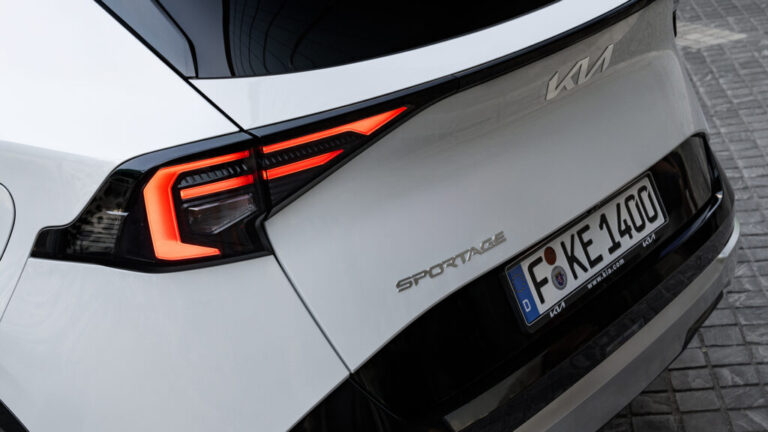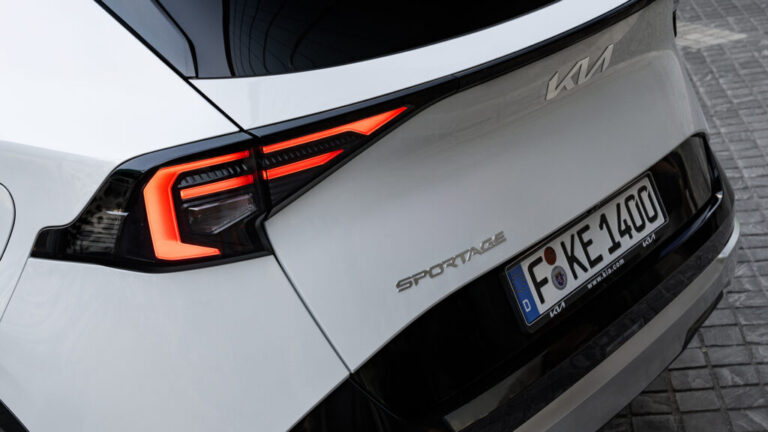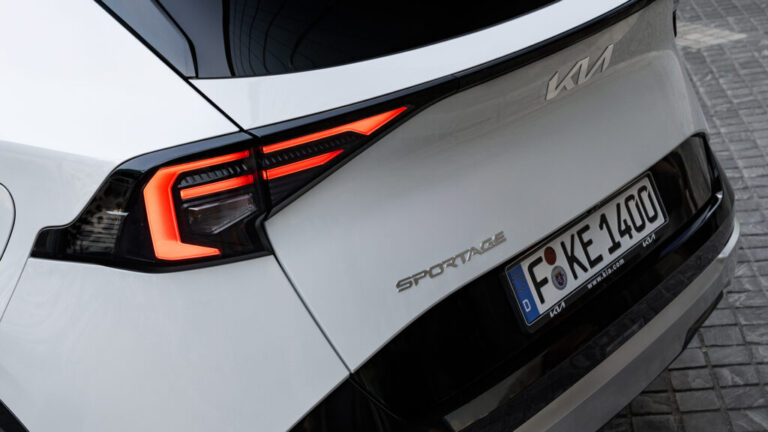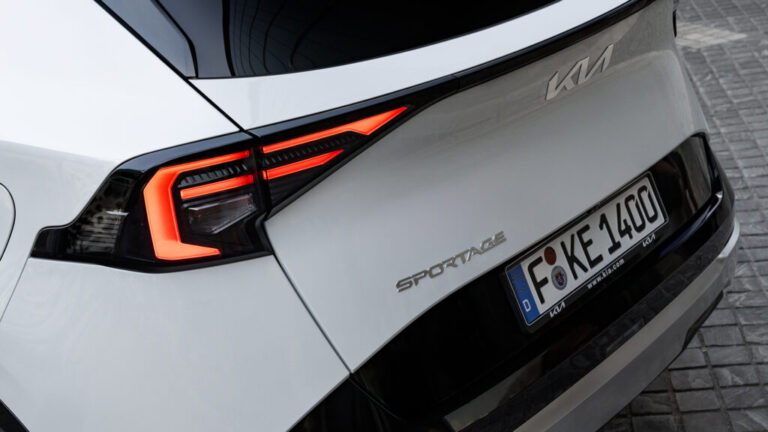
Wear of engine cylinders occurs in the Kia Sportage more often than you would like, mainly as a result of low oil levels or catalytic converter failure. This wear shows up as scoring on cylinder walls and carbon deposits on valves, which leads to loss of power, increased oil consumption and irregular engine behaviour. Early detection and preventive maintenance are crucial to avoid expensive repairs. What exactly are the symptoms, how do you recognise them in time and what should you do about them?
How does cylinder wear develop in the Kia Sportage?
Engine cylinder wear does not develop overnight. It is a gradual process that builds up due to several factors. In the Kia Sportage, insufficient lubrication plays a key role. When the oil level is too low, the cylinder walls are not properly lubricated. This leads to increased friction between the piston and the cylinder wall, causing scratches and grooves in the metal.
Another cause is catalytic converter failure. When catalytic converters are defective, particles can blow back towards the engine. These hard soot and metal particles act like sandpaper on the cylinder walls. In addition, a failing catalytic converter can lead to higher exhaust temperatures, which puts extra stress on engine components and promotes the formation of carbon deposits.
In the 1.6 GDI engine (Gasoline Direct Injection) of the Kia Sportage, fuel is injected directly into the combustion chamber, not via the intake valves. As a result, the intake valves are no longer automatically rinsed clean by petrol. This makes this engine particularly prone to carbon build-up on the intake valves, which has a negative impact on engine performance.
Recognising engine wear symptoms in the Kia Sportage
Recognising engine wear requires you to be alert to a combination of warning signs. These symptoms often develop gradually, which means they are easy to miss at first.
Common warning signs
- Rough or irregular idling, especially immediately after a cold start
- Tapping or rattling noises from the engine bay
- Increased oil consumption, requiring you to top up regularly between services
- Blue smoke from the exhaust when pulling away or accelerating
- Loss of power, especially noticeable when accelerating
- Rough engine running or vibrations that can be felt through the steering wheel
- Poor cold-start performance, with misfiring or difficulty starting
It is important to take these warning signs seriously. A single complaint does not necessarily point straight away to cylinder wear. However, a combination of symptoms calls for a technical inspection. Do not wait too long, as minor wear can develop into more serious and expensive engine damage.
When should you take action?
If you are in doubt about how your engine is running, it is sensible to visit a mechanic. This is especially true if you notice that the oil level is dropping faster than usual or the engine sounds different from normal. A compression test provides a clear picture of the condition of the cylinders and pistons. This test measures the pressure that each of the cylinders builds up, which reveals any wear or leakage.

Preventing cylinder damage in the Kia Sportage 1.6 GDI
Prevention is extremely important with the 1.6 GDI engine. This engine requires specific attention. The cause lies in the direct injection system and its sensitivity to carbon build-up. Through regular servicing and careful checks you can prevent many problems.
Check the oil level regularly
This sounds simple but is often forgotten. Check the oil level at least once a month and always before a long journey. Make sure the engine is at operating temperature. Then let it cool down for a few minutes before checking the dipstick. The oil should be between the minimum and maximum marks. If the oil level is consistently on the low side, this may indicate internal oil consumption or a leak.
Use the correct engine oil
Always follow the manufacturer’s specifications. For the Kia Sportage, a synthetic engine oil with low viscosity is usually recommended. This oil offers better protection against wear. It also forms fewer deposits. Cheap or incorrect oil can actually contribute to carbon build-up and increased wear.
Regularly warm the engine through
Short journeys promote condensation and carbon build-up. On these trips the engine does not reach operating temperature. Try to make a longer journey regularly, during which the engine fully reaches its normal operating temperature. This helps burn off deposits and keeps the engine healthier.
Plan preventive maintenance
Have the engine inspected at regular intervals by a mechanic who is familiar with the Kia Sportage. With the 1.6 GDI engine it is wise to have the intake valves checked for carbon build-up between 60,000 and 80,000 kilometres. Early detection can prevent costly repairs.
Carbon on Kia Sportage intake valves: how to clean it?
Carbon build-up on intake valves is a well-known problem with direct injection engines. These engines lack fuel washing over the valves. Oil vapours and combustion residues therefore accumulate on the backs of the valves. This restricts the airflow to the combustion chamber and disrupts the air-fuel ratio.
Methods for cleaning intake valves
There are several ways to tackle carbon build-up. The most effective method is mechanical cleaning using walnut shell blasting. In this process the inlet manifold is removed and the valves are cleaned with finely ground walnut shells under high pressure. This method removes deposits thoroughly without damaging the valves.
Another option is the use of chemical cleaning agents. These are introduced via the intake or fuel system and try to dissolve the deposits. This method is less invasive, but it is also less effective against stubborn carbon build-up. For light contamination this may be sufficient, but for heavy deposits mechanical cleaning is essential.
Costs and maintenance
Mechanical cleaning of intake valves usually costs between 300 and 600 euros. The amount depends on the workshop and the required labour hours. This may sound like a lot, but it is considerably cheaper than replacing damaged engine components due to long-term wear. Schedule this cleaning as a preventive measure, especially for cars that regularly make short trips or are more than five years old.
‘ This is an expensive procedure. ’
What to do when cylinder wear has been confirmed?
Once cylinder wear has been established, your options depend on the severity of the damage. Light wear can sometimes be remedied by replacing the piston rings and lightly honing the cylinders. This restoration process returns the cylinder walls to an optimal condition for good compression and lubrication.
With more severe wear, with deep scratches or deformation of the cylinders, a full engine overhaul is required. This means that the engine is removed from the car and completely rebuilt. Cylinders are rebored to an oversize and fitted with new, larger pistons. This is an expensive procedure and will quickly cost between 2,000 and 4,000 euros.
In some cases, replacing the engine is a considered choice, particularly if the car has a high mileage or is showing several engine problems. However, an overhaul does offer the advantage of a thorough approach, provided it is carried out by a competent workshop.
Valve lifters and their role in wear
Defective valve lifters are regularly mentioned in relation to engine wear in the Kia Sportage. Valve lifters control the movement of the valves. In doing so, they must maintain the correct clearance. When worn or defective, valve lifters can no longer function properly, leading to ticking noises and incorrect valve operation.
Valves no longer open or close at the correct moment, which causes combustion quality to deteriorate. This can result in increased stress on cylinders and pistons and contribute to further wear. Always have defective valve lifters replaced in good time. This prevents further damage and keeps the engine healthy.
Service history as a valuable indication
Planning to buy a used Kia Sportage? Always ask for the service history. Do not look only at the mileage. Has the oil level been checked regularly? Are there any notes about oil consumption or rough running? These signals can point to incipient engine wear or neglected maintenance.
A fully serviced car with documented services offers more peace of mind. A cheap used car without any history does not give you that security. It is better to invest in a car with a reliable background than in a vehicle that confronts you with engine problems straight away.
‘ “On the Carnews website you will find extensive information about common problems, maintenance tips, technical specifications and experiences from other owners.” ’
Want to know more about the Kia Sportage?
Engine cylinder wear is just one of the issues that Kia Sportage owners may encounter. On the Carnews website you will find extensive information about common problems, maintenance tips, technical specifications and experiences from other owners. Discover more and stay up to date with everything you need to know as a car enthusiast.
Frequently asked questions
Common symptoms of cylinder wear in a Kia Sportage include increasing oil consumption, a dropping oil level, rough or unstable engine running (especially on a cold start) and ticking or rattling noises. You can recognise this in time by checking the oil level regularly and watching out for blue smoke from the exhaust, loss of power and engine warning lights coming on more often. Strange starting behaviour, vibrations or irregular idling after starting are additional warning signs. If you notice a combination of these issues, it is wise to have a mechanic carry out a compression test and engine inspection straight away.
Cylinder wear in the Kia Sportage is reported mainly on older petrol and diesel engines with high mileage, where long-term driving with too little or aged oil is a major risk factor. Engines that are used mainly for short trips and frequent cold starts are at extra risk because lubrication is more often suboptimal in those conditions. Underlying causes include low oil pressure, neglected maintenance (delayed oil changes and filter replacement) and ignoring early warning signs such as increased oil consumption or rough running on a cold start. This leads to gradual wear of the cylinder walls and piston rings, which in turn further worsens the problem.
Prevent cylinder wear in your Kia Sportage by always changing the engine oil and oil filter on time and checking the oil level regularly, especially before long trips. Avoid lots of short journeys with a cold engine and high revs when the engine has not yet warmed up. Watch out for signs such as increased oil consumption, rough running after start-up or ticking noises and have these checked immediately. Always choose oil that meets the specifications prescribed by Kia and keep the service history up to date.
Possible repair options for cylinder wear include honing or reboring the cylinders with oversize pistons and rings, overhauling the complete engine or fitting an exchange engine. A simple repair in which only piston rings or gaskets are replaced is usually only effective for a short time if the cylinders themselves are worn. Costs range roughly from about €1,500–€3,000 for a limited engine overhaul to €3,000–€6,000 or more for a full overhaul or exchange engine, depending on the type of Sportage, labour rates and the parts used. In some cases, with high mileage and low remaining vehicle value, selling the car in its current condition may be more economical than a full repair.