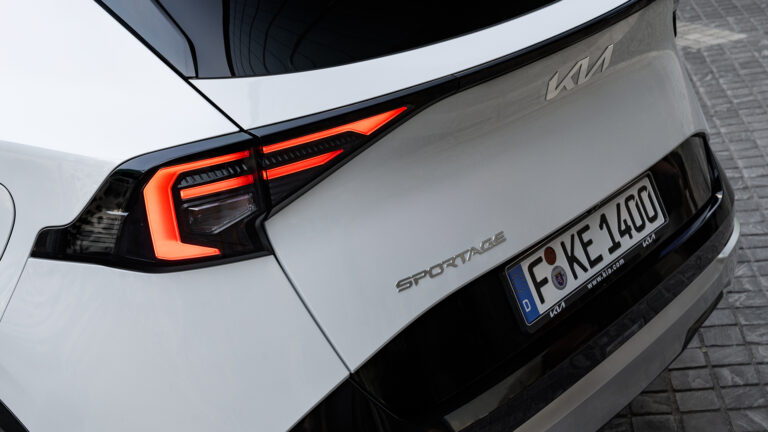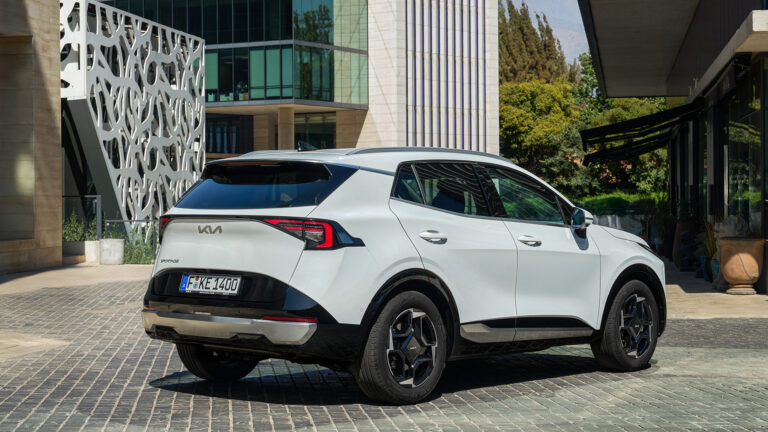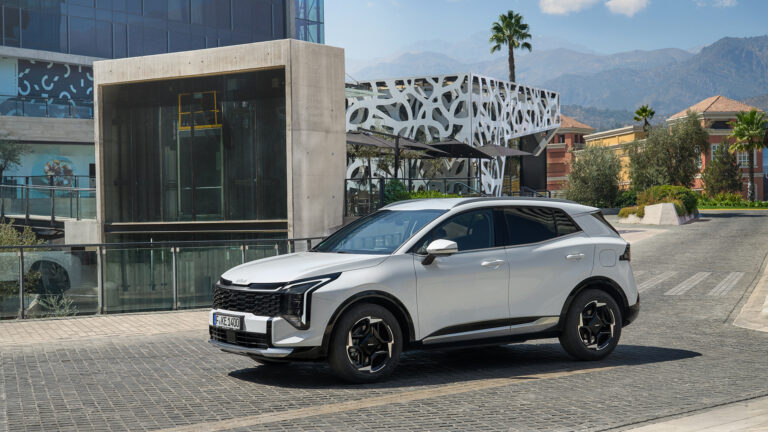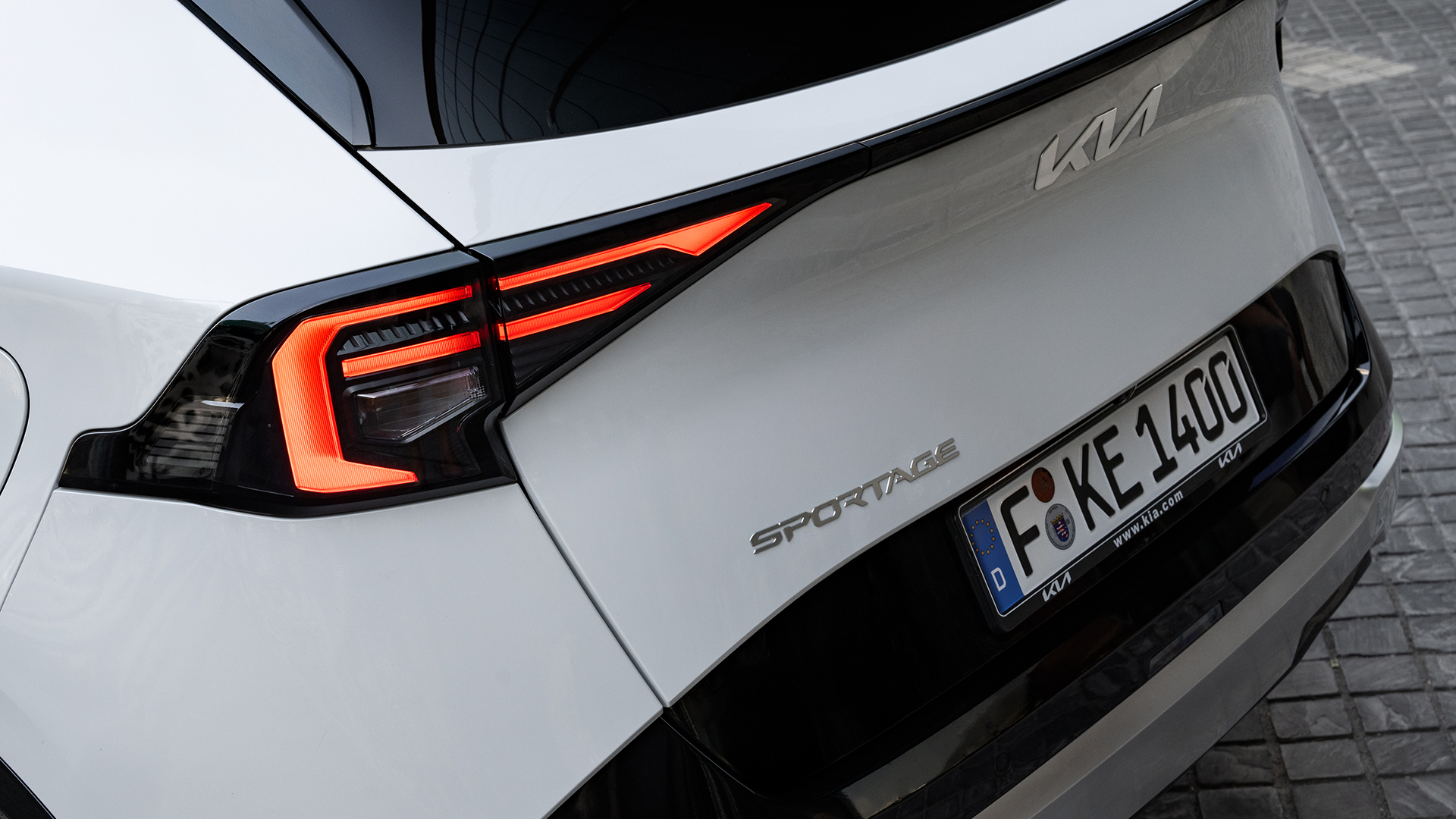
The Kia Sportage regularly attracts complaints about the automatic gearbox, with dropping out at higher speeds and jolting during gear changes occurring frequently. Models from 2017 in particular struggle with these problems due to defective torque converters and leaking transmission fluid. These symptoms occur regularly with this model.
Gearbox problems with the Kia Sportage mainly occur with automatic transmissions and dual-clutch gearboxes (DCT). Many owners report jerky shifting behaviour. In addition, gear slip and strange noises can occur. These complaints are not only found in older models, but also in relatively young examples with average mileage.
Most problems are caused by contaminated or aged transmission fluid. Worn clutch plates or a broken torque converter also cause issues. With models from 2016 to 2022 these faults turn out to be particularly persistent. Do you want to know more about car problems with the Kia Sportage? Then this information will help you take targeted action.
Does the gearbox jump out when accelerating?
Yes, this occurs with various Sportage models. When accelerating at higher speeds, the gearbox can suddenly jump out of gear or slip. This often happens when the torque converter is damaged or when the transmission fluid has lost its lubricating properties.
The causes differ per model and year of manufacture:
- Models from 2017 often struggle with defective torque converters that fail at higher speeds
- With older Sportages with more than 100,000 kilometres, wear on the gears develops
- DCT transmissions (dual‑clutch gearboxes) show problems due to damaged plug connections or worn clutch plates
- Contaminated ATF oil causes jerky shifting, especially on cold starts
Owners report specific signals. The problem often starts with light jolts at low speed. Over time the faults become more serious. Gears then jump completely out when accelerating. This can lead to dangerous situations, especially on motorways.
‘ Early recognition of these symptoms prevents more serious damage and higher repair bills. ’
Recognisable symptoms of gearbox problems
The Kia Sportage shows clear signals when the gearbox has problems. Early recognition of these symptoms prevents more serious damage and higher repair bills.
Jerks and hesitation during shifting are the most common complaints. When reversing slowly with the brake applied, the car feels as if it is thumping. Jerks also occur regularly during upshifts when driving normally. This sometimes disappears after a few kilometres of warming up. After that it keeps occurring more and more frequently.
Notchy, stiff gear changes mainly occur on cold starts. The engine is still cold then. The gearbox feels sluggish and shifts with a delay. In automatic transmissions, cars show signs of slipping. The revs then increase without the car really accelerating.
Strange noises indicate worn components. A howling or whining noise occurs mainly at higher mileage. This points to wear. Gears or bearings become worn. Some owners notice a strange smell that is released by overheated transmission fluid.
Common causes behind the complaints
Contaminated or aged transmission fluid causes by far the majority of automatic gearbox complaints. Around 70 per cent of all complaints stem from this. After 60,000 to 120,000 kilometres or after eight years, the fluid loses its lubricating and cooling properties. This creates extra friction between moving parts, which leads to jolts and slipping.
The torque converter plays an important role in automatic transmissions. This component provides the power transfer between the engine and the gearbox. In models from 2017, the torque converter regularly becomes damaged. As a result, the gearbox drops out of gear at higher speeds.
Leaking transmission fluid occurs regularly. Leaking gaskets or damaged seals cause fluid loss. Too little fluid leads to overheating and accelerated wear of internal components.
DCT transmissions (dual‑clutch gearboxes) have specific vulnerabilities. The plug connection between the transmission and the electronics sometimes becomes damaged. This often happens during assembly or maintenance by dealers. It leads to fault codes and failure of the clutch. Worn clutch plates also cause problems during cold starts.
Repair costs for models from 2016 to 2022
The repair costs vary greatly depending on the type of problem and the version of the gearbox.
A full overhaul of the automatic transmission costs between 2,500 and 4,500 euros. This amount includes removal and cleaning. In addition, worn parts such as gears and clutch plates are replaced.
Replacing a broken torque converter costs on average 1,200 to 2,000 euros including labour. This is often necessary in models from 2017 that show complaints at higher speeds.
A professional flush of the transmission fluid using the Powerflush method costs between 300 and 500 euros. This often prevents more serious problems and is particularly worthwhile as preventive maintenance.
DCT repairs can run up to 7,000 euros. This happens when several components need to be replaced. Damaged plug connections cost a few hundred euros, but with more extensive internal damage the bill quickly rises.
Some owners have repairs covered under warranty. With DCT problems that arise due to incorrect handling by the dealer, a warranty claim is often possible. This saves thousands of euros in repair costs.
‘ Always ask for a written quote before you agree to the repair. ’
Diagnosing a defective gearbox
A reliable diagnosis starts with a transmission specialist. They have the right equipment to read out fault codes. The internal operation of the gearbox is also checked. Only choose a specialist with transmission experience for the diagnosis.
The diagnosis consists of several steps:
- Reading fault codes via the OBD port to detect electronic faults
- Checking the transmission fluid for colour, smell and contamination
- Visual inspection for leaking gaskets and damaged connections
- Test drive to assess shifting behaviour under different conditions
- Pressure test to measure the operation of the hydraulic systems
After the diagnosis you get a clear picture of the problem. The specialist will tell you whether a flush is sufficient or whether parts need to be replaced. Always ask for a written quote before you agree to the repair.
Solutions and maintenance tips
Preventive flushing of the automatic gearbox prevents many problems. Have this done every two to three years. The maintenance interval is between 60,000 and 120,000 kilometres. Use the dynamic Powerflush method for the flush. This flush removes contamination thoroughly without damaging internal components.
Always choose a specialist with transmission experience. Incorrect oil changes damage the gearbox. Never carry out this maintenance yourself without the right knowledge and equipment.
Watch out for early warning signs. Jolts on cold starts or strange noises at low speed require immediate inspection. Do not wait until the gearbox fails completely, because costs then rise quickly.
With DCT problems that arise due to incorrect handling by a dealer, a warranty claim is often possible. The dealer has carried out incorrect procedures. Always keep maintenance records and correspondence with the dealer. This helps to prove liability.
A full overhaul often comes with a one‑year warranty on the repair. The specialist removes the gearbox, cleans all parts and replaces worn components. With some overhauls, modifications are carried out that prevent the problem from recurring.
Practical experiences of Sportage owners
Many Sportage owners recognise these complaints. With a Sportage IV 2.0 CRDi, owners resolved jolts when reversing by checking sensor connections. An oil change turned out not to be necessary in that case.
DCT models regularly cause problems due to damaged plug connections. One owner was faced with substantial repair costs of over 7,000 euros. After a warranty claim, the dealer eventually covered the costs.
An older Sportage with 100,000 kilometres on LPG produced a howling noise from the gearbox. This indicated worn gears and bearings. After an overhaul, the car drove without problems again.
Owners who had their automatic transmission flushed preventively report positive results. The gearbox shifts smoothly again and the jerks disappear completely. This maintenance proves to be a sensible investment that prevents expensive repairs.
On the Carnews website you can find more information about other known problems with the Kia Sportage and similar models. Discover which maintenance tips and solutions other car enthusiasts have applied and avoid unpleasant surprises with your car.
Frequently asked questions
Common symptoms include jerks and hesitation when shifting or driving slowly (especially in reverse), which may indicate torque converter or transmission problems. In addition, stiff gear changes, slipping or jumping out of gear – especially with a cold engine – often occur with contaminated or aged automatic transmission fluid. Howling or humming noises from the gearbox, sometimes around 100,000 km, often point to wear on gears or bearings. With DCT gearboxes, fault codes, problems on cold start and irregular clutch engagement are also frequently reported complaints.
The estimated costs for repair (overhaul) of a gearbox in a Kia Sportage are generally roughly between €1,500 and €3,000, depending on the damage and the type of gearbox (automatic, DCT or manual). A complete replacement with a new or factory‑reconditioned gearbox can more likely reach €3,500 and go well above €5,000. In practice, overhaul is therefore usually financially more attractive than full replacement, provided that the casing and main components are still usable. Prices differ per specialist, region and exact version of the Sportage.
In most cases it is more cost‑effective to have the gearbox of a Kia Sportage overhauled than to fit a completely new one, because only the worn parts are replaced. Overhaul can often save thousands of euros compared with a brand‑new gearbox, especially with automatic and DCT transmissions. An overhaul by a transmission specialist includes removal, cleaning, replacement of wear parts and often a warranty, which makes the price‑quality ratio favourable. Only in cases of very serious or recurring damage can a new gearbox be financially more sensible.
Have the transmission fluid changed or flushed in good time and as a preventive measure (for automatics/DCTs around every 60,000–120,000 km or every 2–3 years) by a specialist garage. During servicing, have the gearbox, torque converter and sensors checked for wear, contamination and poor plug connections. Pay attention to early signs such as jerks, slipping, howling noises or strange smells and have a diagnosis carried out immediately. Avoid working on the automatic/DCT yourself and choose dynamic oil changes with a transmission specialist.
Gearbox problems undermine the reliability of a Kia Sportage, because jerking, slipping and hesitation often get worse and can ultimately lead to expensive repairs or overhaul. When known complaints are not addressed in time with flushing, oil changes or overhaul, buyers see the car as more of a risk. This translates into a lower residual value, especially for automatic and DCT versions with documented problems. By contrast, cars with demonstrable preventive maintenance and transmission servicing retain their value significantly better.