

Kia Stonic reliability and problems
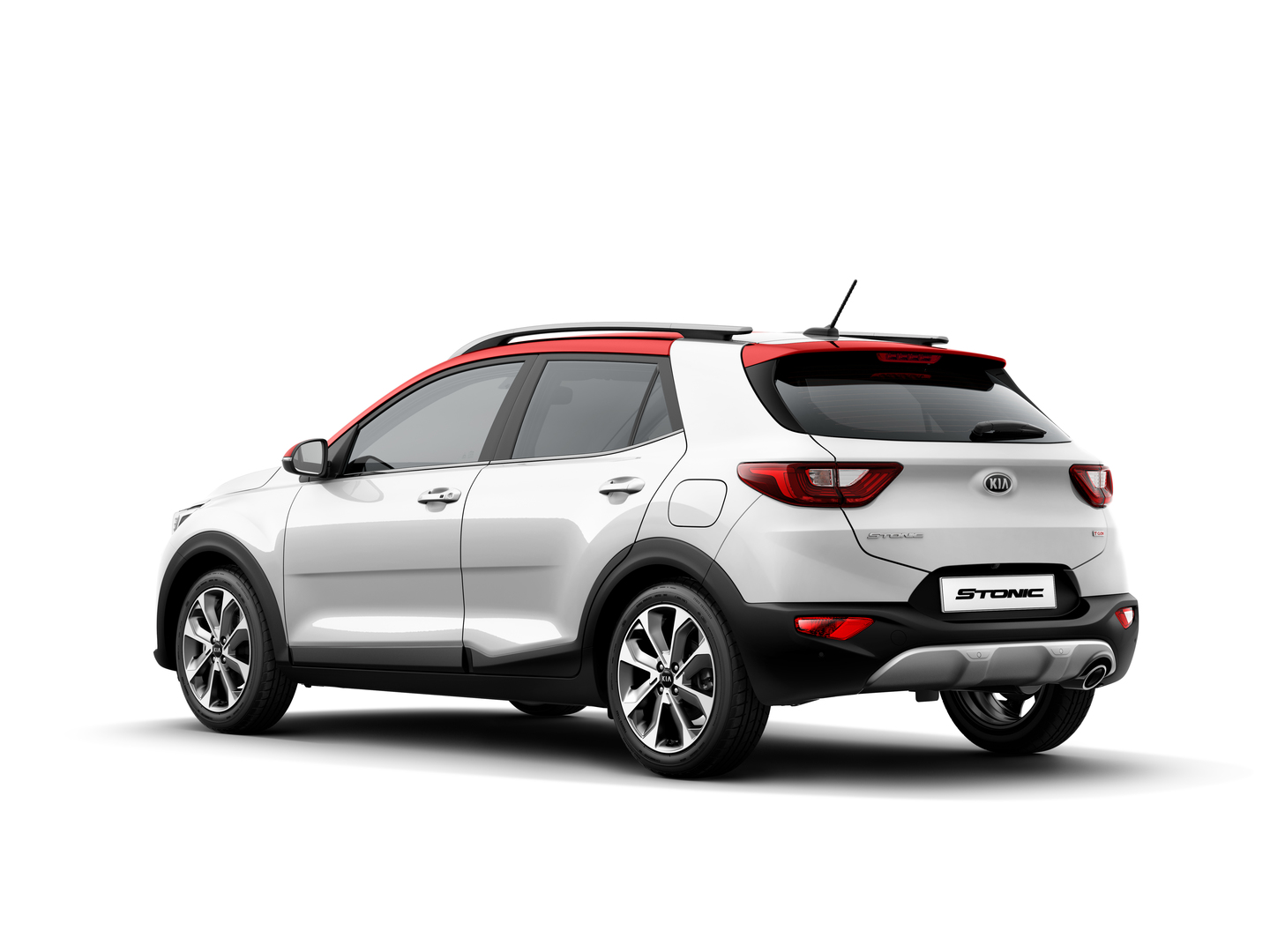
The Kia Stonic is a compact crossover with relatively few technical complaints. However, owners do report specific faults with the dual-clutch transmission, electronics and engine. Kia’s 7‑year warranty offers a lot of peace of mind, but not all problems are always covered. Do you want to know what to look out for with your Stonic, or if you’re considering buying one?
The Kia Stonic is known as a reliable compact SUV with an affordable price tag. There are, however, some points to watch. Certain model years and versions require extra attention. Experiencing issues? Then also check known Kia car problems. These also occur on other models. The model has been available since 2017. In 2026 it received an update with mild-hybrid technology.
How reliable is the Kia Stonic?
Overall, the Kia Stonic scores well for reliability. The Kia brand has developed strongly in recent years. It offers a standard 7‑year manufacturer’s warranty with no mileage limit. This shows that Kia has confidence in its products.
Owner experiences show that the Stonic suffers from few major issues. Most complaints relate to minor faults in electronics and the DCT (dual-clutch transmission). Some parts also wear faster than expected. Models from 2020 onwards generally have fewer complaints than the earliest examples from 2017–2018.
The model shares technology with the Hyundai Kona and some components with other Kia models. This means that certain problems can also occur on those cars. The new generation with mild-hybrid technology is still too recent to have long-term reliability data.
‘ These small engines are generally reliable, but there are known complaints. ’
Engine problems with the Kia Stonic
In Europe, the Kia Stonic was mainly supplied with 1.0‑litre and 1.2‑litre turbo petrol engines. From 2026, a 48V mild-hybrid version was introduced. These small engines are generally reliable, but there are known complaints.
On some examples with the 1.0 T-GDI engine (turbo direct injection petrol engine) owners report vibrations when starting, especially with a cold engine. This is often due to the three-cylinder configuration. After the engine has bedded in, this problem usually disappears. Does it continue? Then it may indicate disturbed ignition or a defective engine mount.
Another point to watch is carbon build-up on the intake valves, especially on cars that mainly do short journeys. This can cause rough idling and power loss. Regular longer trips help to prevent this. In some cases a professional clean is necessary.
On older models there are reports of problems with the turbo at high mileages. Contaminated oil can shorten the life of the turbo. Stick to the service intervals and change the engine oil on time.


DCT and manual gearbox transmission problems
The 7‑speed dual-clutch transmission (DCT) is one of the areas owners complain about most frequently. This automatic can shift jerkily at low speeds. That mainly happens in traffic jams or when parking. Some owners see this as normal DCT behaviour. In other cases it indicates clutch wear.
Owners regularly report hesitant pull-away. A delayed response when pressing the accelerator also occurs. This can be caused by software settings. A worn wet clutch is another possible cause. In some cases Kia has released software updates to improve shift behaviour.
There are fewer known complaints with models fitted with a manual gearbox. Some owners do report that the clutch wears relatively quickly, especially with intensive city use. The lifespan of a clutch strongly depends on driving style and use.
When buying second-hand, always check the shift behaviour. Test the car thoroughly in different situations, including at low speed and in traffic jams. Ask the seller for documentation of any software updates or repairs to the DCT.
Electronics and infotainment faults
The Kia Stonic is equipped with modern electronics and infotainment systems. The newer models in particular have large touchscreens and extensive connectivity. This also brings new types of faults.
Some owners report that the infotainment system freezes or responds slowly. A system reset often helps, but in some cases a software update at the dealer is necessary. Apple CarPlay and Android Auto can also suffer from connection problems.
Parking sensors and cameras can fail or display error messages. This is sometimes caused by dirty sensors, but also by loose connections or defective sensors. Clean the sensors regularly and have defective parts replaced.
On a few examples there are complaints about faults in the instrument cluster. Warning lights can come on for no reason or the display shows error messages. This often points to a software problem that can be solved with an update.
‘ Replace worn parts in time to prevent further damage. ’
Suspension and steering problems
The chassis of the Kia Stonic is relatively simple and robust. Most complaints relate to wear of bushes and moving parts, which is normal for any car model.
Owners sometimes report knocking or rattling noises from the chassis, especially over bumps. This may indicate worn bushes in the anti-roll bar, wishbone bushes or shock absorbers. These parts wear faster with intensive use on poor roads.
The steering is usually trouble-free, but on a few cars there are reports of steering wheel vibrations at higher speeds. This can be due to wheel imbalance, but also to wear in the steering system or suspension. Have the wheel balance checked regularly.
On models with larger alloys the suspension can feel firmer and the bushes are more prone to damage. Replace worn parts in time to prevent further damage.


Brakes and wear
The braking system of the Kia Stonic generally performs well. Most complaints are related to normal wear. Discs and pads will last several years in normal use, depending on driving style and conditions.
Some owners experience squeaking brakes, especially in damp weather or after the car has stood still. This is often due to a light layer of rust on the brake discs and usually disappears after braking a few times. If the squeaking persists, the brake pads may need replacing.
On models that mainly do short city trips, the rear brake discs can rust because they are used less. Check the brakes regularly and have rusty discs replaced to prevent the brakes from seizing.
The handbrake is electronic on most versions. Owners sometimes report that it does not work properly or gives error messages. This can be due to a weak battery or a faulty actuator in the brake calliper. Have this checked at the dealer.
Interior and bodywork points to watch
The interior of the Kia Stonic is simple but functional. There are few complaints about build quality, although some owners feel the materials are on the cheap side. This is a trade-off for the low purchase price.
On some cars there are reports of rattling interior parts. This is often due to loose clips or panels that are not properly secured. This is usually easy to fix by refitting the parts or adding rubber strips.
The seat upholstery is fabric on most versions. Over time this can fade or start to pill. Leather upholstery was optionally available on higher trims. Keep the upholstery clean and treat leather regularly with care products.
The paintwork on the body is generally good, but for a few colours there are reports of faster weathering. White and light colours in particular can become dull after a few years. Wash the car regularly and apply a protective coating if necessary.
‘ A faulty pump can lead to engine problems and sudden stalling. ’
Recalls and service bulletins
Kia has carried out several recalls for the Stonic. These mainly relate to software updates and inspections of specific parts. It is important to check whether these actions have been carried out on your car.
One well-known recall concerned the DCT on early model years. Kia released a software update to improve shift behaviour and reduce wear. Check with the dealer whether this update has been applied.
On some models there was a recall for the fuel pump. A faulty pump can lead to engine problems and sudden stalling. This problem can be resolved quickly by replacing the pump.
In addition, service bulletins have been issued for minor problems. Examples include rattles in the interior and sensor faults. These are usually known to dealers and can be resolved during routine servicing.
Influence of maintenance and driving style
The lifespan and reliability of the Kia Stonic strongly depend on how you use and maintain the car. Many problems can be prevented with the right care.
Follow the service intervals strictly. Kia recommends a service once a year or every 15,000 kilometres, whichever comes first. With many short journeys or harsh conditions, more frequent servicing may be necessary. Replace oil, filters and fluids on time to keep the engine and transmission in good condition.
Driving style has a major impact on the DCT. Avoid constant back‑and‑forth creeping at low speed and do not leave the car idling unnecessarily. If stationary for more than a minute, it is better to switch off the engine.
Make regular longer trips to prevent carbon build-up in the engine. Only short city journeys mean the engine never reaches proper temperature, which causes contamination. A motorway run of 20 kilometres or more helps keep the engine clean.
What to do if you have problems with your Stonic?
If you experience problems with your Kia Stonic, there are several steps you can take. The 7‑year warranty covers many faults, but not always everything.
First check whether your car is still under warranty. Kia’s standard manufacturer’s warranty is 7 years with no mileage limit. Do note: wear parts such as brakes, tyres and wiper blades are not covered. Damage caused by misuse or lack of maintenance is also excluded.
Take the car to an official Kia dealer for diagnosis. They have the right equipment and knowledge to identify problems quickly. Always ask for a written report of the fault and the proposed solution. Keep all receipts and documentation.
If a fault returns after a repair, report this to the dealer straight away. Within the warranty period Kia is obliged to resolve problems definitively. For persistent issues you can contact Kia Netherlands customer service.
For cars out of warranty you can also use an independent garage. Check, however, whether they have experience with Kia models and DCT transmissions. Not every workshop has the right diagnostic tools.
‘ A good service history also increases the value when you sell. ’
Maintenance tips for longer driving pleasure
With proper maintenance you can keep your Kia Stonic in top condition for longer. These practical tips help prevent problems.
- Replace the engine oil every 15,000 kilometres or annually. With many short journeys it is better to do this every 10,000 kilometres.
- Check brake fluid, coolant and screenwash regularly. Top up where necessary.
- Clean the parking sensors and cameras to prevent faults. Dirt can cause error messages.
- Check tyre pressures monthly. Incorrect pressure increases wear and fuel consumption.
- Have the cabin (air conditioning) filter replaced annually for healthy air in the cabin.
- Clean and lubricate the door seals in spring and autumn to prevent freezing and leaks.
- Wash the car regularly, especially in winter. Road salt corrodes components.
Have major services carried out by a Kia specialist. They know the specific points to watch and can detect problems preventively. A good service history also increases the value when you sell.


Buying a used Kia Stonic
Thinking of buying a used Kia Stonic? Then pay attention to these points to avoid disappointment.
Check the service book and ask for proof of completed services. A car without a complete service history can make later warranty claims more difficult. Also ask whether recall work has been carried out.
Test the DCT thoroughly. Drive in traffic, park in and out, and watch for jerks or hesitation. A healthy DCT shifts smoothly and responds immediately to throttle input. Jerky behaviour can indicate wear.
Check the electronics. Test all functions of the infotainment system, the air conditioning, parking sensors and lighting. Warning messages on the dashboard may indicate more serious problems.
Look under the car for signs of oil leaks. Also inspect the engine for damp patches. Leaks can indicate worn seals or a damaged sump.
Ask about the car’s history. Has it been used for business with high annual mileage? Or only for short city trips? Both usage patterns have their own points to watch.
If in doubt, have an independent inspection carried out by a specialist. For a small amount you gain certainty about the car’s condition. This can save you thousands of euros in unpleasant surprises.