
Unknown title
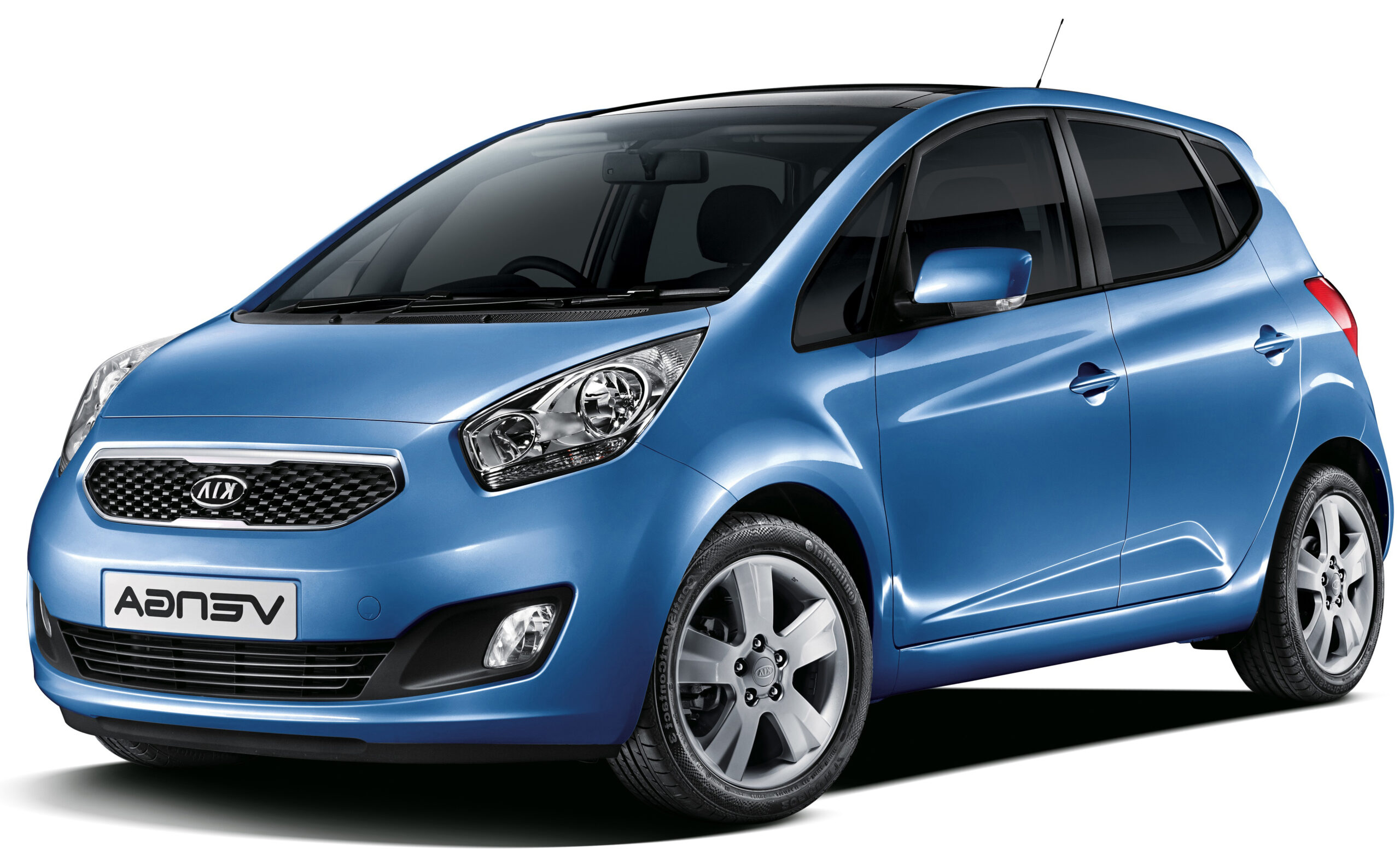
# Kia Venga: the most common problems with this compact MPVThe Kia Venga proves that a budget-friendly compact MPV is not necessarily trouble-free. This model is known for its practical layout and spaciousness. Nevertheless, owners regularly report complaints about electronics, wear-sensitive components and engine problems. These shortcomings require targeted attention and preventive maintenance. Want to know what you should look out for?
What makes the Kia Venga unique?
The Kia Venga was launched in 2009 as a compact MPV specifically for the European market. The model combines compact exterior dimensions with a surprisingly spacious interior. With a length of 407 centimetres and a boot capacity of 440 to 1486 litres, the car offers practical benefits for families and city use.
Kia supplied the Venga with several engines. The range consisted of petrol and diesel variants. The popular 1.4 CVVT petrol engine delivers 90 bhp. The diesel versions are more economical, with fuel consumption from 4.5 litres per 100 kilometres. The car came with a 7-year manufacturer’s warranty, which inspired confidence among buyers. However, this compact MPV does not always turn out to be entirely trouble-free. For more information about car problems with Kia, you can visit specialist pages about this brand.
‘ “The maintenance history and how the car has been used often determine how reliable a particular example turns out to be.” ’
General reliability of the Kia Venga
Owners praise the Venga for its practical character and value for money. Online reviews show this clearly. Some models cover 200,000 kilometres without major issues. Even so, certain complaints crop up regularly. The maintenance history and how the car has been used often determine how reliable a particular example turns out to be.
The Euro NCAP score of 4 stars indicates an acceptable level of safety for that era. The hard-feeling interior plastics remain intact, but mechanical and electronic components require more attention. Reliability varies by model year and engine variant.
Common engine problems
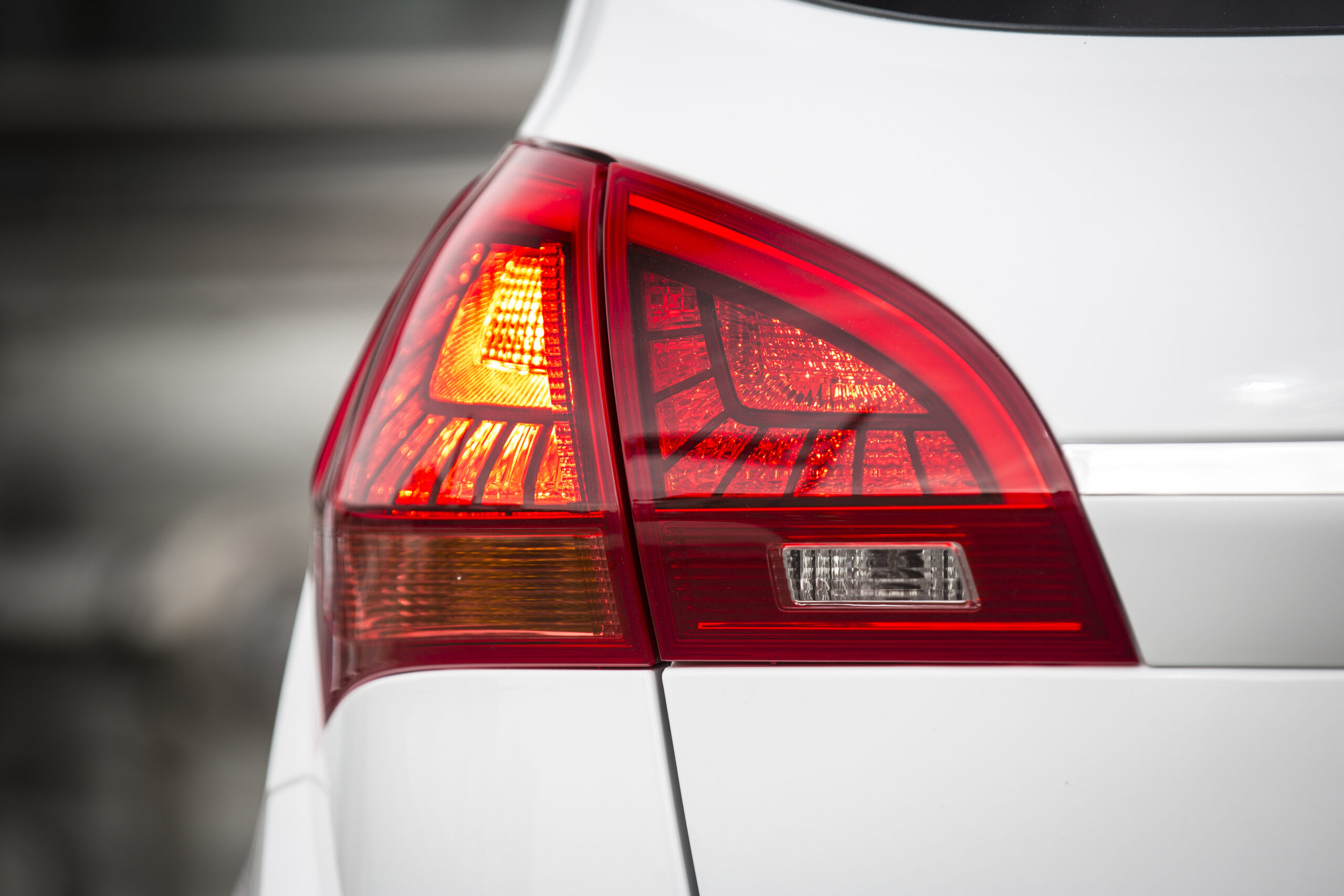
Engine problems are a regular occurrence with the Venga. The 1.4 CVVT petrol engine sometimes suffers from oil leaks from the rocker cover gasket. This leads to oil loss and possible contamination of other engine components. Symptoms include oil spots under the car and a burning oil smell.
On diesel engines, complaints arise about the timing chain. Over time it can stretch, resulting in rattling noises when starting. Replace the chain in good time to prevent costly engine damage. Also check the seals and hoses, as leaks are common on older examples.
Transmission complaints and their causes
The manual gearbox is generally reliable. However, owners sometimes report gears that are difficult to engage or a worn clutch. A sluggish response when changing gear or a high biting point indicates wear.
Automatic gearboxes, available on diesel variants, require more attention. Jerky shifts or overheating may point to contaminated transmission oil or worn clutch plates. Have the oil changed in good time and have the system checked regularly.
‘ Electronics regularly cause frustration for Venga owners. ’
Electronic faults and electrical systems
Electronics regularly cause frustration for Venga owners. The infotainment system sometimes shows erratic behaviour, such as an unresponsive radio or problems with the Bluetooth connection. A software update or reset often resolves this.
Sensors also generate faults. The parking sensors may give false alarms due to dirt or damage. The air conditioning sensor can also fail, causing the climate control to work incorrectly. Replace defective sensors to prevent problems. Also check the battery and earth connections, as corrosion can cause random electronic faults.


Chassis and suspension problems
The Venga’s chassis is prone to wear. Shock absorbers often lose their damping ability after 80,000 to 100,000 kilometres. This leads to a bouncy ride and reduced road holding. The control arms and bushes also wear, especially when the car is used on poor road surfaces.
The steering system sometimes develops play due to worn track rod ends. Knocking or rattling noises when steering are a sign of this. Have these parts replaced to ensure safety. Also regularly check for rust on the wheel arches and the underside, as this occurs on examples over 10 years old.
Brakes: points to watch and wear
Brake discs and pads wear faster than average, especially with city driving that involves a lot of stop-start traffic. Vibrations while braking indicate worn components. Squealing noises are also a sign. Check the brakes at least once a year and replace them in good time.
Some owners report ABS faults. The warning light then illuminates on the dashboard. This may be due to a defective ABS sensor or corrosion in the wiring. Have the fault code read. This helps to identify the cause. Also check the brake fluid, as it needs to be changed every two years.
‘ Although this does not pose a safety issue, it does reduce driving comfort. ’
Interior and exterior: known annoyances
Rattles in the interior are a common occurrence. The dashboard and doors sometimes produce irritating noises. This is caused by loose clips or worn rubbers. Although this does not pose a safety issue, it does reduce driving comfort.
The exterior requires attention for rust formation. The wheel arches, lower door edges and tailgate are vulnerable areas. Check these zones when buying a used example and have rust spots treated immediately. The panoramic roof, available on higher trim levels, can leak due to blocked drain holes. Clean these regularly to prevent water damage.

Prevention and maintenance: keeping your Venga in top condition
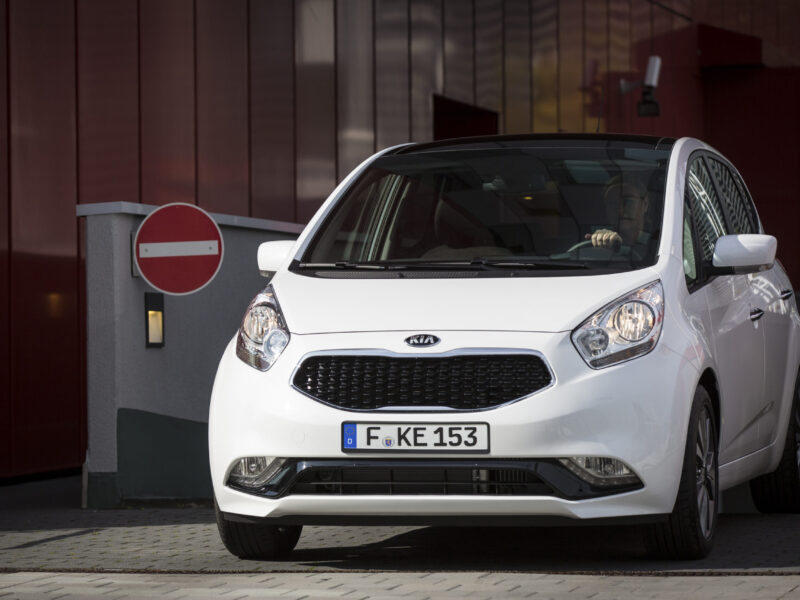
Regular maintenance prevents many problems. Replace engine oil every 15,000 kilometres or once a year, and use the correct specification. Also check the timing chain on diesel engines after 100,000 kilometres.
Pay attention to the following maintenance points:
- Inspect brakes and shock absorbers annually for wear
- Check for oil leaks and worn seals
- Clean parking sensors and the drain holes of the panoramic roof
- Replace the battery preventively after 5 to 7 years
- Have electronic faults read and resolved in good time
Buying a used Venga? Make sure you have a complete service history. This gives insight into repairs carried out and prevents unpleasant surprises.
What to do if something goes wrong?
When a fault occurs, diagnosis helps to identify the cause. Have a garage read the fault codes in the event of electronic problems or engine complaints. This saves time and money by enabling targeted repairs.
Some repairs you can do yourself, such as replacing filters or bulbs. Technical issues such as a timing chain or transmission problems are better left to a specialist. Compare prices and request quotes from several garages. Pay attention to the warranty on repairs and preferably use original or high-quality replacement parts.
‘ A clean car with a service history sells more easily and achieves a higher price. ’
Buying or selling the Kia Venga: what to look out for?
When buying a used example, check the following points:
- Complete service history and itemised service records
- Engine bay for oil leaks and worn hoses
- Chassis and wheel arches for rust
- Operation of electronics, sensors and infotainment
- Condition of brakes, shock absorbers and steering components
- Test drive to assess gearshift quality and engine behaviour
For sellers the following applies: fix known defects and document repairs carried out. A clean car with a service history sells more easily and achieves a higher price. Honestly mention known issues to avoid later disputes.

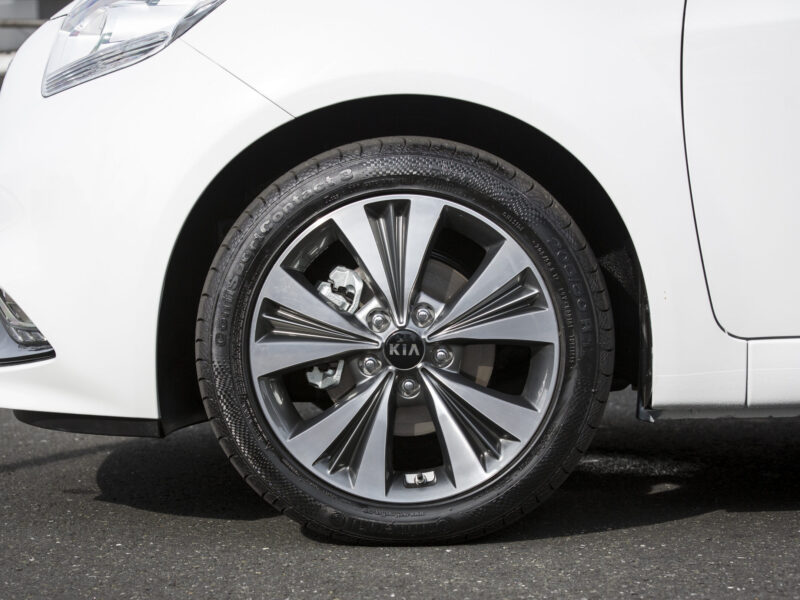
The Kia Venga remains practical, with some points to watch
The Kia Venga proves its worth as a budget-friendly compact MPV with a great deal of everyday usability. The space and economical engines remain strong selling points. However, the model does require attention for engine oil leaks, electronic faults and wear-prone components in the chassis and braking system. Preventive maintenance and timely repairs keep costs manageable. For those willing to carry out regular checks and maintenance, the Venga offers an affordable option with plenty of space for everyday use.