With a rattling tailgate on the Kia Venga, the cause is sometimes incorrectly adjusted bump stops. The closed tailgate then has room to move over rough roads. A small adjustment can stop the noise, but only if the tailgate still closes properly afterwards. How do you tell whether the bump stops are to blame?
Why does the tailgate of a Kia Venga rattle?
The Kia Venga has rubber bump stops on both sides of the tailgate. They hold the closed tailgate lightly under tension against the body. If they are set too far inwards, the tailgate can move while driving. You often hear this as a light knock or rattle over ridges and on uneven roads.
A similar noise can come from the lock or striker plate. The striker plate is the metal loop the lock engages with. Plastic trim on the inside of the tailgate can also vibrate. So first find out where the sound is coming from before adjusting or replacing anything.
‘Shiny contact marks show where parts are touching.’
How to check for play in the tailgate
A quick check on a flat parking area helps you distinguish between play in the tailgate and a loose item in the boot. Close the tailgate as normal, then check the following points.
Press alternately on the left and right side of the closed tailgate. If you feel movement or hear a knock, check the bump stops and the latch.
Compare the rubber stops on the left and right. Look for uneven positioning, damage or a stop that is not sitting properly in place.
Inspect the striker plate. Shiny contact marks show where parts are touching. Also check whether the bracket is visibly loose.
Empty the boot and take a test drive over a road where you heard the noise before. That rules out loose items as the cause.
Does the noise change when you press the tailgate on the left or right while the car is stationary? Then you have a clue for the next stage of diagnosis. A rattle heard only while driving can also come from the interior trim or another part at the rear of the car.
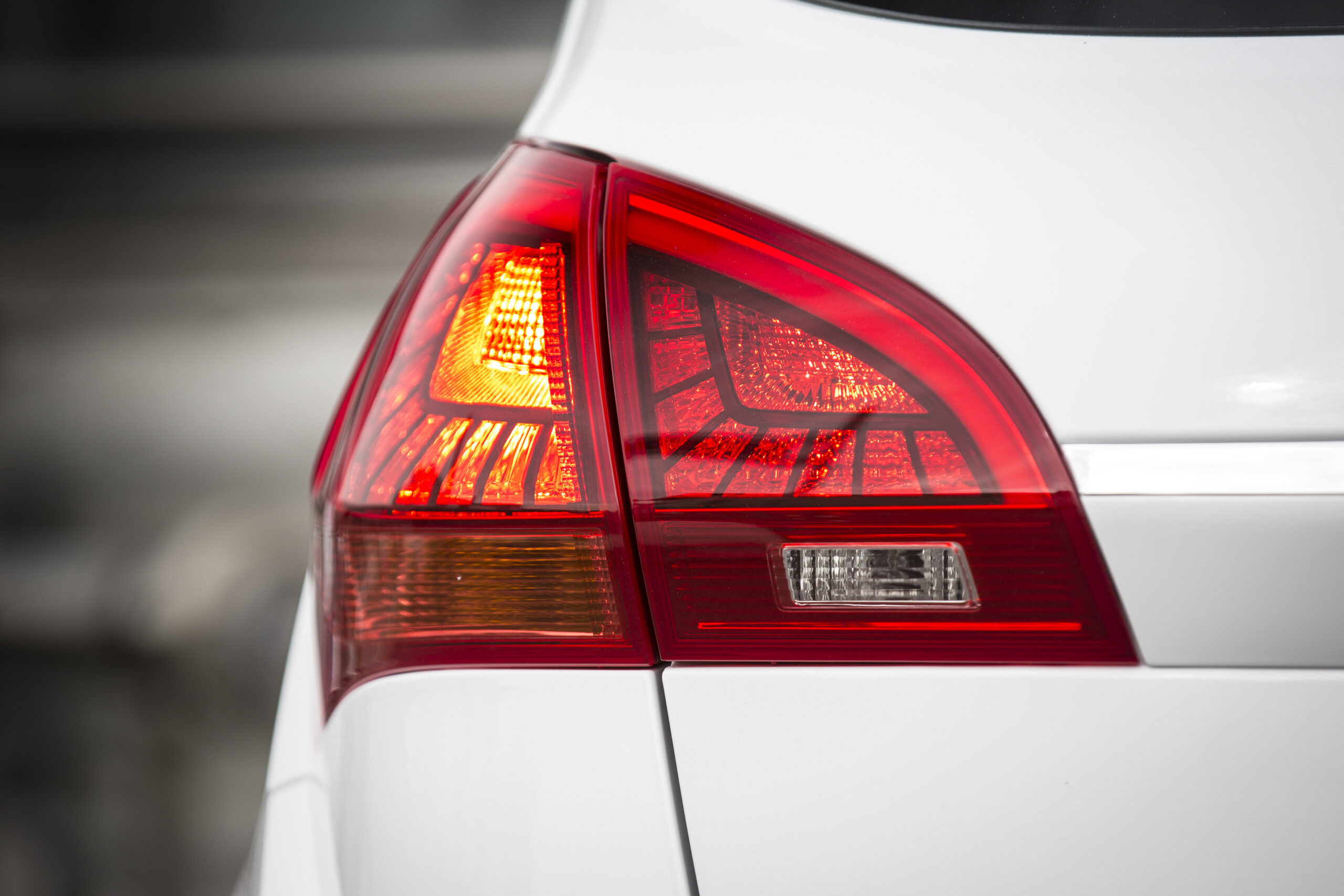
Adjusting the tailgate bump stops
You can carefully adjust the bump stops if they are adjustable. The aim is not to make the tailgate as tight as possible. They should remove the play while the lock still fully engages without extra force.
Work in small steps. First mark the original position of both stops with a marker pen so you can return to the starting point. Then turn each one a small amount outwards. Adjust left and right equally, close the tailgate as normal and check on a test drive whether the rattle has gone.
Also pay attention to the body lines. If, after adjustment, the tailgate sits visibly higher or you have to slam it shut, the stops are probably too far out. Turn them back slightly. Extra closing resistance is not a good solution for a rattle and can increase the load on the lock.
When should you have the dealer adjust the tailgate?
A dealer or garage can usually check and adjust this setting without immediately replacing parts. That is sensible if the stops seem to be in the right place but you still feel movement. The technician can then assess the tailgate alignment and the position of the striker plate at the same time.
It is better not to move the striker plate by guesswork. A small change can affect the closing force and the seal. If the tailgate does not close properly after an adjustment, have the cause investigated rather than forcing it shut more firmly.
Other rattling noises at the rear of the Kia Venga
Not every sound that seems to come from the tailgate area is caused by the bump stops. Sound travels through the bodywork, so it can be hard to identify the source. So also check the parcel shelf, the jack and the tools under the boot floor.
Other possible sources are a rear seat belt knocking against the side trim or a rear seat backrest that is not fully locked in place. Also check the clips, handle and other parts of the tailgate’s plastic interior trim. A wiring loom in the tailgate can tap against the metal bodywork.
For a test drive, remove the parcel shelf and any loose items. Check that the rear seat clicks into place and stow the seat belts away. If the rattle disappears, put the parts back one by one. That way you can find the source without needlessly adjusting the tailgate.
If the noise remains, gently press on different parts of the interior trim while the car is stationary. A loose clip can make a noise that sounds very much like a rattling lock. Checking the wiring behind the trim may require the panel to be removed. Have this done if you are not sure how the fixings come apart; broken clip mounts can cause new rattles.
‘You will not solve those complaints by screwing the bump stops out further.’
When is the rattle more than just an annoyance?
A light rattle calls for diagnosis, but a tailgate that does not lock reliably needs immediate attention. Do not assume only the bump stops are incorrectly set if the open-tailgate warning light stays on or if you can lift the closed tailgate.
Also have the latch and alignment checked if water enters the boot, the tailgate sits crooked or you can see play at a hinge. If the noise sounds like a dull thud over speed bumps, have the rear suspension and exhaust checked as well. You will not solve those complaints by screwing the bump stops out further.
The best approach to a rattling Venga is to rule out loose luggage, check the closed tailgate and adjust the bump stops only in small steps. If the noise remains or the way the tailgate closes changes, have the dealer assess the latch. On the Carnews website you will find more about faults, maintenance and diagnosis for the Kia Venga and other models. Discover which checks may help you further.
Frequently asked questions
Play usually occurs because the striker plate is loose or not centred properly. Rubber stops that are set too far inwards or have shifted also reduce the preload on the tailgate, allowing it to move in the lock. Wear in the lock or striker plate can likewise create extra movement.
First mark the original position of both rubber bump stops. Turn them evenly left and right, a small amount outwards each time, and after every adjustment check whether the tailgate closes without excessive force. Take a test drive on a bumpy road and repeat if necessary. Stop turning them out if the tailgate becomes difficult to close, sits outside the body line or puts too much pressure on the lock.
Thin self-adhesive felt tape or soft fabric tape is suitable between plastic parts and at non-structural contact points of the tailgate panel. For wiring looms, the same materials, combined with suitable cable clips, can prevent contact noises. Do not apply thick foam or damping material near the lock, striker plate or sealing rubbers.