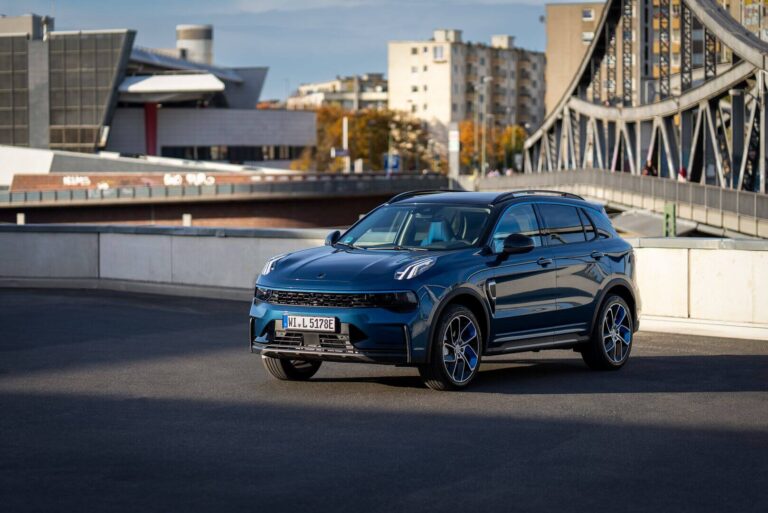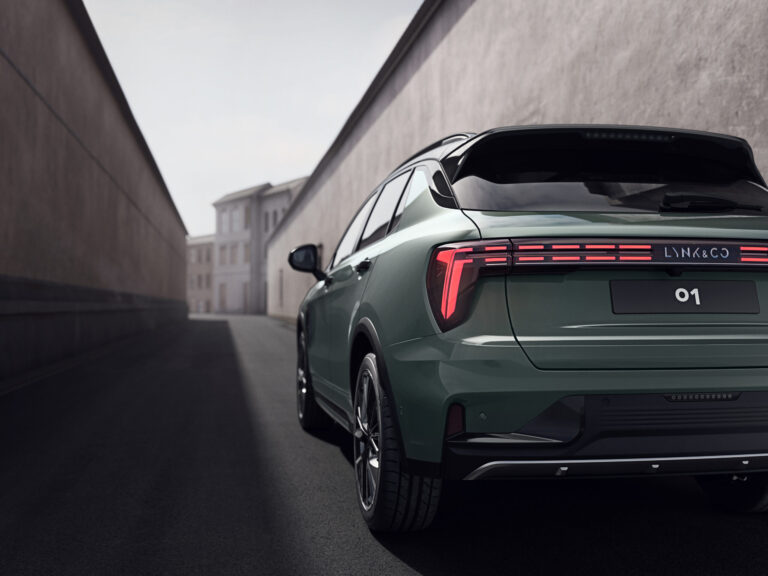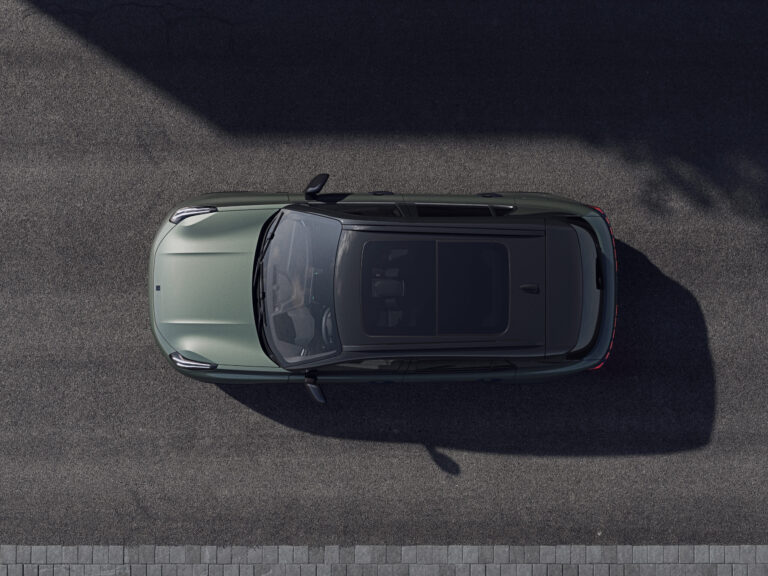
Lynk & Co 01: modern SUV with key issues you need to know
The Lynk & Co 01 combines Volvo technology with modern design and plug-in hybrid efficiency, but like every model it has specific weaknesses and points to watch. Although the car delivers many positive experiences, owners regularly encounter software instability, 12V battery problems and charging faults. With the right knowledge you can avoid unpleasant surprises. You then know what to look out for when buying or using this Chinese premium SUV.
Innovation with Volvo DNA as the technical foundation
The Lynk & Co 01 shares its underpinnings with models from the Geely group, including Volvo. The plug-in hybrid version combines a 1.5-litre turbocharged petrol engine with an electric motor for a combined output of 276 bhp. The 17.6 kWh battery provides an electric range of 69 to 75 kilometres according to WLTP measurements. As a result, you will often drive fully electric in the city. On longer journeys the petrol engine provides support.
Despite this advanced technology there are definitely aspects that run less smoothly. In Lynk & Co car problems, digital and electrical systems in particular stand out as weak points. For potential buyers and current owners it is important to be aware of these vulnerabilities. You should also know how to deal with them.
‘ Bear in mind that this problem may keep recurring, even after repeated updates. ’
Software and infotainment: common digital faults
The 10.2-inch multimedia screen forms the digital heart of the Lynk & Co 01, but this very system regularly causes frustration among owners. Sluggish performance, freezes and unexpected restarts occur. This happens mainly after software updates or during prolonged use. The system can remain black for minutes after starting the car, making navigation and climate control temporarily inaccessible.
Connection problems with smartphones via Bluetooth or the app functionality lead to interrupted music streaming or lost connections while driving. Some owners report problems with voice recognition, which responds inconsistently or misinterprets commands. These digital glitches are awkward, because many functions depend on the central screen.
Solutions include regularly installing software updates via dealer service and re-pairing devices after every problematic session. In stubborn cases a full system reset may be required, returning all settings to factory conditions. Bear in mind that this problem may keep recurring, even after repeated updates.
12V battery: small component with big consequences
In addition to the large drive battery, the Lynk & Co 01 also has a conventional 12V battery. This powers electronic systems, locking and power steering. This small battery drains more quickly than in conventional cars, because the plug-in hybrid keeps many electronic components active, even when the car is parked.
Owners experience that the car no longer starts after a few days of being parked, or warning messages about low voltage appear on the dashboard. The 12V battery has to manage the starting system and the high-voltage battery, which adds extra load. This problem occurs more often with short journeys, during which the battery does not charge sufficiently.
Prevent discharge by using the car at least once a week, and making longer trips. Have the battery checked during regular servicing and replace it after three to four years, even if no problems have yet occurred. A high-quality replacement helps to prevent starting problems in winter; it must have sufficient cold-start capacity. Some owners opt for a smart charger that maintains the 12V battery during long periods of non-use.
Charging and electric drive: faults in the plug-in technology
The charging process of the Lynk & Co 01 does not always run without problems. Owners report that the charging session sometimes stops unexpectedly or does not start, despite a correct connection to the charge point. Error messages about communication problems between charger and car appear regularly, without an obvious cause. This may be due to the software in the charging port, or to the way the charging cable is handled. Incompatibility with certain charge points also plays a role.
In addition, there are complaints about reduced performance in electric mode. The car switches unexpectedly to petrol, even though the battery is sufficiently charged. This points to faults in the electric motor or issues with the hybrid controller. Sensors that manage the battery status can also fail. In some cases this leads to power shortages when pulling away or overtaking.
Check that the charging cable and the Type 2 connector are clean and dry. Make sure the latest firmware updates for the charging system are installed. If problems persist, a diagnostic check at the dealer may be necessary, where fault codes are read out. Sometimes the high-voltage battery needs to be recalibrated and a relay in the charging circuit has to be replaced. Preferably use a fixed home charge point, so you can recognise any patterns in charging behaviour.
‘ Although they do not affect functionality, they detract from the premium feel. ’
Less frequent but important faults
In addition to the common problems, there are also occasional complaints that deserve attention. Some owners experience jerky gear changes from the 7-speed DCT automatic gearbox, especially at low speeds or when pulling away from a standstill. This may indicate software calibration issues, but early wear of the clutches in the transmission can also be the cause.
Interior rattles are reported around the dashboard and centre console, particularly on uneven road surfaces. These noises arise from play in clips or trim panels. Although they do not affect functionality, they detract from the premium feel. There are also reports of slow responses from the parking assistance system, with sensors temporarily dropping out or giving false warnings.
Transmission problems require a check at the dealer, where the transmission software can be updated or wear of internal components can be identified. For interior rattles you can check the fixing points yourself or ask the dealer to make adjustments. Sensor problems are sometimes resolved by cleaning the sensors in the bumpers or by software updates that adjust their sensitivity.
Recognising symptoms in the Lynk & Co 01
Early detection prevents greater damage and higher costs. Watch out for the following signs that indicate emerging problems:
- The infotainment screen starts up slowly or shows error messages when the car is started.
- Dashboard warnings about low voltage or battery condition appear, even after a full charge.
- The car does not start or responds slowly to the start button, especially after several days of standing still.
- Charging sessions stop prematurely or do not start, despite the charging cable being correctly connected.
- Jerky gear changes or hesitant power delivery during acceleration, especially in hybrid mode.
- Unexpected switching to petrol while the battery is sufficiently charged.
- Rattles or creaks from the dashboard or centre console on uneven roads.
- Incorrect warnings from parking assistance or other sensor systems.
Note down when symptoms occur and under which conditions, such as temperature, speed or charge status. This information helps the workshop to carry out a targeted diagnosis.
Step-by-step plan for problems with the Lynk & Co 01
Take action as soon as you notice a fault. Start with simple checks, then go to a workshop if necessary. Check whether all software updates have been installed via the settings menu; dealer service can also do this. Restart the infotainment system by switching the car off completely and waiting a few minutes.
For charging problems, try another charge point or cable to rule out the charge point as the cause. Check whether the 12V battery has sufficient voltage, using the on-board computer or a multimeter. In the event of starting problems, it may help to temporarily charge the battery with an external charger.
Do the problems persist? Then make an appointment with a Lynk & Co dealer or an approved workshop. Take a detailed description of the symptoms and conditions with you and ask for a full diagnosis, including a read-out of fault codes. Check whether the fault is covered by the warranty, especially for software and electrical systems. Keep your service history up to date and store all invoices, so you can demonstrate the care you have taken of the car.
‘ Prevention is cheaper than repair, and a well-maintained Lynk & Co 01 has significantly fewer problems. ’
Maintenance tips to prevent problems
Preventive maintenance reduces the risk of faults and also extends the life of critical components. Follow this advice:
- Drive the car every week, even if you do not need it daily, to charge the 12V battery and keep systems active.
- Fully charge the battery regularly and avoid extended use with an almost empty battery, which accelerates wear.
- Update software as soon as new versions are available, via the dealer or over-the-air where that function is available.
- Have the 12V battery checked annually and replace it after three to four years, regardless of its apparent condition.
- Use a fixed charging cable and charge point to minimise compatibility issues.
- Clean charging contacts and sensors regularly with a dry cloth to prevent dust build-up.
- Follow the manufacturer’s service schedule for engine oil and filters; transmission fluid and other components also require regular checks.
- Check tyre pressures monthly via the TPMS system; the weight of the battery puts extra load on the tyres.
Prevention is cheaper than repair, and a well-maintained Lynk & Co 01 has significantly fewer problems.
Warranty and servicing for the Lynk & Co 01
Lynk & Co provides a standard factory warranty, with cover varying depending on the year of purchase and whether you opt for a subscription or an outright purchase. Check your warranty conditions. Software updates, battery problems and charging faults are often covered, unless they are due to misuse.
The drive battery generally has a longer warranty period than the rest of the car, often eight years or a certain number of kilometres. The 12V battery usually has a shorter warranty, similar to conventional cars. Take into account any excess and specific exclusions in the warranty terms.
Servicing and maintenance can be carried out at official Lynk & Co dealers in the Netherlands. The network is more limited than that of established brands, so schedule maintenance well in advance. Parts are generally available thanks to shared components with Volvo and other Geely brands, but specific electronic modules may have longer lead times.
Always ask for a written diagnostic report in the event of problems and keep all correspondence relating to repairs. Report faults within the warranty period straight away, even if they only occur occasionally, so that an administrative record is created.
The Lynk & Co 01 remains attractive with an informed choice
The Lynk & Co 01 offers modern technology, electric driving range and Volvo reliability in a distinctive package. However, there are clear points to watch, especially in the areas of software, the 12V battery and charging infrastructure. These problems are not present in every car, but they occur often enough to be aware of them.
With the right precautions, regular maintenance and prompt action at the first signs of trouble, the Lynk & Co 01 remains an enjoyable and efficient choice for everyday use. Make sure you stay active with reports and maintenance during the warranty period, and choose an approved dealer for repairs if in doubt. That way you can make the most of the benefits of this Chinese SUV without being caught out by its known weaknesses.