Car problems with Peugeot: typical faults and solutions
Peugeot models have a mixed reputation when it comes to reliability. The French carmaker builds stylish and comfortable cars, but certain engines, electronics and diesel systems regularly cause headaches. If you know where the weak spots are and how to recognise them, you can avoid expensive surprises and enjoy driving for longer.
Peugeot and reliability: what to expect?
Peugeot is known for cars with a French character: distinctive design, pleasant comfort and often affordable to buy. At the same time, owners regularly report complaints about engines, electronics and diesel systems. In particular, models with the 1.2-litre PureTech petrol engines and diesel versions with AdBlue (a fluid that converts nitrogen oxides in the exhaust into nitrogen and water) suffer from recurring problems.
The experience of Peugeot drivers is mixed. Some cars cover hundreds of thousands of kilometres without any significant faults, while other examples develop problems early on. That makes it all the more important to know model-specific weaknesses. Anyone who buys or drives a Peugeot would do well to carry out targeted checks and preventive maintenance. Fortunately, parts are widely available and there are plenty of specialists who know Peugeot well.
‘ Avoid diesel versions if you mainly drive in town. ’
General Peugeot problems: engines, electronics and running gear
Certain problems crop up in virtually all Peugeot models. Below is an overview of the most common issues that are not tied to one specific model.
Engines and drivetrain: PureTech and diesel need attention
The modern 1.2-litre PureTech petrol engines are a frequent source of trouble. These three-cylinder units use a wet timing belt that runs through the engine oil. That belt wears prematurely, causing fragments to come loose and block oil passages. The result is increased oil consumption and, in the worst case, engine damage. Replace the belt at 40,000 kilometres or earlier, and check the oil level weekly.
Diesel engines suffer from clogged particulate filters, especially with little motorway use. The diesel particulate filter (DPF), which filters soot particles from the exhaust gases, needs time and temperature to burn off. Drivers who mainly make short trips must count on manual regeneration or even replacement of the filter. AdBlue pumps and injectors often fail, leading to warning lights and sometimes engine noises. Avoid diesel versions if you mainly drive in town.
In addition, carbon deposits build up in the intake ports, gaskets start leaking over time and EGR valves (exhaust gas recirculation, which feeds exhaust gases back into the engine to reduce emissions) cause problems after 150,000 kilometres. The fuel system is prone to faults, especially in diesels. Always use quality oil and fill up at reliable fuel stations to limit problems.
Electronics and electrical faults: sensors and software
Electrical faults are widespread in Peugeots. Dashboard warning lights come on without an obvious cause, often due to loose connections or faulty sensors. The engine warning light appears regularly without any serious engine damage being present. Infotainment systems and dashboard displays show glitches, especially in older model years.
Sensors for emission systems often fail in diesel models. This led to major recalls, with more than 18,000 vehicles recalled in 2019 and 2020 due to nitrogen oxide emission problems (NOx are harmful combustion gases that contribute to air pollution). Air conditioning can also fail, which in some cases temporarily makes the car undriveable. Always check with the dealer whether there are any outstanding recalls.
Batteries age faster than expected and relays in the BSM unit (the central control unit that controls, among other things, lighting, windscreen wipers and central locking) fail, often before 200,000 kilometres. Wiring to ABS and ESP sensors (systems that prevent wheel lock and maintain stability) wears out due to vibrations and moisture. During a test drive, make sure to test all systems: central locking, mirror adjustment, lighting functions and the infotainment system. Have software updates carried out by the dealer to resolve glitches.
Gearbox, brakes and running gear: wear and maintenance
Automatic gearboxes can shudder or hesitate when changing gear. This often points to oil leaks or worn clutches. Have the gearbox checked during servicing and ensure timely oil changes.
Brakes wear faster on Peugeots than on many competitors, especially with a lot of motorway driving. Rear brake callipers with an integrated handbrake can seize up if the handbrake is rarely used. Use the handbrake regularly, even if you have an automatic. Replace caliper pins and rubber seals as a preventive measure to avoid problems.
The running gear generally lasts around 150,000 kilometres under normal use, but shock absorbers, bearings and CV joints wear out more quickly with intensive use or poor road surfaces. CV joints are difficult to replace separately; often the entire driveshaft has to be changed. During inspection or a test drive, check whether there is play in the bearings, whether the shock absorbers are leaking and whether there are cracks in the CV gaiters.
Car problems Peugeot 206: popular but vulnerable
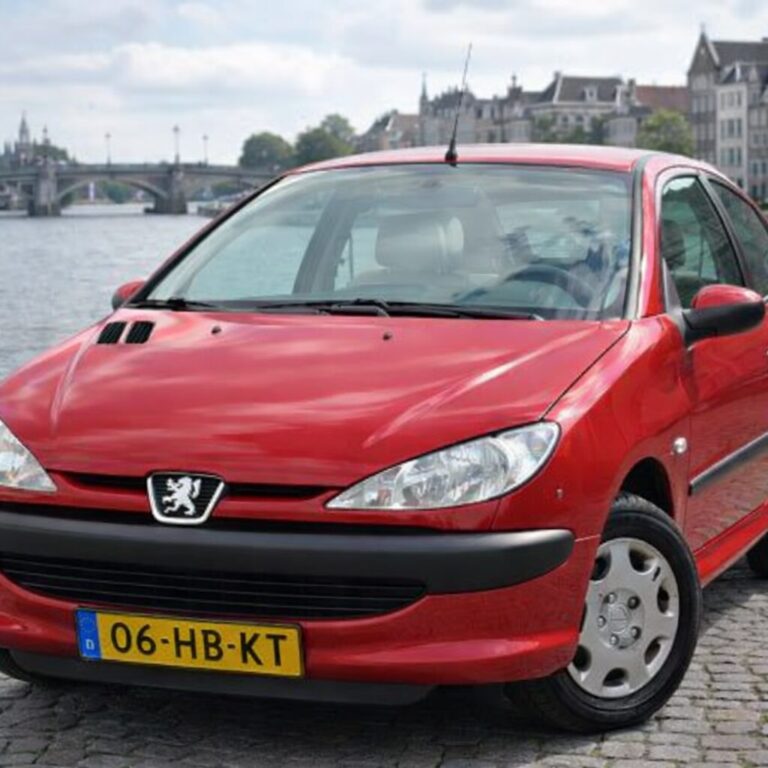
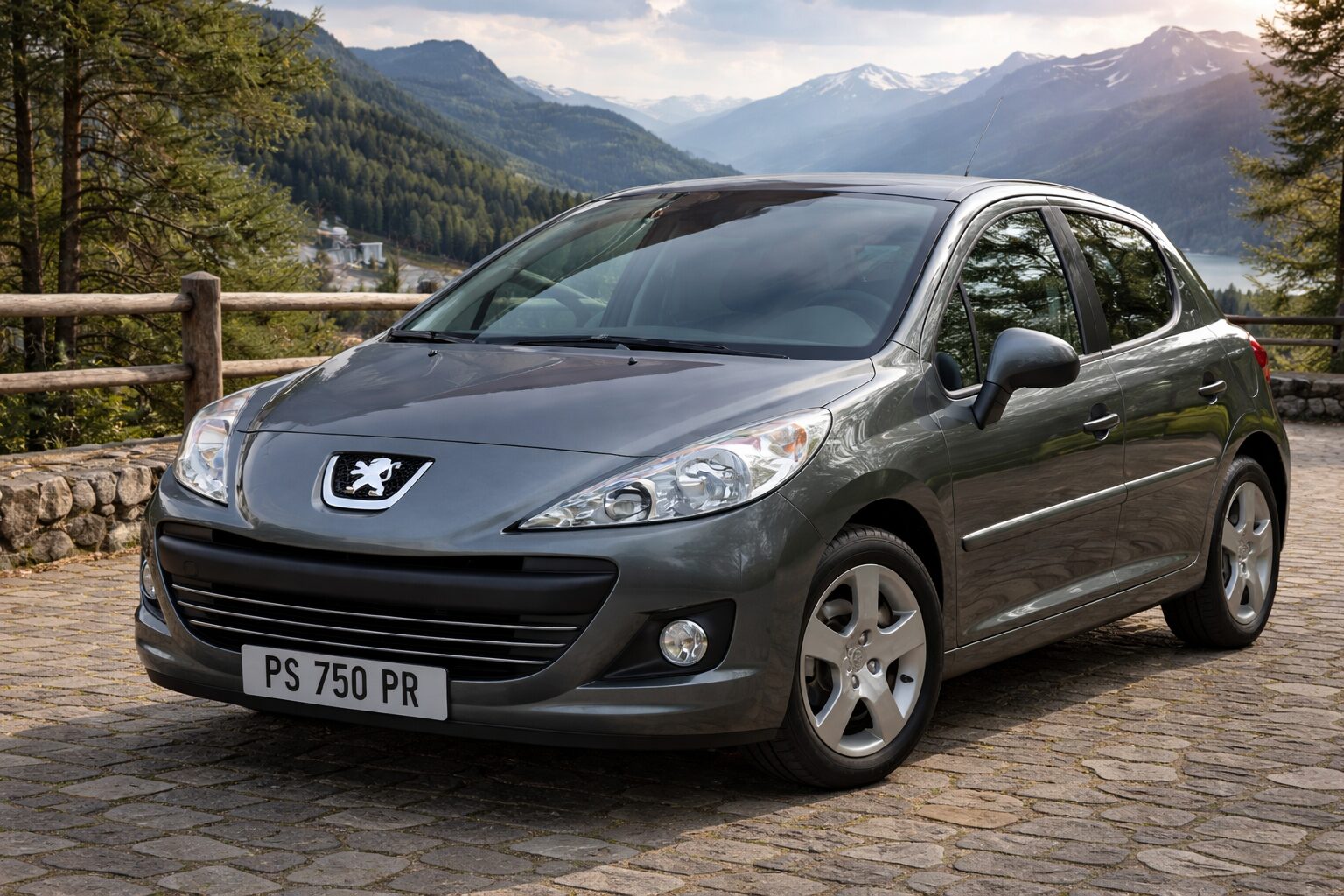
For years, the 206 was one of the best-selling small cars in Europe. Many examples are still on the road, but age is catching up with them. Typical problems include defective injection systems, recurring electronic faults and rust spots. The dashboard can fail and the central locking sometimes behaves erratically.
The suspension needs attention. Control arms and shock absorbers wear out, and rust attacks the wheel arches and underside. Carefully inspect the sills, wheel arch trims and wheel arches before buying a 206. The interior also suffers significant wear: seats sag, buttons break and plastic fades.
Petrol engines are generally more reliable than the diesels. When buying a used 206, always check the service history and have a specialist inspect the engine, suspension and electronics. With preventive maintenance and attention to rust, you can enjoy this compact French car for many more years.
Read more: Peugeot 206
Car problems Peugeot 207: electronics and engine
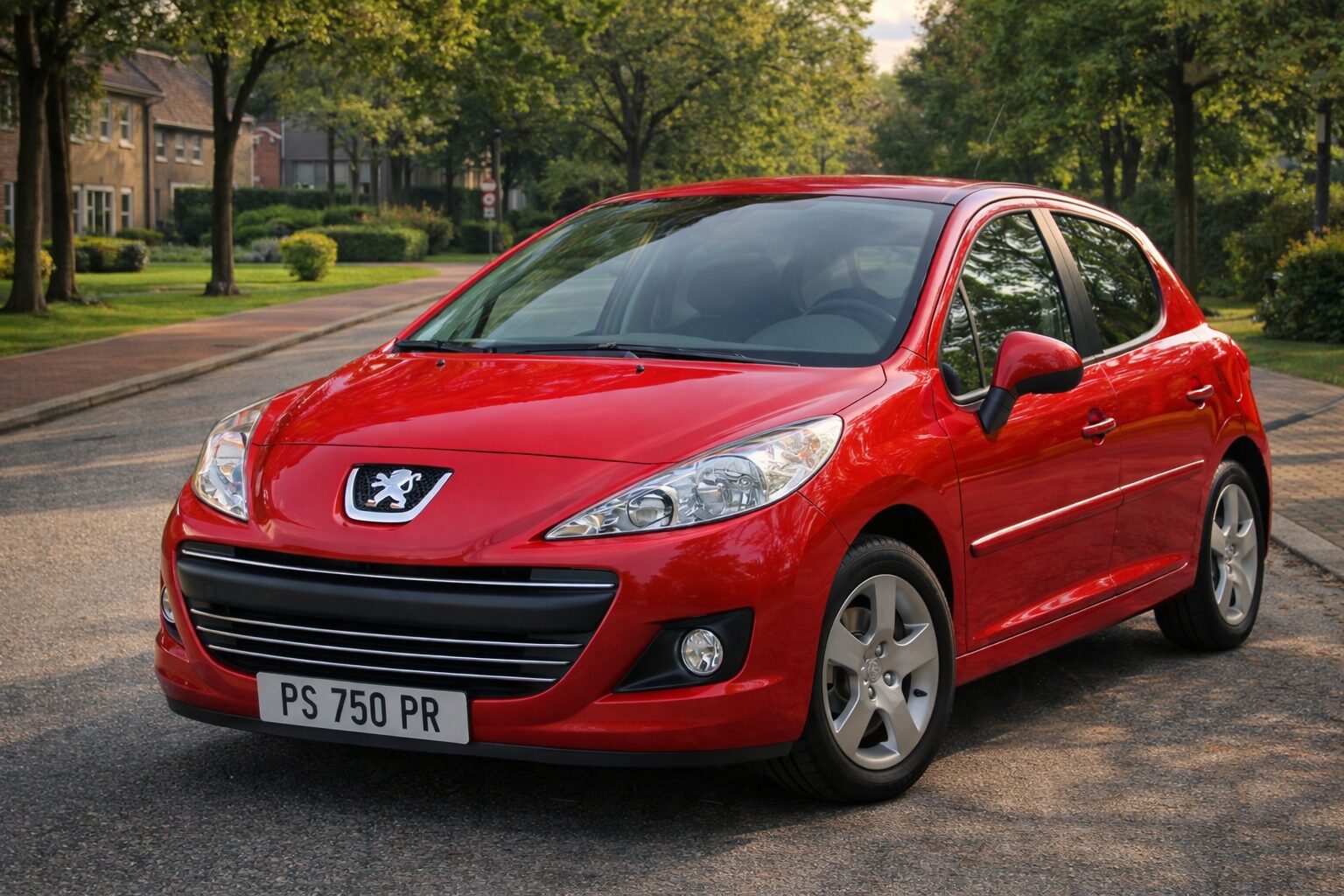
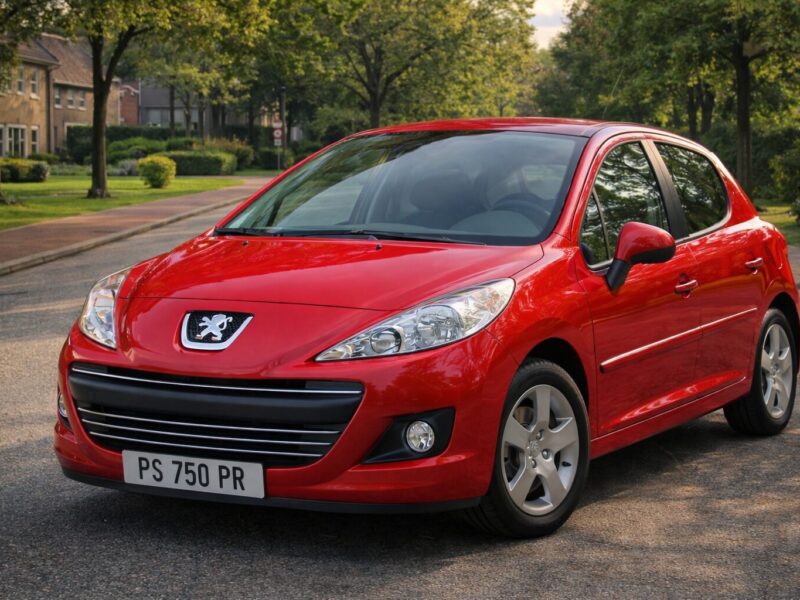
The 207 replaced the 206 and introduced modern electronics, which unfortunately also brought new problems. ABS and ESP sensors regularly fail, leading to warning lights on the dashboard. The fix is often simple, but diagnosis takes time and money.
The petrol engines, especially the smaller versions, are vulnerable. Timing chains can show early wear and the timing belt needs timely replacement. If in doubt, have a compression test carried out to assess the condition of the engine. Interior and lighting suffer from early electrical issues: windscreen wipers work slowly, windows stop halfway and rear lights fail due to moisture problems.
Maintenance is important with the 207. Regularly check the oil level and coolant, and change fluids on time. When buying, look for a complete service history and test the operation of all electronic systems during the test drive.
Read more: Peugeot 207
‘ The major sore point lies in the PureTech petrol engines. ’
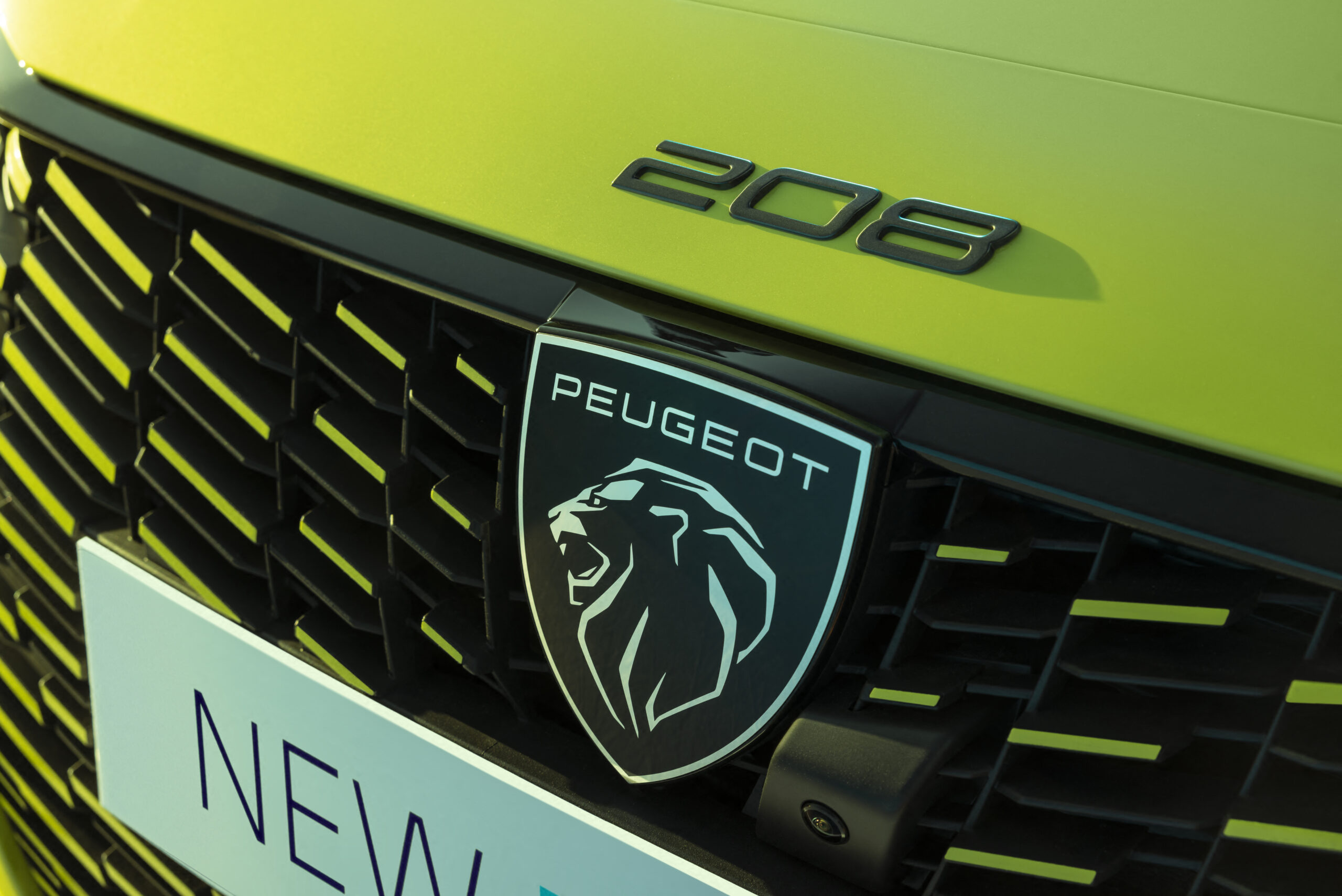
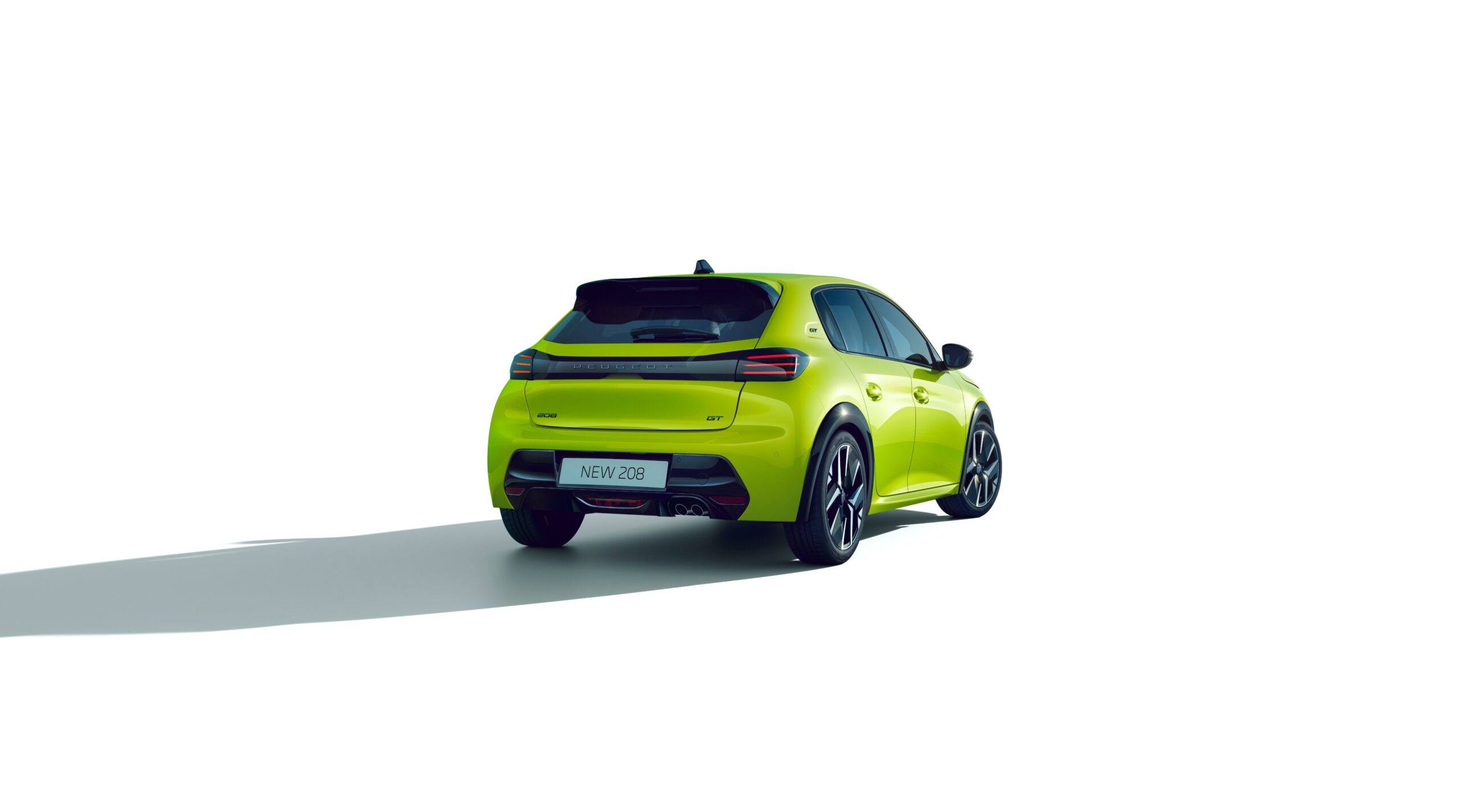
Car problems Peugeot 208: focus on the PureTech engine
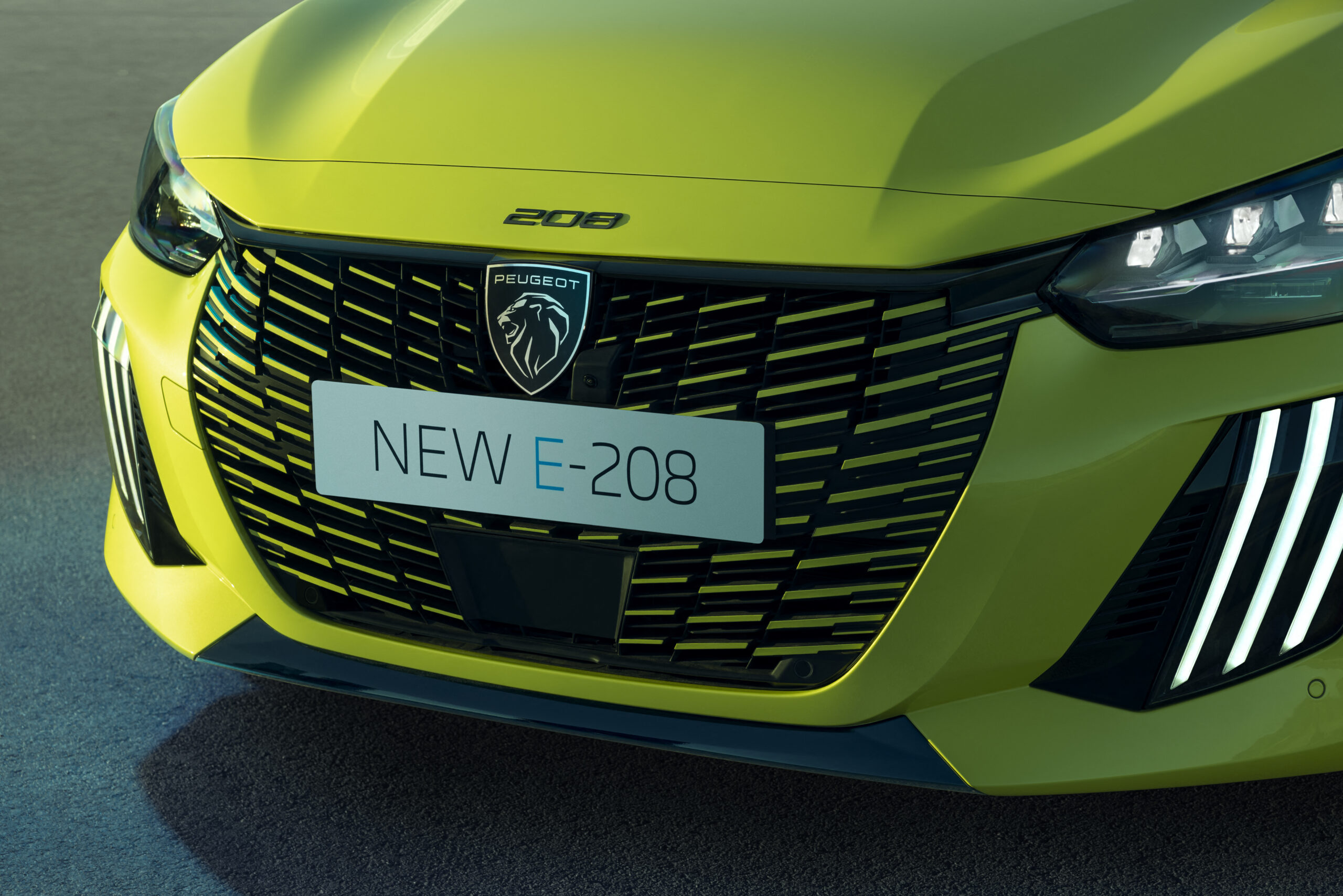
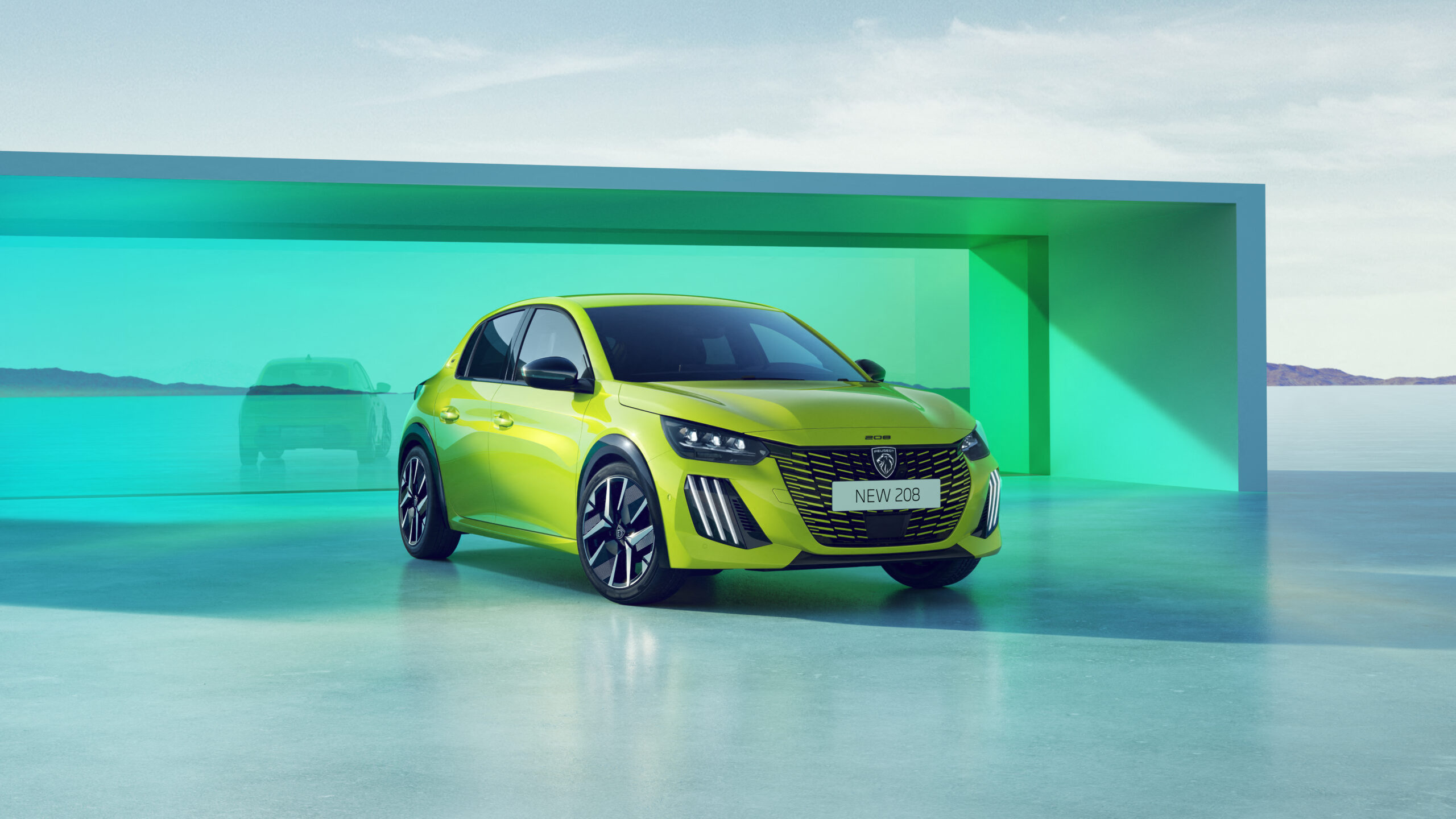
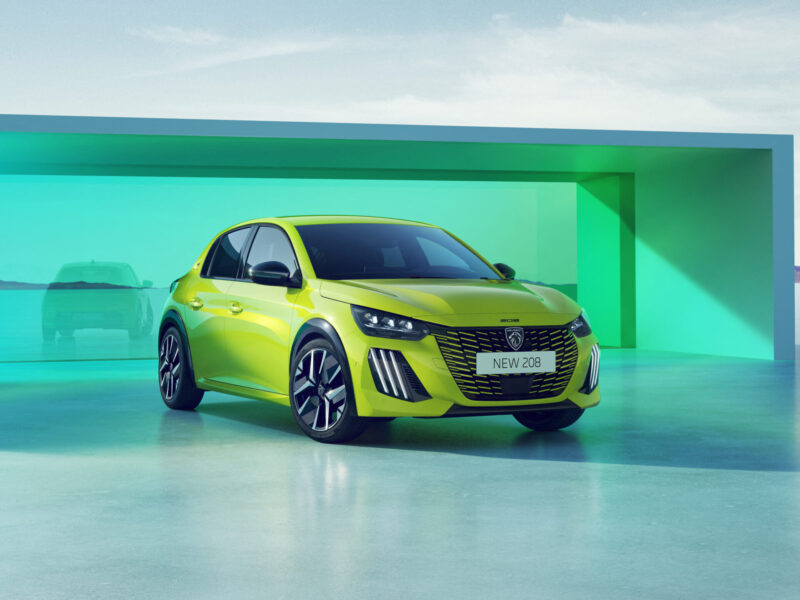
The 208 is a popular small car with modern design and comfortable driving characteristics. The major sore point lies in the PureTech petrol engines. The wet timing belt wears prematurely, with all the consequences that entails: oil consumption, engine damage and expensive repairs. Check the oil level weekly and replace the belt preventively at 40,000 kilometres.
Piston rings also cause problems. They can break, causing the engine to rattle or even seize. Electronic glitches occur as well, such as faults in the infotainment system and unexpected warning lights. Dealers can perform software updates that resolve some of these issues.
Anyone buying a 208 should opt for a car with a complete service history and proof of belt replacement. Consider a diesel version if you do a lot of long journeys, but be alert to diesel particulate filter and AdBlue problems. For city use, a well-maintained petrol version is the safest choice, provided you keep a close eye on the timing belt.
Read more: Peugeot 208
Car problems Peugeot 306: old classic with charm
The 306 is now a modern classic with a loyal group of enthusiasts. The car is known for its pleasant handling, but age is taking its toll. Rust is a major issue: thoroughly inspect wheel arches, sills, tailgate and the underside. Suspension wears out and is cheap to replace, but moisture problems and electrical faults are harder to solve.
With proper maintenance, the engines last a long time, but cooling systems can leak and gaskets become brittle. Diesel versions are economical and reliable, provided they are well maintained. Watch for smoke on start-up and check that the engine runs smoothly.
For enthusiasts who want a 306 as a modern classic, a thorough pre-purchase inspection is essential. Look for examples with a service history and avoid cars with visible rust spots or tinkered-with electronics. With care and attention, the 306 remains a pleasure to drive.
Read more: Peugeot 306
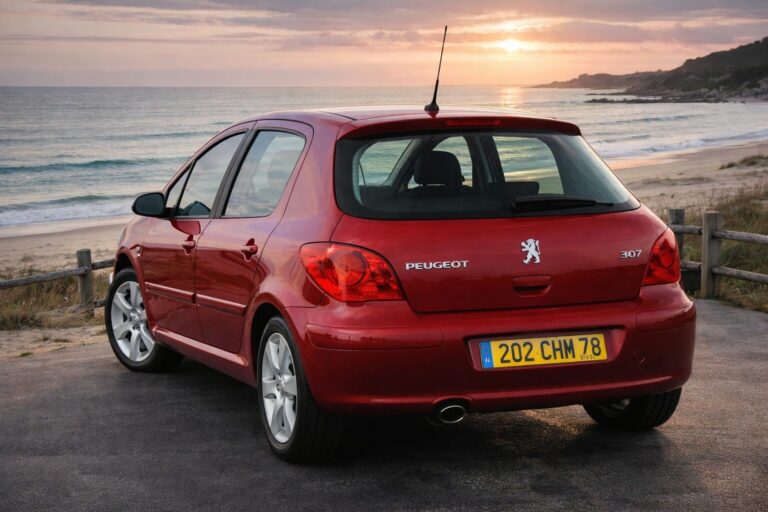
Car problems Peugeot 307: BSI issues and diesel
The 307 offered more space and comfort than its predecessor, the 306, but also more electronics and therefore more faults. The best-known issue is the BSI unit (the central control unit that controls lighting systems, windscreen wipers, central locking and other electrical functions). Faults in the BSI can lead to failure of lighting, central locking, windscreen wipers and more. Sometimes replacing relays helps; in other cases, the entire unit must be replaced.
Diesel versions struggle with clogged particulate filters and faulty EGR valves. Regeneration of the diesel particulate filter does not always succeed, especially with lots of short city journeys. AdBlue problems are less common in older 307 models, but injectors and glow plugs do need regular replacement.
Running gear and suspension wear out at higher mileages. Control arms, rubber bushes and shock absorbers are weak points. When buying or test-driving, check whether the running gear feels tight and whether there is any play in the wheel suspension. Have a pre-purchase inspection carried out that thoroughly checks the BSI unit, diesel systems and suspension.
Read more: Peugeot 307
‘ Software updates often help, but some problems keep coming back. ’
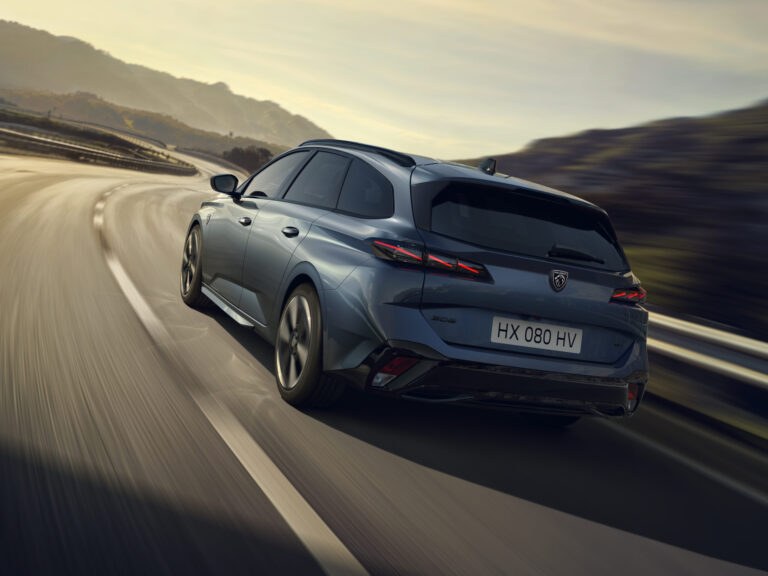
Car problems Peugeot 308: two generations with weaknesses
The 308 has been produced in two generations, each with its own problems. The first generation (2007–2013) struggles with electronics issues, diesel problems and wear in the running gear. The second generation (2013–present) suffers from the well-known PureTech engine problems and AdBlue faults in diesels.
Petrol engines with PureTech technology need extra attention to the wet timing belt and oil consumption. Diesel versions show problems with the particulate filter, AdBlue system and EGR valve. Choose petrol for city use and diesel only if you do a lot of motorway driving. When buying a diesel, check during a long test drive that regeneration of the diesel particulate filter is working properly.
Electronic faults mainly affect the multimedia system, cameras and parking sensors. Software updates often help, but some problems keep returning. When buying, pay attention to the model year and preferably choose examples from 2015 onwards with improved software. Check the service history for belt replacement and diesel particulate filter regenerations.
Read more: Peugeot 308
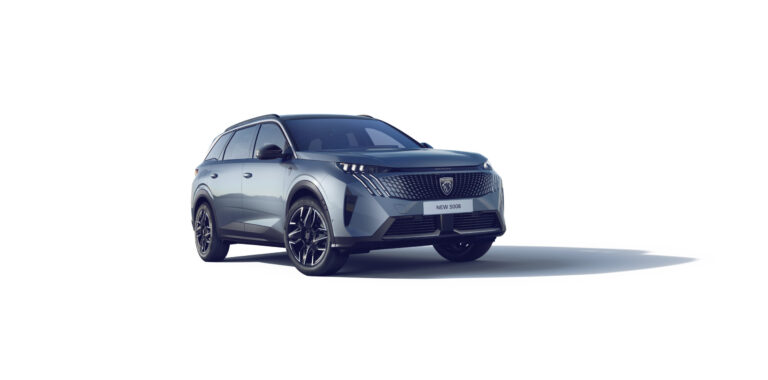
Car problems Peugeot 3008: popular SUV with weaknesses
The 3008 is one of Peugeot’s most popular models. The modern generation (from 2016) looks sharp and offers plenty of space, but the familiar engine problems also occur here. The 1.2-litre PureTech engine suffers from the wet timing belt. Fragments of the belt can block oil passages, leading to oil consumption and engine damage. Replace the belt proactively and check the oil level weekly.
Diesel versions suffer from diesel particulate filter problems and defective AdBlue pumps. Symptoms include warning lights, engine noises and loss of power. AdBlue repairs are expensive, so before buying, check that the system is working properly. Software and electronics issues are common: infotainment slows down, cameras fail and sensors give false warnings.
A specific problem concerns cooling in winter conditions. Snow can block the cooling system, causing overheating. Check the cooling system before winter and clean the radiator fins regularly. For 3008 drivers, a thorough test drive is essential: test all electronics, drive a long route to check diesel particulate filter regeneration and listen for unusual engine noises.
Read more: Peugeot 3008
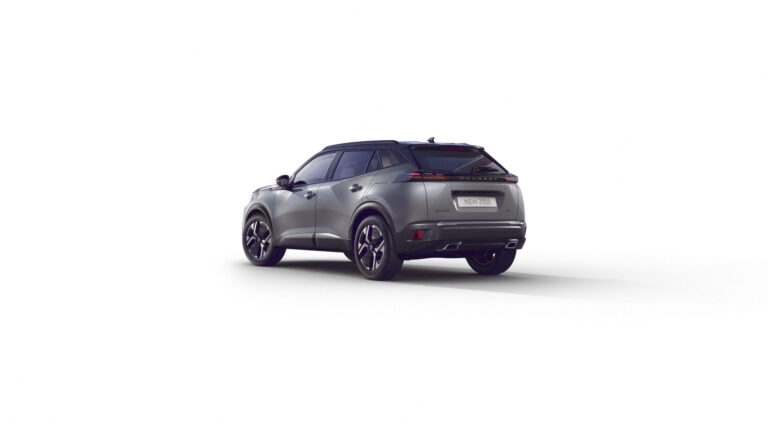
Car problems Peugeot 2008: sensors and diesel
The 2008 is Peugeot’s compact SUV, popular with families and city drivers. Petrol versions show fewer problems than diesels, but faults still occur. Sensors and warning systems regularly fail, leading to annoying dashboard lights. This mainly concerns parking sensors, tyre pressure sensors and emission sensors in diesels.
Diesel versions suffer from nitrogen oxide emission problems, clogged AdBlue injectors and particulate filters that do not regenerate properly. Peugeot recalled large numbers of 2008 diesels for software updates and repairs. When buying a used 2008, check whether all recalls have been carried out. Air conditioning can fail, which in some cases also led to a recall.
Prefer a petrol version if you mainly make short trips. Diesels are suitable for drivers who often do long journeys and give the diesel particulate filter enough time to regenerate. During the test drive, test all sensors, the infotainment system and the air conditioning. Check the service history for AdBlue- and diesel particulate filter-related repairs.
Read more: Peugeot 2008
‘ Software updates often help, but not always permanently. ’
Car problems Peugeot 5008: family SUV under strain
The 5008 is the bigger brother of the 3008 and offers space for seven people. That extra weight and load lead to faster wear on running gear and brakes. Engine and AdBlue problems also occur in the 5008, with the same symptoms as in other models: wet timing belt in PureTech petrols and diesel particulate filter faults in diesels.
Electronic issues mainly affect well-equipped versions with many driver assistance systems, cameras and sensors. Software updates often help, but not always permanently. Brakes wear out more quickly due to the higher weight, especially when driving fully loaded or with a trailer. Regularly check brake discs and pads and replace them in good time.
Drivers using the 5008 as a family car with caravan or fully loaded should expect more frequent maintenance. Before long trips, check brakes, tyres, shock absorbers and cooling system. Only choose diesel if you do many long journeys; otherwise petrol, despite its higher fuel consumption, is the more reliable choice. When buying, have a specialist thoroughly inspect the engine, gearbox and running gear.
Read more: Peugeot 5008
Car problems Peugeot 406: ageing saloon with wear
The 406 is a spacious saloon or estate from the 1990s and early 2000s. Many examples have high mileages and show matching wear. With proper maintenance, engines and gearboxes last a long time, but expect leaks, worn bearings and clutch wear.
Rust is a concern, especially in cars that have driven in salty areas. Inspect wheel arches, sills, bottoms of doors and the rear end. The electronics are relatively simple and cause fewer problems than in more modern models, but sensors and relays can still fail.
Diesel versions are economical and suited to high mileages, provided they are well maintained. Watch for smoke on start-up and listen for unusual engine noises. For enthusiasts looking for an affordable modern classic or budget car, the 406 is a solid choice. Look for examples with a service history and avoid cars with visible rust or engine problems.
Read more: Peugeot 406
Car problems Peugeot 407: luxury saloon with electronics
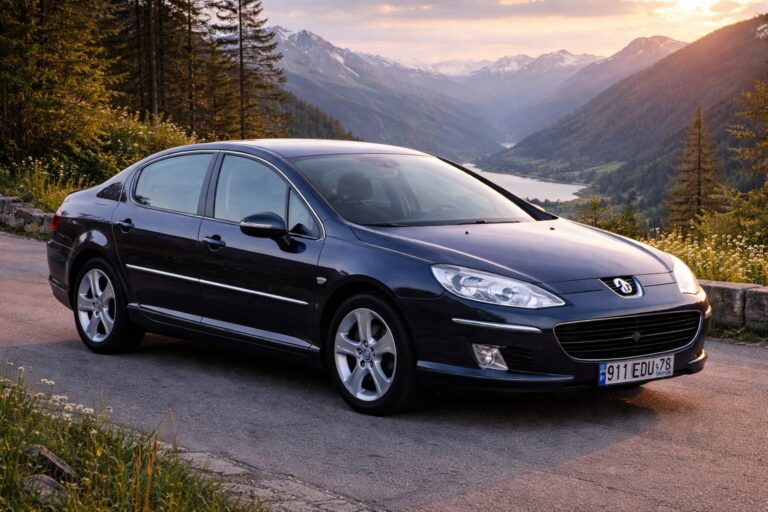
The 407 replaced the 406 and brought more luxury and electronics. That also means more potential faults. The suspension is prone to wear: control arms, rubber bushes and shock absorbers wear out faster than on competitors. ESP and airbag lights regularly appear on the dashboard, often due to sensor faults or software problems.
Diesel versions suffer from the usual particulate filter and EGR problems. On-board computers and multimedia systems show glitches, and the air conditioning can fail. The 407 needs careful attention during test drives: assess the suspension for play and harsh knocks, check that all warning lights go out after starting and listen for diesel clatter or irregular engine running.
During a pre-purchase inspection, the specialist should focus on suspension, electronics, diesel systems and the condition of the gearbox. Choose examples with a full service history and avoid cars with active warning lights or unexplained electrical faults.
Read more: Peugeot 407
‘ Software updates are available, but do not solve all problems permanently. ’
Car problems Peugeot 508: businesslike but maintenance-sensitive
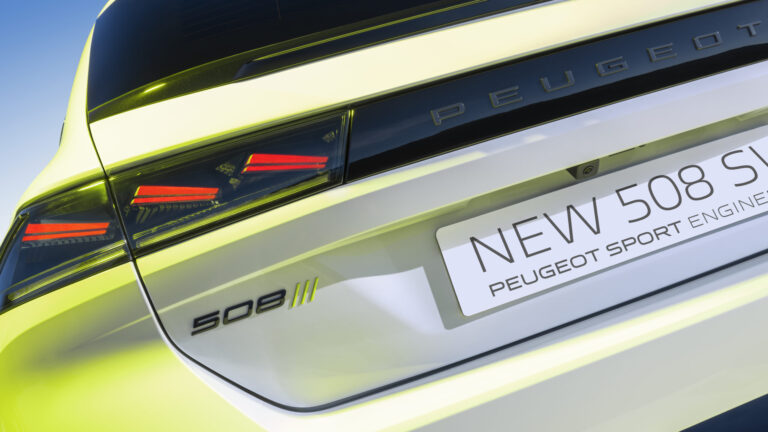
The 508 is Peugeot’s business saloon and estate, produced in two generations. The first generation (2010–2018) suffers from diesel problems, electronics issues and wear in the running gear. The second generation (from 2018) looks modern but is affected by the well-known PureTech engine problems and complex electronics.
Driver assistance systems, infotainment and sensors frequently show faults. Software updates are available, but do not solve all problems permanently. Diesel versions show particulate filter and AdBlue issues, especially when used as short-lease cars with many short trips. The running gear wears faster with intensive motorway use, which fits its role as a business motorway cruiser.
Anyone considering a 508 as a comfortable long-distance car must expect higher maintenance costs than with Japanese or German rivals. Choose diesel only if you make many long journeys and, before buying, check that all software updates and recalls have been carried out. Test driver assistance systems, adaptive cruise control and parking sensors thoroughly during the test drive.
Read more: Peugeot 508
Car problems Peugeot RCZ: sporty but vulnerable
The RCZ is Peugeot’s sporty coupé, loved by fans of French design. The powerful petrol engines, especially the 1.6-litre turbos, are vulnerable. Timing chains can show wear and turbos fail under intensive use. Pistons and connecting rods are also sensitive to heavy loads.
Sporty driving leads to faster wear of suspension, wheels and brakes. Check wheels for kerb damage and have the suspension checked for play and leaking shock absorbers. Electronic faults also occur in the RCZ, though less frequently than in family models.
Anyone buying an RCZ must expect higher maintenance than with regular Peugeots. Look for examples with a full service history, proof of engine and turbo maintenance and preferably already replaced timing chains or belts. Have a specialist thoroughly inspect the engine, turbo and running gear before purchase.
Read more: Peugeot RCZ
Car problems Peugeot Partner: van under heavy load
The Partner is Peugeot’s compact van, also sold as a family car with windows and seats. Heavy loads lead to faster wear on running gear, brakes and gearbox. Diesel versions suffer from particulate filter, EGR and AdBlue problems, made worse by intensive use with lots of starts and stops.
Sliding doors and locks regularly cause problems. Mechanisms wear, locks jam and sensors fail. The interior wears quickly in intensive use: seats sag, plastics break and dashboards creak. When buying, check the condition of the interior and test the sliding doors several times.
For business users and families considering a Partner, regular maintenance is essential. Have brakes, running gear and diesel systems checked more often than on passenger cars. Choose petrol if use is mainly short and city-based, and diesel only if you do many long journeys.
Read more: Peugeot Partner
‘ “Repairs are expensive and often lead to downtime, which is costly for business owners.” ’
Car problems Peugeot Expert: hard-working van
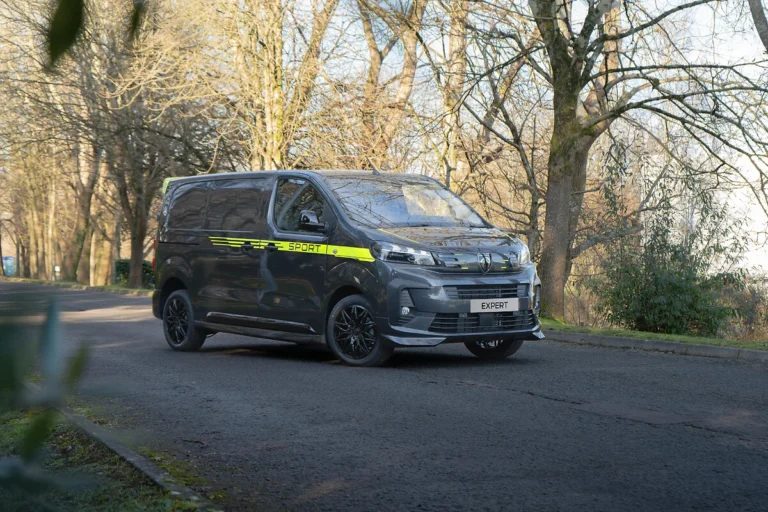
The Expert is Peugeot’s medium-sized van, intended for intensive business use. Diesel engines are heavily loaded and suffer from particulate filter, AdBlue system and injector problems. Symptoms include loss of power, black smoke and warning lights. Repairs are expensive and often lead to downtime, which is costly for business owners.
Gearboxes wear under intensive use and heavy loads. Clutches wear out faster and gearchanges become harsh. Electronics for the load area and comfort options show faults: sensors for load area lighting, reversing cameras and parking assistance fail.
Anyone looking for a used Expert must carry out a thorough check. Have the engine, gearbox and diesel systems inspected by a specialist who knows vans. Check the service history for preventive maintenance and avoid examples with high mileage and no full history. Plan maintenance and inspections preventively to avoid downtime and costly repairs.
Read more: Peugeot Expert
Practical tips for Peugeot drivers and potential buyers
Anyone who buys or drives a Peugeot can prevent many problems with targeted attention. Below are practical tips that apply to all models.
Choosing petrol or diesel
Choose petrol for city use and short trips. This largely avoids diesel particulate filter problems and AdBlue faults. Diesel is suitable if you do many long motorway journeys, but expect higher maintenance costs for emission control and the AdBlue system. If in doubt, petrol is the safer choice despite slightly higher fuel consumption.
Oil level and timing belt on PureTech
With PureTech petrol engines, check the oil level weekly. Increased consumption is a sign that the wet timing belt is wearing. Replace the belt preventively at 40,000 kilometres, even if the manufacturer specifies longer intervals. That small investment prevents engine damage running into thousands of euros.
Spotting electrical problems during a test drive
During a test drive, test all electrical systems. Try central locking, mirror adjustment, lighting, infotainment, air conditioning and all sensors. Take a long test drive to see whether warning lights appear and whether diesel particulate filter regeneration works correctly on diesels. Listen for unusual noises, jerky gear changes and irregular engine running.
Pre-purchase inspection and checking recalls
Before buying, have a specialist carry out a thorough inspection. Check engine, gearbox, running gear, brakes and electronics. Ask the dealer whether there are any outstanding recalls and whether all software updates have been installed. Request the full service history and proof of belt replacement and diesel particulate filter regenerations.
Planning your own preventive maintenance
Draw up a fixed maintenance schedule and stick to it, even outside the prescribed dealer services. Every month, check fluid levels (oil, coolant, screenwash), tyre pressure and exterior lighting. Note the mileage at each check and record small repairs. Use only quality oil and genuine filters to limit wear and contamination.
At Carnews you will find extensive information on specific models, maintenance tips and comparisons with competitors. By informing yourself properly before buying and staying alert in everyday use, you can get the best out of your Peugeot. Discover which models and versions best suit your situation and make a well-considered choice you will enjoy for years.