Peugeot 206: common problems and practical solutions
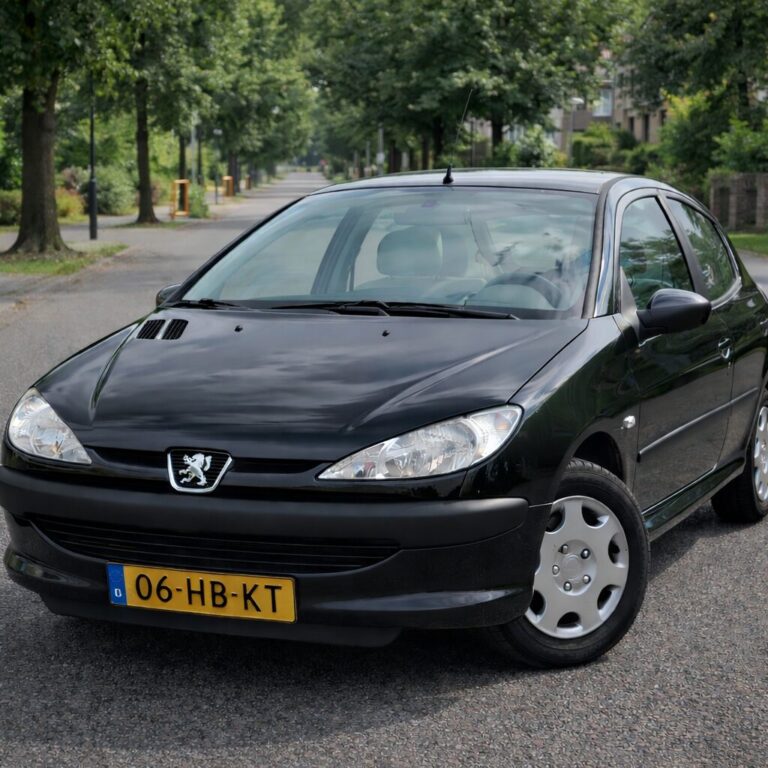
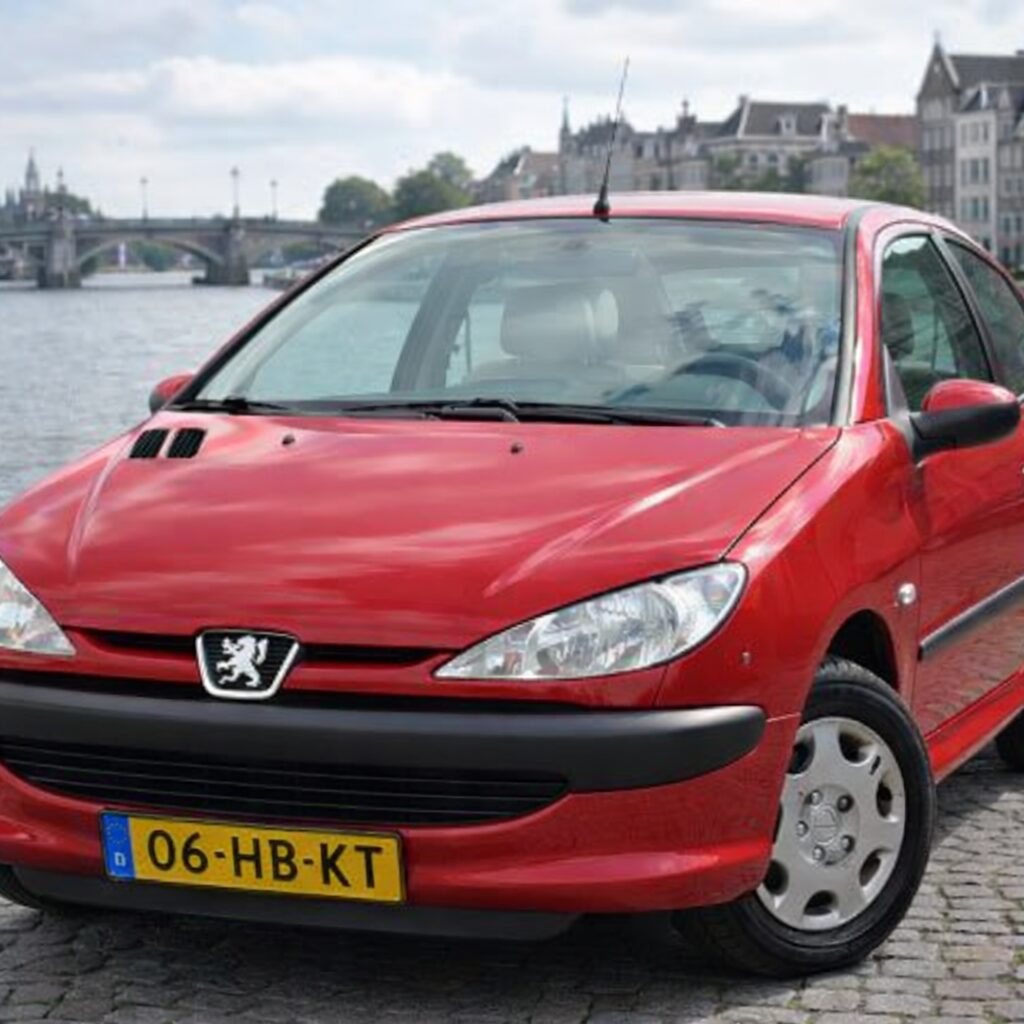
The Peugeot 206 is one of the most popular compact cars Europe has ever seen. Between 1998 and 2012, millions of examples rolled off the production line, in versions such as hatchback, estate and even cabriolet. The model is known for its distinctive design, driving pleasure and affordable price. In practice, however, it turns out that the 206 – like any other car – has its weak spots. Owners of a used 206 regularly report recurring technical issues, from electronic faults to engine hesitations. Do you want to know what you need to look out for?
Why this guide matters
Every car has its strengths and weaknesses. For the Peugeot 206, some problems are reported so often that they are considered typical for this model. This article helps you to recognise these common issues at an early stage and tackle them in a targeted way. Whether you already drive a 206 or are thinking of buying one: being aware of the known technical points of attention will save you time, money and disappointment.
The problems range from relatively simple electrical quirks to more complex engine and suspension issues. Some are specific to certain model years or engine variants. Others occur on virtually all versions. For a complete overview of problems with Peugeot models, visit the overview page /autoproblemen/autoproblemen-peugeot.
‘ This leads to a wide range of complaints: electric windows cutting out, central locking that does not respond, warning lights flashing for no obvious reason or a horn that goes off unexpectedly. ’
The notorious COM2000 unit and electrical faults
The Peugeot 206 has built up a reputation when it comes to electronics. The COM2000 unit (the steering column switch that controls the electronic operation of the lights and other functions) can fail. This leads to a wide range of complaints: electric windows cutting out, central locking that does not respond, warning lights flashing for no obvious reason or a horn that goes off unexpectedly.
The problem is often caused by moisture entering the unit, which is located behind the dashboard. Water leaks via the plenum chamber or poorly sealed rubber grommets can lead to corrosion on the circuit board. Recognisable signs are:
- Windows that stop halfway or move irregularly
- Central locking that activates spontaneously or does not respond to the remote control
- Warning lights flashing on the dashboard without a clear fault code
- Horn that sticks on or suddenly starts blaring
Solution: have the COM2000 unit checked and, if necessary, refurbished or replaced. On older examples also pay attention to chafed-through cables in the rubber wiring boot between the door and the body. Preventive maintenance on rubber seals and drains helps to prevent moisture ingress.
Engine issues that occur regularly
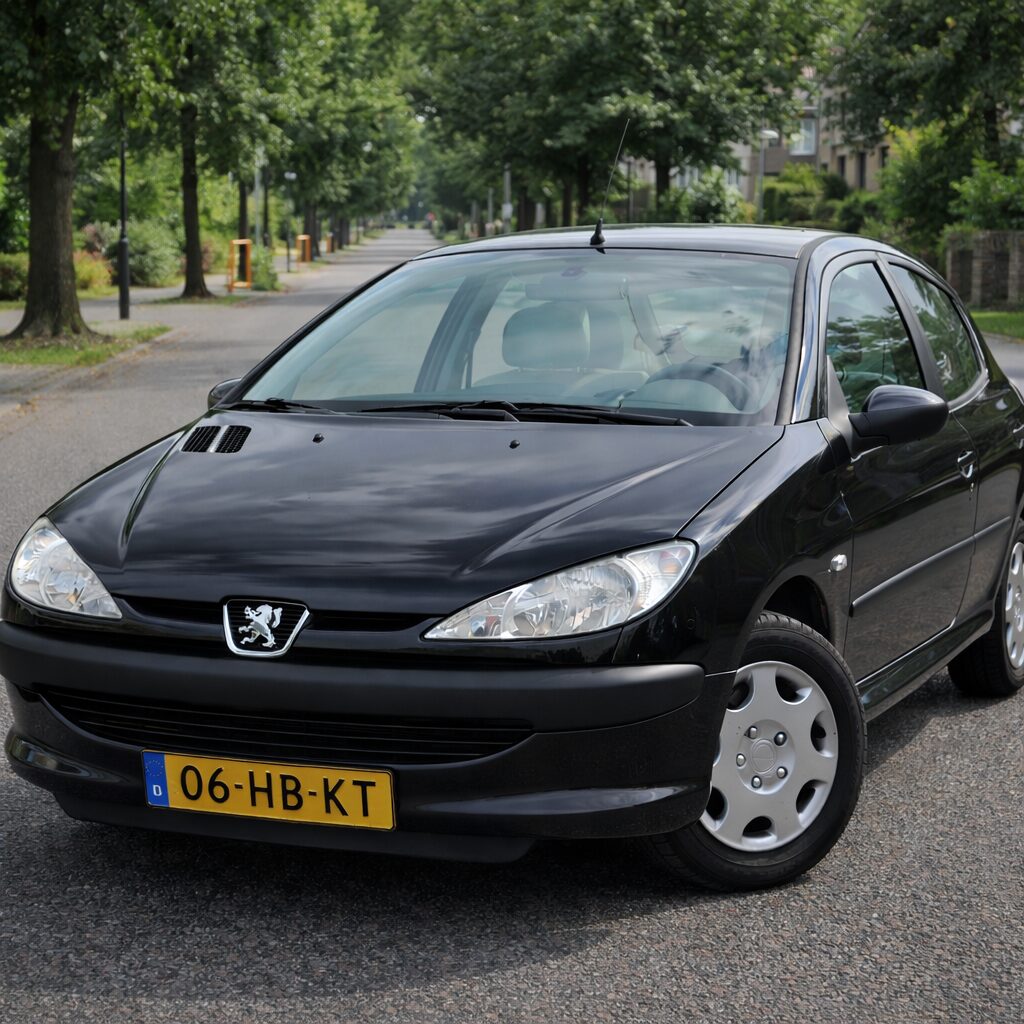
Engine performance in the Peugeot 206 varies greatly depending on the chosen powertrain. Even so, there are several engine problems that can occur on multiple variants. A frequently heard complaint concerns failed ignition coils, especially on petrol models. A faulty coil manifests itself through engine misfiring, loss of power and sometimes even complete failure of one or more cylinders.
Owners also report problems with the fuel pump. A faulty or weakened pump causes poor starting, rough running or the engine cutting out suddenly while driving. Oil leaks are also common, often on older examples with high mileage. Typical leak points are the rocker cover and the oil filter housing.
Common signs of engine problems are:
- Jerking or hesitating under acceleration
- Loss of power, especially under load
- Hard starting, particularly after standing for a longer time
- Oil patches under the car after parking
Make sure ignition coils and spark plugs are checked regularly. Replace the fuel pump at the first signs of weakness. Check oil levels consistently and have leaks repaired immediately to prevent further damage.
Chassis and suspension: pay attention to the rear axle
The chassis of the Peugeot 206 is known for its agility, but that goes hand in hand with wear on specific components. The rear axle is a particular point of attention. Owners regularly report a knocking or thumping noise at the rear, caused by worn bearings or failed bushes in the rear axle.
The front wishbones also wear over time. This shows up as poor handling, imprecise steering and sometimes knocking noises when turning the steering wheel. Anti-roll bar links and their bushes are likewise prone to wear, leading to rattling noises over bumps.
Important signs of chassis issues:
- Thumping or knocking noises at the rear, especially over bumps
- Poor handling, particularly in corners
- Clicking or rattling when steering or over uneven surfaces
- Uneven tyre wear
Have the chassis checked regularly, with special attention to the rear axle and wishbones. Replace worn bushes and bearings in good time to prevent further damage and unsafe driving situations.
‘ Replace the clutch at the first signs of slipping. ’
Transmission and clutch: wear from use
The manual gearbox of the Peugeot 206 is generally known as reliable, but the clutch can wear prematurely through intensive use. Recognisable complaints are a dragging clutch, difficulty engaging gears or a vibrating clutch pedal. On high-mileage models the release bearing can become noisy. The flywheel bolt can also work loose. This leads to irregular clutch operation.
On the rarer automatic variants, problems can occur with the gearbox itself, especially if the ATF fluid is insufficient or contaminated. This results in jerky gear changes or certain gears refusing to engage.
Signs of transmission problems:
- Dragging or slipping clutch
- Difficulty changing between gears
- Noises when engaging or disengaging the clutch
- Jerky gear changes with automatic transmission
Replace the clutch at the first signs of slipping. On automatic models, check the ATF fluid regularly and have it changed at the prescribed intervals.

Brakes and ABS: safety comes first
The brakes on the Peugeot 206 are basically reliable, but after years and many miles various components can start to cause problems. The ABS unit (the anti-lock braking module) can fail, which shows up as a permanent ABS warning light on the dashboard. This may be due to a defective sensor, but also to corrosion in the ABS unit itself.
The brake servo can also cause issues. A faulty vacuum pump or leaking hoses lead to a heavier brake pedal and longer stopping distances. Furthermore, brake discs and pads wear through normal use, but uneven wear points to sticking callipers or worn guide bushes.
Important signs of brake problems:
- ABS warning light that stays on
- Brake pedal feeling heavier or spongier
- Squealing or screeching noises when braking
- Car pulling to one side under braking
Have the braking system checked annually and replace worn parts immediately. Make sure the ABS system works properly and, in case of faults, have the sensors and unit read out by a specialist.
Rust susceptibility: weak spots in the bodywork
The Peugeot 206 is prone to rust, especially in specific areas. The front subframe can corrode, which can lead to dangerous situations if it is not discovered in time. Sills, wheel arches and the tailgate are also vulnerable zones where rust can develop.
Models from the first years of production often suffer from more serious rust problems. Later model years received an improved protective coating, but even that offers no guarantee against rust formation after years of use in salt-rich conditions.
Check the following areas regularly:
- Front subframe, especially the mounting points
- Sills on both sides, particularly on the underside
- Wheel arches, both inside and out
- Tailgate, around the number plate holder and along the bottom edge
Have rust spots treated immediately to prevent them from spreading. In cases of severe corrosion, consider replacing the subframe or other structural components. Preventive rustproofing of vulnerable zones can help.
‘ This leads to loss of power, increased fuel consumption and sometimes the engine switching into limp-home mode. ’
Diesel problems: FAP filter and EGR valve
The diesel versions of the Peugeot 206, particularly the later HDi models, suffer from problems with the FAP filter (the particulate filter in the exhaust system) and the EGR valve (the valve that recirculates exhaust gases to reduce emissions). The FAP filter can become clogged if the car mainly does short journeys. As a result, the regeneration cycle cannot complete properly. This leads to loss of power, increased fuel consumption and sometimes the engine switching into limp-home mode.
The EGR valve can become contaminated with soot deposits. A faulty or dirty EGR valve causes irregular engine behaviour, fluctuating idle speed and sometimes black smoke from the exhaust.
Recognisable signs on diesel models:
- Loss of power or limp-home mode
- FAP warning light on the dashboard
- Irregular idle speed
- Black smoke from the exhaust under acceleration
Regularly drive longer distances to allow the FAP filter to regenerate. Have the EGR valve cleaned or replaced periodically. Use diesel additives to limit contamination and, in case of faults, check the error codes using a diagnostic system.
Prevention and maintenance: keeping problems under control
Many problems with the Peugeot 206 can be prevented or reduced through consistent preventive maintenance. Replace oil and filters at the prescribed intervals. Check coolant, brake fluid and engine oil levels regularly.
Have the chassis, brakes and electronics checked by a specialist once a year. Keep the bodywork clean, especially during the winter months, and clean wheel arches and sills to prevent salt deposits. On diesel models it is important to take a longer drive from time to time so that the particulate filter can regenerate.
Practical maintenance tips:
- Change oil and filters on time, even if the car does low mileage
- Check fluid levels monthly
- Have the chassis and brakes inspected annually
- Wash the car regularly, including the underside
- On diesel models, drive longer journeys regularly
Proper maintenance significantly extends the lifespan and reliability of your Peugeot 206. Problems that are identified early are often still simple and affordable to fix.
Buying advice: what to look for on a used 206
Are you considering buying a used Peugeot 206? Then pay close attention to the known problem areas. Check whether the COM2000 unit works properly by testing all electrical functions: windows, central locking, horn and lights. Ask for the service history and check whether there is evidence of regular servicing.
Inspect the bodywork thoroughly for rust, paying special attention to the subframe, sills and wheel arches. Take a test drive and listen for unusual noises from the chassis or engine. Test the clutch by doing a hill start and check that the braking system responds properly.
On diesel models it is important to know whether the FAP filter and EGR valve have recently been cleaned or replaced. Ask about the type of use: a car that has mostly done short journeys is more likely to have problems with the particulate filter.
Pre-purchase checklist:
- Test all electrical functions and watch for anything unusual
- Check for rust on the subframe, sills and wheel arches
- Take a test drive and pay attention to noises and handling
- Ask about service history and recent repairs
- On diesels, check the condition of the FAP filter and EGR valve
If in doubt, have the car inspected by an independent specialist. That costs a small amount up front but can prevent major disappointment and expense later on.
‘ A well-maintained example with a complete history offers more peace of mind than a bargain-basement car with no documentation. ’
Reliable companion with proper maintenance
The Peugeot 206 remains a popular choice on the used market thanks to its affordable price, agile character and distinctive design. The car has its weak spots, but many problems can be kept under control with regular maintenance and timely repairs. Electronics, chassis and rust susceptibility all require extra attention, but with the right approach the 206 remains a pleasant car to drive for many years.
Be realistic about the condition and age of the car. A well-maintained example with a complete history offers more peace of mind than a bargain-basement model with no documentation. Stay alert to signs of wear and have problems investigated immediately. That way you will get the most out of this iconic compact Peugeot.