
Peugeot 207 – common problems and faults
The Peugeot 207 is a popular compact hatchback that was sold in various versions between 2006 and 2015. This French city car combines a sporty design with a wide range of engines, from economical diesels to powerful petrol variants. Although the 207 is loved by many drivers, the model suffers from known faults that you should be aware of as an owner or prospective buyer. From engine issues to electrical faults: understanding these weak points helps you avoid expensive surprises and keep your car in good condition for longer.
Why this knowledge about the Peugeot 207 matters
If you own a Peugeot 207 or are considering buying one, it is sensible to familiarise yourself with the most common faults. Many problems with the 207 are not a coincidence. They occur regularly with specific model years or engine types. By knowing what to look out for, you can intervene in time with maintenance or repairs. This not only prevents breakdown at the roadside, but also saves you money by stopping small complaints from turning into major defects. For anyone considering a used 207, this knowledge also offers guidance when assessing a second-hand car. You can find more general information about faults with this brand on our page about Peugeot car problems.
‘ Sporty drivers could opt for the GTI or RC, with a THP turbo engine (Turbochargé Haute Performance) that delivers up to 184 hp. ’
The Peugeot 207 in different versions
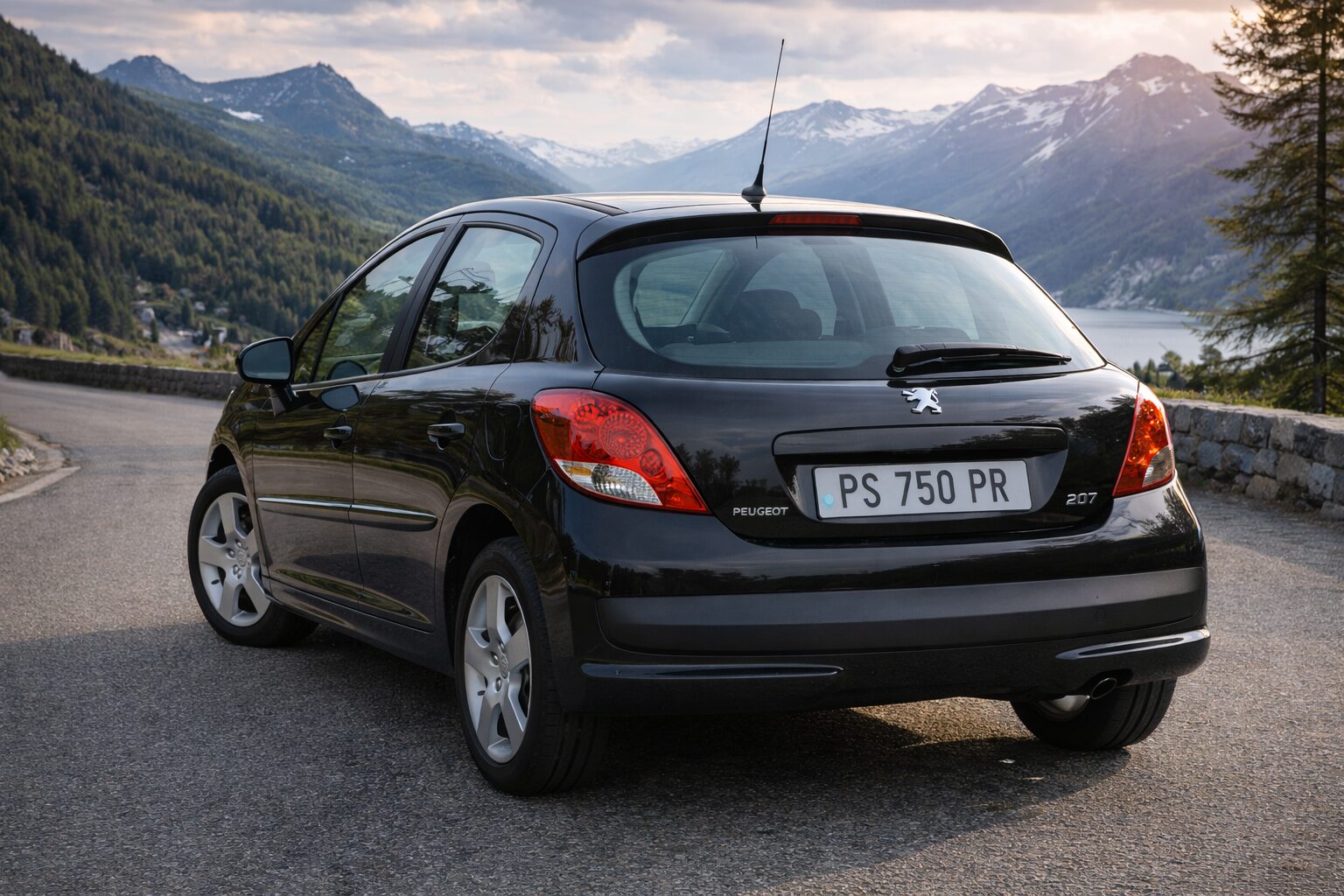
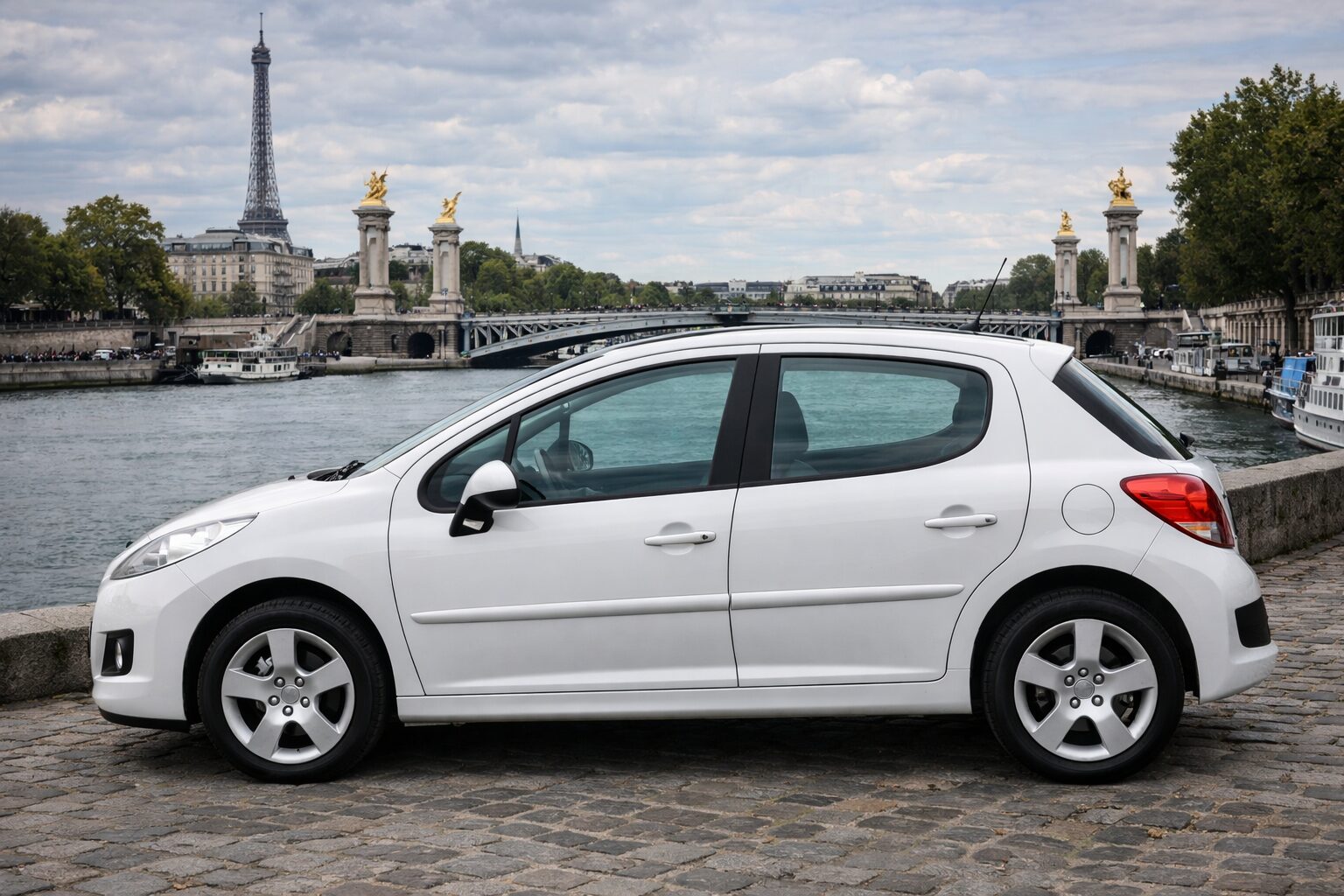
The 207 was available as a three-door and five-door hatchback, estate (SW), coupé-cabriolet (CC) and even a rally version. The standard hatchback is compact with dimensions of approximately 4030 x 1720 x 1472 mm, while the SW is longer to provide extra luggage space. The CC features an electrically folding hardtop roof and a reinforced chassis. Sporty drivers could opt for the GTI or RC, with a THP turbo engine (Turbochargé Haute Performance) that delivers up to 184 hp. In 2009 the 207 received a facelift with a smaller grille, updated lights and LED rear lights.
The engine choice is extensive. Petrol versions include a 1.4-litre (75–90 hp), 1.6-litre (110–120 hp) and the THP turbo 1.6-litre (150–184 hp). Diesel drivers can choose from a 1.4 HDi (67 hp) or 1.6 HDi (90–110 hp), with the HDi (High-pressure Diesel injection) known for its efficiency with consumption from 4.2 l/100 km. Most models have a manual gearbox with five or six gears; some petrol variants are available with an automatic.
Known problem areas with the Peugeot 207
The 207 has a number of weak spots that crop up in many examples. Engine problems, particularly with the THP petrol version, are a major point of attention. In addition, electrical faults occur regularly, often caused by the central BSI control unit. The clutch and gearbox also require extra attention, especially on older examples with higher mileage. The chassis and suspension show typical wear on shock absorbers and control arm bushes. Finally, there are issues with the air conditioning and interior quality which are less critical, but can still be annoying in daily use.
Engine problems you can expect
The THP petrol engine (Turbochargé Haute Performance), developed in cooperation with BMW, is known for its lively character and also for its sensitivity. Many owners report increased oil consumption, with the engine sometimes using half a litre or more per 1,000 kilometres. This is caused by wear on piston rings and valve stems. Have the oil level checked regularly and top up in time to prevent engine damage.
Another common problem with the THP is a faulty timing chain. Over time it can stretch, which can be recognised by a rattling noise when starting. In severe cases a broken chain can lead to serious internal engine damage. Replacing the chain is expensive but necessary at the first signs.
On diesel engines, particularly the 1.6 HDi (High-pressure Diesel injection), a failed diesel particulate filter (DPF) occurs regularly. This is often caused by too many short journeys, where the filter does not get hot enough to regenerate itself. Symptoms include a loss of power and a warning light on the dashboard. Regular motorway driving helps prevent this, but sometimes replacement is unavoidable.
‘ Replacing the clutch is labour-intensive and therefore expensive. ’
Problems with gearbox and clutch
The 207’s manual gearbox is generally reliable, but the clutch shows wear after around 100,000 to 150,000 kilometres. With intensive city use this can be earlier. Signs of a worn clutch are slipping when pulling away, a high biting point and vibration in the pedal. Replacing the clutch is labour-intensive and therefore expensive.
Some owners report problems when shifting, with gears engaging with difficulty or even blocking. This can point to a worn clutch kit or problems with the gearbox oil. Check whether the oil has been changed in time and, if the complaints persist, have the cable and release bearing inspected.
On the automatic gearbox, which is less common, there are reports of jerky gear changes and electrical faults. This automatic is often linked to electronic control systems that are sensitive to software errors. A reset at the dealer sometimes solves this temporarily, but persistent complaints require specialist diagnosis.
Electrical faults and BSI problems
The BSI unit (Boîtier de Servitude Intelligent), the central control unit for the electronics, is the main control unit of the 207 and governs virtually all electrical functions. This unit is sensitive to moisture and corrosion, which leads to all kinds of unexplained problems. Think of failing windscreen wipers, indicators that stop working, a radio that randomly switches off and on, or an immobiliser fault.
Many of these faults are caused by rainwater leaking in via blocked drains around the windscreen. Water then seeps in and reaches the BSI unit, which is often located under the dashboard on the passenger side. Prevention is simple: regularly check the drain holes and keep them clear. Once the BSI is damaged, repair or replacement may be required, which can be quite costly.
In addition, the 207 suffers from sensor and wiring faults. Warning lights that come on without reason, an airbag light that does not work properly and problems with the anti-lock braking system (ABS) sensor occur regularly. Always have these faults read with a diagnostic tool to determine the exact cause.
Chassis, suspension and steering system
The 207’s front suspension consists of MacPherson struts and control arm bushes that wear out after about 80,000 to 120,000 kilometres, depending on the road surface and driving style. Typical signs are a knocking noise over bumps and a car that feels unstable at higher speeds. Worn control arm bushes and ball joints need replacing to keep the handling safe.
The rear suspension has a torsion bar construction that requires less maintenance, but here too the shock absorbers can start to leak. You can recognise this by soggy handling and slow recovery of the body after a bump. During a service, always check whether there are oil traces on the shock absorbers.
The steering system uses electric power assistance, which is generally reliable. However, owners sometimes report a failure in the assistance, where the steering suddenly becomes heavy. This may point to a faulty power steering motor or a software error. Wear on track rod ends also occurs, noticeable as play in the steering and clicking noises when turning.
‘ This is mainly a cosmetic problem, but still annoying if you value a tidy interior. ’
Other faults that occur regularly
The 207’s air conditioning is prone to leaks. The refrigerant slowly escapes through cracks in hoses or the condenser, causing the cooling performance to drop. Topping up helps temporarily, but replacement of components is often necessary. Have this checked before summer starts to avoid unpleasant surprises.
Interior quality is another point of attention. Buttons on the dashboard can come loose or become sticky over time, and the upholstery shows wear in areas with a lot of contact. This is mainly a cosmetic problem, but still annoying if you value a tidy interior.
On the CC variant with the hardtop roof, mechanical problems occur. Opening and closing can jam due to a flat battery, faulty motors or misaligned sensors. Keep the mechanism clean and lubricated, and avoid operating the roof when the battery is weak.


Recognising symptoms of problems in time
Early recognition prevents small faults from turning into major repairs. Pay attention to unusual noises: a rattling sound when starting can point to the timing chain, while a ticking noise often comes from the valves or turbo. A knocking noise from the suspension points to wear on suspension components or control arm bushes.
Check your dashboard regularly. Warning lights that stay on or come on randomly often point to electrical faults or sensor problems. Do not ignore these signals, but have them read at a garage. Increased fuel consumption can also point to engine problems, such as a faulty diesel particulate filter or a leaking turbo.
When starting, watch out for an irregular idle speed, especially on the THP engine. This can indicate a dirty throttle body or an ignition problem. A vibrating or slipping clutch also demands immediate attention to limit further damage.
Preventive maintenance and measures
Regular maintenance significantly extends the life of your 207. Replace the engine oil on time, especially on the THP engine which is sensitive to oil quality. Preferably use synthetic oil and follow the prescribed intervals. Check the oil level in between services and top up if necessary.
Make sure the cooling system works properly. The THP engine warms up quickly and needs an effective cooling system to prevent overheating. Replace the coolant on time and regularly inspect hoses and the thermostat.
Keep the drain holes around the windscreen and in the doors free of leaves and dirt. This prevents water from entering and reaching the BSI unit. Also check the condition of the battery, as a weak battery puts extra strain on the electrical system and can cause faults.
For diesel engines, regularly taking longer trips on the motorway helps. This allows the diesel particulate filter to reach the right temperature and regenerate. Avoid too many short journeys if you drive a diesel.
‘ With an older model with higher mileage, the chances are greater that these repairs will be needed in the short term. ’
Approximate repair costs
Repair costs for the 207 vary widely, depending on the part and the garage. Replacing the timing chain on the THP engine can range from €800 to €1,200, depending on labour rates. A new clutch kit including fitting costs on average between €600 and €900.
Problems with the BSI unit can work out expensive. Repairs range from €200 to €400, while a new or reconditioned unit costs €300 to €600 excluding labour. Replacing front shock absorbers and control arm bushes is around €400 to €700 for both sides.
Replacing a diesel particulate filter costs between €500 and €1,000, depending on the type and whether it is an original or aftermarket filter. Repairing the air conditioning, including re-gassing and possible replacement of the condenser, is between €300 and €600.
Take these amounts into account when buying a used 207. With an older model with higher mileage, the chances are greater that these repairs will be needed in the short term.


What to look out for when buying a used 207
Start by checking the service history. A complete service book with regular services is a good sign. Pay particular attention to whether the timing chain has been replaced on the THP engine and whether the diesel particulate filter on diesels has been serviced on time.
Thoroughly test all electrical functions. Operate the wipers, lights, indicators, central locking and windows. Check whether any warning lights stay on the dashboard. Also test the air conditioning and heating system.
Take a test drive and pay attention to the clutch. A high biting point or slipping indicates that replacement is due. Listen for unusual noises from the engine and suspension. A rattling noise when starting points to the timing chain, while a knocking suspension indicates wear on the suspension components.
Inspect the bodywork for rust, especially around the wheel arches and under the doors. Check whether the drain holes are clear and whether there are any signs of water damage in the interior, such as a musty smell or damp patches.
Ask about the mileage and whether it matches the condition of the interior and tyres. If in doubt, you can have a mileage check carried out. Ideally, have an independent mechanic inspect the car with you to detect any hidden faults.
Balancing pros and cons
The Peugeot 207 offers a pleasant driving experience, a choice of economical and sporty engines and an accessible price on the used market. For anyone looking for a compact city car with sufficient space and a lively character, the 207 is an option. The GTI and RC offer extra fun for enthusiasts of sporty driving.
At the same time, the known faults require attention and can become expensive if they are not addressed in time. The THP engine, BSI faults and clutch issues are real and occur regularly. Anyone considering a 207 is well advised to choose an example with a full service history and preferably the facelift version from 2009 onwards.
With the right knowledge and preventive maintenance you can prevent or manage many problems. Inspect any used example thoroughly, have faults investigated immediately and follow the service intervals. That way you can get the best out of this French compact hatchback without being surprised by expensive repairs.