
Common problems with the Peugeot 208: what you need to know
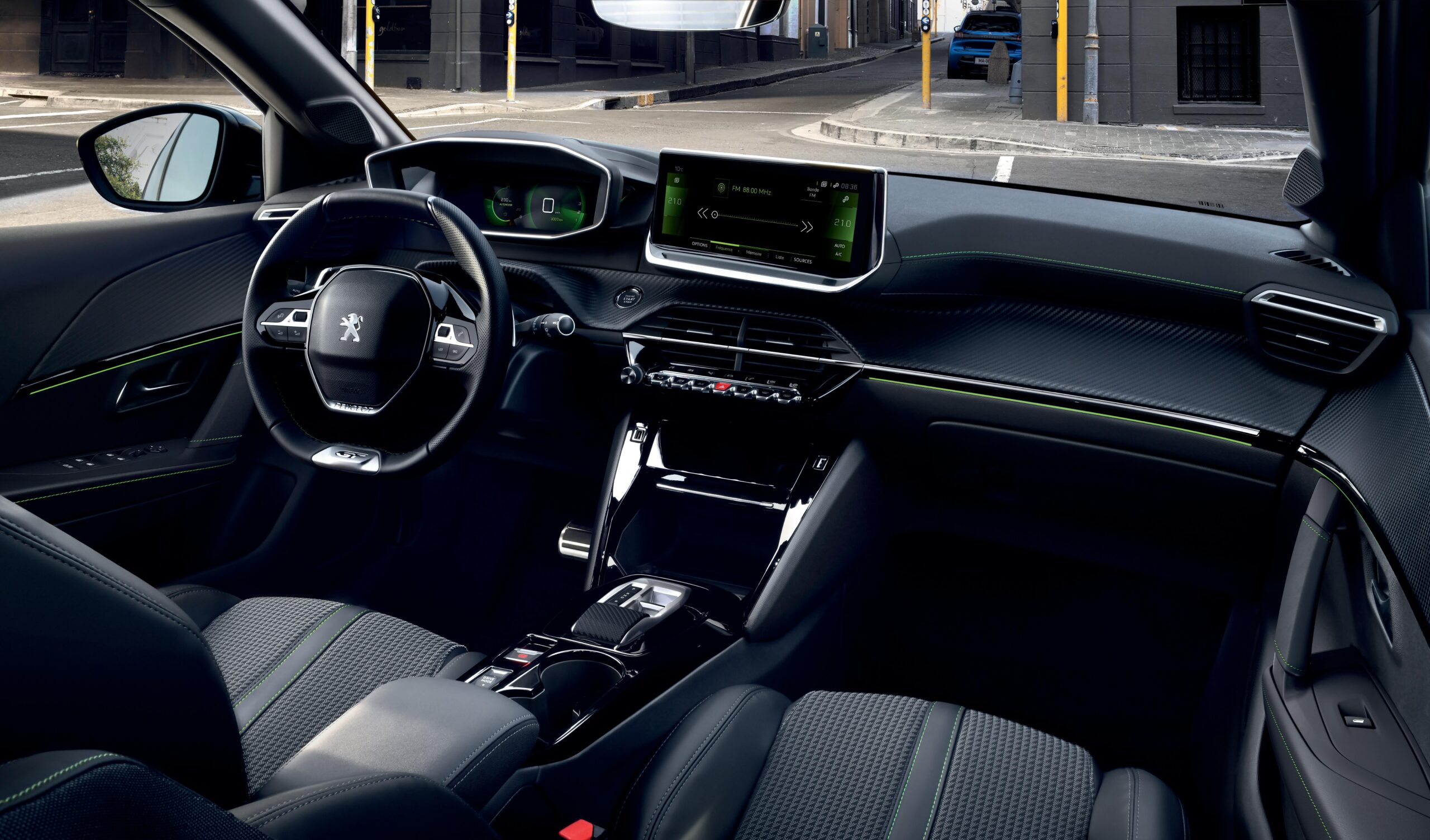
The Peugeot 208 is known as a popular, compact city car with an appealing design and modern equipment. However, this French bestseller also has its weak spots. From engine issues to electrical faults: owners regularly report technical complaints that put its reliability to the test. Are you planning to buy a used 208 or do you already drive one? Then it is wise to be aware of the most frequently reported problems.
Why you should know the weak points
Reliability plays a major role in overall satisfaction with a car. For current owners, knowing about common faults means you can recognise and possibly prevent problems sooner. Spotting early warning signs can avoid costly repairs. For potential buyers, this information is just as valuable. It helps you tick off targeted checkpoints during a test drive. During an inspection you can also focus more specifically on known weak spots. This way you avoid buying a car with hidden defects.
The Peugeot 208 has been built over several generations. The second generation (from 2012) and the current third generation (from 2019) are especially popular. Some problems occur mainly in older models, while others also affect more recent years. That is why it is important to know which complaints apply to your specific year of manufacture. In this article you will find an overview of technical problems by category. Each problem is explained with symptoms, causes and practical tips. You will also find information here about car problems with Peugeot in general.
‘ The well-known 1.2 PureTech three-cylinder struggles with structural problems. ’
Engine problems: the PureTech and its weaknesses
The engines in the Peugeot 208 frequently give rise to complaints. The well-known 1.2 PureTech three-cylinder struggles with structural problems. This engine is praised for its efficiency and performance, but can lead to expensive repairs.
PureTech timing belt running in an oil bath
The most feared problem concerns the wet timing belt. Instead of a traditional chain, Peugeot uses a timing belt running in an oil bath. This construction turns out to be prone to premature wear. Over time the belt can weaken and snap. This leads to serious engine damage. Symptoms include a rattling sound when starting, engine malfunction or a warning light on the dashboard. Repair costs rise quickly, especially if the engine has already been damaged.
Possible causes:
- Incorrect viscosity of the engine oil
- Service intervals that are too long
- Manufacturing defects in certain years of manufacture (2014-2019)
Excessive oil consumption
Many owners of the PureTech engine report that their car uses a striking amount of oil. This can range from half to even one litre per 1,000 kilometres. Such consumption is unusually high. It points to leaking valve stem seals or worn piston rings. Check the oil level regularly and top up if necessary. Do you keep having to top up? Then have the engine checked by a specialist.
Turbo malfunction
The turbocharger can fail. This occurs mainly in older models with higher mileage. Symptoms are loss of power, black smoke from the exhaust or a whistling noise during acceleration. The cause is often oil leaks or a defective wastegate (valve that regulates turbo pressure). Replacing the turbo is expensive, but in some cases a rebuild is sufficient.
Gearbox problems: gearchanges are not smooth
Alongside the engine, the transmission also regularly gives rise to complaints. Both manual and automatic gearboxes show faults. These affect driving comfort.
Problems with the manual gearbox
Owners with a manual Peugeot 208 sometimes report that gearchanges feel stiff or imprecise. Gears do not engage properly or jump out of gear on their own. This problem occurs mainly in older models. It indicates a worn clutch or a defect in the gear linkage mechanism. If in doubt, have the clutch and gear cables checked.
Automatic gearbox with hesitation
The Peugeot 208 is fitted with various automatic gearboxes. These are the EAT6 or EAT8 (Peugeot automatic gearboxes), depending on the year of manufacture. These can suffer from jerky shifts, delayed responses or vibrations during acceleration. This occurs mainly on cold starts or at low speeds. Possible causes are ageing transmission oil or a software issue. Mechanical wear also occurs. A software update can often already bring improvement. Does the problem persist? Then a thorough diagnosis is required.
Electronics and infotainment: system malfunctions
Modern cars are packed with electronics. The Peugeot 208 is no exception. Unfortunately, these systems are not always equally reliable.
Touchscreen that freezes
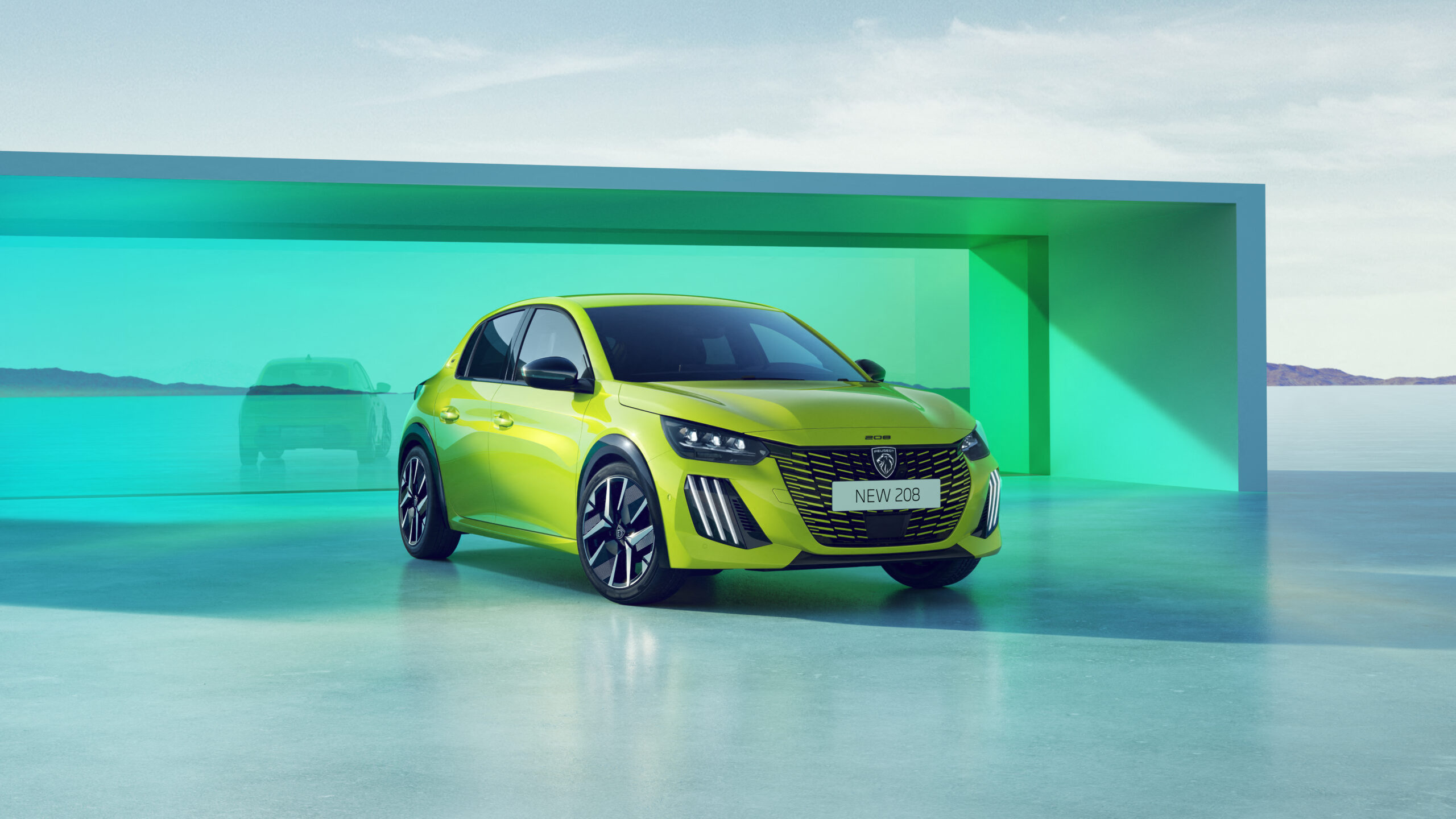
The 7-inch or 10-inch touchscreen can freeze, respond slowly or fail completely. You also use it to control the climate system and navigation. This is frustrating. Owners report that the screen sometimes restarts spontaneously or stays black after starting the car. A software update sometimes resolves this, but hardware problems can also occur.
Sensors and warning systems
Parking sensors, the reversing camera and lane-keeping assistants (systems that help you stay within your lane) regularly show faults. You then see error messages on the dashboard. Sometimes the systems stop working altogether. Causes can be dirt on the sensors, damaged wiring or software bugs. Clean the sensors regularly and have the electronics checked if problems persist.
Problems with the start button and keyless entry
Some owners report that the car does not respond to the start button or that the keyless entry system does not work. This may be due to a flat battery in the key. In addition, it can be caused by a defective start button or a fault in the immobiliser system (the car's anti-theft system). First try a new battery in the key and, if problems continue, have the electronics checked.
‘ These parts are relatively cheap to replace, but do not ignore the signs: wear can spread to other suspension components. ’
Suspension and steering: noises and play
The suspension and steering of the Peugeot 208 can give rise to complaints over time. This mainly occurs in cars with higher mileage. Intensive city use also plays a role.
Wear to anti-roll bars
A frequently heard complaint is rattling noises at the front, especially when driving over bumps or cornering. This often points to worn bushes on the anti-roll bars (components that stabilise the car in bends). These parts are relatively cheap to replace, but do not ignore the signs: wear can spread to other suspension components.
Noises from the shock absorbers
Shock absorbers can start leaking or lose their damping effect. You notice this through a bouncy ride or a dull thud over uneven surfaces. Reduced stability in bends also points to this. Visually check the shock absorbers for oil traces and have them replaced if necessary.
Play in the steering
Some owners experience play in the steering wheel or irregular response when steering. This can point to wear in the track rod ends or drive shafts. The steering gear itself can also wear. Have this checked during servicing, as play can affect safety.
Other points of attention and wear
Besides the major technical issues, there are a few smaller but common complaints that are worth mentioning.
Brakes that wear quickly
The brake discs and pads on the Peugeot 208 can wear out relatively quickly. This happens especially with a lot of city driving. Regularly check the thickness of the brake discs and replace the pads in good time. Squealing brakes can indicate wear, but also rust caused by the car standing still.
Water leaks into the cabin
In older models, there are complaints about water leaks into the cabin. This often happens via the door seals. Blocked drains from the sunroof are also a common cause. You notice this by damp on the floor mats. Condensation on the inside of the windows can also be a sign. Check the rubber seals and clean the drains regularly.
Wear in the interior
Although the 208 generally has a sturdy interior, owners sometimes report wear to the seat upholstery, buttons or dashboard. Especially with intensive use, buttons can work loose or crumble. This is mainly a cosmetic issue, but it can affect the car's value.
Frequently asked questions about Peugeot 208 problems
Is the PureTech engine reliable?
The 1.2 PureTech engine (Peugeot three-cylinder petrol engine) has a mixed reputation. The engine performs well in terms of fuel consumption and power, but the wet timing belt is a major risk. Make sure you service it on time using the correct oil and have the belt checked according to the manufacturer's schedule.
Which years of the Peugeot 208 are the most problematic?
The second generation (2012-2019) has the most complaints, especially around the PureTech engine and the timing belt. The third generation (from 2019) is generally more reliable. However, these newer models also suffer from electronic faults. The transmission also regularly shows problems.
How much does it cost to replace the PureTech timing belt?
Replacing the wet timing belt can cost between 800 and 1,500 euros. The price depends on the engine type and the garage. If engine damage has already occurred due to a broken belt, costs can rise sharply to several thousand euros.
How often should I change the engine oil on the PureTech?
Stick to Peugeot's recommended service intervals. Also consider changing the oil more often than prescribed. Many specialists advise an interval of 10,000 kilometres or once a year. This mainly protects the timing belt.
‘ Early diagnosis prevents more serious damage. ’
Preventive maintenance and tips
You can prevent or limit many problems with the Peugeot 208 by staying alert and keeping up with maintenance.
Follow the service schedule
Do not delay services, especially with the PureTech engine. Have the timing belt checked and replaced on time. Always use the engine oil recommended by Peugeot, with the correct specifications.
Check the oil level regularly
The PureTech engine can use a lot of oil. Check the oil level at least once a month and top up if necessary. Monitor consumption and contact a garage if it is unusually high.
Pay attention to warning lights
Do not ignore any warning lights on the dashboard. An engine warning light may appear. An oil pressure warning or transmission message can also occur. Have the car checked immediately when these signals appear. Early diagnosis prevents more serious damage.
Clean sensors and drains
Keep the parking sensors and reversing camera clean. Also clean the drains of the sunroof regularly. This prevents unnecessary faults and water leaks. A simple clean can prevent many problems.
Warm the engine up properly
Avoid short journeys. The engine will then not reach operating temperature. This increases wear and can lead to a build-up of deposits in the engine. Regularly take a longer drive to allow the engine to warm up properly.
What to look out for when buying a used Peugeot 208
Are you buying a used Peugeot 208? Then take time for a thorough check. This helps you avoid buying a car with hidden problems.
Ask for the full service history
Check whether all services have been carried out. Also check whether they are documented. Pay particular attention to replacement of the timing belt on the PureTech engine. Is this information missing? Then ask for proof or consider another car.
Listen to engine noises
Start the engine from cold and listen carefully for unusual sounds. These can be rattling, ticking or whistling noises. An irregular idle speed or a vibrating engine can indicate problems. Take a test drive and pay attention to gearchanges, acceleration and the response of the turbo.
Check the electronics
Test all electrical functions. Check the touchscreen, air conditioning and parking sensors. Also test the lights and windscreen wipers. Look for any error messages on the dashboard and ask whether the car has been read out recently.
Inspect the suspension
Drive over a bump and listen for rattling noises. Look under the car for oil leaks or damaged bushes. Also watch out for rust. Check the condition of the tyres and whether there is uneven wear, which can indicate alignment problems.
Take a test drive of at least 20 minutes
Drive through town and also take a motorway trip. Test the gearbox in different situations. Check the steering. Pay attention to vibrations or strange noises. Brake firmly and feel whether the brakes work evenly.
Have the car inspected by an independent party
Consider a pre-purchase inspection by an independent garage or inspection body. This costs a few tens of euros, but it can save you thousands of euros in nasty surprises. An inspection reveals hidden defects that you might not spot yourself.
Is the Peugeot 208 still worth it?
The Peugeot 208 is an attractive, modern compact car. The design is appealing and the level of equipment is good. The engines are also efficient. Nevertheless, the model has a number of recurring technical problems. You should not underestimate these. The PureTech engine with its wet timing belt is the biggest risk, especially in models from 2014-2019. The electronics and gearbox can also show faults.
Does this mean you should avoid the 208? Not necessarily. Regular maintenance helps prevent many problems. Stay alert to warning signs. Carry out a thorough check before buying. If in doubt, choose a newer model from the third generation. Also consider the e-208 (the fully electric version of the 208). This does not suffer from the engine problems of the petrol versions. Do your homework, ask critical questions and do not let yourself be pushed into a rushed purchase. Then you can still enjoy this popular French hatchback for many years to come.