
Peugeot 307: what should you look out for?
The Peugeot 307 still attracts buyers thanks to its spacious interior, comfortable driving characteristics and affordable price, but its reputation for reliability is mixed. Electronics, engine issues and transmission failures occur regularly with this model. It was produced between 2001 and 2008. Do you want to know whether the Peugeot 307 is really as sensitive as is often claimed, and what you need to look out for?
The popularity of the Peugeot 307 and its reputation
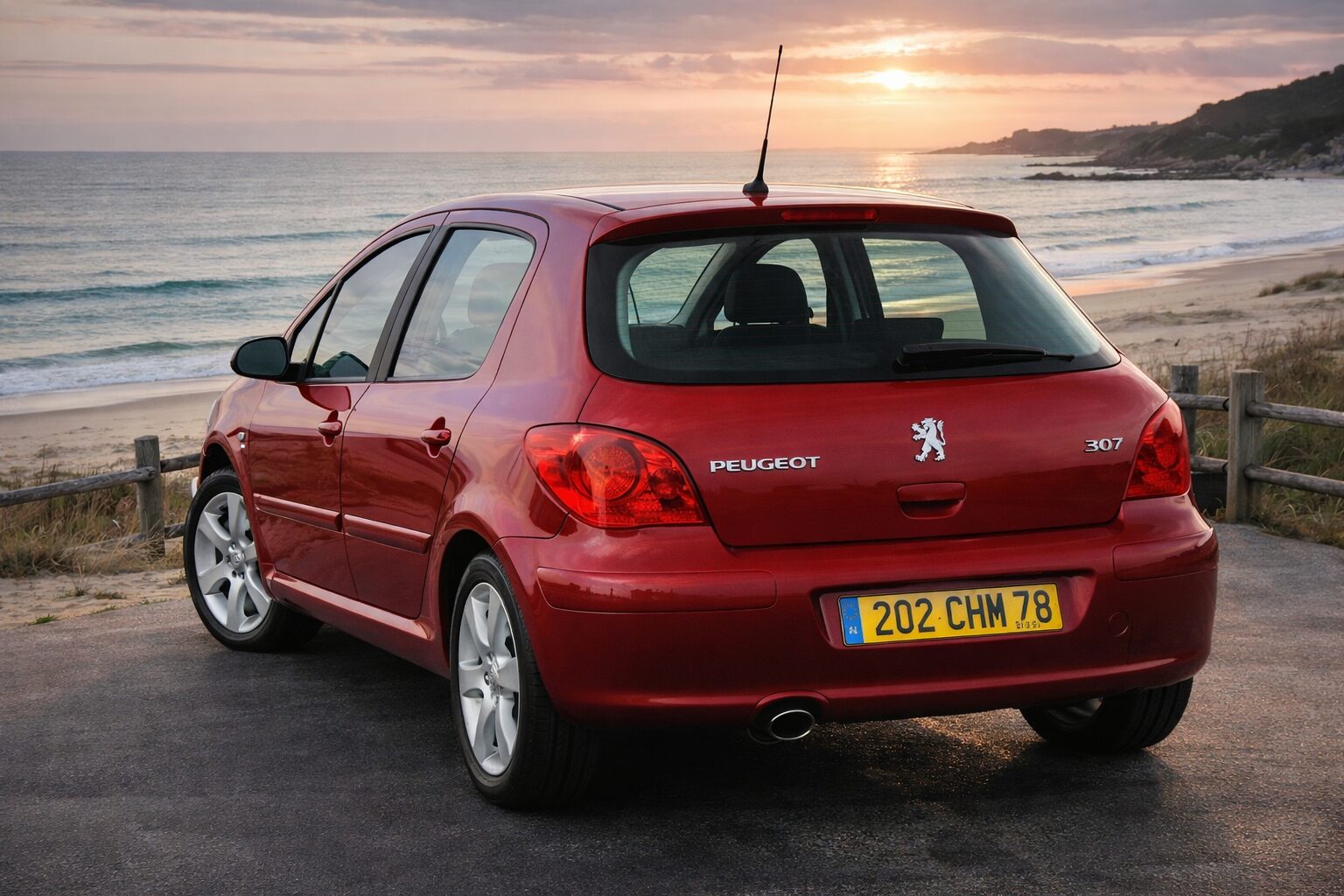
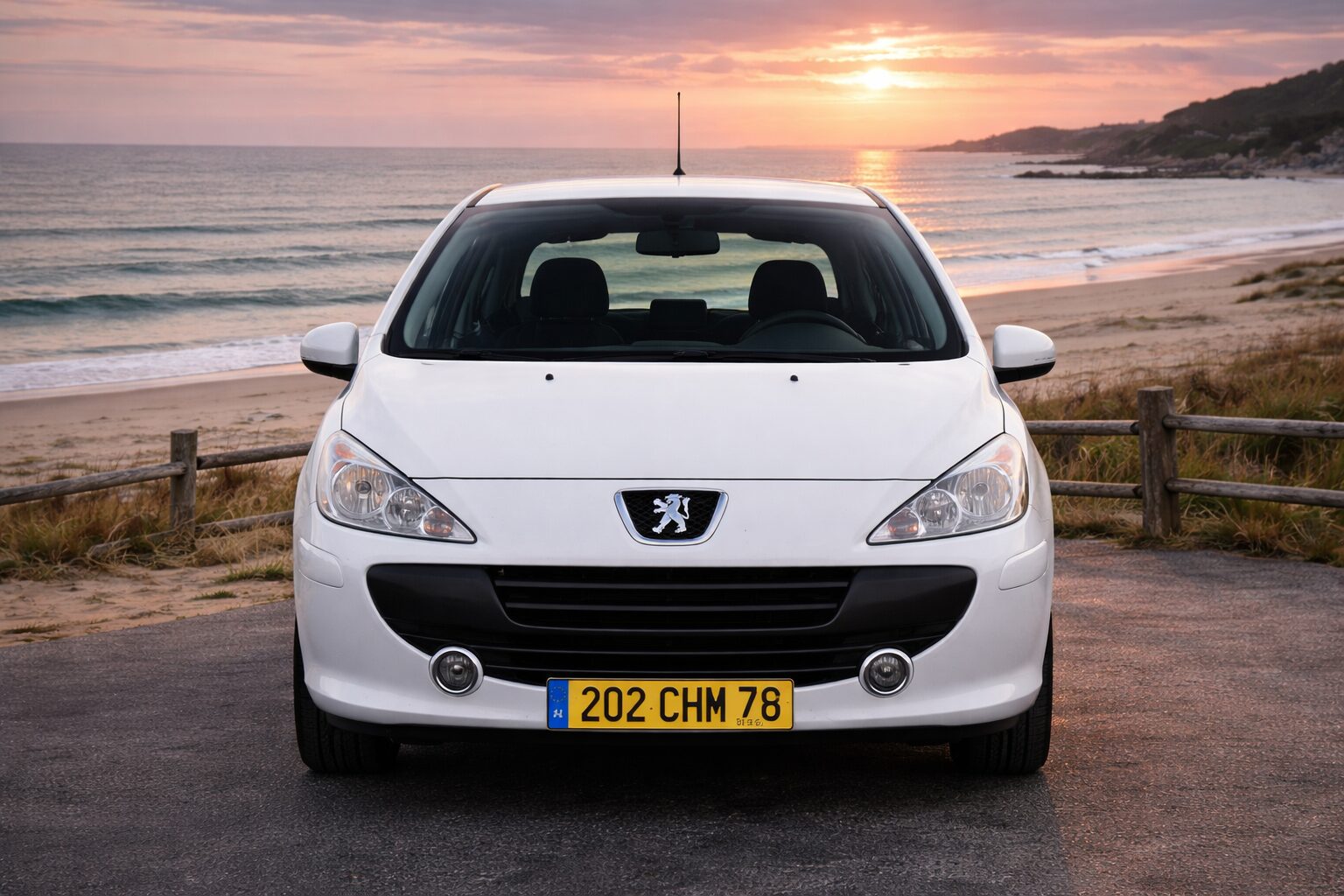
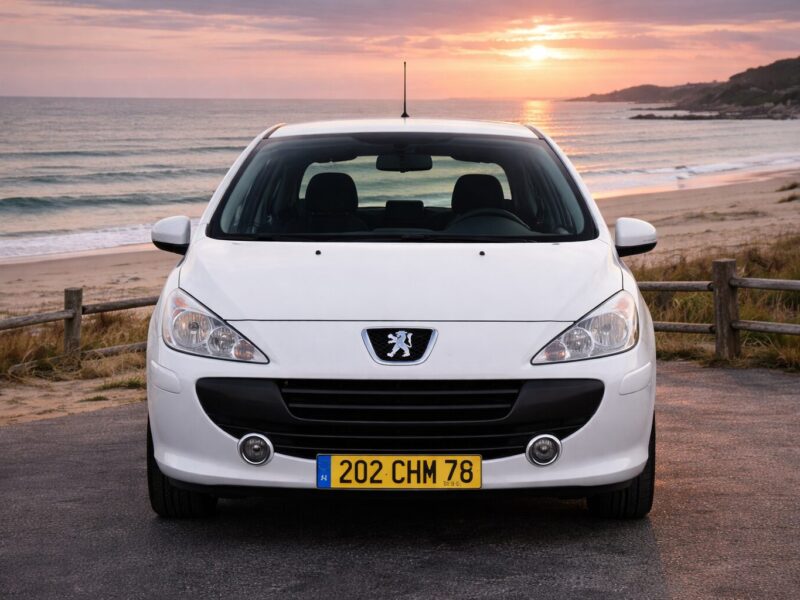
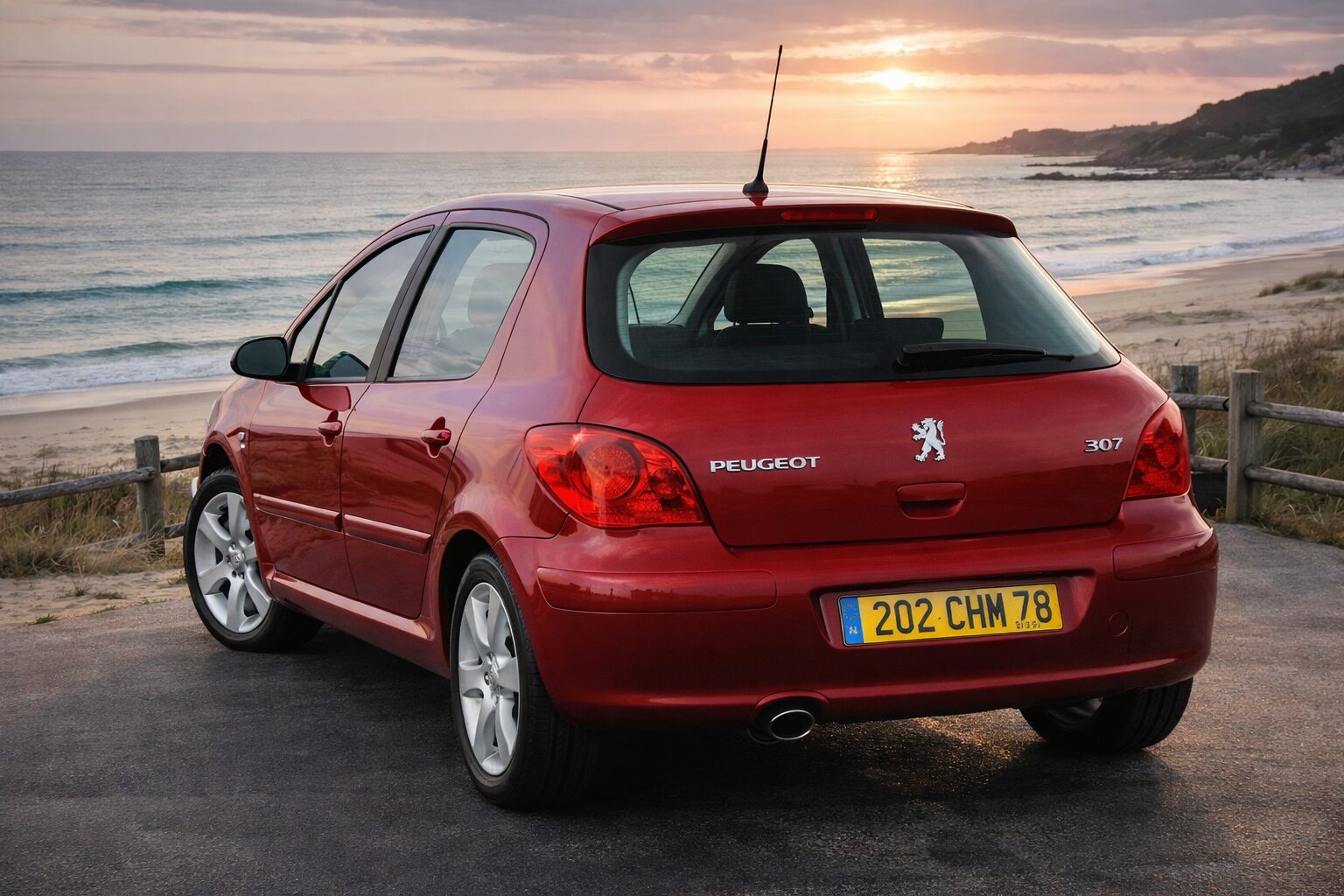
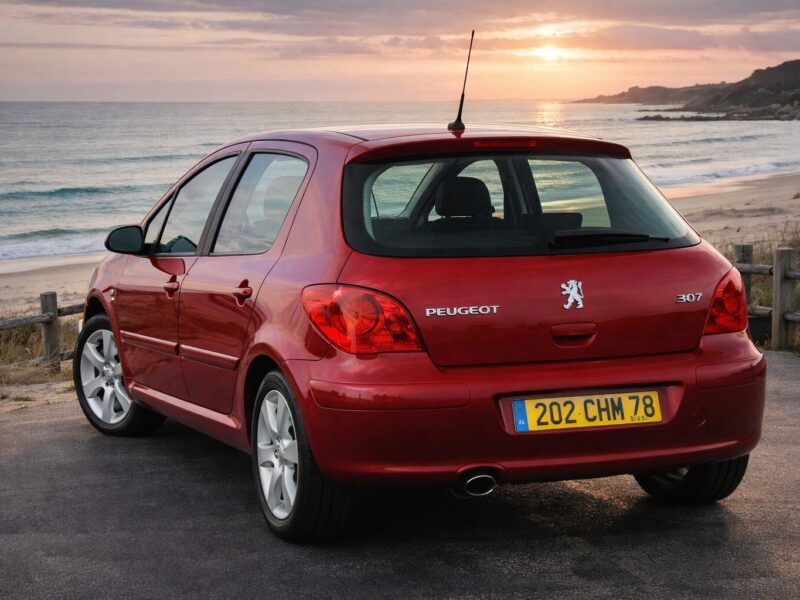
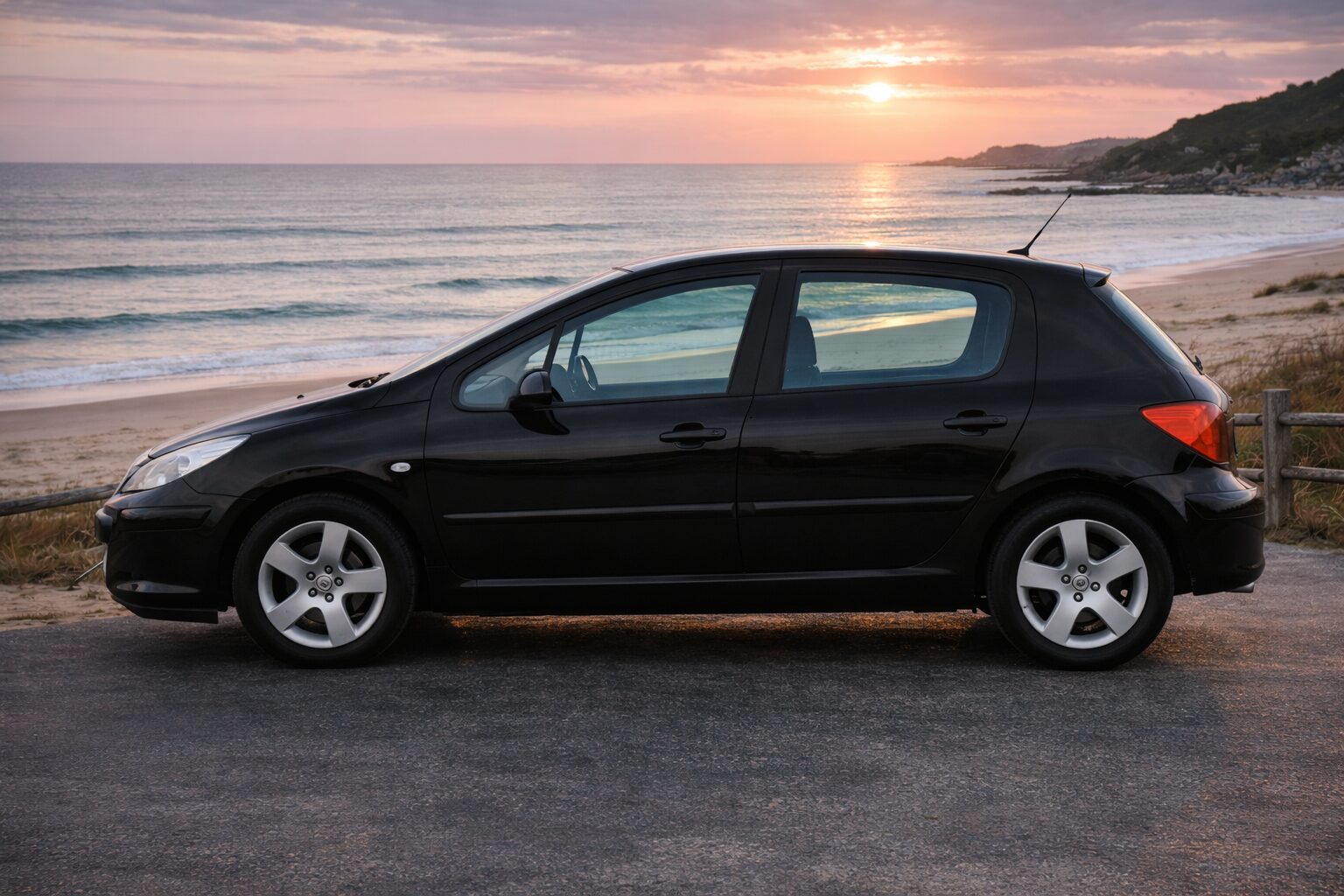
The Peugeot 307 was offered in three body styles: the five-door hatchback, the spacious estate (SW) and the cabriolet (CC). The hatchback measures 4.202 x 1.730 x 1.512 metres. The model offered a lot of space for its class. The engine range was broad: petrol engines from 1.4 to 2.0 litres with power from 74 to 177 bhp, and diesel engines from 1.4 HDi to 2.0 HDi with outputs between 68 and 136 bhp. HDi stands for High-pressure Direct Injection, Peugeot’s high-pressure direct-injection diesel technology.
The model was popular because of its practical layout and pleasant road holding, but its reputation took a hit due to technical problems. Owners regularly report faults, especially with the electronics and engine management. For anyone who wants to avoid car problems with Peugeot, thorough prior knowledge of the 307 is essential.
‘ Faults lead to random failure of functions. ’
Electrical faults: the 307’s Achilles heel
Electronics are the biggest source of frustration in the Peugeot 307. The central control unit, the BSI (Built-in Systems Interface), can fail. The BSI is the electronic unit that controls and links together all the electrical systems in the car. Faults lead to random failure of functions. Windscreen wipers, central locking, lighting and dashboard illumination can suddenly stop working. Sometimes the car will no longer start or systems suddenly cut out while driving.
Other common electrical problems are:
- Faults in the comfort control panel (air conditioning controls and radio)
- Defective wiper stalks and indicator stalks
- Failure of electric windows and mirrors
- Problems with the central locking that activates spontaneously or refuses to work
- Dashboard illumination that cuts out completely or flickers
A faulty BSI often has to be replaced, which can be expensive. Repair quickly costs several hundred euros. When buying, test all electrical functions thoroughly. Many faults are intermittent, so a longer test drive is sensible.
Engine problems you can expect
The petrol and diesel engines of the Peugeot 307 each have their own ailments. Coil pack problems are common with the petrol engines. The ignition coils can fail, resulting in vibrations, power loss and warning lights on the dashboard. Replacement is required and can cost between 50 and 100 euros per coil.
With the diesel engines, the diesel particulate filter (DPF) is a common problem. The DPF captures harmful soot particles in order to reduce emissions. The filter becomes clogged when the car is used mainly for short journeys where the engine does not reach operating temperature. This leads to power loss, jerky running and ultimately limp-home mode. Regenerating the filter is sometimes possible. Replacement costs 1,000 euros or more.
Other engine complaints with the 307:
- Turbos that fail on the HDi engines, especially after 150,000 kilometres
- Leaking injectors on the diesel engines, leading to black smoke and poor starting
- Problems with the EGR valve that becomes clogged and causes jerky running
- Coolant leaks due to worn hoses and radiators
The EGR valve (exhaust gas recirculation) routes exhaust gases back to the engine in order to reduce emissions. With the more powerful engines, such as the 2.0 petrol with 177 bhp, power loss occurs due to ignition problems. When buying, have a compression test carried out to check the condition of the engine.
Transmission problems: jerky gear changes
The manual gearbox of the Peugeot 307 is generally fairly reliable, but problems do occur here too. A worn clutch is a common complaint, especially on cars that have done a lot of city driving. The gear lever can feel heavy and gear changes are sometimes notchy, caused by worn clutch cables or defective shift mechanisms.
The automatic transmission, especially the semi-automatic gearbox, has a poor reputation. This transmission can change gear jerkily, refuse to change gear or get stuck in one gear. Electronic faults in the transmission control are often the cause. Repairs are expensive and sometimes the entire unit has to be replaced.
During test drives, pay attention to:
- Smooth gear changes without jolts or juddering
- No squeaking or grinding noises when changing gear
- A clutch that does not fail to engage or slip when accelerating
- Automatic transmissions that shift smoothly between gears
Replacing a clutch costs between 500 and 800 euros, depending on labour costs. Repair costs for the automatic transmission can exceed 1,500 euros.
‘ Have a garage inspect the suspension for wear before you buy. ’
Chassis and suspension: wear to springs and steering
The chassis of the Peugeot 307 offers comfortable driving characteristics, but wear to suspension components does occur. Common complaints are worn stabiliser bar bushes, which cause rattling noises over uneven surfaces. The control arm bushes also wear, resulting in tyre wear and poor handling.
The shock absorbers can lose their effectiveness over time. You notice this from a wallowing feeling in bends and longer braking distances. Shock absorbers are preferably replaced per axle and cost several hundred euros.
The steering system can suffer from:
- Worn track rod ends causing play in the steering
- Leaking power steering making the steering heavy
- Defective ESP sensors that activate warning lights
ESP (Electronic Stability Program) helps keep the car stable during evasive manoeuvres. The sensors measure wheel speeds and steering angles and activate warning lights when faults occur. When buying or test driving, check the chassis. Drive over bumps and speed humps. Listen for knocking or rattling noises. Have a garage inspect the suspension and running gear for wear before you buy.
Other points to note: interior and water ingress
In addition to the major technical problems, there are smaller annoyances that occur regularly. Water ingress is a known issue with the Peugeot 307. Water can enter via blocked drains of the sunroof. Water can also get in through poorly sealed door rubbers. This leads to damp in the interior, condensation and a musty smell.
Interior problems that often occur:
- Worn upholstery and seats that fray
- Broken interior door handles
- Dashboard trim coming loose and rattling buttons
- Defective heater fan that sticks or makes noise
- Air conditioning that does not cool or cools weakly due to refrigerant leaks
The battery can discharge more quickly because of the power-hungry electronics. This happens especially when the car is regularly used for short journeys. Check the condition of the battery and replace it if necessary. Also pay attention to the condition of the engine bay and interior: signs of damp indicate leaks that need to be fixed quickly.
Preventive maintenance: how do you extend its lifespan?
With a Peugeot 307, preventive maintenance is crucial to avoid major problems. The oil filter must be changed with every oil change. This extends the engine’s life. Always use the specified type of oil and stick to the manufacturer’s service intervals.
Practical maintenance tips:
- Have the BSI read regularly to detect fault codes at an early stage
- Check the condition of the ignition coils and replace them preventively after 100,000 kilometres on petrol engines
- Make regular longer journeys to regenerate the DPF on diesel engines
- Clean the EGR valve and intake manifold periodically to prevent clogging
- Check the coolant and replace it in line with the specifications
- Keep the sunroof drains clean to prevent water ingress
- Lubricate hinges and catches on doors and tailgate regularly
Servicing by a specialist garage with experience of Peugeot models can prevent many problems. Always keep service records and invoices; this increases the resale value.
‘ Avoid examples without a service history or with many electrical faults, as these often lead to expensive repair bills. ’
What should you check before buying a Peugeot 307?
If you want to buy a used Peugeot 307, carefully check all known problem areas. Start with a full test of all electrical functions: windows, mirrors, lights, central locking and dashboard illumination. Ideally, test the car several times, including from cold.
Important inspection points:
- Service history: has servicing been carried out in full and on time?
- BSI faults: are any fault codes stored in the system?
- Engine condition: does the engine start smoothly, does the exhaust smoke, and are there vibrations?
- DPF condition on diesels: has the filter been regenerated or replaced recently?
- Transmission: does the gearbox change gear smoothly and without jolts?
- Chassis: are there rattling noises, play in the steering or uneven tyre wear?
- Water ingress: check carpets, floor mats and the boot for damp
- Interior condition: are there signs of excessive wear or defects?
If in doubt, have an independent inspection carried out. The cost of an inspection does not compare with the repair costs you can avoid. Avoid cars without a service history or with many electrical faults, as these often result in costly repairs.
Is the Peugeot 307 still a good choice despite the problems?
The Peugeot 307 offers space, comfort and affordable purchase prices, but it demands attention and maintenance. For those prepared to carry out regular servicing and closely monitor problem areas, the 307 can still be a practical car. However, the electrical faults and engine issues are not minor and can lead to significant costs.
Only buy an example with a complete service history and have a thorough inspection carried out before purchase. Avoid models with known issues such as BSI faults or clogged DPFs, unless these have been rectified recently. Take into account higher maintenance costs than for rival models from the same period.
For anyone looking for a reliable, low-maintenance car, there are better alternatives. But with the right precautions and realistic expectations, the Peugeot 307 can still serve as an affordable family car.