
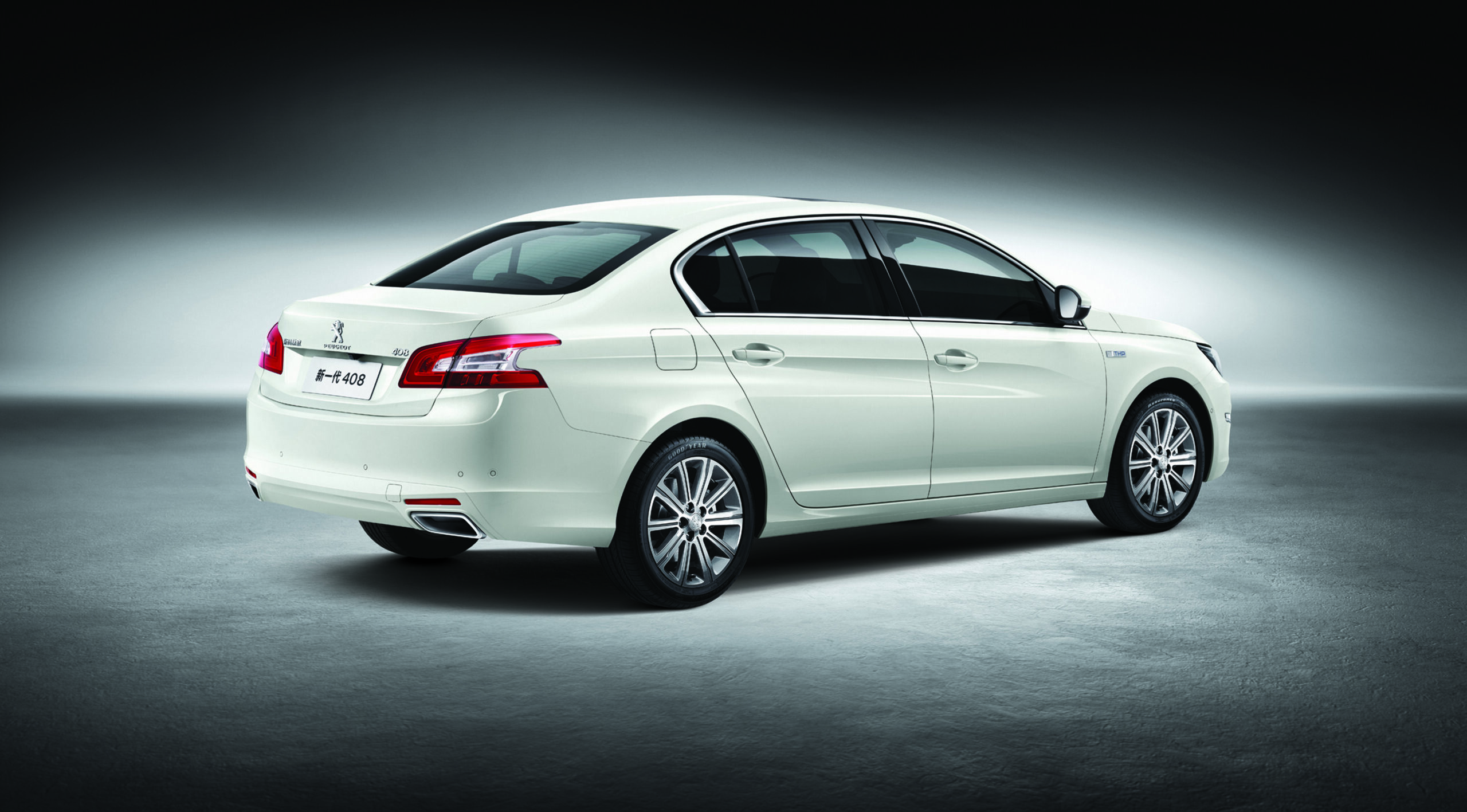
Peugeot 406: French quality with familiar problems
The Peugeot 406 is a French mid-range car that conquered the market between 1995 and 2004 with its excellent road holding and comfortable driving characteristics. Available as a saloon, estate and coupé, it has proven itself as a reliable family car that is still popular with enthusiasts today. However, the 406 has also built up a reputation for certain specific technical issues that potential buyers and owners really need to be aware of.
From successor to classic
The 406 appeared in 1995 as the successor to the successful 405 model. Peugeot immediately focused on space, comfort and driving dynamics. In 1999 the 406 received a thorough facelift that not only modernised its looks, but also improved safety. The Euro NCAP scores increased thanks to structural reinforcements and better airbag systems.
The coupé version was special, designed and built by the Italian firm Pininfarina. This version was given a wider track, lower ride height and sportier Brembo brakes. A total of 107,633 coupés rolled off the production line, some of which were assembled from knock-down kits in Thailand. The combination of Italian design and French engineering made the coupé a sought-after modern classic.
‘ For those who want to avoid Peugeot’s car problems, regular servicing on diesel engines is the most important advice. ’
Choice of diesel and petrol
The 406 offered buyers a wide range of engines. The four-cylinder petrol engines ranged from modest to punchy, with the 2.0-litre 138 bhp version as a popular mid-range choice. For those who liked smooth power delivery there was the 2.9-litre V6 with 194 bhp, which catapulted the car from 0 to 62 mph in 7.9 seconds and gave it a top speed of 146 mph (235 km/h).
The diesel engines, especially the 2.2 HDi from 2001, were known for their economy and torque. This engine delivered 136 bhp and 173 Nm from 2,000 rpm, resulting in brisk acceleration from low speeds. In 2002 a 406 HDi even set a world record by driving 2,348 kilometres on a single tank across Australia. For those who want to avoid Peugeot’s car problems, regular servicing on diesel engines is the most important advice.
Reliable but not without flaws
The 406 has a mixed reputation when it comes to reliability. Many owners report trouble-free mileage well beyond 300,000 kilometres, but this requires consistent maintenance. The car is known for its solid fundamentals and good build quality, but certain components are prone to wear and failure.
French cars from this period require a little more attention. Japanese or German rivals are on average less maintenance-sensitive. That does not mean the 406 is unreliable, but it does mean that as an owner you need to be alert to specific weak points. Owners who have their car checked regularly and do not postpone minor maintenance experience few problems.
Engine problems with petrol and diesel
The petrol engines sometimes suffer from increased oil consumption, especially in older examples with high mileage. This is due to worn piston rings or valve stem seals. Check the oil level regularly and top up in good time to prevent engine damage.
Cooling problems occur with both petrol and diesel engines. The coolant reservoir can crack due to age. The water pump will eventually start leaking. Overheating leads to serious engine damage. Keep an eye on the temperature gauge and replace coolant and hoses as a preventative measure.
With the V6 engine, the timing chain is a point of concern. The chain itself is reliable, but the tensioners and guides wear. Rattling noises on start-up indicate wear. Replace the complete timing chain kit including tensioners to prevent costly engine damage.
Diesel engines, especially the older 2.0 HDi, suffer from clogging in the EGR system (exhaust gas recirculation). This leads to fluctuating revs and loss of power. Clean or replace the EGR valve (valve that routes exhaust gases back into the intake) regularly. In the 2.2 HDi the dual-mass flywheel clutch (DMF, dampens vibrations between engine and gearbox) is a known point of attention. Vibrations when pulling away or changing gear indicate wear. Preventative replacement at 200,000 kilometres saves higher costs later on.
‘ The electronics are a well-known weakness of the 406, especially on post-facelift models. ’
Electrical niggles are notorious
The electronics are a well-known weakness of the 406, especially on post-facelift models. Windows that stop working, dashboard lighting that fails and power steering that suddenly cuts out are commonly reported complaints. These problems are often caused by poor earth connections or corrosion in connectors.
The BSI (Built-in Systems Interface, the central computer that controls lighting, wipers and locking) regularly causes issues. Symptoms include failing screenwashers, warning lights flickering on the dashboard and the central locking cutting out. Sometimes resetting the BSI helps, but in other cases it needs replacing.
The window regulators, especially on the driver’s side, fail due to worn gears in the motor. This is a common problem that is relatively easy to fix by replacing the window regulator motor. When buying, check that all windows operate smoothly.
The air conditioning system gradually becomes less effective due to leaks in the system or a faulty compressor. Have the system re-gassed regularly and check for leaks. A defective evaporator can cause condensation in the cabin.

Suspension and running gear need regular attention
The 406’s underpinnings are solidly built, but certain parts wear faster than average. The front wishbones, especially the rubber bushes, go soft after 100,000 kilometres. This leads to rattling noises and uneven tyre wear. Replace the wishbones or have new bushes pressed in for a tighter feel.
Anti-roll bars and bushes also wear. Knocking noises when driving over bumps point to this. Inspection during the MOT will make things clear. Replacement is relatively inexpensive and immediately improves the handling.
The wheel bearings, especially at the front, can start to rumble or drone after high mileage. This noise increases at higher speeds. Replacement is necessary to prevent further damage to the suspension.
Shock absorbers lose their damping effect over time. The car feels more wallowy and dives more under braking. Replace shock absorbers in axle pairs for optimum road holding.
Transmission has typical weaknesses
The manual gearbox is generally reliable, but in some examples the synchromesh rings for second and third gear are prone to wear. This shows up as crunching noises when changing gear. Regularly renewing the gearbox oil helps extend its life.
The clutch usually needs replacing between 150,000 and 200,000 kilometres under normal use. A slipping clutch or very high biting point are warning signs. When replacing the clutch, also replace the release bearing and flywheel if necessary.
The AL4 automatic gearbox (four-speed automatic) has a poorer reputation. Jerky shifting, refusing to change gear or loss of gears are well-known issues. These problems are often caused by insufficient or contaminated transmission fluid. Have the oil changed every 60,000 kilometres, despite Peugeot calling it ‘filled for life’.
In the automatic gearbox the electronic control valve can also fail. This component regulates oil pressure and shift timing. Replacing this valve is precision work that should be carried out by a specialist.
‘ This is dangerous in critical situations. ’
Brakes and power steering need checking
The braking system is robust, but the front brake discs wear faster under heavy use than on some rivals. Vibrations under braking or grooves in the discs are signs that replacement is due. Also check the thickness of the brake pads regularly.
The electric power steering, introduced after the facelift, sometimes suddenly fails. This is often caused by a defective steering control unit or a problem with the electric motor. The car remains steerable, but the steering effort increases significantly. This is dangerous in critical situations. Have the fault codes read at the first sign of trouble.
On older models with hydraulic power steering, leaks can occur in the high-pressure hoses or the pump itself. Check the power steering fluid level regularly and replace any leaking components immediately.
The brake servo can eventually start drawing in air or develop leaks. A soft or spongy brake pedal points to this. This is a safety issue that requires immediate attention.
Interior and bodywork have weak spots
The 406’s interior is comfortable and spacious, but certain parts are prone to wear. The seat upholstery, especially on leather seats, splits or shows colour differences after years of use. Seat heating can fail due to broken heating elements in the base cushion.
The dashboard can develop creaking noises because the plastic clips dry out. This is irritating but not harmful. Replacing clips or adding insulation material can resolve it.
Buttons and switches on the dashboard and centre console wear. In particular, the backlighting behind the buttons fails. This is caused by burnt-out LEDs that can be replaced.
Rust is a point of concern on older 406 models. Check the wheel arches, sills and the bottom edges of the doors. Stone chips and winter road salt accelerate corrosion. Paint damage should be treated immediately to prevent rust from spreading.
The tailgate on the estate can rust around the lower hinge points. Water collects here and attacks the metal. Also check the boot floor for damp patches that indicate leaks via the rear light units or rear window.
Preventative maintenance extends its life
Regular maintenance is the key to a reliable 406. Stick to the following guidelines:
- Change engine oil and filter every 10,000 to 15,000 kilometres, depending on use
- Check and replace coolant every four years
- Clean or replace the EGR valve on diesel engines every 80,000 kilometres
- Renew automatic gearbox oil every 60,000 kilometres
- Inspect wishbones and anti-roll bar links annually
- Check electrical connections and earth points for corrosion
- Treat small paint damage immediately to prevent rust
Use high-quality oil and parts that meet the factory specifications. Cheap alternatives may look attractive at first, but often lead to faster wear or new issues.
Do not let technical problems drag on. A minor fault can escalate into expensive repairs. For example: a leaking water pump may seem harmless, but can lead to overheating and a blown head gasket.
‘ A good 406 with a complete service history is a better investment than a cheaper example with an unclear past. ’
Checklist for potential buyers
Are you considering buying a used Peugeot 406? Then pay attention to these points:
- Check the service book for completeness and regular servicing
- Test all electrical functions: windows, lighting, central locking and air conditioning
- During a test drive, listen for rattling noises from the suspension
- Check that the gearbox changes smoothly without crunching or jerks
- Inspect wheel arches, sills and the bottom of the doors for rust
- Ask about recent replacement of the DMF clutch (dual-mass flywheel, dampens vibrations between engine and gearbox) on diesel engines with more than 150,000 kilometres
- Check whether the V6 timing chain has been replaced or when this is due
- Thoroughly test power steering and brakes during the test drive
- Check that the engine is not using excessive oil
A good 406 with a complete service history is a better investment than a cheaper example with an unclear past. The coupé version with Pininfarina badge is rare and rising in value, but check this model extra carefully for the points mentioned above.
A characterful classic
The Peugeot 406 remains an attractive choice for fans of French cars from the 1990s. Its driving characteristics, comfort and space are still impressive today. The V6 coupé even offers a unique combination of design and performance that is hard to find in this price bracket.
The technical problems are not a reason to avoid the 406, but they do call for realistic expectations. If you are prepared to carry out regular maintenance and tackle minor faults in good time, you will have a reliable and comfortable car that will last for years to come. For many owners, the driving pleasure and characterful looks more than make up for the points of attention.
If you opt for a diesel version, you benefit from a frugal and torquey engine that is perfect for long distances. The petrol V6 is the choice for enthusiasts who want smooth power and a distinctive sound. Whichever version you choose, a thorough pre-purchase inspection and consistent maintenance afterwards make the difference between a problem car and a dependable classic.