

Peugeot 407: overview of common problems
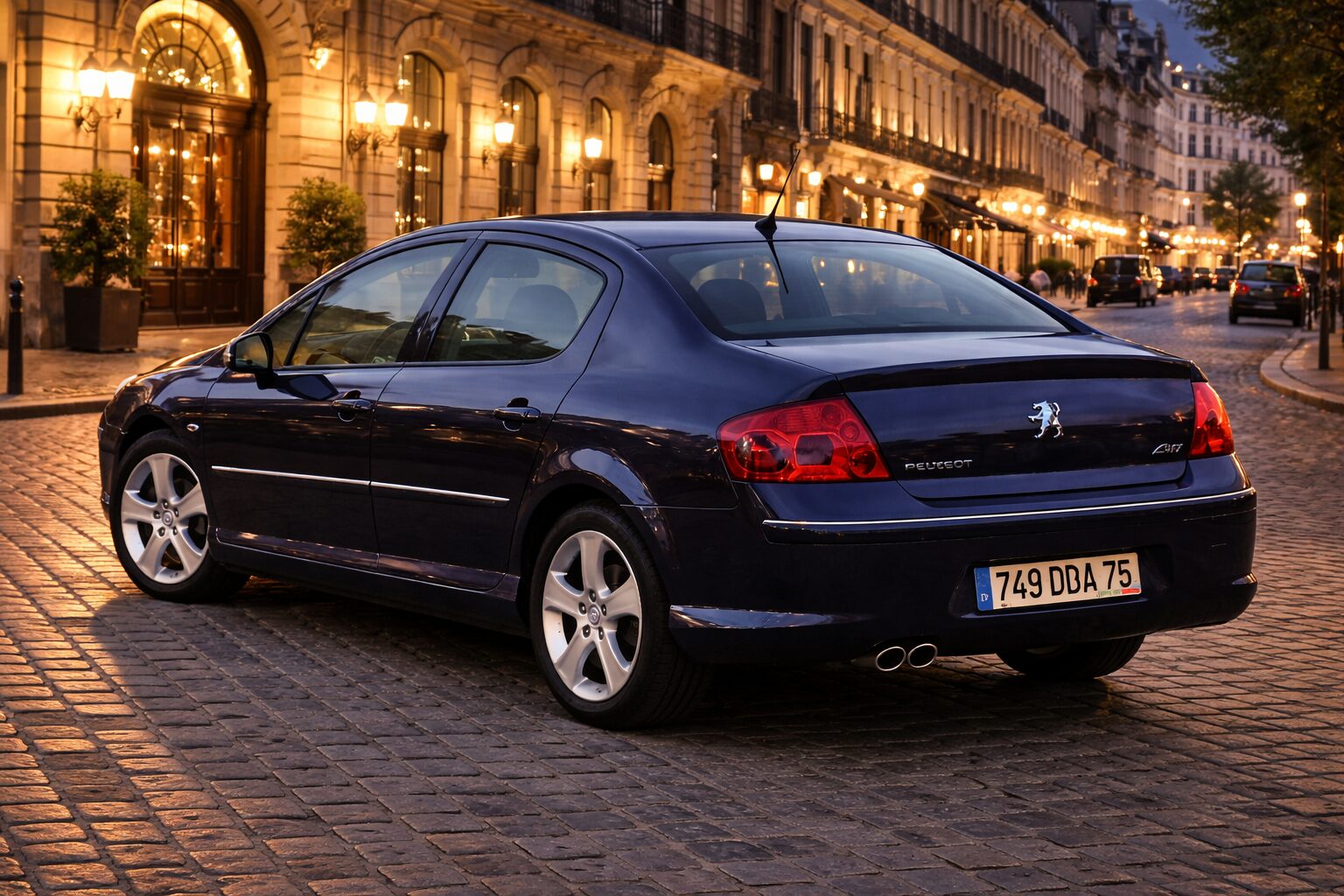
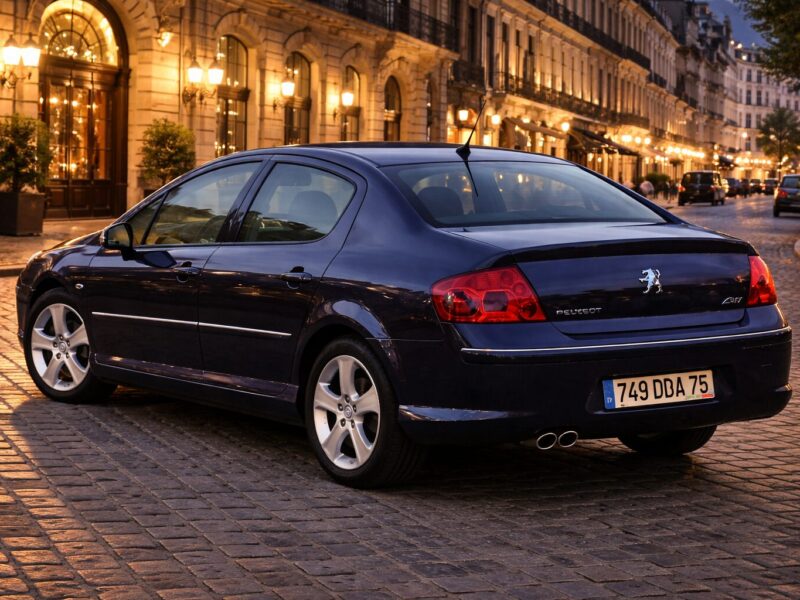
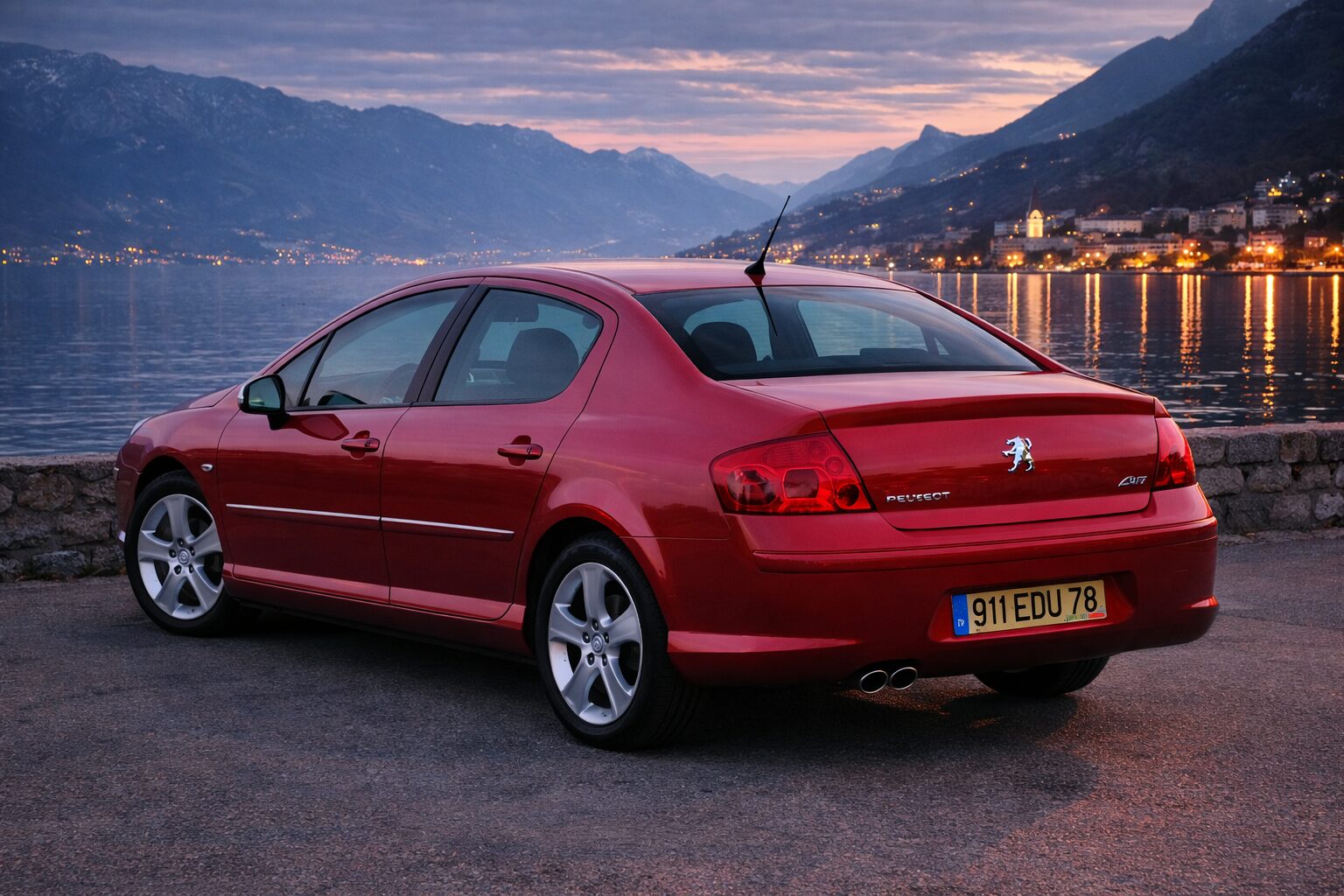
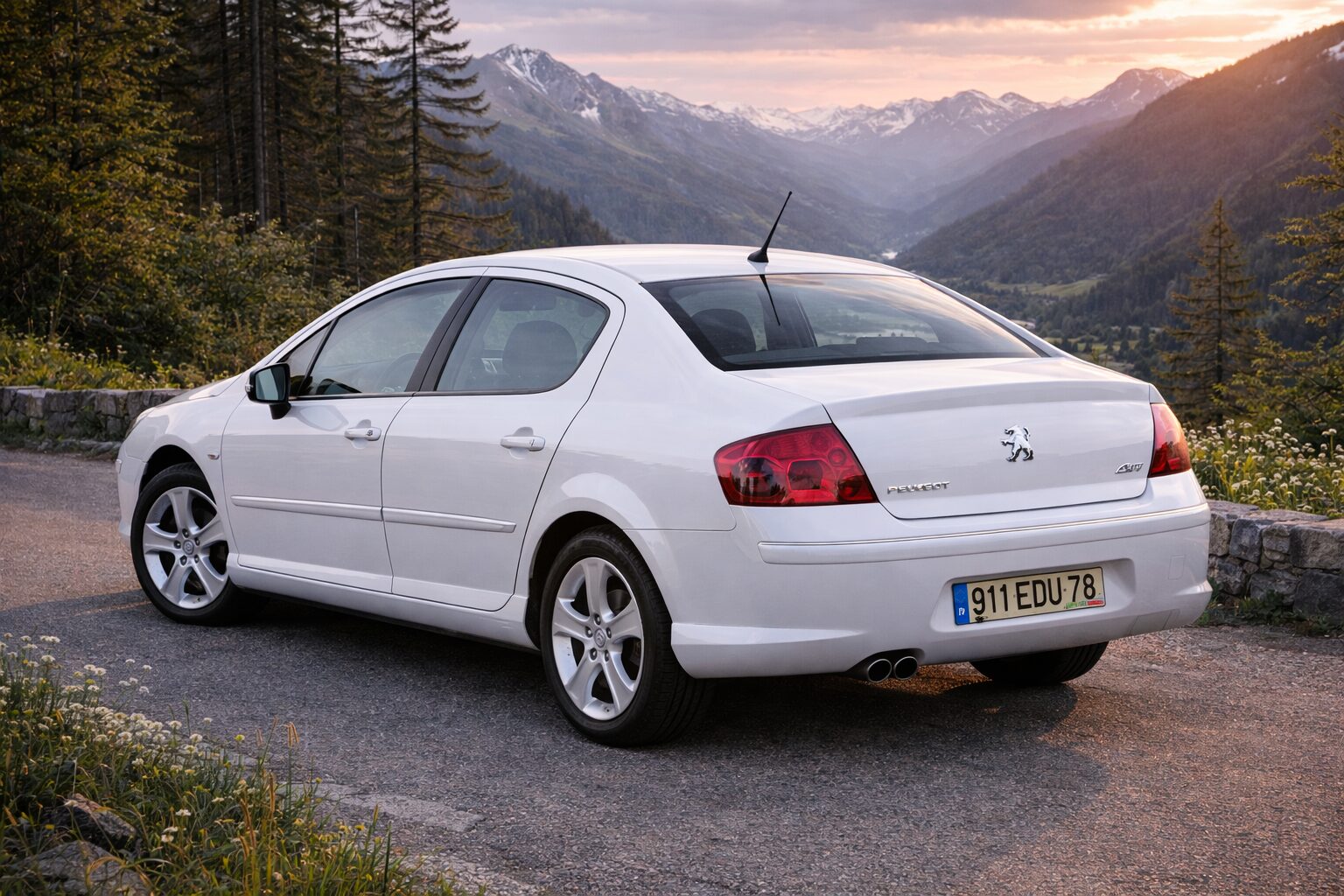
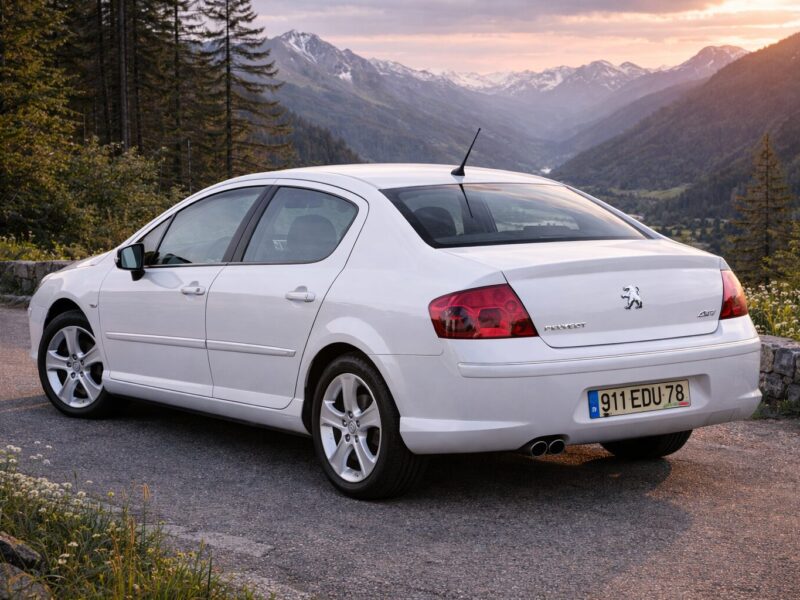
The Peugeot 407 is a spacious and comfortable D‑segment car that was built from 2004 to 2011. The model combines European styling with space for the whole family and a wide range of petrol and diesel engines, but unfortunately also with a series of well-known technical faults. Anyone considering a used example, or who already owns one, would be wise to know the weak spots.
Why is it useful to know about possible problems?
Knowing the typical problems helps you choose a suitable example and prevents financial setbacks after purchase. The 407 is currently offered at attractive prices. Older examples, however, often have hidden defects that lead to high repair costs. Used models that are ten years old or more deserve extra vigilance for wear and known teething troubles. Knowing the weak points helps during a test drive and inspection. You then carry out targeted checks. It also helps you assess a service history critically and see whether vulnerable parts have been replaced in time.
Insight into common faults also gives a realistic picture of maintenance costs. For more information about car problems with Peugeot you can visit our comprehensive overview page.
‘ The turbo fails on poorly maintained engines, especially after 200,000 kilometres. ’
Engine-related points of attention for petrol and diesel versions
The 407 was offered with a wide range of engines: from an economical 1.6‑litre turbodiesel to a powerful 3.0‑litre V6 petrol engine. The 2.0‑litre petrol engine is popular. However, it has issues with ignition coils and spark plugs. This leads to rough running and vibrations. In addition, there are reports of oil consumption at higher mileage. This occurs mainly when servicing has not been carried out punctually.
The diesel engines, particularly the 2.2‑litre HDi (High‑pressure Direct injection) and the 2.7‑litre V6 HDi, are generally more reliable in terms of lifespan but have their own vulnerabilities. The FAP particulate filter (Filtre à Particules, i.e. diesel particulate filter) clogs up when the car is mainly used for short urban trips. This results in reduced performance and a lit warning lamp. The EGR valve (Exhaust Gas Recirculation valve, which routes exhaust gases back to reduce emissions) also often becomes fouled. This makes the engine run less smoothly and causes higher emissions. The turbo fails on poorly maintained engines, especially after 200,000 kilometres. On the 2.7 HDi V6 engine, which was developed together with Ford, the injectors are a sensitive point and can cause faults at high mileage.
Electronic failures that occur regularly
The Peugeot 407 is known for various electronics‑related problems, especially in the facelift versions with advanced systems such as AMVAR suspension. This electronically controlled adaptive suspension adjusts the dampers every 2.5 milliseconds, but can be prone to failures. A defect in the sensors or the control module can cause the system to shut down and the car to drive permanently in a fixed, firmer setting.
There are also many reports of problems with the BSI (Built‑in Systems Interface), the central computer that controls, among other things, lighting, wipers and central locking. Symptoms include wipers dropping out, windows not working, failed lights or a car that will not start without any clear reason. In some cases the BSI can be reset by a specialist, but sometimes replacement is necessary. In addition, the sensors of the ESP system (Electronic Stability Programme, which monitors the car’s stability and grip) can develop faults. The stability control system then intervenes unnecessarily or is unavailable. The dashboard display also dims or shows missing pixels. This is a known issue on older examples.
Chassis and suspension: where wear occurs
The 407’s chassis uses MacPherson front suspension and a multi‑link rear axle. This generally provides a comfortable driving experience. However, wear to the front control arms and bushes is a common occurrence, especially after 100,000 kilometres. This shows up as rattling over bumps and imprecise steering. The anti‑roll bar bushes also wear and cause knocking noises while steering.
Shock absorbers lose their effectiveness over time. This results in a bouncy ride and reduced comfort. On models with AMVAR suspension the dampers are more expensive to replace and require specialist knowledge. Rear wheel bearing assemblies develop play over time. This leads to rumbling and, in severe cases, dangerous situations. When buying, listen carefully for unusual noises during the test drive. Visually inspect the bushes for cracks.
‘ This involves an expensive repair. ’
Transmission and clutch issues
Manual gearboxes in the Peugeot 407 are generally reliable, but the clutch can wear through aggressive shifting or a driving style with a lot of stop‑start traffic. Symptoms of a worn clutch include slipping when pulling away, a high biting point and difficulty selecting gears. Replacement around 150,000 kilometres is not unusual.
The 6‑speed automatic gearbox is mainly found in the V6 models. It operates smoothly when the transmission fluid is changed regularly. Many owners, however, report that the gearbox shifts jerkily or responds with a delay when maintenance has been postponed. Internal wear and electrical faults lead in some cases to failure of the automatic transmission. This involves an expensive repair. When buying used, make sure that the gearbox shifts smoothly and without jerks and ask about the service history of the transmission oil.
Brakes and steering: signs of wear
The 407’s brakes generally have a reasonable service life. Brake discs and pads, however, wear faster when the car is often used in town. Rust forms on the brake discs when the car stands still for a long time. This shows up as juddering under braking during the first braking actions. Brake callipers seize through contamination or lack of lubrication. This results in uneven braking and increased wear.
The steering rack is reliable on most examples, but there are reports of leaks in the power steering, especially on older models. Heavy steering and a pulsing noise from the engine bay are symptoms. Check the power steering fluid level regularly and inspect pipes and hoses for leaks. Track rod end joints develop play after high mileage. This leads to vague steering response and rattling noises over bumps. Have these parts thoroughly checked during an inspection and replace them in good time to prevent safety risks.
Interior and exterior weaknesses you may encounter
The interior of the Peugeot 407 still looks reasonably presentable at the time of purchase. Some materials, however, are prone to wear. The seat upholstery wears quickly under intensive use, especially on the side bolsters of the driver’s seat. Plastic trims in the interior can work loose or creak. This occurs mainly on older examples and is irritating. The touchscreen or the climate control buttons lose their functionality due to wear of the electronics.
On the outside, rust is a point to watch on models older than ten years. Wheel arches and the bottoms of the doors are prone to rust, especially when the car has been used in an area where a lot of road salt is used. Paint damage from stone chips accelerates the formation of rust patches. Timely repair is important. During inspection also check the door and tailgate seals. These crack and lead to water damage in the interior. Headlamp units become dull due to UV radiation. This reduces light output and makes the car look less fresh.
‘ If in doubt, have the car inspected by a specialist. ’
Buying tips for a used Peugeot 407
When buying a used 407, carry out a thorough inspection. Take a test drive under various conditions. Check the service book for regular services and pay particular attention to the replacement of wear‑sensitive parts such as the timing belt, coolant, brake fluid and transmission oil. Models with an HDi diesel engine and FAP filter are generally more economical and more reliable. However, avoid examples that have mainly covered short journeys. These cause problems with the particulate filter.
During the test drive, listen for unusual noises from the chassis. Also check whether the gearbox shifts jerkily. Test the BSI by checking all lighting functions, windows, wipers and central locking. Look under the car for signs of leaks, rust and damaged bushes. Check whether the AMVAR system is still functioning correctly on facelifted models. If in doubt, have the car inspected by a specialist. Ideally buy an example with a full service history and avoid cars with unclear origins or with a suspicious mileage.
Maintenance and prevention: how to extend its lifespan
Regular and correct servicing is the key to a longer lifespan for the Peugeot 407. Replace the engine oil at least every 10,000 kilometres or annually. This also applies when the car is used infrequently. It prevents wear and helps keep the turbo and injectors healthy. For diesel engines with a FAP filter it is important to drive longer journeys regularly. The filter then regenerates, preventing blockages.
Periodically check the cooling system and replace the coolant according to the service schedule, especially on V6 engines which are more prone to overheating. Clean the EGR valve and inlet manifold if the engine runs less smoothly; this also applies in case of increased fuel consumption. Replace the timing belt on time. This usually happens at around 120,000 kilometres or after ten years. The exact interval depends on the engine specifications. Ignoring this component leads to serious engine damage. The gearbox also deserves attention: have the transmission oil changed in line with a specialist’s advice, especially on automatic versions.
Regularly inspect the chassis and suspension for wear. Replace control arms, bushes and shock absorbers at the first signs of problems. This prevents further damage and keeps ride comfort at a good level. Keep the battery in good condition. Have faults investigated immediately by a Peugeot specialist with diagnostic equipment. Repair damaged paintwork in good time. Keep the underside of the car clean, especially in winter.
Is the Peugeot 407 a worthwhile choice?
The Peugeot 407 offers a lot of car for the money. It is a spacious, comfortable family car with a wide range of engines and body styles. The model scored excellently for safety with five stars at Euro NCAP and offers a quiet, pleasant driving experience, especially on the motorway. The HDi diesel engines are economical and provide sufficient power for daily use and long distances. The SW estate (Station Wagon, the estate version) is extra practical for families with a lot of luggage or towing needs.
On the other hand, the 407 requires an attentive owner, prepared to carry out regular maintenance and to be alert to known weak points. Electrical faults, especially with the BSI and AMVAR system, can be expensive. Chassis components, turbos and injectors are parts that need attention at high mileage. For those looking for a cheap runabout without a budget for maintenance, the 407 is less suitable. With a full service history and a targeted check, however, the car can still provide many years of reliable service. Ideally choose a well‑maintained example with an HDi engine and be critical of the condition of the electronics and chassis.