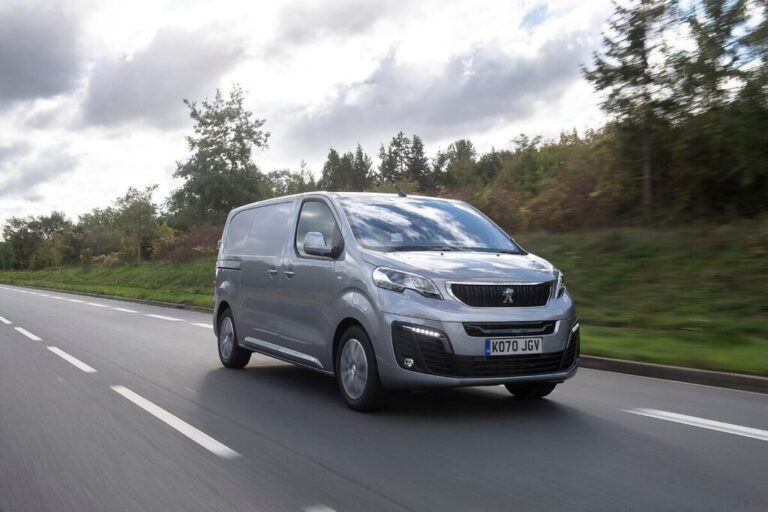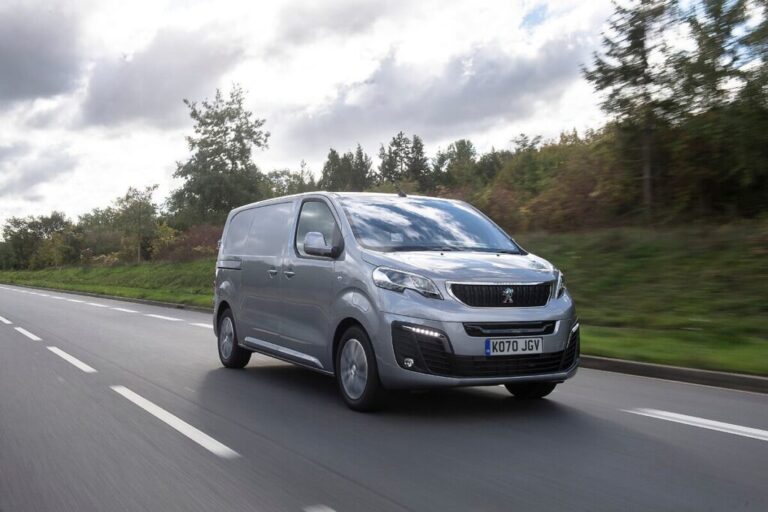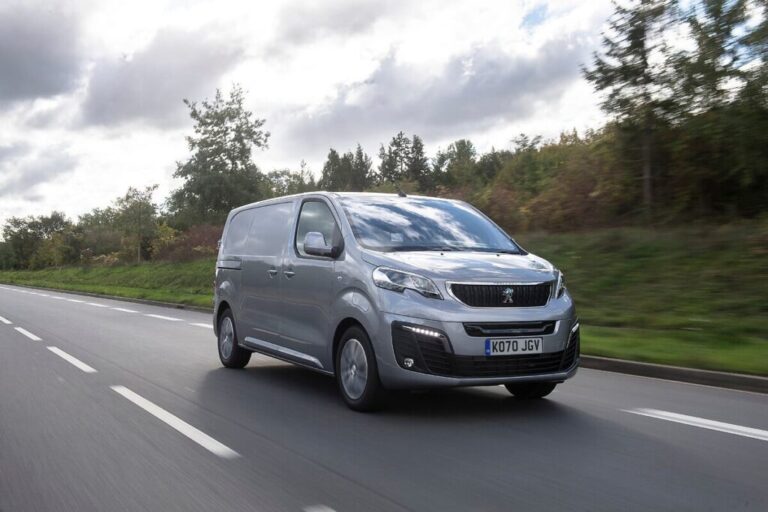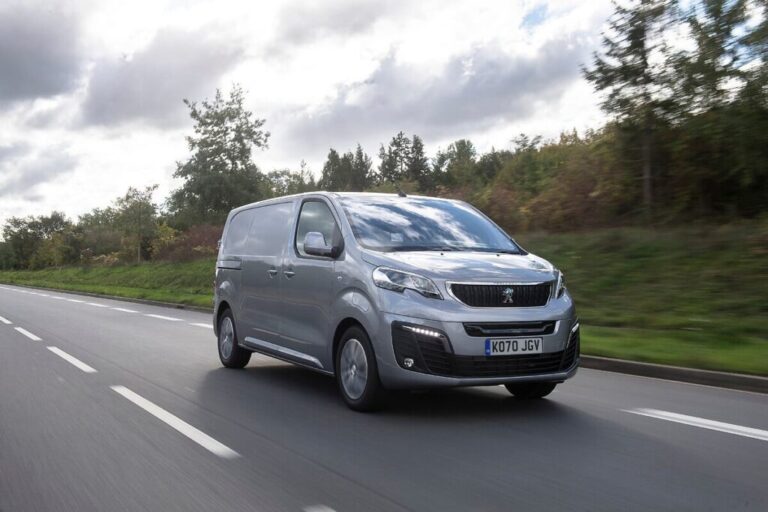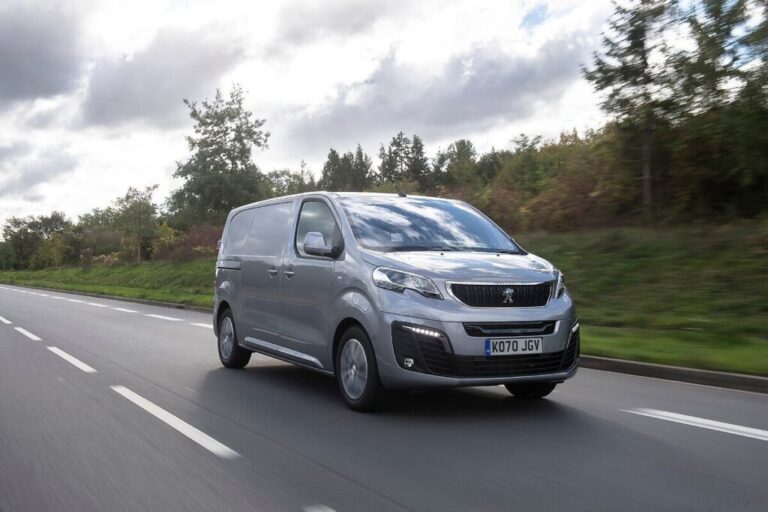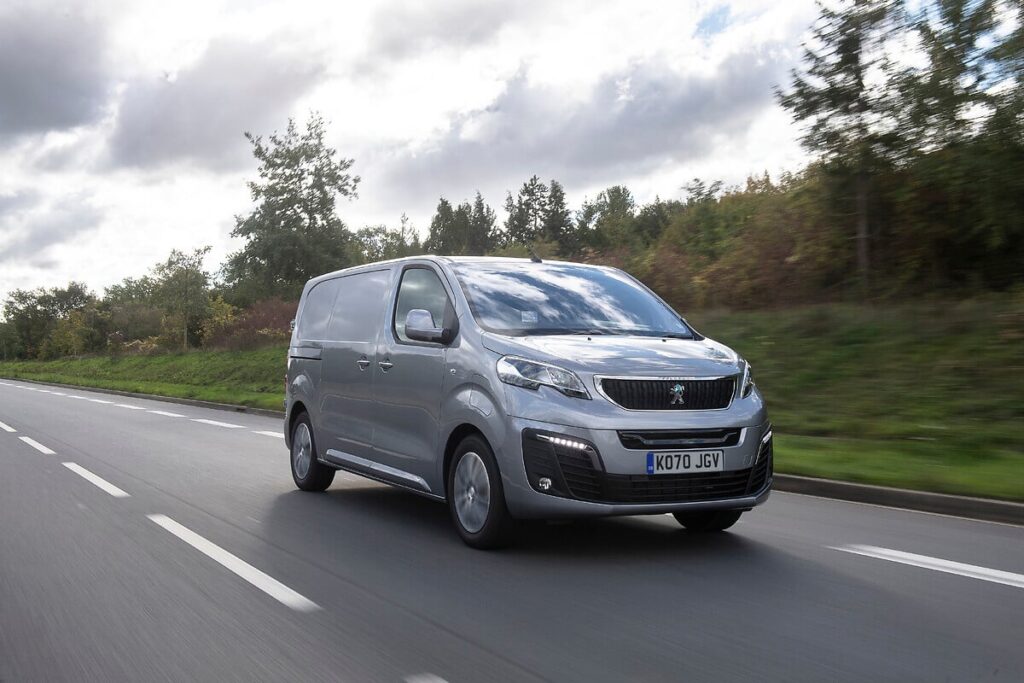
The Peugeot Expert has historically been a very reliable van, but the differences between generations and model years are considerable. Older naturally aspirated diesel engines easily reach 400,000 to 500,000 kilometres with proper maintenance. Modern Euro 6 engines with complex exhaust after-treatment reach 300,000 to 400,000 kilometres and require more maintenance. The Peugeot Expert from 2015 showed the lowest problem rate at 17%, while models from 2017 had the highest risk at 25%. Choosing between generations determines the mileage you can expect, your maintenance costs and the technical complexity.
Which Peugeot Expert generation is the most reliable
The first-generation Peugeot Expert from the period 1995 to 2006 is considered almost indestructible. These models run on naturally aspirated diesel engines with a technically simple design. With proper maintenance, they reach 400,000 to 500,000 kilometres without major problems. The simplicity of this generation makes self-maintenance reasonably easy thanks to front-wheel drive and robust engineering.
The second generation from 2006 to 2016 introduced BlueHDi engines (modern diesels with improved fuel efficiency and lower emissions) with outputs between 95 and 180 hp. These models are still reliable and can achieve 350,000 kilometres or more. Basic 95 hp models are popular with business owners on a limited budget. Higher outputs often come with an automatic gearbox, which increases comfort but does require extra attention during maintenance.
The third generation from 2016 onwards is equipped with Euro 6 BlueHDi engines and SCR technology with AdBlue. Euro 6 is the European standard for cleaner emissions, while SCR technology (Selective Catalytic Reduction) cleans exhaust gases using AdBlue (a fluid that converts harmful substances into nitrogen and water vapour). These modern drivetrains can reach 300,000 to 400,000 kilometres, but the complex exhaust after-treatment requires frequent maintenance. Major repairs are often needed between 150,000 and 250,000 kilometres, especially to the SCR catalyst and the AdBlue system.
Problem rates by model year of Expert models
Figures on problem rates by model year give a clear picture of reliability. The year 2015 scores best, with 17% problems and 10% high costs (repairs above roughly €500). This makes 2015 models a sensible choice for anyone wanting to minimise risk.
The years 2016 to 2019 show an increase in both problems and costs:
- 2016: 21% problems, 13% costs
- 2017: 25% problems, 13% costs
- 2018: 22% problems, 16% costs
- 2019: 24% problems, 14% costs
Model year 2017 stands out with the highest problem rate at 25%. This is linked to teething problems in the new generation, especially those related to the stricter emissions rules (Euro 6) and the associated exhaust after-treatment. For anyone looking for a reliable Expert, models from 2015 to 2016 are the better choice.
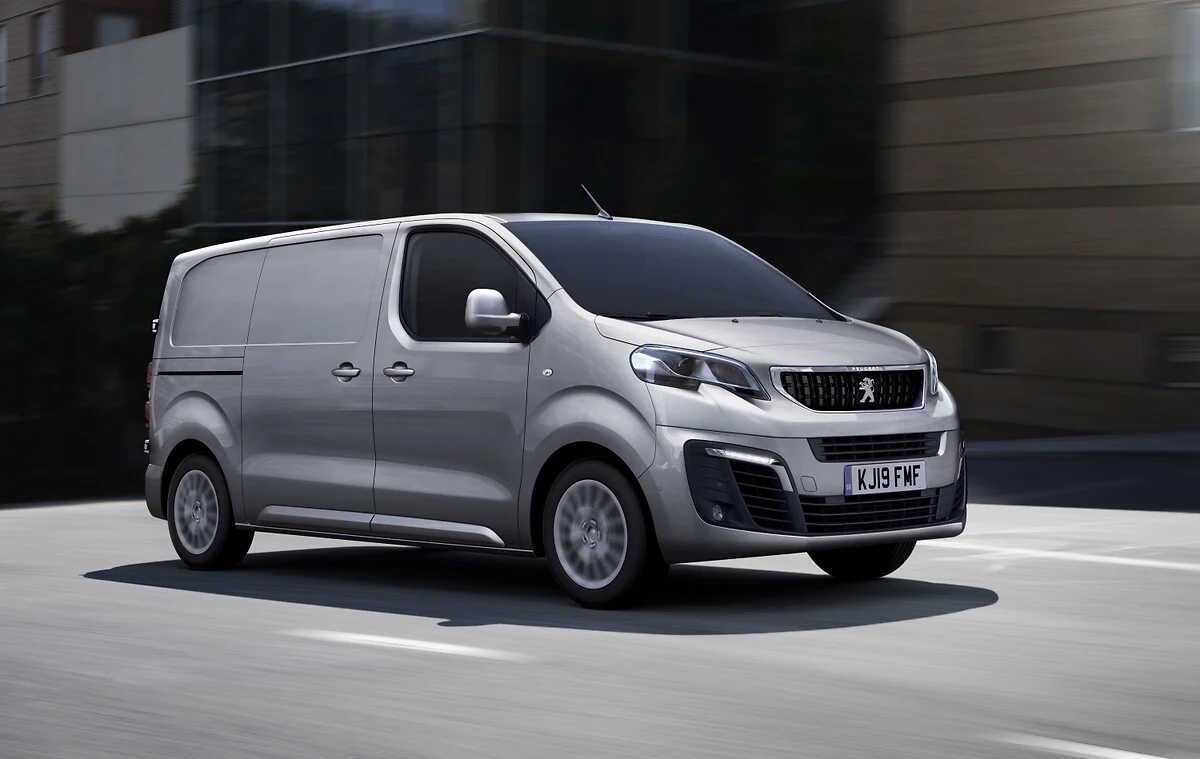
Specific problems with 2.0 BlueHDi engines
The 2.0 BlueHDi engine appears in the second and third-generation Expert. This engine delivers between 120 and 180 hp and was developed with modern emissions standards in mind. As a result, the engine contains complex components such as SCR catalysts (parts that chemically clean exhaust gases), AdBlue injection systems (systems that inject AdBlue fluid into the exhaust) and particulate filters that are prone to faults.
Problems with the AdBlue system occur regularly. The injection valve can fail, leading to dashboard warnings and loss of power. In some cases, the car refuses to start until the system has been repaired. The SCR catalyst can become clogged or fail, especially on shorter journeys where the exhaust does not warm up sufficiently.
Owners also report problems with the EGR valve (Exhaust Gas Recirculation valve, a component that feeds exhaust gases back into the engine to reduce emissions) and the particulate filter. These components require regular cleaning or replacement in models that are driven a lot in the city. The cost of such repairs often ranges from €500 to €1,500, depending on the component and the garage.
Reliability of the 1.6 HDi engine
The 1.6 HDi engine is available in the second-generation Expert and is considered a reliable choice. This engine has a simpler design than the later BlueHDi variants and is less prone to emissions-related faults. With proper maintenance, the 1.6 HDi easily reaches 350,000 kilometres.
Owners value this engine for its low fuel consumption of around 6.7 litres per 100 kilometres and favourable maintenance costs. The engine does not have an AdBlue system, which removes a significant source of problems. The timing belt, however, does require attention. Replace it according to the schedule to prevent costly engine damage.
The 1.6 HDi is especially suitable for business owners and campervan enthusiasts looking for a reliable, affordable engine without unnecessary complexity. This engine is tax-efficient and requires little maintenance compared with newer generations.
‘ The drawback of newer models is the complex technology. ’
Are older or newer Expert models better
Older models excel in simplicity and reliability. The first generation from 1995 to 2006 has naturally aspirated diesel engines that last for years with limited maintenance. These vehicles are ideal for anyone who wants to do their own work and not depend on garages with advanced diagnostic equipment. The engineering is straightforward and parts are often affordable.
Newer models from 2016 onwards offer more comfort, safety and fuel economy. They come with sat nav and cruise control as standard and earned five stars in the 2018 Euro NCAP (European New Car Assessment Programme, an independent organisation that tests car safety) crash tests. Fuel consumption is between 7.2 and 8.5 litres per 100 kilometres, which is lower than in older generations. The load space of 4.5 cubic metres is spacious enough for a mattress or camping setup.
The drawback of newer models is the complex technology. AdBlue systems, SCR catalysts and particulate filters require frequent maintenance and can lead to high repair costs. For anyone who regularly drives long distances and values modern features, models from 2015 to 2016 are a good compromise. They combine modern technology with a lower problem rate.
Electric Peugeot Expert from 2020
Since 2020, the Peugeot Expert has also been available as a fully electric van. This variant produces 136 hp and has a range of 275 kilometres on a full battery. The electric Expert is only available new as a commercial vehicle. For campervans and private buyers, this option is not yet available.
The reliability of the electric drivetrain is still unknown because this generation has only existed for a short time. In general, electric cars have fewer maintenance points because they do not need an internal combustion engine, exhaust system or AdBlue. The battery and electric motor do require attention, but there is still little long-term data available.
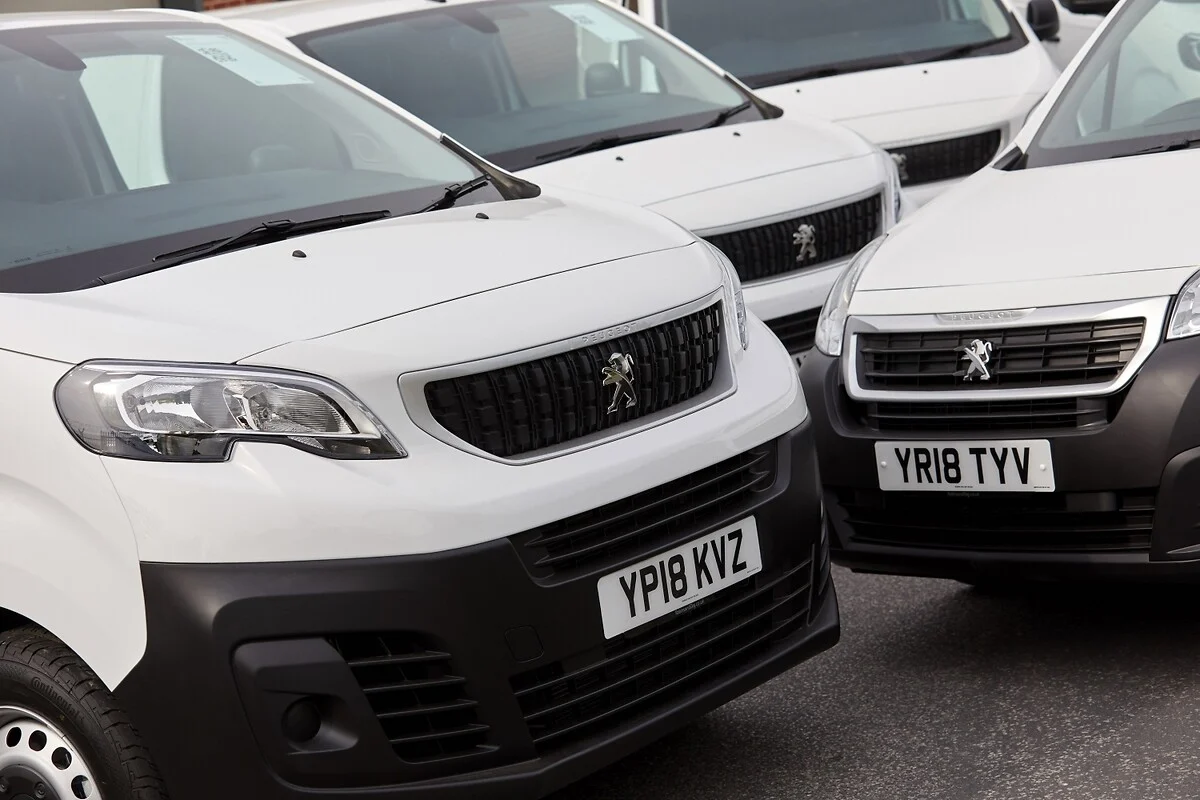
Useful tips for maintenance and buying advice
Choose a 2015 or 2016 model if reliability and low maintenance costs are a priority. These model years show the lowest problem rate and still offer many modern features without the complexity of later Euro 6 models.
When buying second-hand, always check the service history. Pay particular attention to the replacement of the timing belt on 1.6 HDi engines and any repairs to the AdBlue system on 2.0 BlueHDi engines. Ask about problems with the SCR catalyst and particulate filter if the vehicle has often been used for short trips.
For anyone seeking long-term use and valuing simplicity, the oldest diesel generations from 1995 to 2006 remain the best choice. These models are technically simple and, with proper maintenance, easily cover 400,000 to 500,000 kilometres. Self-maintenance is reasonably easy, which further reduces costs.
On the Carnews website you will find much more information about car problems, maintenance advice and experiences with different models and brands. Find out which car best suits your situation and read more about reliability, costs and technical details.
Frequently asked questions
The Peugeot Expert is known for above-average reliability, especially the first generation (1995–2006) with simple naturally aspirated diesels that often achieve 400,000–500,000 km with proper maintenance. The second generation (2006–2016) with BlueHDi engines typically reaches 350,000+ km and is also regarded as reliable, with the 2015–2016 years being relatively trouble-free. The third generation from 2016 onwards is technically more complex (SCR, AdBlue) but still solid with proper maintenance, with an expected lifespan of 300,000–400,000 km. In particular, the older, simpler diesels are seen by owners as “almost indestructible”.
Yes, there are model years that score slightly less well for reliability: from the available data, the years around **2017** stand out with the highest reported problem rate (about 25%). In the **3rd generation (from 2016, Euro 6 BlueHDi with SCR/AdBlue)**, problems more often occur with the **AdBlue/SCR system** and the **catalyst**, usually between 150,000 and 250,000 km. Older naturally aspirated diesels (approx. 1995–2006), by contrast, are known to be very robust and often reach 400,000–500,000 km with proper maintenance. If you want to limit risk, the ideal choice is a vehicle from around **2015–2016**, where the reported problem rates are lowest.
Look in independent sources such as the ANWB, ADAC, the Consumers’ Association, Autoweek and TÜV reports for breakdown and reliability statistics specific to brand, model and model year. Also check marque and model forums (e.g. Reddit, owners’ clubs) for known weak points and recurring defects for that exact model year. Review the service history and invoices for the specific vehicle to see whether known problem parts have already been replaced. Combine this information with a pre-purchase inspection by an independent garage that has experience with this exact model and model year.
The older naturally aspirated diesel engines (1st generation, 1995–2006) are the most positive for reliability because of their simple, robust engineering and, with proper maintenance, often reach 400,000–500,000 km. The modern Euro 6 BlueHDi engines (3rd generation, from 2016) with complex SCR/AdBlue after-treatment reduce reliability relatively, because systems such as the SCR catalyst and AdBlue pump often need costly repairs around 150,000–250,000 km. Within the more recent generations, the simpler lower-output variants (for example 95 hp diesels, often with a manual gearbox) generally score better than higher-output versions with automatic transmission, because the latter are subjected to heavier mechanical and electronic loads. The long-term reliability of the electric drivetrain (from 2020) is still only limitedly known due to the small number of years and kilometres in real-world use.
Higher reliability within a particular model generation and model year generally lowers the total cost of ownership, because there are fewer unexpected repairs, less downtime and lower maintenance costs. Older, technically simpler generations (such as the first Expert diesels) often have a longer lifespan with relatively low maintenance costs, which makes their TCO favourable. Newer generations with more complex technology (Euro 6, SCR/AdBlue) can result in higher maintenance and repair costs around 150,000–250,000 km, which increases the TCO. Models and model years with demonstrably fewer problems (such as around 2015–2016 for the Expert) generally retain a higher residual value than problem years (such as 2017), because buyers have more confidence in their durability.