
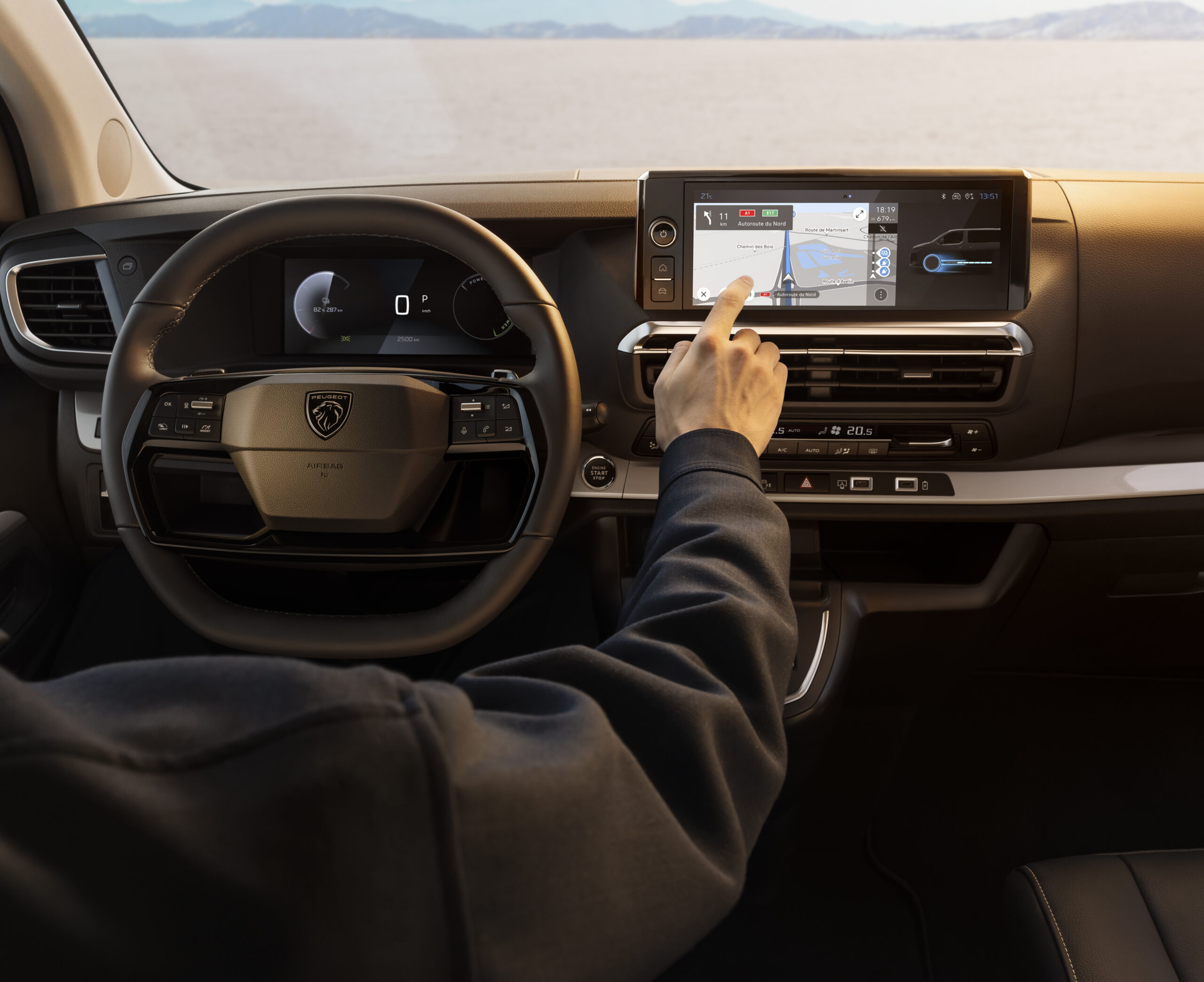
Peugeot Partner: why this van resonates with so many owners
The Peugeot Partner combines practical loading space with driving characteristics that come close to a passenger car, but it also has specific technical points of attention that you need to know as an owner. This compact van is popular with entrepreneurs and DIY-ers, but certain components and systems require extra inspection to prevent costly faults. You may be considering buying a used Partner. Or you may have been driving this model for years. In both cases, understanding common problems helps you avoid big expenses and unexpected breakdowns.
Why the Peugeot Partner is both well-loved and much discussed
The Partner scores highly on flexibility and payload. With space for two Euro pallets, a Multi-Flex passenger seat that folds flat for long loads and a payload of up to 1,000 kilograms, this model offers a great deal of practical usability. The 1.5 BlueHDi diesel engine delivers up to 300 Nm of torque and in real life uses around 6.0 to 6.5 litres per 100 kilometres, which makes it suitable for long journeys with a full load.
Even so, owners regularly report problems with specific components. The combination of intensive use, often with maximum payload, and sensitive parts such as the diesel particulate filter and the turbo means that maintenance does not always go smoothly. Certain faults occur more often in older generations and higher-mileage models. Anyone wanting to avoid Peugeot car problems would do well to know the Partner’s weak spots and take preventive action.
‘ A lack of coolant leads to overheating and serious engine damage. ’
Top 5 common engine problems with the Peugeot Partner
Engine problems can significantly affect the Partner’s reliability. Many complaints can be traced back to specific components that require extra maintenance.
Diesel particulate filter (DPF) becomes clogged
The diesel particulate filter collects soot particles from the exhaust gases. With frequent city driving or short trips, the filter does not reach operating temperature and becomes clogged. You will notice this from a warning light on the dashboard, loss of power and higher fuel consumption. In severe cases the filter has to be replaced, which quickly costs several hundred euros.
Prevent this by regularly driving longer distances on the motorway. The filter regenerates at higher temperatures. If in doubt, have a garage check the DPF pressure.
Turbo and VGT mechanism fail
The turbo on the 1.5 BlueHDi is fitted with a variable geometry turbine system. This mechanism can seize over time. It can also fail completely. The risk increases especially if you regularly let the engine warm up only briefly. Insufficient maintenance also plays a role in this problem. Symptoms include a sudden loss of power, whistling noises and black smoke from the exhaust.
Check the engine oil level regularly and replace the oil at the prescribed intervals. This significantly extends the turbo’s lifespan.
Timing chain or timing belt wear
The year of manufacture and engine type determine whether the Partner has a timing chain or a belt. Depending on these factors, the Partner may be fitted with a timing chain or belt. Both parts are subject to wear. A stretched chain or worn belt can lead to engine damage because the timing is no longer correct. You will then hear rattling noises when starting or while driving.
Replace the timing belt every 120,000 kilometres or according to the manufacturer’s maintenance guidelines. In the case of a chain, have the tension and condition checked during routine servicing.
Exhaust gas recirculation valve (EGR valve) gets dirty and blocks
The exhaust gas recirculation valve – shortened to EGR valve – reduces nitrogen oxide emissions by routing exhaust gases back into the engine. Over time this part becomes contaminated with soot deposits, especially with shorter journeys. A blocked EGR valve causes jerky engine behaviour, poor idling and increased fuel consumption.
Have the valve cleaned periodically or replace it if cleaning no longer has any effect. This prevents damage to other engine components.
Coolant leaks and overheating
Leaks in the system that cools the engine – the cooling system – occur in older Partners. Hoses, radiators and valves can start leaking over time. A lack of coolant leads to overheating and serious engine damage. Keep an eye on the level and watch for warning lights on the dashboard.
Check the cooling system regularly for leaks and replace worn parts in good time. Always use the correct coolant in line with the manufacturer’s specifications.


Transmission and clutch: what to expect
The Partner is available with a 6-speed manual gearbox or an 8-speed automatic. Both transmissions have their own points of attention.
Clutch wear on manual versions
The clutch is a wear part that will need to be replaced over time. In the Partner this can be between 100,000 and 150,000 kilometres, depending on your driving style and payload. Symptoms of a worn clutch include slipping when pulling away, a high biting point and a vibrating clutch pedal.
Treat the clutch gently: do not rest your foot on the pedal unnecessarily and shift gears smoothly. This will considerably extend its lifespan.
Shifting problems with the automatic
Over time the 8-speed automatic can start to shift jerkily or refuse to engage certain gears. There are various possible causes:
The transmission oil is contaminated. A sensor is not working properly. The valve body is faulty. If in doubt, have the transmission oil changed according to the prescribed interval, even though this is needed less often with modern automatics.
Electrical faults: from warning lights to sensors
Modern vans are equipped with a lot of electronics. The Partner has various electrical problems that manifest themselves as warning lights and faults in the on-board computer.
Faults in the engine management system
An illuminated engine management warning light can have several causes, ranging from a defective lambda sensor to problems with the mass air flow sensor. These sensors determine the composition of the fuel mixture. They influence performance and fuel consumption. Have a garage read the fault codes to determine the exact cause.
Problems with the start-stop function
The start-stop technology helps save fuel in city traffic, but it can also develop faults. Common causes include:
The battery is weak. The starter motor is defective. The battery sensor is not working properly. You will notice this when the system no longer activates or switches off prematurely. If in doubt, replace the battery and have the system checked.
Sensor issues with parking sensors
The parking sensors – electronic assistance systems that measure distance while parking – use sensors around the bumpers. These can become dirty or fail due to weather conditions and knocks. You will then hear false beeps or receive error messages on the display. Clean the sensors regularly and have any defective ones replaced.
‘ Because a broken wheel bearing can cause the wheel to fail. ’
Suspension and chassis: comfort versus wear
The Partner’s chassis is robustly designed to cope with heavy loads. Even so, certain parts wear faster than on an ordinary passenger car.
Control arms and bushes
The control arms – connecting elements between the suspension and the body – at the front and rear can suffer from worn bushes over time. This manifests as rattling noises over bumps, unsettled handling and uneven tyre wear. Replace worn control arms and bushes in good time to prevent further damage to other components.
Shock absorbers and springs
Shock absorbers and springs are under heavy strain, especially on journeys with a full load. Worn shock absorbers cause bouncy handling and lengthen the braking distance. Have the dampers checked during the MOT and replace them if in doubt.
Wheel bearings
Wheel bearings – parts that allow the wheel to turn smoothly – carry the weight of the vehicle and the load. On the Partner they can wear out more quickly due to heavy loads and poor road surfaces. You can recognise a defective wheel bearing by a humming or droning noise that increases with speed. Have this checked immediately, because a broken wheel bearing can cause the wheel to fail.


Braking system and safety: inspection and maintenance
The braking system is one of the most important safety components of any vehicle. The Partner has disc brakes all round as standard and is often equipped with ABS and ESP.
Brake discs and pads
With intensive use and full loads, brake discs and pads wear faster. Regularly check pad thickness and watch for vibrations or squealing noises when braking. Replace worn parts in good time to maintain braking performance.
Brake fluid and brake lines
Brake fluid – the hydraulic fluid in the braking system – absorbs moisture. As a result, it loses effectiveness. Replace the fluid every two years, even if the vehicle has covered few miles. Check the brake lines for rust and leaks, especially on older models.
ABS and ESP faults
Problems with the anti-lock braking system (ABS) or electronic stability programme (ESP) show up as warning lights on the dashboard. This may be due to defective wheel speed sensors, contaminated connectors or electrical faults. Have the system read and repaired immediately, as these systems contribute to active safety.
Bodywork and interior: wear and weak spots
Vans are often used intensively, and this leaves its mark on the bodywork and interior.
Susceptibility to rust
Older Partners can suffer from rust, especially around the following areas:
Wheel arches. Bottom edges of the doors. Load area floor. Check these spots regularly and treat small patches of rust immediately to prevent further corrosion. Clean the underside of the vehicle regularly, especially in winter when the roads are covered with salt.
Interior wear
The interior of a van takes quite a beating. Seat covers can wear through, control buttons can come loose and the lining of the load compartment can be damaged. Treat the interior with care. Protect the seats and load floor with mats or protective covers where necessary.
Sliding doors and tailgate
The sliding door and tailgate are everyday-use parts that can develop mechanical problems over time. Lubrication points can dry out, cables can stretch and catches can stick. Lubricate the hinges and runners regularly and have any defective parts replaced.
‘ Have this checked immediately to prevent more serious damage. ’
Preventive maintenance: extend the life of your Partner
With the right maintenance approach you can prevent many problems. This will considerably extend the life of the Partner.
- Follow the manufacturer’s maintenance schedule. Ideally, have the vehicle serviced by a garage that is familiar with Peugeot.
- Use high-quality engine oil and replace it at the prescribed interval, especially with the diesel engine
- Regularly drive longer distances to regenerate the particulate filter and bring the engine up to temperature
- Check the oil and coolant levels weekly and top up where necessary
- Maintain the correct tyre pressures and check the tyres for uneven wear
- Pay attention to warning lights. Have these checked immediately to prevent more serious damage.
- Clean the underside of the vehicle regularly, especially after winter journeys or driving on unpaved roads
Buying advice: what to look out for with a used Partner
Are you considering buying a used Peugeot Partner? Check these points before you go ahead with the purchase.
Service history
Always ask for the complete service book. Check whether all services were carried out on time. Pay particular attention to replacement of the timing belt, clutch and key wear parts. A complete service book inspires confidence that the vehicle has been looked after carefully.
Engine inspection
Start the engine from cold. Listen for unusual noises such as rattling chains or whistling turbos. Check whether there is smoke from the exhaust and whether the engine idles smoothly. Take the vehicle for a test drive. During the drive, pay attention to power delivery, gear changes and any warning lights.
Rust and bodywork damage
Inspect the following parts thoroughly for rust:
Wheel arches. Bottom edges of the doors. Sills. Load area floor. Small rust spots can still be treated, but corroded panels require costly repairs. Also check the paintwork for damage and poor-quality repairs.
Chassis and drivetrain
Do you hear rattling noises or feel vibrations during the test drive? This may indicate worn parts in the chassis or drivetrain. Have the vehicle put on a lift so you can inspect the underbody thoroughly. Look out for oil stains under the vehicle, as these may indicate leaks.
Electrics and equipment
Test all electrical functions. This includes:
Lights. Windscreen wipers. Heating. Air conditioning. Any parking sensors or cameras. Check that all warning lights go out after starting. Connect the vehicle to a diagnostic system to check for any stored fault codes.
The Peugeot Partner, a conscious choice
The Peugeot Partner offers a lot of practical value and drives well for a van, but it does demand focused attention on specific technical weak spots. Problems with the particulate filter, turbo and electronics occur regularly, especially in higher-mileage models and those used intensively. With preventive maintenance, timely repairs and a good understanding of common faults, you can avoid a great deal of trouble.
Anyone buying a used example would be wise to carry out a thorough inspection and not focus solely on the price. A well-maintained Partner with a complete service history is a reliable workhorse that will last for years. Make sure you know what to look out for and act immediately if in doubt. That way you will get the best out of this versatile model and avoid expensive surprises.