
Battery and alternator problems in the Peugeot Partner are often recognised by a clicking noise when starting, dim dashboard lights or unexpected electrical failure. Possible causes include the battery, alternator, wiring, earth connection and drive belt. On the page about problems with the Peugeot Partner you can find more points to check for this model. A few targeted checks often show where the fault begins.
Which symptoms point to battery problems?
A Peugeot Partner with a weak battery usually becomes harder and harder to start. The starter turns slowly or you only hear a click. The dashboard lights may also dim significantly during an attempt to start. Replacing the battery is not immediately necessary. Even so, a voltage check is advisable.
Common signs of battery problems are:
- A single click or a series of rapid clicks when starting.
- A starter motor that turns slowly.
- Dashboard lights that dim during starting.
- A clock or radio that loses its settings.
- A battery that is flat after a few days parked up.
- Electrical functions that work inconsistently.
Loose battery terminals, corrosion and a poor earth connection can also cause these symptoms. The earth cable connects the battery and bodywork to the electrical system. A poor connection increases resistance. As a result, the starter motor receives too little current.
Why does it click when starting?
The clicking noise usually comes from the starter relay. This relay tries to engage the starter motor, but may not be getting enough voltage. With rapidly repeated clicks, a flat or weak battery is a likely cause. One loud click sometimes points to a problem with the starter motor or cable connection.
Check a starting problem in this order:
- Switch off the lights and other electrical consumers.
- Check that the battery terminals are clean and firmly attached.
- Measure the battery voltage with the engine switched off.
- Check how much the voltage drops during starting.
- Have the starter motor and wiring tested if the battery proves to be fine.
A charged battery usually measures around 12.4 to 12.7 volts with the engine switched off. A lower reading suggests an insufficiently charged or worn battery. Voltage alone does not tell the whole story. Without load, a battery may show a reasonable reading, while the voltage drops sharply during starting.

How long does a Peugeot Partner battery last?
Use and temperature affect battery life. The battery type and charge condition also matter. A battery older than two years is not automatically faulty. From that age onwards, though, extra checks are sensible if there are starting complaints. Lots of short journeys weaken the battery more quickly. The alternator then has little time and returns too little energy to the battery.
During long periods of inactivity, the battery loses charge. Electrical consumers draw additional current. Watch the interior lights and accessories. An installation left switched on also uses power after the car has been turned off. That parasitic draw slowly discharges a healthy battery. A garage can measure how much current the car uses at rest.
On a version with a start-stop system, always fit the correct battery type. These systems demand more from a battery than a conventional setup. First check the specifications of the existing battery and the vehicle details. Then buy a suitable replacement.
How do you check the alternator?
The alternator, also known as the dynamo, charges the battery when the engine is running. A properly working charging system usually delivers a voltage of 13.8 to 14.4 volts. A reading below 13.8 volts suggests insufficient charging. A persistently low reading at higher engine speed strengthens this suspicion. Modern charging systems sometimes adjust the voltage to suit conditions.
Check the charging voltage as follows:
- Set the multimeter to DC voltage.
- Place the red probe on the positive battery terminal.
- Place the black probe on the negative battery terminal.
- First measure with the engine switched off.
- Start the engine and measure again.
- Switch on the dipped beam headlights, blower and rear window heater.
- Check whether the charging voltage remains high enough.
Be careful. Stay clear of a running engine. Keep your hands away from the auxiliary belt. Also keep clothing away from moving parts. Make sure the test leads cannot get caught anywhere. If you have little experience with a multimeter, let the garage do the measuring. Also choose the garage if the battery is difficult to reach.
Alternator problems have several causes
A low charging voltage does not always point to a faulty alternator. The voltage regulator or carbon brushes are sometimes worn. A slipping auxiliary belt or faulty overrunning pulley also prevents the alternator from being driven properly. The overrunning pulley is part of the belt drive. This part dampens vibrations.
Other possible causes are:
- Corrosion on battery terminals or cable connections.
- A loose or damaged earth cable.
- Wear on the auxiliary belt.
- A fault in the voltage regulator.
- Damaged wiring or a loose or dirty connector.
- A communication fault between the alternator and the vehicle control system.
A battery warning light coming on while driving calls for prompt inspection. The light usually refers to the charging system and not just the battery. The alternator is no longer charging the battery. The car is then using only the stored battery power. After that, systems fail and the engine stops.
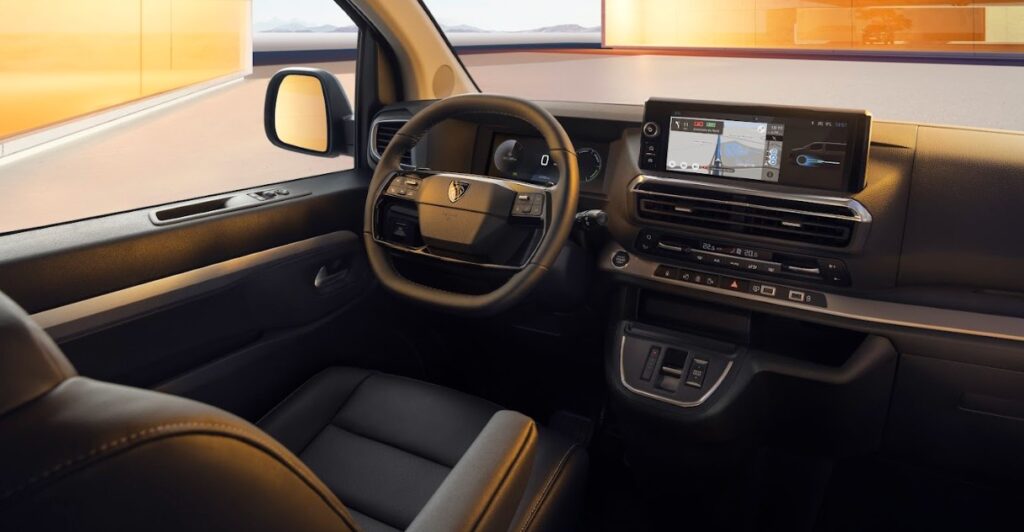
Why do the dashboard lights dim?
Dimming dashboard lights indicate a falling system voltage. The lights sometimes only dim during starting. A limited drop in voltage is then normal. Noticeably dimmer lights while driving point to a problem with the charging system. Also watch for lights that change brightness with engine speed.
If you suspect a charging problem, switch off unnecessary consumers. Do not drive any longer than necessary. Power steering, engine management and other systems need sufficient voltage. Have fault codes read if the battery warning light comes on. Have this done as well if electrical failures keep recurring. Fault codes point to problems with control or communication.
What does replacing the battery cost?
The price of a new battery varies by version. Capacity, battery type and brand affect the price. The battery’s accessibility and labour costs also count. A battery for a version with a start-stop system sometimes has a different price from a standard battery. So ask for a quote using the registration number or vehicle details.
First have the condition of the battery tested. Also have the charging system checked. That way a new battery stays protected against discharge from a faulty alternator or parasitic draw. Ask whether the quotation includes fitting and checking the charging system. Also ask about any cost for registering the new battery.
‘ This is how you recognise a worn-out battery. ’
Testing prevents unnecessary replacement
When dealing with battery and alternator problems in a Peugeot Partner, targeted testing is the best first step. Measure the resting voltage and charging voltage. Then check the battery terminals, earth points and belt drive. This is how you recognise a worn-out battery. A charging problem or poor connection will also come to light.
On the Carnews website you can find more information about Peugeot faults, maintenance, automotive technology and related topics. Read the articles, spot problems earlier and discuss them more effectively with a garage.
Frequently asked questions
Symptoms of a faulty alternator in a Peugeot Partner include a battery warning light that is on or flashing, slow or no starting, and a battery that quickly goes flat. The lights may also dim and electrical functions may work intermittently or fail. However, these complaints can also be caused by a weak battery, poor wiring, earth connections or a slipping auxiliary belt.
Set a multimeter to DC voltage and measure directly across the battery terminals. With the engine off, the voltage should be about 12.4–12.7 volts; with the engine running, around 13.8–14.4 volts. Then switch on the dipped beam headlights, blower and rear window heater and check whether the voltage remains high enough. A clearly lower charging voltage may indicate a problem with the dynamo, belt, wiring or earth connection.