
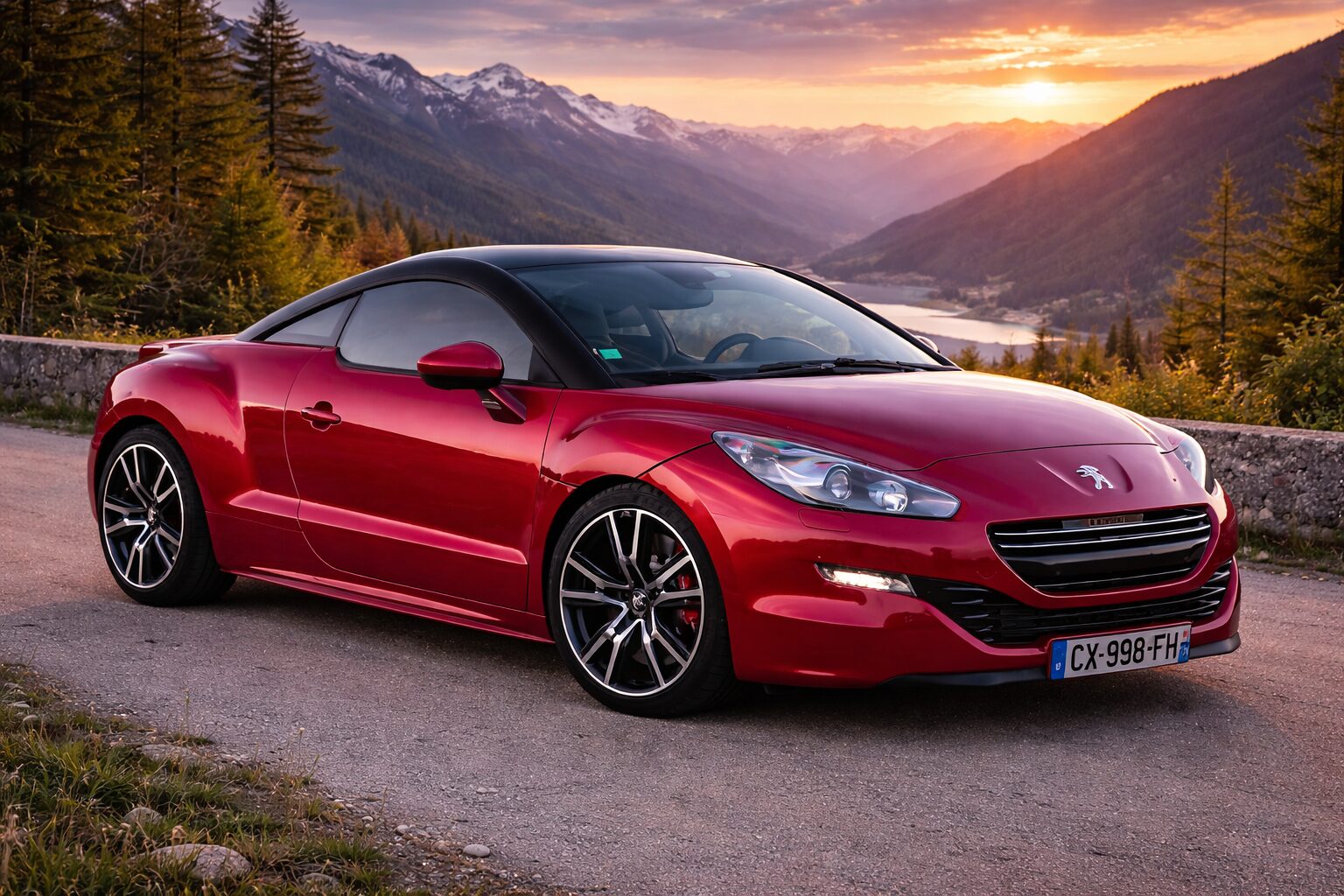
Peugeot RCZ: the French sports coupé with a dark side
The Peugeot RCZ is a striking sports coupé that prowled the streets between 2009 and 2015 with its characteristic double-bubble roofline and aggressive styling. This French two-seater offers a unique combination of design and performance at an affordable price, but it also has a list of well-known technical issues that potential buyers should be well aware of. The popular THP engines in particular (Turbo High Pressure, a turbo engine with direct injection) require attention and consistent maintenance to avoid major expenses. Are you looking for an affordable driver’s car with character? Then it’s important to know what to look out for.
What makes the RCZ so special?
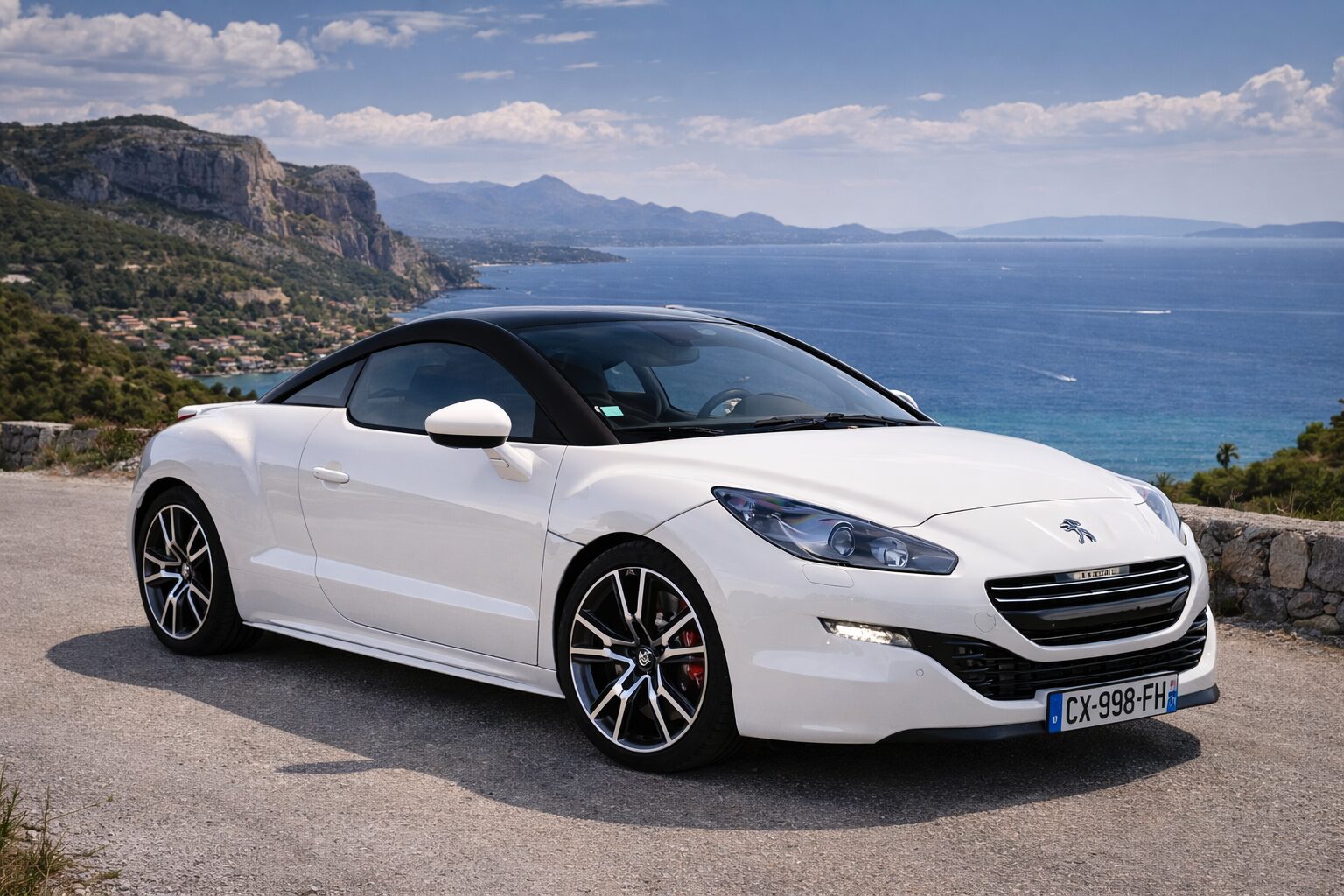
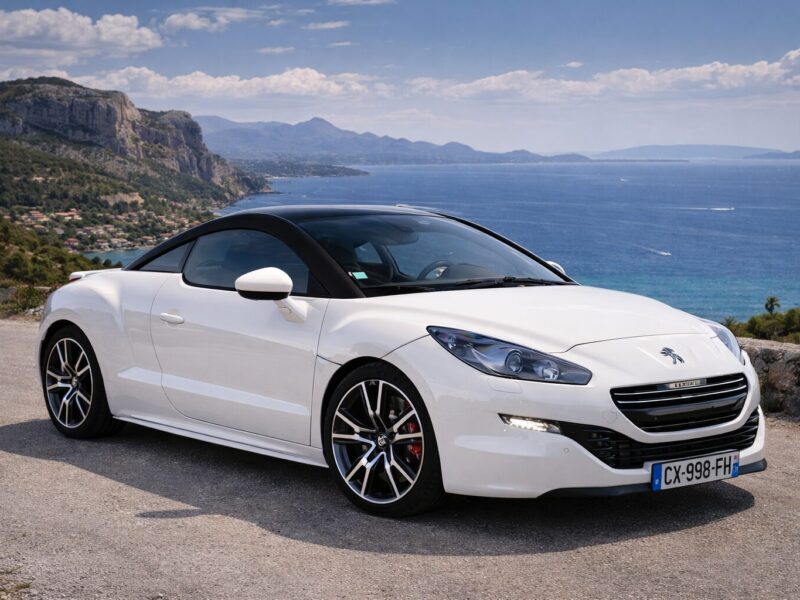
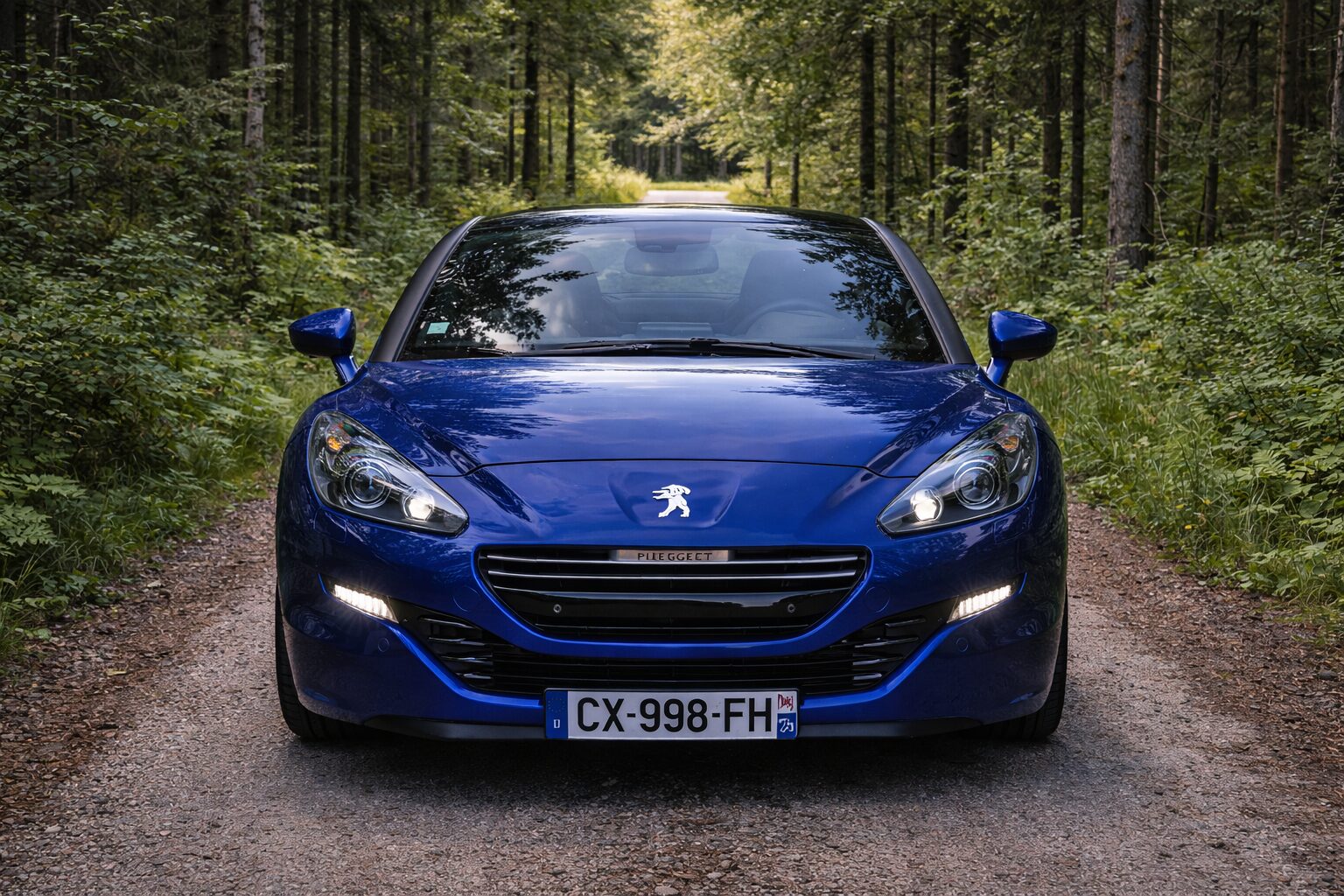
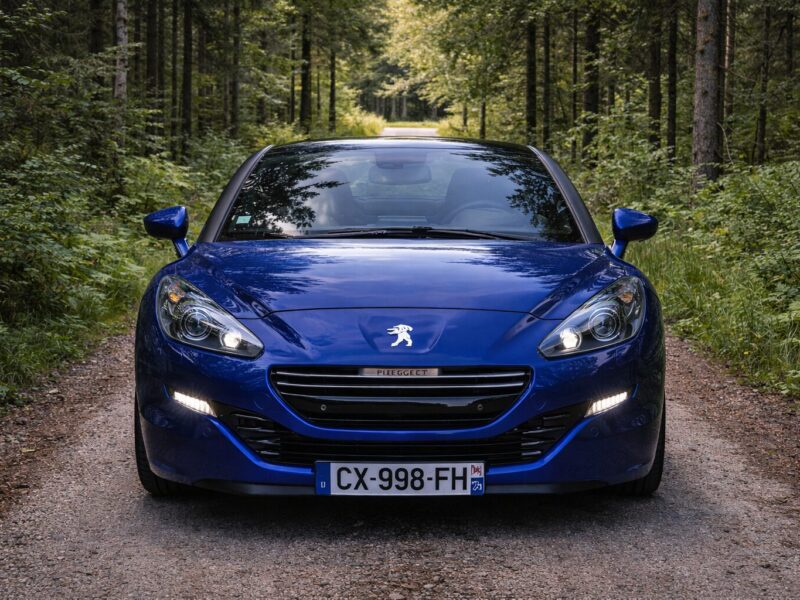
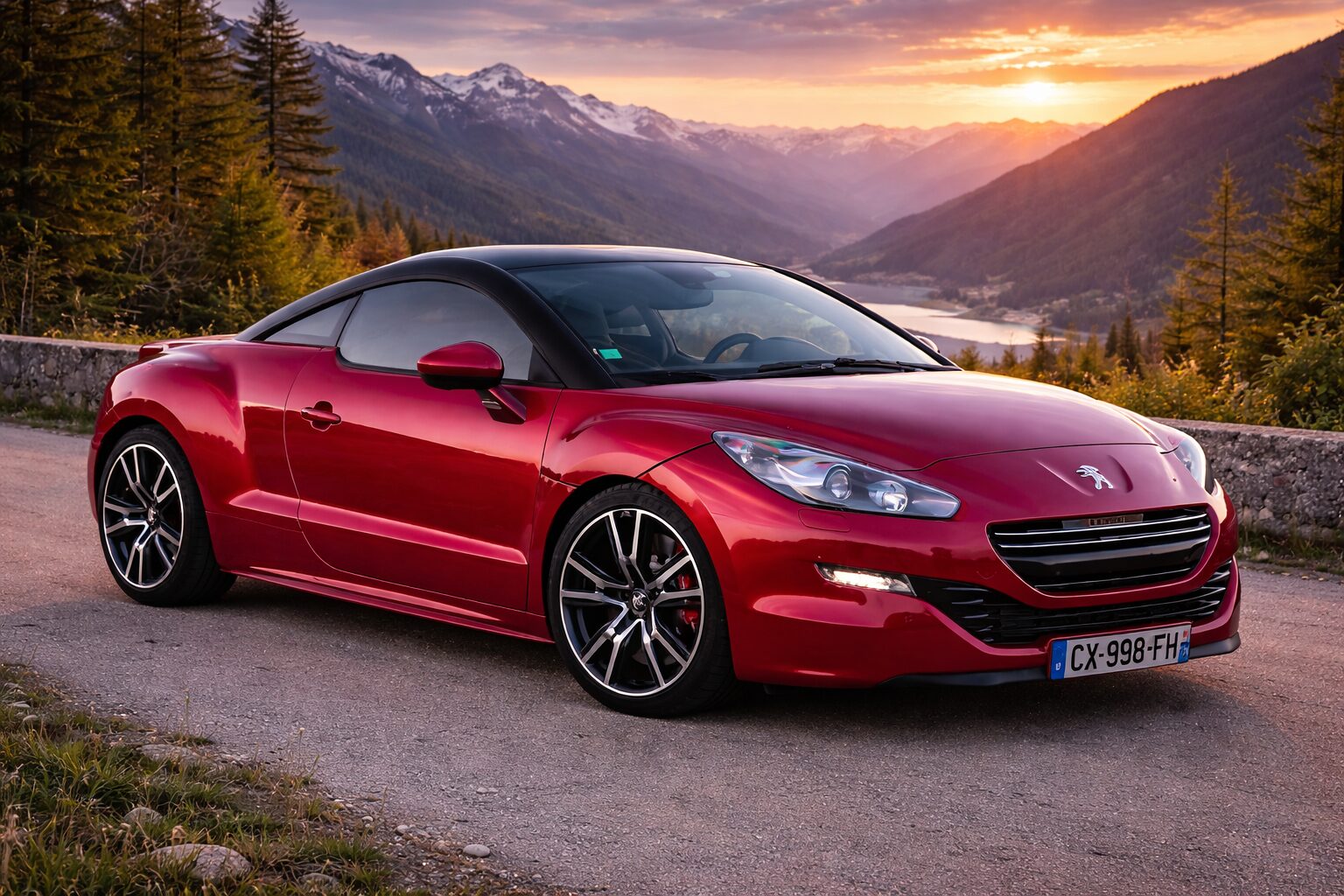
The RCZ immediately stands out thanks to its eye-catching design. The twin bubbles in the roof, the wide haunches and the low stance give the car an aggressive look. That presence still holds up well today. Peugeot built the RCZ at Magna Steyr in Austria, with a total production of around 67,916 units worldwide. In 2013 the car received a facelift with more refined styling and improved performance.
The RCZ’s handling is lively and direct. The compact dimensions and relatively low weight make for an agile car that steers nicely. The steering gives good feedback, and grip is more than decent for a front‑wheel‑drive car. The interior combines sporty elements such as bucket seats and aluminium pedals with a distinctive dashboard and a pop‑up display. The 309‑litre boot is small but usable for a weekend away.
‘ Peugeot car problems are not limited to the RCZ, but occur on various models with this engine range. ’
The engines: power at a price
The RCZ was supplied with several engines, all turbocharged. The most popular choice is the 1.6 THP petrol engine, available in 156, 200 and 270 hp versions. This engine was developed in collaboration with BMW and offers smooth power delivery and punchy performance. The base 156 hp version sprints from 0–100 km/h in 8.3 seconds, while the range‑topping 270 hp RCZ R manages it in just 5.9 seconds.
There was also a 2.0 HDi diesel (High Pressure Diesel Injection, a diesel engine with high‑pressure direct injection) with 163 hp, which was especially popular with buyers who valued fuel economy. This diesel averages 5.2 litres per 100 kilometres. Most examples are paired with a six‑speed manual gearbox. An automatic was available in limited numbers, but it lacks paddle shifters and is considered less engaging by enthusiasts.
The THP engine, however, has something of a reputation when it comes to reliability. Several well‑known issues crop up regularly, especially on cars that have not been serviced consistently or have covered high mileages. Peugeot car problems are not limited to the RCZ, but occur on various models with this engine family.
Common engine problems with the THP
The 1.6 THP engine is the beating heart of most RCZs, but unfortunately it has several known weak points. The most common issue is the timing chain, which can stretch over time. This shows up as a rattling noise when starting, especially when the engine is cold. In severe cases a stretched chain can lead to engine damage.
A second well‑known problem is high oil consumption. Some THP engines use a considerable amount of oil between services. This is due to wear on the piston rings and cylinder walls. Owners regularly report that they have to top up oil every 1,000 to 2,000 kilometres. If this goes unnoticed, it can lead to serious engine damage due to lack of oil.
Carbon build‑up in the intake ports is a third problem, especially on higher‑mileage examples. The direct injection means fuel no longer washes over the valves. As a result, carbon deposits accumulate. This leads to loss of power, rough idling and increased fuel consumption. A professional cleaning can solve this.
The turbo itself can also cause issues, particularly after 80,000 kilometres. Turbo lag, whistling noises or sudden loss of power are signs that the turbo is due for replacement. This is an expensive repair that can cost several thousand euros.
Transmission and clutch: wear and shifting issues
The six‑speed manual gearbox is generally reliable, but it has a few points to watch. The clutch wears faster than average under spirited driving, especially on the more powerful versions. Owners sometimes report a heavy clutch pedal or a slipping clutch when pulling away. Replacing the clutch is a major job that costs from several hundred up to around a thousand euros.
The automatic transmission suffers from different problems. Some cars show jerky gear changes or refuse to shift smoothly. A software update can sometimes help, but in some cases the gearbox needs to be replaced. The automatic is also less involving and sporty than the manual version.
The differential can also cause problems on the RCZ R. This most powerful version has a Torsen differential (a limited‑slip differential that controls the distribution of power between the wheels) that is sensitive to oil starvation and wear during intensive track use. When buying, check whether the differential has been serviced correctly.
‘ Various sensors regularly cause problems. ’
Electronics: sensors and faults
For a car in its class, the RCZ has a relatively complex electronic system. This leads to various electrical issues that owners encounter. The navigation system can freeze or refuse to start up. Sometimes a reset helps, but in other cases the unit has to be replaced.
Various sensors regularly cause problems. The parking sensors can give false alarms or stop working altogether. The lambda sensor (oxygen sensor that measures exhaust gases for optimal combustion) can fail, resulting in increased fuel consumption and a lit engine warning light. The mass air flow sensor (MAF, which measures the amount of intake air) can also cause faults, leading to poor idling and loss of power.
The air conditioning sometimes stops working due to a faulty compressor or a leak in the system. Topping up the refrigerant offers only temporary relief and does not solve the underlying problem. The heated seats can also fail due to a defective heating element.
Chassis and suspension: comfort under pressure
The RCZ’s chassis has a sporty set‑up, which gives pleasant handling but also leads to faster wear of components. The front wishbones and bushes wear over time, especially with aggressive driving and poor road surfaces. This shows up as knocking noises over bumps and reduced stability in corners.
The shock absorbers may need replacing after 60,000 to 80,000 kilometres, depending on use. Leaking dampers result in reduced comfort and longer braking distances. The RCZ R has an even stiffer suspension that wears out quicker if used daily.
The steering system also has its issues. Some owners report a rattling noise from the steering column or play in the steering. This is due to wear on the track rod ends or the steering rack. Have this checked immediately, as play in the steering is dangerous.
Interior and exterior: wear and weak spots
The RCZ’s interior is generally well finished, but it does have some points to watch. The seat upholstery wears on higher‑mileage cars, especially on the side bolster of the driver’s seat. Leather upholstery holds up better than cloth, but leather can also crack or discolour.
Rattling noises from the dashboard are a common complaint. These are caused by loose clips or poor fitment of the panels. A visit to the dealer can help, but some rattles return. The centre console can also creak with temperature changes.
On the outside, rust is a known problem. The doors and wheel arches are prone to corrosion, especially on cars used in areas where road salt is common. When buying, carefully inspect the bottom edges of the doors and the lips of the wheel arches. The exhaust can also rust early due to its sporty design.
The paintwork is relatively thin and prone to stone chips. The front end and bonnet often show damage after a few years. Paint protection film or regular polishing and waxing can help reduce this.
‘ An RCZ that hasn’t been serviced according to schedule is at a much higher risk of engine problems. ’
Buyer’s checklist: what should you look out for?
Thinking of buying a used RCZ? Then pay attention to the following points to avoid disappointment:
- Check the service history carefully. An RCZ that hasn’t been serviced according to schedule is at a much higher risk of engine problems.
- Listen for rattling noises from the engine on a cold start. This points to a stretched timing chain.
- Check the oil level and ask about oil consumption. High usage is a red flag.
- Test all electronics, including navigation, sensors and air conditioning. Faults are expensive to fix.
- Inspect the doors and wheel arches for rust, especially along the lower edges.
- Ask whether the turbo and clutch have been replaced recently. Both are costly components.
- Test the suspension for knocking noises and play in the steering.
- Ideally choose a car with a manual gearbox for maximum driving enjoyment.
- Watch out for track use on the RCZ R. These cars are often driven harder.
Maintenance tips: prevention is better than cure
Proper maintenance significantly extends the life of your RCZ and prevents expensive repairs. Follow these tips to keep your car in top condition:
- Change the engine oil every 10,000 kilometres or annually, whichever comes first. Use high‑quality synthetic oil that meets Peugeot’s specifications.
- Check the oil level every month and top up if necessary. Never drive the engine with too little oil.
- Have the timing chain replaced after 100,000 kilometres or at the first signs of wear.
- Have the intake ports professionally cleaned every 60,000 kilometres to remove carbon build‑up.
- Check the turbo regularly for leaks and unusual noises.
- Replace the clutch at the first signs of slipping, especially if you drive in a sporty manner.
- Have the shock absorbers checked after 60,000 kilometres and replace them if needed.
- Treat the underside of the car annually with a hohlraumversiegelung (a protective coating sprayed into cavities and hollow sections of the body to prevent rust).
- Wash and wax the paintwork regularly to reduce stone chips and rust.
- Let the engine warm up before revving it hard and allow it to cool down after spirited driving.
The RCZ as an enthusiast’s car: is it worth it?
The Peugeot RCZ remains an attractive sports coupé for enthusiasts who want a striking car at an affordable price. The design is timeless, the handling is lively and the performance is more than respectable. The RCZ offers character and exclusivity that you won’t find with mainstream alternatives.
At the same time, the car demands a realistic mindset. The THP engines are prone to problems if neglected, and maintenance must be carried out consistently according to schedule. The electronics and chassis also require attention. For buyers who are prepared to accept this and invest in proper maintenance, the RCZ can be a valuable addition to the garage.
Ideally choose a well‑maintained example with a complete history. It’s better to pay a bit more for a clean car than to buy a cheap example with an unclear past. The RCZ R is the most special version, but also the most expensive to run and often heavily used. For daily driving, the 200 hp version is a good compromise between performance and usability.
With the right preparation and care, the Peugeot RCZ offers years of driving pleasure in a unique sports car that stands out from the crowd.