Renault Captur: common faults and things to watch out for
The Renault Captur is known as a practical compact crossover, but there is certainly no shortage of reports of technical problems. Both owners and potential buyers report specific points of attention around the engines, gearbox and electronics. If you are considering buying a Captur, or you already drive this French crossover, it is sensible to know the most frequently reported faults. That way you can better estimate possible maintenance costs and avoid unpleasant surprises.
Known problems with the Renault Captur
The Renault Captur has been on sale since 2013. Over the years, several generations and engine variants have been introduced. With some examples the same problems occur regularly. These are often issues with the TCe engines, the automatic EDC gearbox and electronic components. The suspension and interior quality also sometimes need attention. These patterns give you an idea of what you can expect or what you should look out for. The Renault brand in general struggles with specific technical ailments, which you can read more about in the general overview of problems with Renault models.
‘ High mileage makes this problem worse. ’
Engine problems: pay attention to the TCe engines
The 1.2 TCe and 0.9 TCe petrol engines sometimes show problems with the timing chain or the timing system. Some owners report rattling when starting or issues with loss of power. This points to wear on the timing chain or tensioners, especially with older examples. High mileage makes this problem worse. Have the chain checked periodically and follow the maintenance instructions carefully. In case of turbo problems you may notice less power or black smoke from the exhaust.
With the newer E-Tech hybrid, the 1.8-litre petrol engine can develop faults with the start/stop function or irregularities in its cooperation with the electric motor. Sometimes there are problems when starting from cold. Make sure the battery is in good condition and the software is up to date. Software updates regularly solve this.
- Check the condition of the timing chain on TCe engines at every service.
- Listen out for rattling when starting or any strange noises under the bonnet.
- For the hybrid, have the software updated regularly by the dealer.
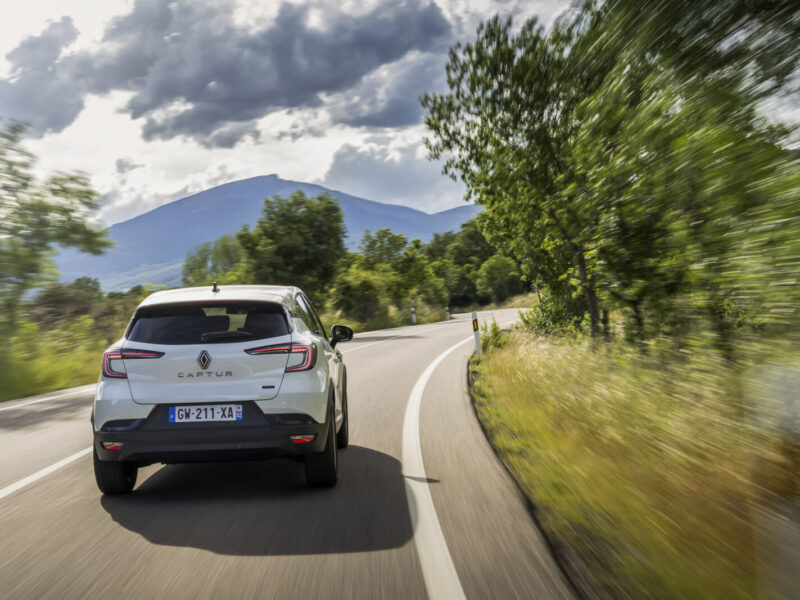
Gearbox: potential problems with the EDC
Renault fits the EDC gearbox in many modern models, including the Captur. Owners sometimes report jerky gearchanges, vibrations at low speeds or hesitation when pulling away. This automatic dual-clutch gearbox is sensitive to wear in heavy stop-start traffic. Faulty or incomplete software updates can also cause problems. In more serious cases, the gearbox can log fault codes and go into limp-home mode.
The manual versions cause significantly fewer issues, but some Captur owners report a heavy clutch or stiff gearchange. This can indicate wear of the clutch cylinder or cable.
- Have the EDC gearbox checked if gearchanges become irregular.
- Avoid prolonged pulling away with the clutch half engaged in the manual version.
- Make sure the transmission oil is replaced according to the maintenance schedule.
Electrical faults and infotainment
The Captur is packed with electronic systems. Some owners report misbehaving sensors, for example parking sensors that throw up errors. A reversing camera may show a black image. The Easy Link touchscreen can also freeze, fail to respond or restart repeatedly. That is annoying when navigating or operating the climate control.
There are also faults with the central locking, the trip computer or the tyre pressure monitoring system (TPMS, the system that monitors tyre pressure). On some diesel Capturs, error messages about the AdBlue tank appear, leading to reduced engine power. A visit to a dealer or specialist can shed light on the fault codes.
- If you have problems with the touchscreen, check whether software updates are available.
- Have sensors checked regularly, especially in preparation for the MOT.
- Test central locking and lights after any repairs to the electrical system.
‘ Replace brake pads before they reach bare metal to avoid more expensive damage. ’
Suspension, steering and brakes
The Captur’s suspension is robust. Some owners, however, report rattles or clicking noises from the suspension. This points to worn bushes, wheel bearings or shock absorbers. At higher mileages, the wheel suspension can develop play. The steering system regularly produces creaks or knocks. This is usually caused by a worn track rod end or driveshaft.
Problems with the brakes are less common, although some owners hear squealing or notice reduced braking power. Contaminated brake discs or worn brake pads can cause this. Stay alert for abnormal noises when braking and have pads and discs replaced in good time.
- Have the suspension checked if you hear knocking or rattling while driving.
- Replace brake pads before they reach bare metal to avoid more expensive damage.
- Inspect the front axle if you notice uneven tyre wear.
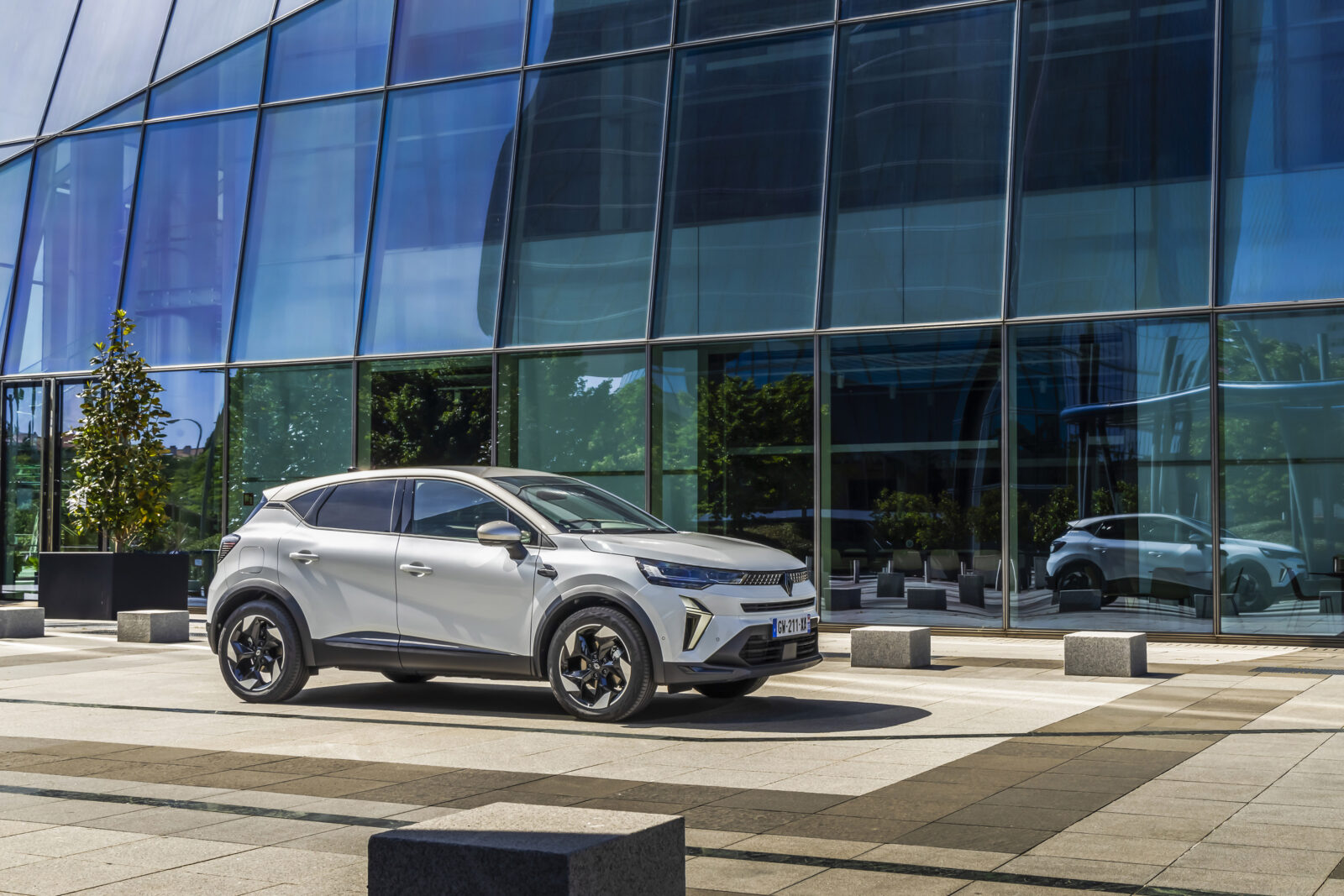
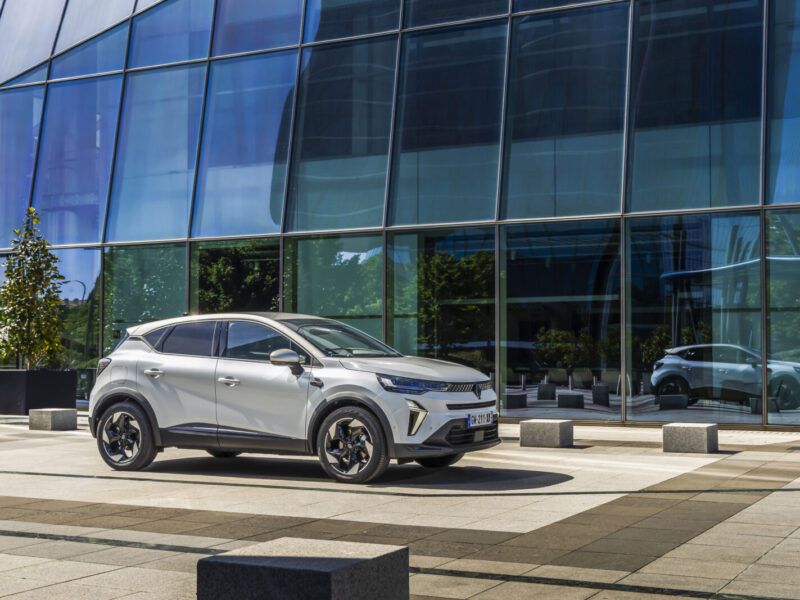
Interior quality and minor annoyances
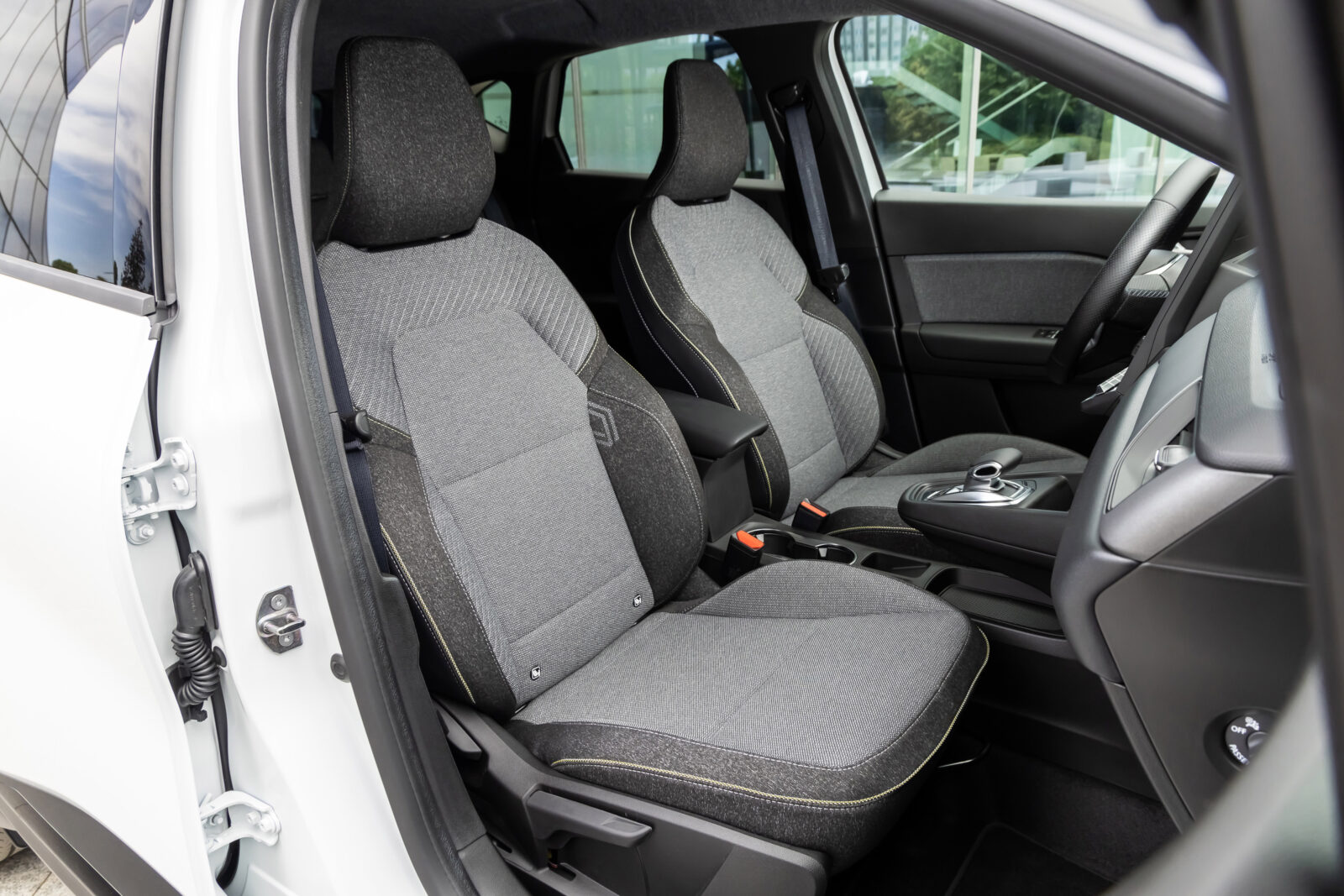
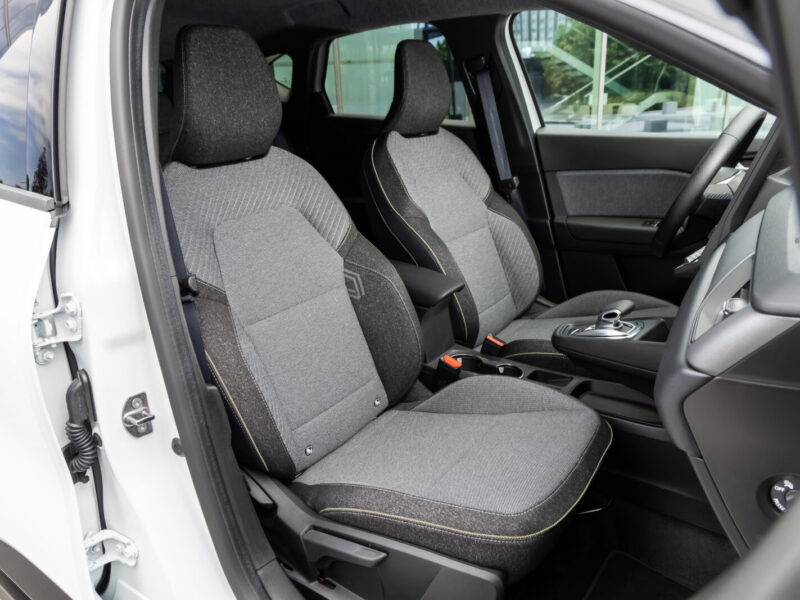
The Captur’s interior is not always praised for its high-quality materials. Owners sometimes report creaks from the dashboard, rattles on poor road surfaces or plastic trim coming loose. Seat upholstery can also wear more quickly than you might expect from a relatively young car. This affects the comfort and overall impression of the car.
The boot is spacious, but in hybrid versions part of the luggage space is lost to the battery pack. This is not a fault, but something to bear in mind if you regularly carry a lot of luggage. Door handles may also operate stiffly or shut with a hollow-sounding clunk.
- When buying, check the condition of the interior and trim.
- Test all functions of the dashboard, air conditioning and seat adjustments.
- Check that plastic parts are firmly attached and do not creak.
Recalls and manufacturer campaigns
Renault has carried out various recalls for different Captur models (recalls by the manufacturer for mandatory repairs). These can involve software issues, airbag problems or faults in the fuel system. It is wise to check via the RDW website or with the dealer whether there are any outstanding recalls for your Captur. Dealers often carry out these repairs free of charge. If you are buying a used example, ask for the VIN number and have the dealer check whether all recalls have been completed.
Some recalls concern smaller modifications, such as a software flash (a software update of the car’s computer) or replacement of a cable. Others can be more drastic, such as replacement of the power steering pump or modifications to the brake circuit. Take these seriously as they directly affect your safety.
‘ Some manuals state “filled for life”, but replacement is still important. ’
Preventive maintenance and practical tips
Regular maintenance prevents many problems. Replace engine oil and filters on time, have the timing belt or chain checked and make sure the battery is in good condition. On hybrid models, it is important that the 12V battery stays healthy, as it powers the entire electrical system. A weak battery leads to electronic faults and problems starting the combustion engine.
Ensure the air filters and spark plugs are clean, especially on the TCe engines. Contamination increases fuel consumption and can cause vibrations or sluggish acceleration. For the EDC gearbox, it is wise to change the gearbox oil according to the schedule. Some manuals state “filled for life”, but replacement is still important.
- Follow Renault’s factory maintenance instructions strictly.
- Drive gently during the first few kilometres after a cold start.
- Check tyre pressures weekly for optimal handling.
- Use good-quality AdBlue in diesel versions.
What to look out for when buying used
If you are considering a used Renault Captur, start by checking the service book. A fully completed history is reassuring. Assess the condition of the gearbox by taking a test drive and going through various gearchanges. Watch out for jerky behaviour or strange noises. Test all electrical systems, from the touchscreen to the parking sensors and lights.
Inspect the engine for leaks, check whether the timing belt has been replaced and look at the condition of tyres and brakes. Ask about any recalls and check that they have been carried out. If in doubt, have an independent expert take a look. That may save you from expensive surprises later.
- Ask for the service book and check the history.
- Test the EDC gearbox thoroughly during a test drive.
- Check the operation of all screens and sensors.
- Have the chassis inspected for rust or damage.
Owner experiences and reliability
The Renault Captur receives mixed reviews from owners. Some praise its practical nature, interior space and the frugal fuel consumption of the hybrid. Others complain about repeated trips to the garage for software fixes, gearbox issues or electronic faults. Reliability seems to depend heavily on model year, engine version and maintenance.
The newer generations appear to be slightly more reliable than the first Capturs from 2013 to 2019. Even so, the EDC gearbox and electronics remain areas of concern. Owners of the hybrid versions report that fuel consumption is reasonable, but that the system’s complexity sometimes leads to faults. If you keep on top of maintenance and stay alert for symptoms, you can enjoy your Captur for a long time. Have problems fixed in good time to prevent more costly damage.