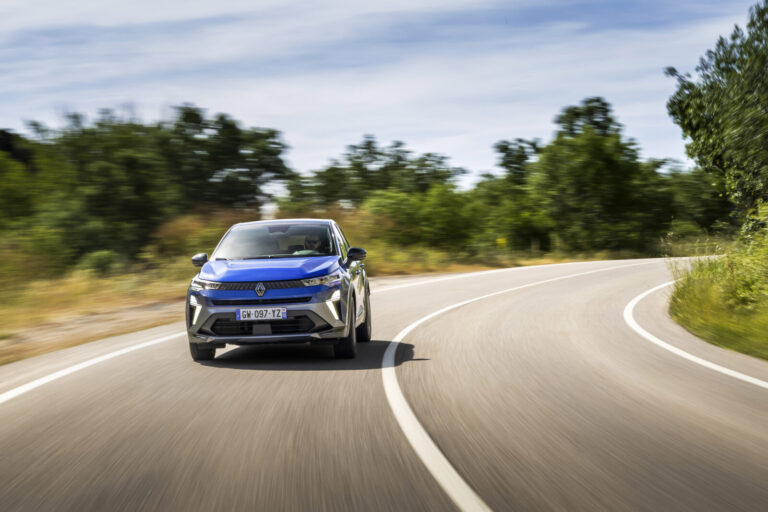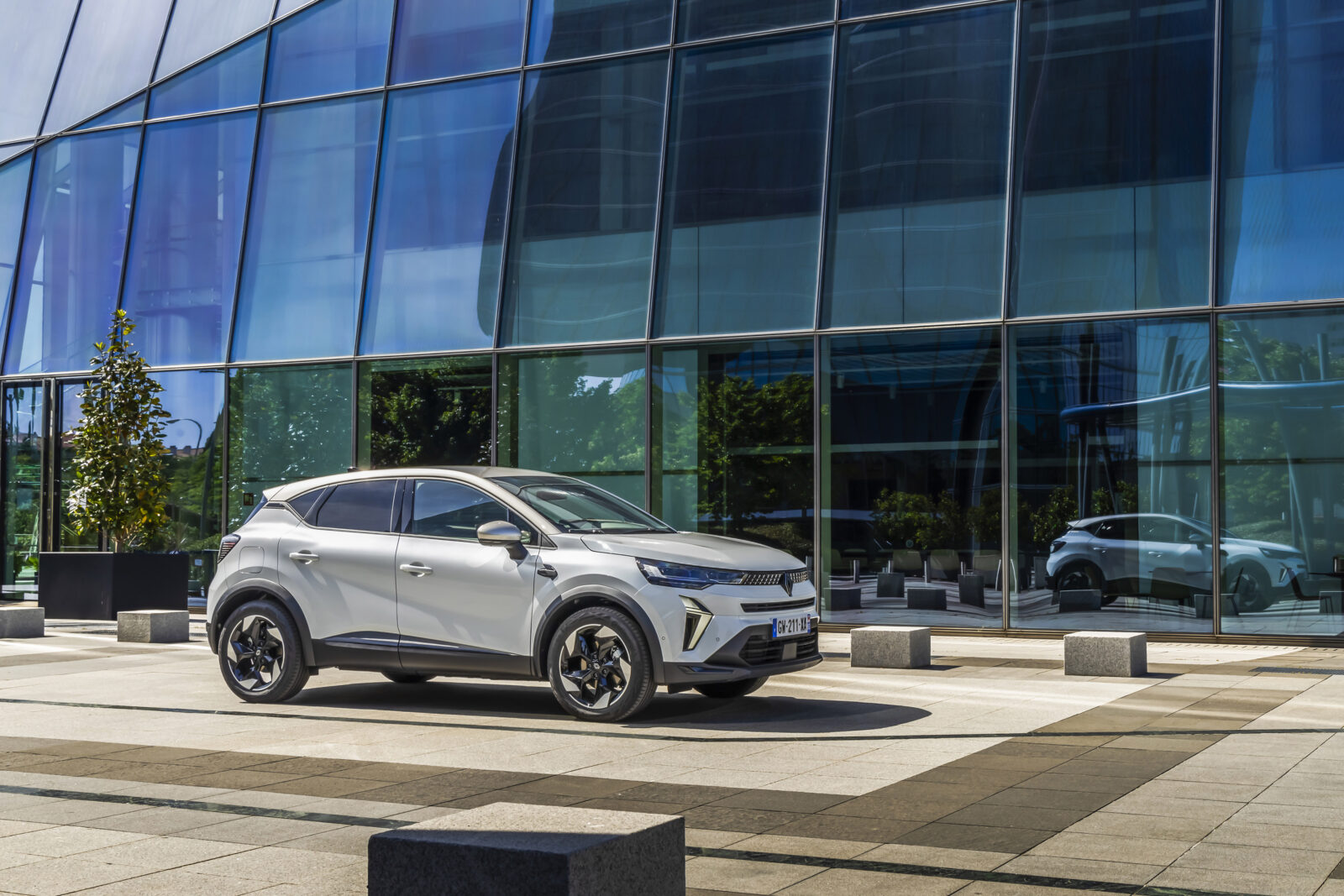
Many Renault Captur owners struggle with faulty parking sensors. The sensors are not working properly. Instead of short warning beeps you hear continuous beeping, making it almost impossible to judge how much space you still have. This safety system then loses its purpose and becomes more of an annoyance. What are the underlying causes? What can you do about it yourself?
Common problem on models from 2017 onwards
Faulty parking sensors are a well-known issue on the Renault Captur, especially on models from 2017 onwards. These models have been produced from that year. The problem usually shows up as continuous beeping as soon as you engage reverse gear. There is then no obstacle anywhere near the car. Some owners also report that the system activates spontaneously while the car is stationary or immediately after starting the engine. These complaints are something Renault Captur owners encounter regularly among the known car problems.
In many cases it is not just one sensor that is faulty. The system as a whole is no longer working reliably. This often points to a problem with the central electronics or the wiring. External factors such as dirt and moisture also regularly play a role.
‘ This is the most common cause of failure and fortunately also the easiest to fix. ’
Why do parking sensors give continuous beeps?
The causes of faulty parking sensors range from simple contamination to more complex electronic faults. Below you will find the most common reasons why your parking sensors are not doing their job properly.
Dirt, mud and ice build-up
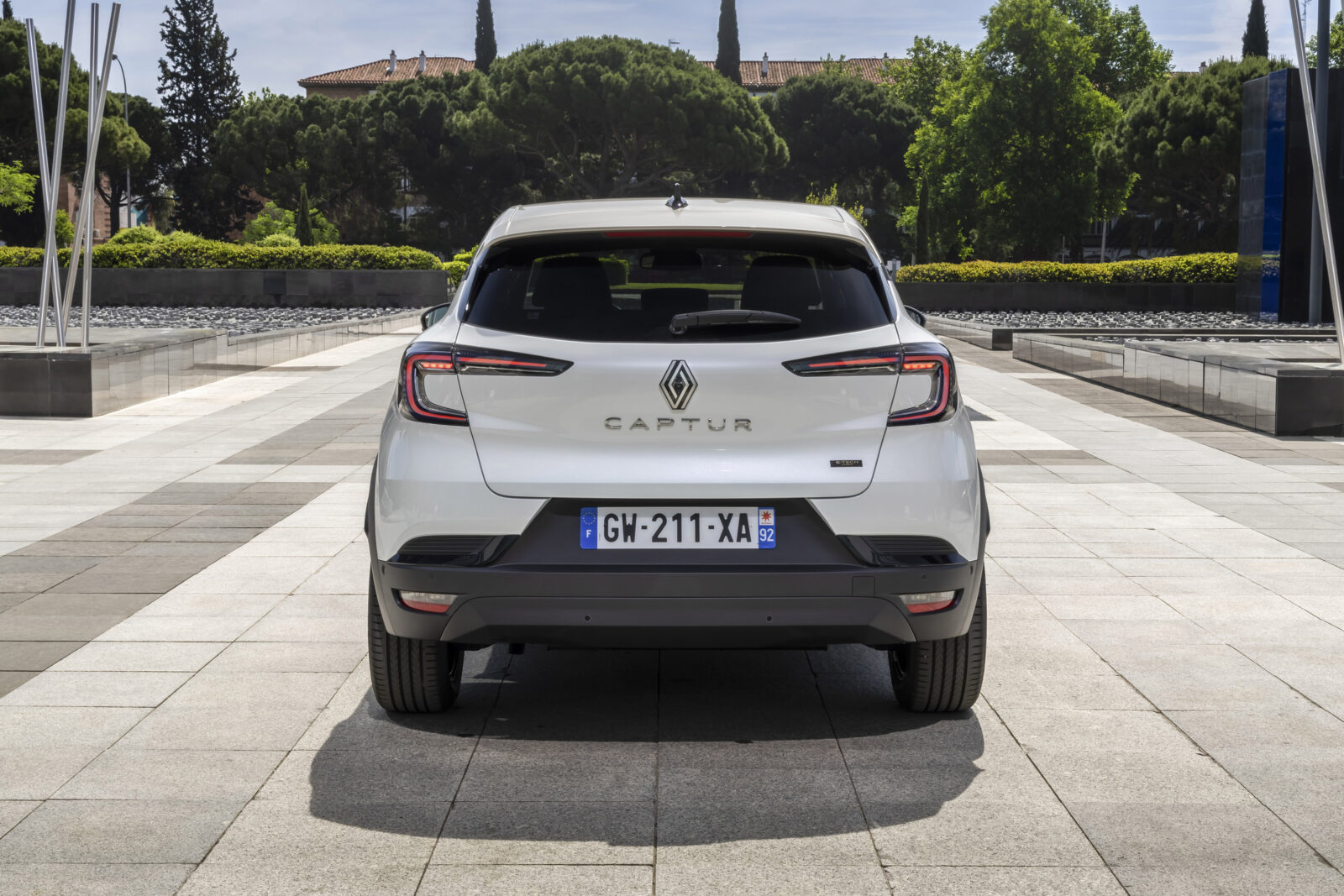
Parking sensors are mounted in the bumper. They are constantly exposed to dirt, mud, snow and ice. This contamination blocks the ultrasonic signals that the sensors emit to detect obstacles. The result is that the system thinks there is an obstacle right behind the car. You then hear a constant warning tone. This is the most common cause of failure and fortunately also the easiest to fix.
Moisture in the sensor housing
Condensation or water penetrates the housing of the sensor. The electronics then react unpredictably. You get false alerts or the system indicates that there is a permanent obstacle present. Moisture-related problems occur mainly after rainy weather or in winter. Temperature differences then promote condensation. Several users report that the problem often disappears spontaneously after a longer drive. The moisture then evaporates.
Electronic faults and loose contacts
On some Capturs the parking sensors, the reversing camera, the climate control and parts of the instrument panel fail simultaneously. This points to a wider electronic problem. Loose connections, blown fuses or poor earth connections in the fuse box regularly cause this. Owners of a 2019 Captur, for example, report that several systems failed at the same time. A reset of the fuses provided temporary relief.
Damage or incorrect installation
Impact damage to the bumper can damage sensors or push them out of position. Sensors that are mounted too low – below 45 to 60 centimetres – may sometimes pick up the road surface as an obstacle. This happens less often, but it is a possible explanation. The problem then occurs suddenly after a minor collision or work on the bumper.
Software or wiring problems
All sensors fail at the same time. In that case, the problem is rarely with the sensors themselves. They do not all fail at once. There is then a fault in the central electronics. A problem in the wiring between the sensors and the control unit is also common. A software update or reset usually solves the problem in that case.
How do you recognise faulty parking sensors?
The symptoms of faulty parking sensors are clearly noticeable. Telltale signs are:
- Continuous beeping as soon as you reverse, even though there are no obstacles
- The system activates spontaneously while stationary or when starting the car
- The warning tone stops and starts again at random while parking
- A fault message about the parking system appears on the dashboard
- Failure of several systems at the same time, such as the camera and climate control
If you recognise one or more of these signals, you are dealing with a fault in the parking system.
What can you do yourself?
First carry out a few steps yourself. In many cases you will solve the problem this way. You will also get a better idea of the cause before you go to the garage.
Clean the sensors thoroughly
Take a soft cloth and lukewarm water. Clean the sensors on the bumper. Remove all mud, snow or ice on them. In many cases this solves the problem immediately. Do not rub too hard. The sensors are sensitive to damage.
Use a water-displacing spray
Spray WD-40 or a similar product into the sensor openings. This displaces moisture. Allow the spray to soak in thoroughly. At low temperatures this takes a bit longer. Then test whether the system works again. Many users report that this works in 99 per cent of cases. Replacement is then not necessary.
Reset the fuses
Remove the relevant fuses in the car and under the bonnet. Then refit them. This often temporarily resets the system. Check for discolouration or signs of melting around the contacts. This points to a more serious electrical problem.
Switch the system off in an emergency
You need a quick solution. The system keeps beeping annoyingly. Switch the parking sensors off using the dashboard button with the sensor icon. On many Capturs you will also find this function in the infotainment system. Go to ‘Settings’ and then to ‘Parking aids’. If you attach a trailer, the system will switch off automatically.
‘ For complex electronic issues, contact the dealer or a specialist garage. ’
What are the repair costs?
The cost of repairing or replacing parking sensors varies widely. The cause plays a role. It also makes a difference whether you do it yourself or go to a garage.
- A single sensor costs between €50 and €150, including painting in the correct bumper colour
- Repairing wiring costs between €50 and €200
- A software reset at the dealer usually costs between €50 and €100
- Extensive diagnosis and repair of the central electronics can run to several hundred euros
Preferably use genuine parts. They last longer and are more reliable. If you are handy, you can replace sensors yourself. For complex electronic issues, contact the dealer or a specialist garage.
When should you go to the garage?
Cleaning, displacing moisture and resetting fuses bring no improvement. Professional diagnosis is then necessary. Have the car read out. This will detect deeper electronic faults. Several systems fail at the same time, or the problem keeps coming back. In that case, go to the garage.
The dealer has access to Renault-specific diagnostic software. The dealer can read the correct fault codes. Also check the earth connections. Loose earth points often cause peculiar electrical faults. These faults are difficult to trace.
Prevention is better than repair
Regular maintenance prevents minor issues that would otherwise develop into major faults. Clean your parking sensors weekly in bad weather. Park carefully to avoid impact damage. When you wash the car, do not spray directly onto the sensors with a pressure washer. This forces moisture inside.
Regularly check which software updates are available for your Captur. Renault occasionally releases updates that fix known faults in the parking system.
Experiences of other owners
Various Captur owners share their experiences with faulty parking sensors online. Sensors and camera failed together with the climate control and dashboard. That is a frequently heard story. After checking the fuses, the system recovered, but the problem returned later. Go to the dealer for a thorough diagnosis. Also check the earth points.
Another owner of a 2017 Captur reported that the sensors activated spontaneously while stationary. The problem disappeared after a longer drive. This points to a moisture-related fault. The fault solves itself thanks to heat build-up. Many sensor problems are not the result of broken components. External factors cause the fault.
On the Carnews website you will find much more information about common problems with the Renault Captur and other models. Discover practical tips, experiences from other owners and handy solutions for all kinds of car problems.
Frequently asked questions
The most common causes are dirt or ice on the sensors, moisture in the sensors, damage from a knock to the bumper and faults in wiring or fuses. You can check this yourself by first thoroughly cleaning and drying the sensors, then testing whether the problem disappears immediately. Next, check whether all sensors or just one position is causing problems (by slowly reversing alongside a wall and listening to whether one sensor stays “silent” or keeps beeping continuously). If everything keeps failing or all sensors continue to behave oddly, check the relevant fuses and, if in doubt, have the electronics read out.
You can first try cleaning the parking sensors yourself (removing dirt and ice) and displacing moisture with a spray such as WD-40; this solves the majority of problems. If all sensors continue to show faults or fail at the same time, there is a high chance of an electronic or wiring issue. In that case, professional diagnosis at a garage or dealer is recommended. Replacing a single, clearly defective sensor yourself is possible, but you do need the correct parts and some basic knowledge.
The replacement costs for parking sensors on a Renault Captur are usually around €50–150 per sensor including painting in the bumper colour. Additional costs can arise from any wiring repairs required (€50–200) and a possible software reset or diagnosis (€50–100). The final price depends on the number of sensors that need replacing, whether you use genuine Renault parts, and the labour time charged by the garage or dealer. Additional electronic issues or damage to the bumper can also increase costs.
Yes, keep the sensors and bumper clean on a weekly basis, especially in muddy conditions, snow and road salt, to prevent false alerts. In case of moisture problems, occasionally spray some contact spray or WD-40 around the sensors to displace condensation and water. Periodically check the fuses and cables for oxidation or signs of moisture, especially after winter. Avoid parking damage to the bumper and have the system read out at the garage in good time if you notice electronic faults.
First carefully clean all parking sensors with a soft cloth and lukewarm water to remove dirt, mud or ice. Then, if necessary, spray a little WD-40 or a similar product around the sensors to displace moisture and test again after some time. Check the relevant fuses in the fuse box (in the interior and engine bay), briefly remove them and refit them to reset the system. If it still does not work, have the parking system and wiring read out at a Renault dealer or specialist garage.