Renault Clio: the complete overview of reliability, problems and maintenance
The Renault Clio is one of the most popular compact hatchbacks in Europe and offers an attractive mix of efficiency, technology and everyday usability. With millions of examples on the road, this model has proven itself as an accessible choice for city drivers and families. At the same time, it has recurring problems that owners really need to be aware of. Do you want to know what you should look out for with this French bestseller?
The Renault Clio through the years
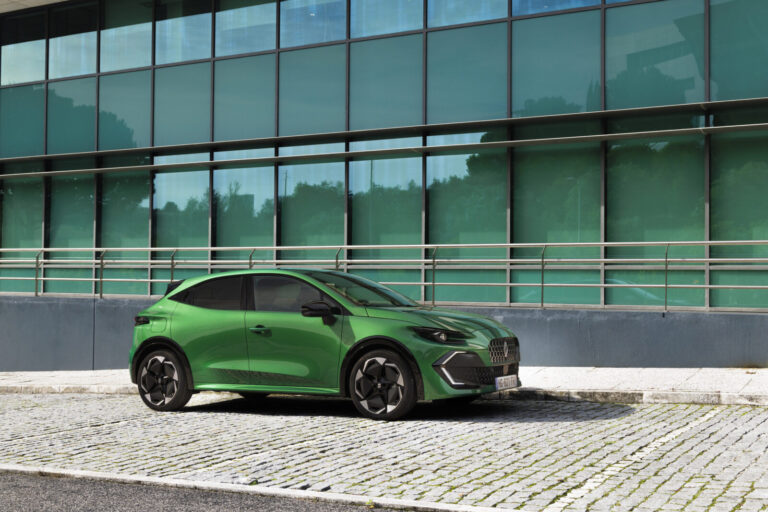
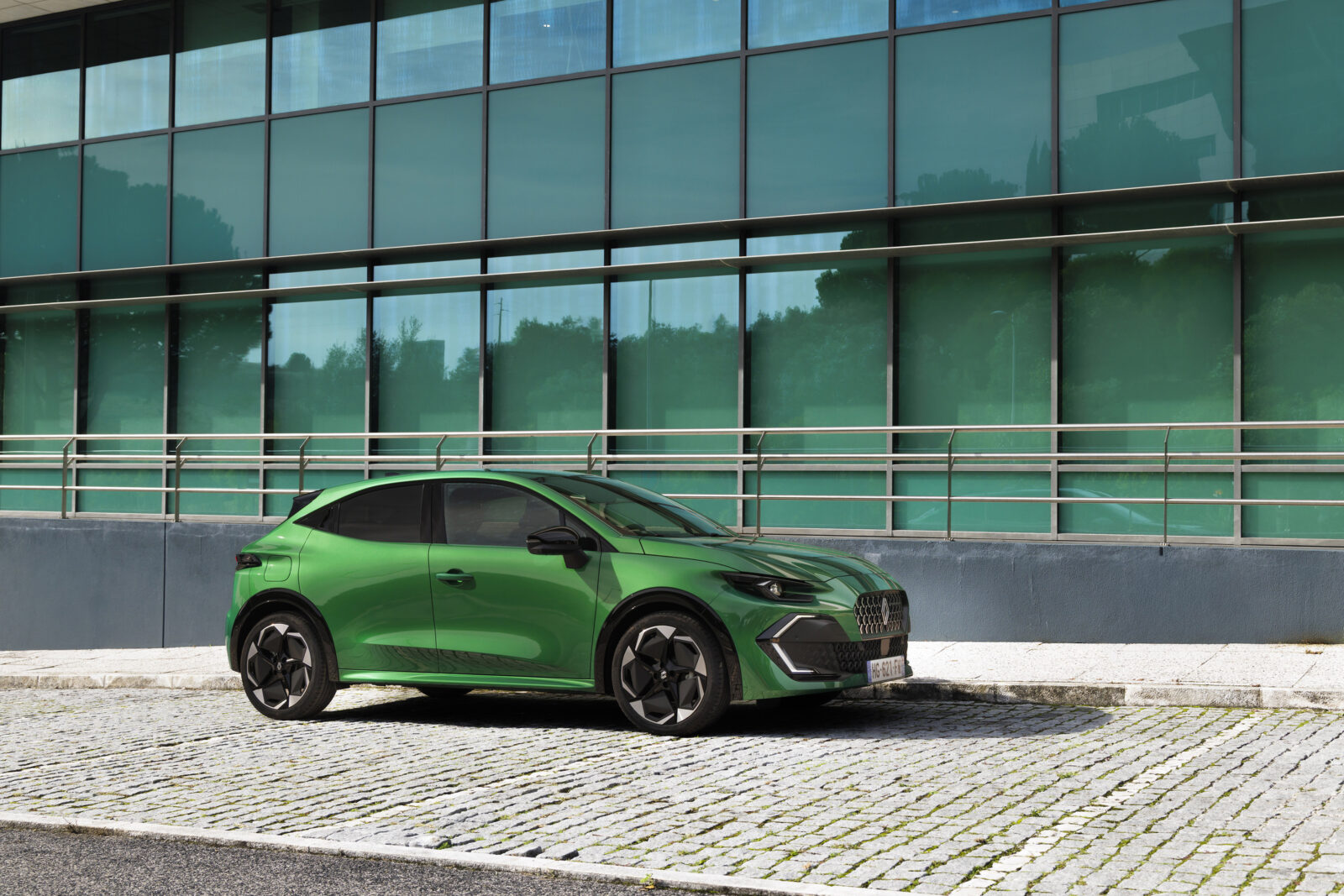
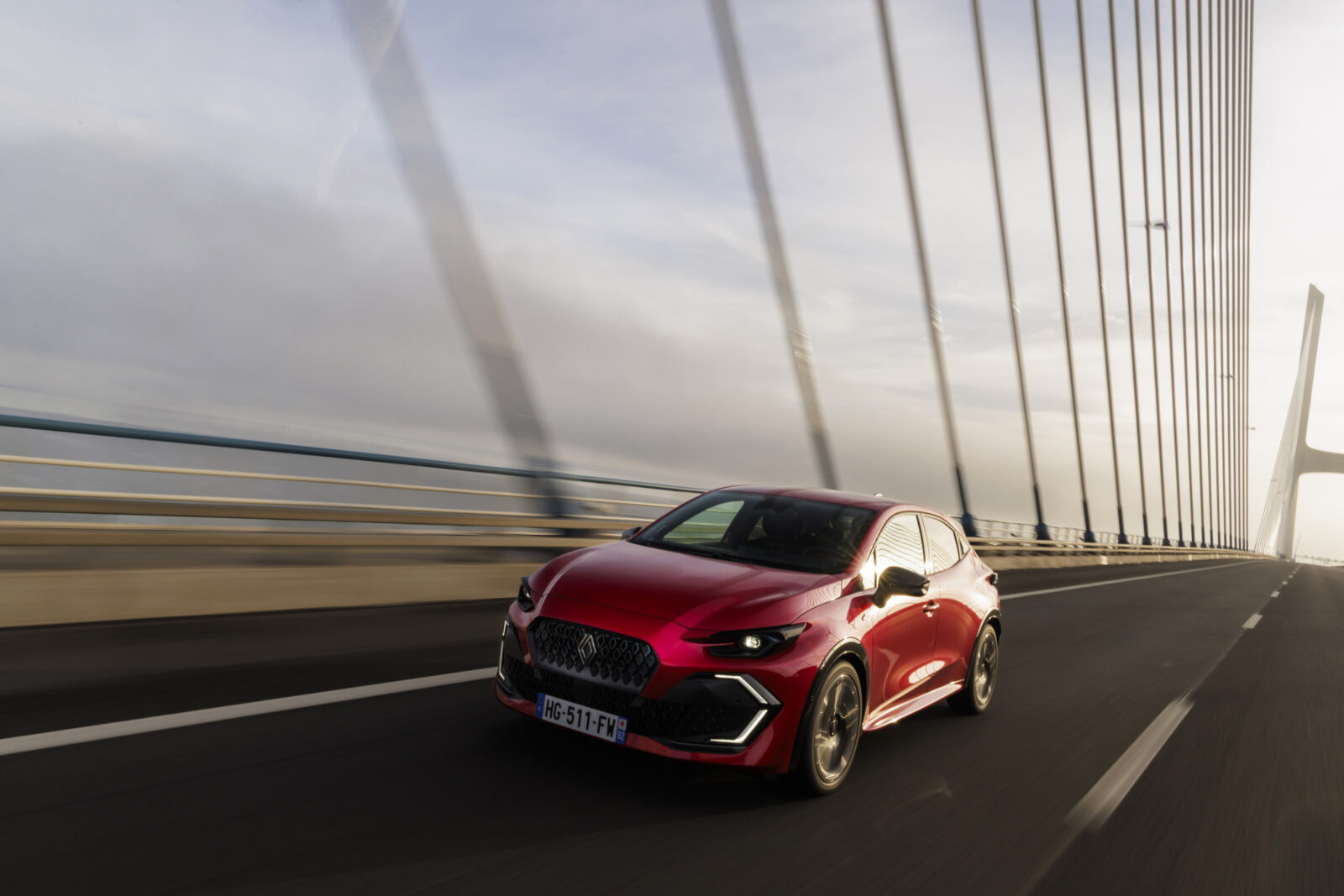
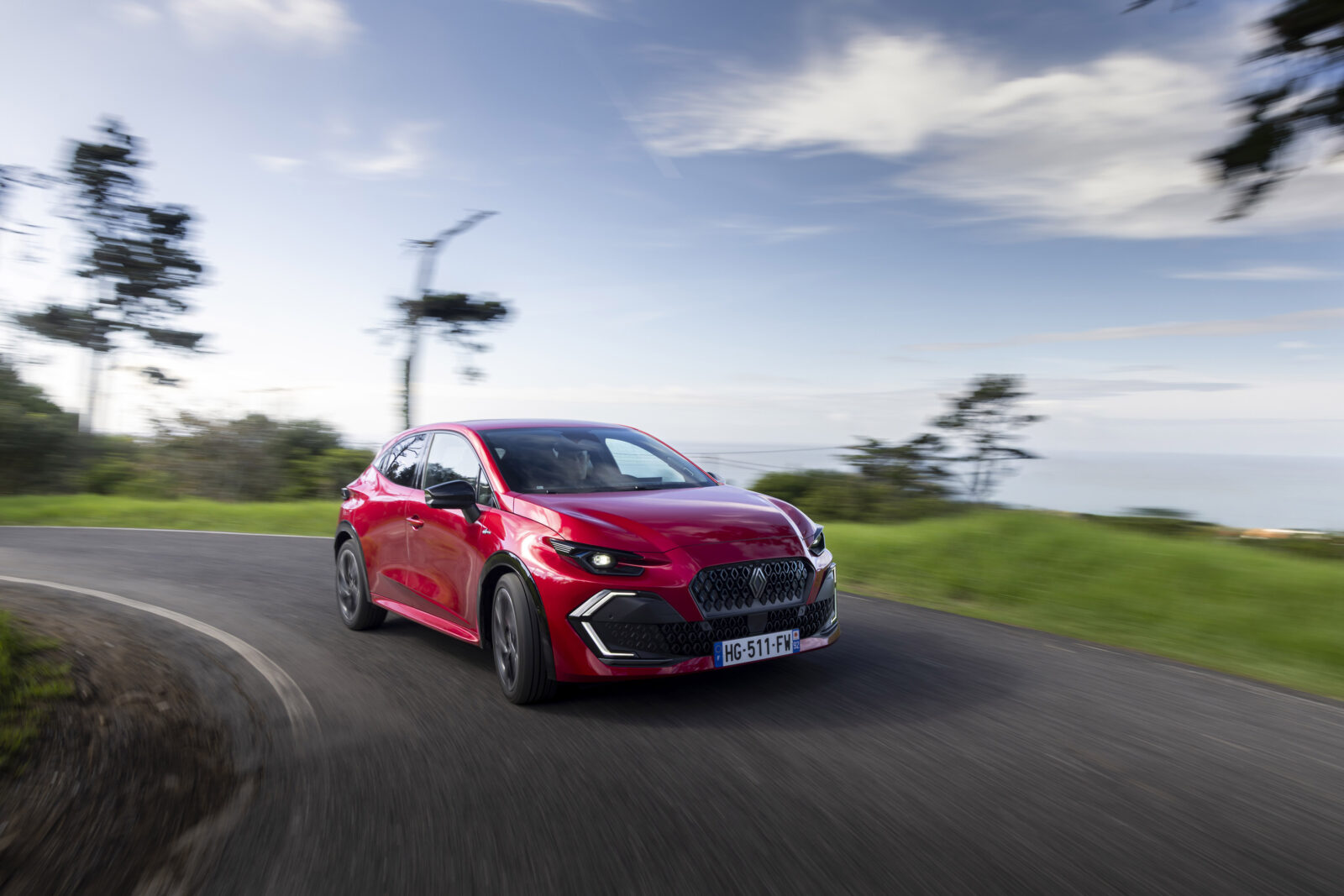
The Clio appeared in 1990 as the successor to the Renault 5 and grew into a sales success. In more than three decades, six generations have been launched, each with its own technical characteristics and design language. The first generation offered compact dimensions and affordable mobility. Generations two and three reinforced its reputation as a practical family car. Generation four introduced more modern safety systems and improved materials. The fifth generation brought extensive connectivity and more efficient engines. The current sixth generation, launched in 2019 and updated in 2026, focuses on hybrid technology and digital cockpits.
Each generation brought improvements, but also specific weak points. Older models suffer more often from rust and electrical faults. Newer examples have more complex electronics, which brings different problems. Your choice of petrol, diesel or hybrid has consequences for maintenance costs and susceptibility to faults.
‘ Even so, the Renault remains prone to specific problems that crop up regularly across all models. ’
Why the Clio is considered reliable
The Clio scores fair to good in reliability tests, especially the more recent generations. Its compact construction makes maintenance straightforward. Many parts are widely available and relatively affordable. Renault’s dealer network is extensive, which makes repairs accessible. The simple petrol and diesel engines in the older generations have proven durable when serviced regularly.
The 2026 hybrid version combines a 1.8-litre four-cylinder with electric assistance. In town this allows up to 80% of journeys to be driven electrically. According to WLTP measurements, this reduces fuel consumption to 3.9 to 4.0 litres per 100 kilometres. The manual and automatic transmissions generally perform well, provided they are properly maintained. Safety features such as emergency brake assist and traffic sign recognition are standard on recent models.
Even so, the Renault remains prone to specific problems that crop up regularly across all models. That’s why it is sensible to do your homework before you buy or own a Clio.
Engine problems you can expect
The Clio suffers from various engine-related problems, depending on generation and engine type. Cooling system failures occur regularly on models from before 2015. This leads to overheating and engine damage. The water pump and thermostat need attention at higher mileages. Oil leaks occur in older petrol and diesel engines, often around the rocker cover gaskets and sump gasket. Oil levels that are too low cause wear to engine components.
Diesel engines suffer from clogged particulate filters, especially if the car mainly does short trips. This leads to reduced performance and higher emissions. On diesel versions, the turbo fails at around 150,000 kilometres. Petrol engines with direct injection have problems with the fuel pump and injectors. The latest hybrid powertrain has few documented problems so far, but its complexity requires specialist maintenance.
The timing belt and chain must be replaced according to the maintenance schedule. If this is neglected, it leads to serious engine damage. Check the service history carefully before buying.
Transmission and clutch: common complaints
The Clio’s manual gearbox is regarded as reliable. The clutch wears early with heavy city use. Complaints about a heavy or slipping clutch tend to appear between 80,000 and 120,000 kilometres. Replacement costs several hundred euros in labour and parts.
Automatic gearboxes, especially the older CVT version, suffer from faults. Jerks when changing gear and delayed responses point to problems. The newer EDC dual-clutch transmission operates more smoothly. This type requires regular fluid changes. The hybrid multimode transmission combines a four-speed gearbox with an electric drive. This technology is still relatively new. It should therefore be serviced by a dealer.
On older models, the gear linkage mechanisms also wear. Notchy shifts or missing gears indicate wear to the gear cables or internal components.
‘ The engine management light comes on due to sensor faults that do not indicate real engine problems. ’
Electronics and sensors that cause problems
Electronic faults occur regularly in the Clio. Fourth- and fifth-generation models have frequent complaints about the multimedia system. The touchscreen freezes or responds slowly. Connectivity with smartphones via Bluetooth or Apple CarPlay/Android Auto is not always stable.
Sensors for parking assistance and lane-keeping assistance give false alarms or fail completely. This triggers warning lights on the dashboard. The air conditioning suffers from faults in the climate sensors, causing poor temperature control. Windows that no longer operate electrically point to defective switch modules or motors.
Dashboard lighting and other interior lighting fail due to loose connections or defective LED modules. Central locking problems are often caused by a flat battery in the key. In other cases a defective lock is to blame. When buying, check all electronic functions thoroughly.
Common warning lights
Owners regularly report non-functioning trip computers. Warning lights come on without reason. The engine management light comes on due to sensor faults that do not indicate real engine problems. Have the fault codes read at a garage. This gives you clarity.


Suspension, steering and brakes
The Clio’s suspension generally has a good reputation. On older models, wear sets in. Rubber components wear after 100,000 kilometres. This applies to steering racks, control arms and anti-roll bars. This causes knocking and rattling over bumps.
Power steering is electric on newer models and electro-hydraulic on older examples. Electric power steering fails due to electronic faults or defective motors. This results in heavy or unresponsive steering.
The brakes generally work well. Discs and pads wear faster with intensive city use. Rear drum brakes on basic models require regular checks. The handbrake seizes due to rust, especially if used infrequently. ABS sensors become dirty. This activates warning lights.
Struts and shock absorbers start to leak over time. This affects comfort and road holding. MOT inspections will reveal such wear.
Interior and bodywork: where wear occurs
The Clio’s interior differs per generation. Older models have simple plastics that scratch and discolour easily. Newer examples offer a better finish. Even so, they also have their issues. Seat upholstery wears quickly, especially along the side bolster of the driver’s seat. Trim panels come loose with intensive use.
Rust patches are found on models from before 2010. Check wheel arches, sills and the underside of the car for rust. Paint damage on bumpers and doors occurs easily due to stone chips and parking scrapes. Chrome trim dulls and peels.
Rubber seals around the doors and tailgate harden and crack after years of use. This leads to damp issues in the cabin and a draughtier driving experience. Condensation forms in the headlights. Leaking seals cause this problem. Wiper blades leave streaks once the rubber has aged.
Boot space on different versions
Boot space varies between 300 litres on hybrid versions and 391 litres on petrol models. With the rear seat folded down, this increases to 1,069 litres. Hybrid models lose some space because the battery is located under the boot floor. Bear this in mind if you often carry a lot of luggage.
‘ Hybrid models have higher maintenance costs. ’
Preventive maintenance: how to keep your Clio in good health
Regular servicing extends the life of your Clio. Follow the service schedule in the owner’s manual. Replace engine oil and filters annually or according to mileage. Diesel engines have different intervals from petrol engines. Hybrid models offer longer intervals for certain components.
Check coolant and brake and clutch fluid regularly. Top up when needed. Watch out for leaks under the car. Replace the timing belt between 80,000 and 120,000 kilometres. Chains need to be replaced less frequently, but still check them for wear.
Make sure brake pads and discs are replaced in good time. Wear indicators warn you when pads are too thin. Balance the wheels and rotate the tyres regularly. This increases their lifespan. Check tyre pressure monthly. Replace the air filter and cabin filter. This improves performance and comfort.
Wash and wax the bodywork regularly. This helps prevent rust. Rinse off salt after winter driving. Lubricate locks and hinges to keep them operating smoothly. Hybrid models have higher maintenance costs. The specialist knowledge required explains this difference.
Buying a used Clio: points to watch out for
When buying a used Clio you should pay attention to several checks. Go through the service history carefully. A complete dealer or garage record indicates careful ownership. Ask which parts have been replaced. Think of the timing belt, clutch and brakes.
Inspect the bodywork for rust, especially around wheel arches and doors. Test all electrical functions. Check windows, lights, central locking, air conditioning and the multimedia system. Take a test drive of at least 20 minutes. Listen for unusual noises and vibrations. Also pay attention to gearchange issues. Check whether the engine starts from cold without producing smoke.
Ask for a recent MOT test certificate and look at the findings. Multiple defects point to neglect. Have the engine fault memory read at a garage. This reveals hidden errors. Check that all keys and accessories are present. Compare the mileage with the service history. This helps to rule out fraud.
Negotiate on the price if you find problems. Work out repair costs in advance. Hybrid models are more expensive to buy but offer lower fuel costs. Diesels are advantageous for long distances. Petrol is better suited to city use. Choose a generation and engine type that matches your driving pattern and budget.
What does owning a Clio give you?
The Renault Clio provides a practical solution for everyday use. The car is affordable. It combines efficiency, sufficient space and modern technology. Newer generations offer more comfort and better safety. Older models score lower on these points. The hybrid version delivers low fuel consumption figures and quieter driving in the city.
The Clio has some well-known weak points. Electronic faults, cooling system issues and transmission wear all require attention. Regular maintenance and timely repairs prevent higher costs. The availability of parts and expertise at garages makes repair work accessible.
The Clio is a good fit for anyone looking for a compact car with low running costs. Take the maintenance history and year of manufacture into account when buying. Test thoroughly and, if in doubt, have a professional inspection carried out. With the right choice and proper care, the Clio will provide reliable mobility for years to come.