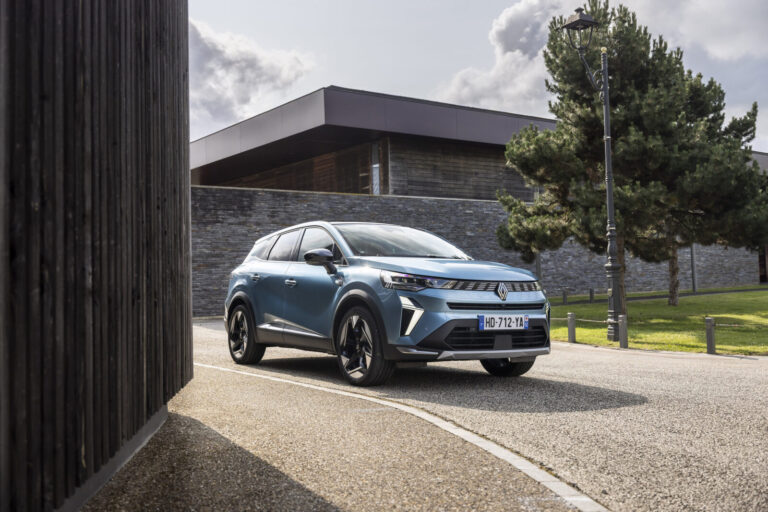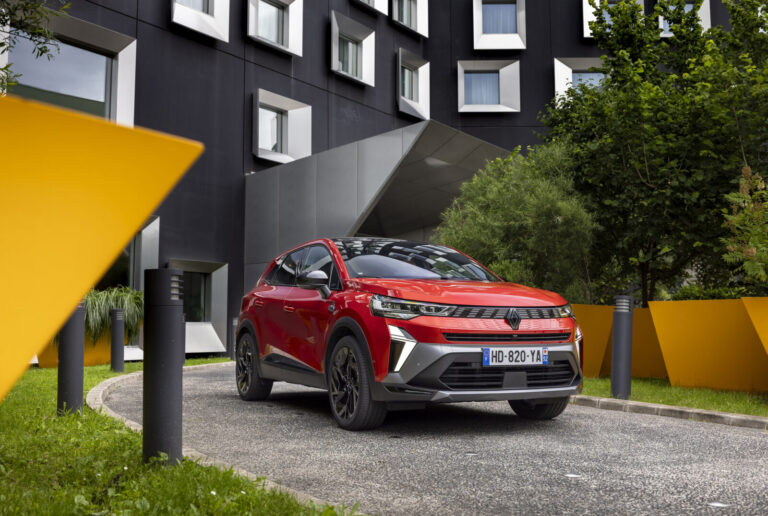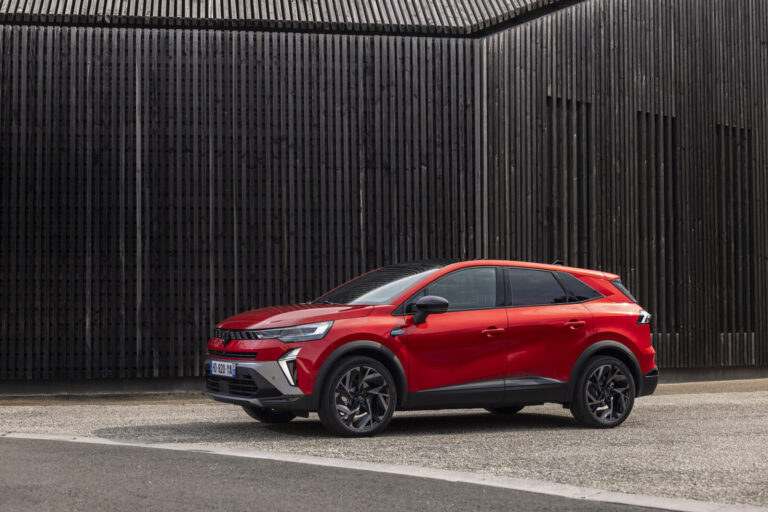
Renault Espace: a reliable family car with known points of attention
Over the years, the Renault Espace has evolved from a compact MPV into a spacious crossover SUV, but as with any car, technical problems are inevitable. From engine issues to misbehaving electronics: this car has specific weaknesses. It’s better to recognise them before they lead to unpleasant consequences. Anyone who knows the common teething troubles can enjoy the comfort and space this Renault offers for many years. Timely maintenance is essential.
Renault has recently equipped the Espace with hybrid technology that improves efficiency and range. But there are still many older generations on the market that come with different technical challenges. Is that attractive-looking, spacious used car really such a good deal? Time to look at what you can expect.
Space and long-distance comfort as trump cards
The Espace stands out for its interior space. With a length of 4.74 metres and a boot capacity of over 2,200 litres, it offers more than most rivals. The second row of seats slides 22 centimetres. That increases knee room to over 32 centimetres. Even with seven seats in use, there is still room for luggage. Families appreciate the flexibility: electrically foldable seats and a modular interior make almost any seating and luggage arrangement possible.
The latest generation comes with an E‑Tech full hybrid powertrain. It combines a 1.2‑litre turbocharged petrol engine with two electric motors and delivers 200 hp. Fuel consumption remains around 4.8 litres per 100 kilometres, good for a range of around 1,100 kilometres without refuelling. The transmission shifts smoothly without interruption. Older versions offer diesel variants with 160 to 200 hp or TCe petrol engines, but these are heavier and less economical.
‘ Anyone who skimps on services runs a higher risk of expensive repairs. ’
Reliability depends on generation and maintenance
The reputation of the Renault Espace varies between generations. Older models up to around 2012 regularly suffer from problems. These issues mainly concern the engine and electronics. Newer models, especially from the fifth generation onwards, show a more stable picture. The latest hybrid version benefits from improved production techniques, but real long-term data are still limited.
Are you considering buying an Espace? Then it helps to know in advance which common Renault problems occur more often. That allows you to carry out targeted checks before purchase. You can also schedule preventive maintenance. Anyone who skimps on services runs a higher risk of expensive repairs.
Common engine problems across different generations
Older Espace models are known to have issues with the turbo. Several owners report this problem. The turbo pressure controller can become disrupted over time, leading to loss of power. Timing chains also need attention. At high mileages they can stretch. Rattling noises are a symptom of this. Insufficient or overdue oil changes speed up this wear.
Injection problems also occur. This is mainly an issue on diesel models over ten years old. Dirty injectors cause poor starting, uneven running and higher fuel consumption. Have the injectors checked regularly. Have them cleaned in good time. On petrol engines, ignition coils and spark plugs can cause problems if they are not replaced according to the schedule.
The latest hybrid powertrain has fewer known weak points. Ask the dealer about any software updates for the energy management systems. The hybrid battery must remain within the recommended temperature range. Excessive heat or cold can shorten its lifespan.
Specific points of attention per engine type
The 2.0 Blue dCi diesel is prone to soot build-up in the diesel particulate filter. This filter traps soot particles from the exhaust gases. This engine is available with 160 to 200 hp. Regular motorway driving helps to prevent blockages. Do you mainly drive short trips? Then have the filter regenerated preventively once a year. The turbocharger of the TCe 200 petrol engine can wear more quickly. This happens mainly in frequent city driving. Check the oil level regularly: a low level puts extra stress on the turbo and timing chain.
Transmission: manual and automatic under the microscope
The multimode automatic in the hybrid Espace works without traditional gears and shifts smoothly. Owners report few complaints about this technology. Older models with a conventional automatic sometimes show jerky behaviour. This mainly occurs on cold starts. Cold starts are moments when the engine has just been started and has not yet reached operating temperature. This often points to aged transmission fluid. Replace it according to the service schedule, not later.
Manual versions can suffer from a worn clutch. This is especially common on cars with more than 150,000 kilometres on the clock. Symptoms are clutch slip when accelerating, a dragging clutch or a heavy pedal. Have the clutch checked when buying a used Espace. Timely replacement prevents damage to the flywheel and gearbox.
Gear linkage rods and clutch cables wear with intensive use. Intensive use here means: frequent gear changes, lots of stop‑start driving or driving heavily loaded. Check whether gear changes are smooth and without hesitation. Owners of older automatics recommend changing the transmission fluid every 80,000 kilometres, even if the manufacturer does not prescribe this.
‘ Don’t ignore warnings: a simple issue can turn into an expensive repair. ’
Electronics and software: modern challenges
The Espace makes use of complex electronics, especially from the fifth generation onwards. Software problems in the infotainment system are common: the screen freezes, audio connections drop out or the navigation responds slowly. Dealers can often install a software update that improves stability. Check at purchase whether the latest version is installed.
Sensors for parking assistance and lane-keeping systems can malfunction after contact with dirt, snow or dust. Keep sensors clean and have defective ones replaced. A faulty sensor can also affect other systems, causing warning lights to come on.
Dashboard warnings without an obvious cause sometimes occur. This can indicate a loose connector. A short circuit is also possible. Have a dealer read out the fault codes. Reading out fault codes means a mechanic uses a diagnostic tool to retrieve fault messages from the car’s memory. Don’t ignore warnings: a simple issue can turn into an expensive repair. Battery problems also occur. This mainly affects cars that are often driven only on short trips. Check the battery voltage and replace the battery if performance is weak.
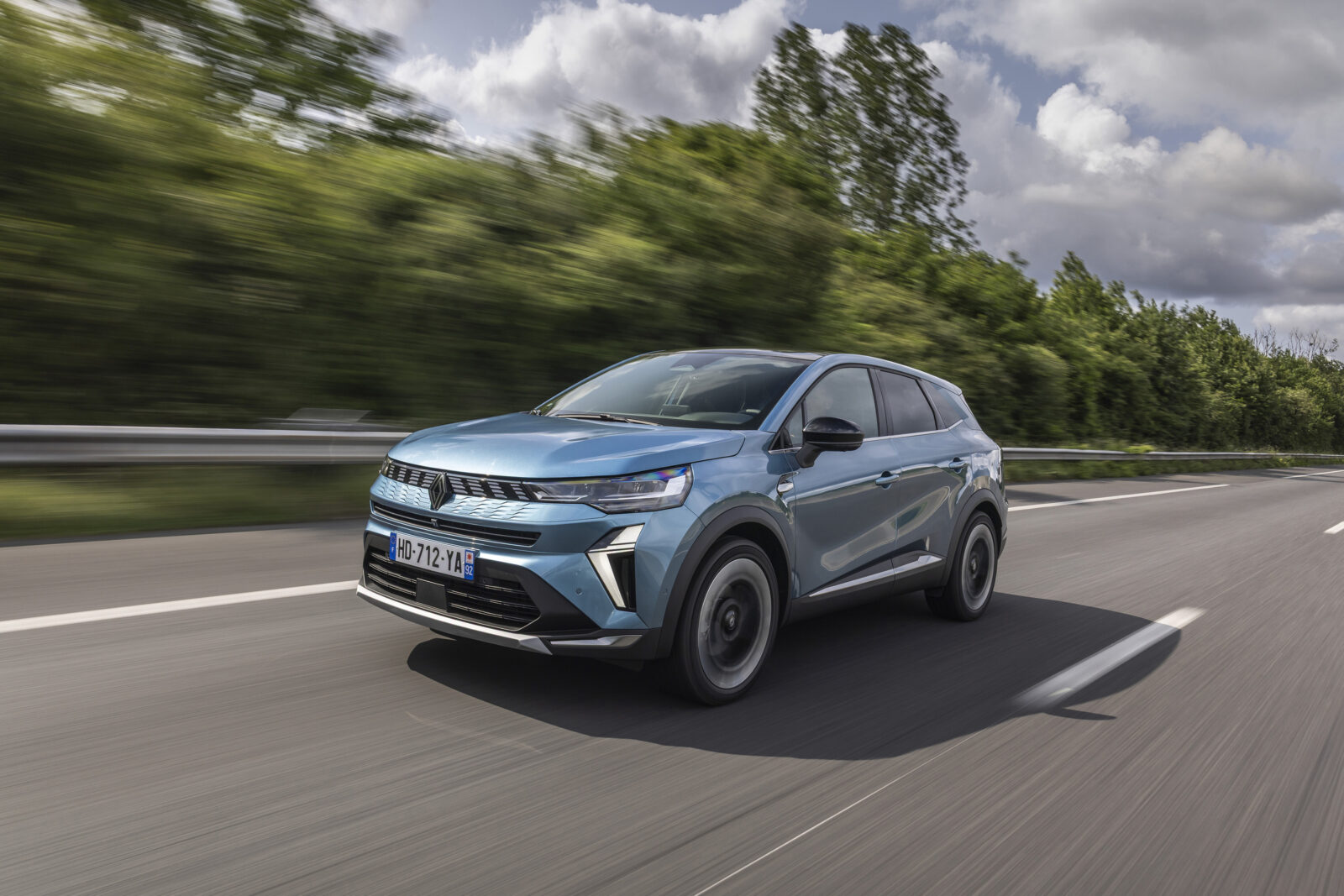
Suspension and chassis: safety and ride comfort
Control arms and bushes in the suspension wear more quickly with intensive use. This is especially true if you regularly drive on poor road surfaces. Knocking noises when steering or unstable behaviour in bends are warning signs. Have the suspension inspected regularly, especially before the MOT. Replace worn bushes in good time to prevent further damage.
Shock absorbers lose their damping effect over time. You notice this by a bouncy feeling over bumps and longer braking distances. Check for oil leaking from the shock absorbers. Replace them in pairs to maintain left‑right balance.
The brakes can wear quickly under heavy loads. Heavy loads here mean, for example, frequent braking downhill or towing a trailer. Depending on the version, the Espace weighs between 1,700 and 1,900 kilograms, which puts strain on brake discs and pads. Check the thickness of the brake discs at every service. Replace pads in good time and watch out for vibrations or squealing noises when braking.
Bodywork and susceptibility to rust
Rust is less of an issue on recent Espace generations, but older models have some vulnerable spots. Check the wheel arches, the bottoms of the doors and the tailgate. Small stone chips can start rust if they are not treated in time.
Paint can fade due to UV radiation and environmental influences. Some owners report that the paint on the bonnet becomes duller after a few years. Regular washing and waxing protects the paintwork. Pay attention to sharp edges and seams: moisture can penetrate there.
The tailgate can start to sag after intensive use. This is caused by worn gas struts. Replace these if they no longer operate properly. Also check the rubber seals around doors and windows for cracks: this prevents water leaks and wind noise.
‘ Repair is possible, but it can be expensive. ’
Interior and comfort issues
Electrically adjustable seats can fail. A faulty motor is one possible cause. A defective switch can also cause this problem. This is more common on cars over eight years old. Repair is possible, but it can be expensive. Test all functions before buying.
The Solarbay panoramic roof with electric dimming is an attractive option. However, this system can show faults. The dimming sometimes reacts slowly or gets stuck halfway. Factory warranty often covers this, but outside the warranty period replacement is costly. Check before purchase that the system operates smoothly.
The air conditioning can cool less effectively over time. Causes include a leak in the system or a worn compressor. Have the air‑con checked annually and the refrigerant topped up if necessary. Smells from the vents indicate mould in the evaporator: have it cleaned.
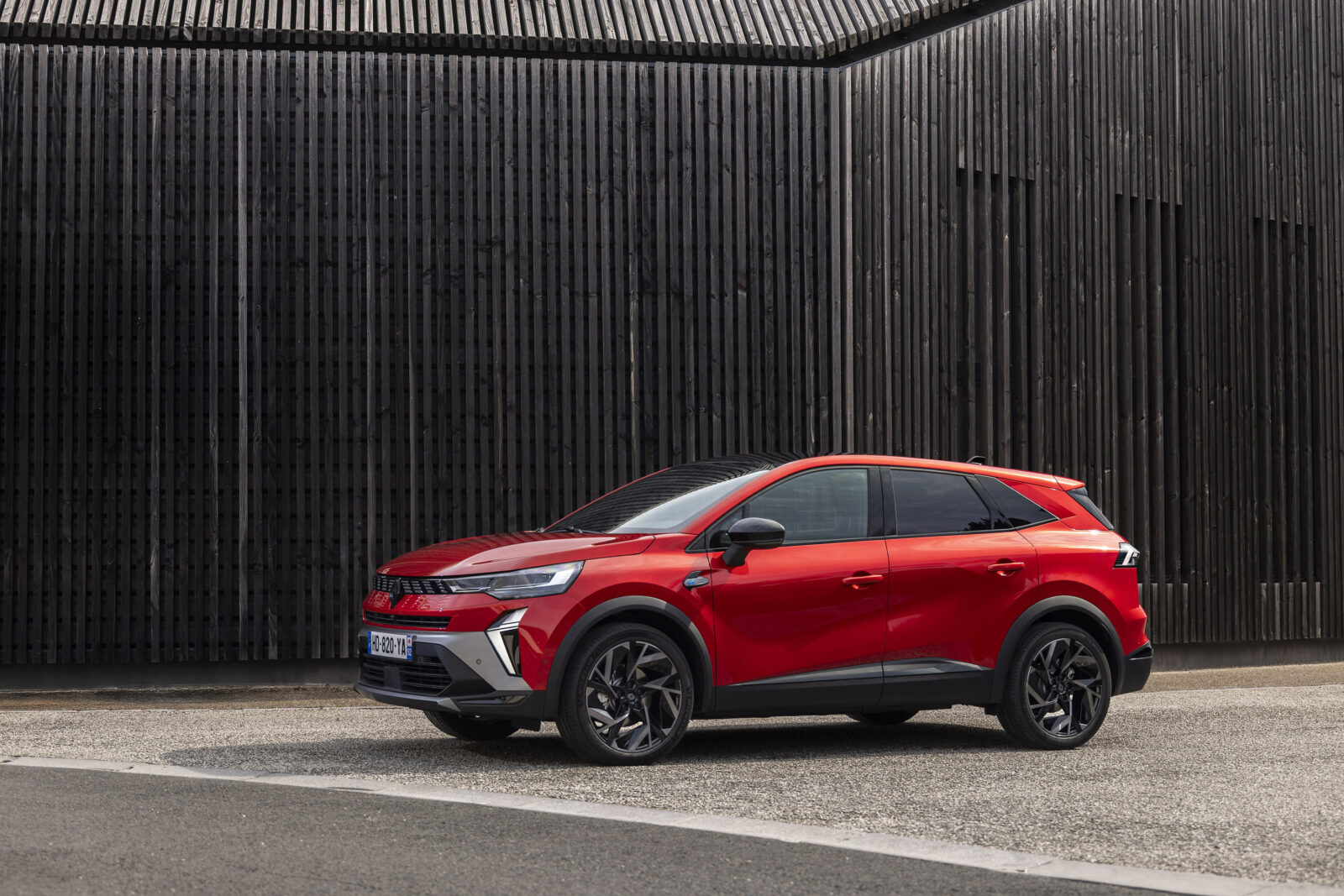
Checking a used Renault Espace
Start with a test drive of at least 30 minutes. Drive on different types of road: think of motorways, urban traffic and country roads. Listen for unusual noises, pay attention to gear changes and steering response. Check that all electronic functions work: seat heating, climate control, infotainment and safety systems.
Ask for the complete service history. Then check whether services have been carried out according to the schedule. Missing documentation can indicate overdue maintenance. Have a specialist inspect the engine bay. Check for oil leaks. Also look out for worn belts. Finally, inspect the car for corrosion.
- Test the turbo response when accelerating from low speed
- Check that the clutch engages smoothly without slipping
- Have the suspension inspected for play and rust
- Ask about any software updates for the electronics
- Check tyre pressure and tread depth
Ask the dealer or private seller about known problems. Also ask what repairs have already been carried out. A good seller is open about the condition of the car. If in doubt, have an independent garage carry out an inspection. This costs money, but prevents unpleasant surprises.
Maintenance and preventive measures
Follow Renault’s service schedule closely. This schedule specifies when which services are needed and which parts should be checked or replaced. Changing engine oil, checking filters and monitoring fluid levels are the basics. On hybrid models it is important that the coolant for the battery remains at the correct level. Have this checked at every service.
Regularly drive longer distances. This helps to regenerate the diesel particulate filter. The battery also charges during longer trips. Short journeys put extra strain on hybrid systems and diesel engines. Plan at least once a month a trip of 50 kilometres or more on the motorway.
Use the right fuel quality. Right fuel quality here means: use the octane rating recommended by the manufacturer for petrol, or the cetane rating for diesel. Premium petrol helps to keep turbocharged engines clean. It also helps to prevent knock. Knock, or knock detection, is a phenomenon where the petrol ignites prematurely in the engine, which can cause damage. For diesel, a fuel additive is useful. An additive is a substance added to the diesel that helps to clean the fuel system. Never exceed the recommended percentage of biodiesel.
- Replace the timing chain or belt according to the prescribed interval
- Have injectors cleaned on diesel engines with more than 100,000 kilometres
- Check brake fluid every two years
- Change the transmission fluid every 80,000 kilometres, even on automatics without a stated service interval
- Keep sensors and cameras clean for optimum operation
Preventive replacement of wear parts can prevent more serious damage. Think of shock absorbers, control arms and bushes. Replace these around 120,000 kilometres. This requires an investment, but increases the reliability and value of your car.
‘ A complete service history and an honest seller are worth their weight in gold. ’
Does the Renault Espace suit your needs?
The Renault Espace offers generous space, modern technology and efficient hybrid drive in its latest version. Older models have weaknesses in terms of engine, electronics and transmission, but if you choose carefully and maintain the car properly, you can enjoy it for many years. Pay particular attention to the car’s history: a complete service history and an honest seller are worth their weight in gold.
For families who carry a lot of luggage and value comfort, the Espace is a strong candidate. The flexible seating layout and large load capacity make it suitable for holidays and weekend trips. If you mainly drive short distances, consider the impact on the hybrid battery and diesel engine. Regularly driving longer distances helps these systems perform at their best.
Look at your budget realistically: repairs to electronics and the drivetrain can be costly. A good insurance policy and some savings for unexpected expenses are sensible. Check in advance which garage has experience with Renault and hybrid systems. Anyone willing to invest in maintenance and inspections will get a comfortable and versatile family car.