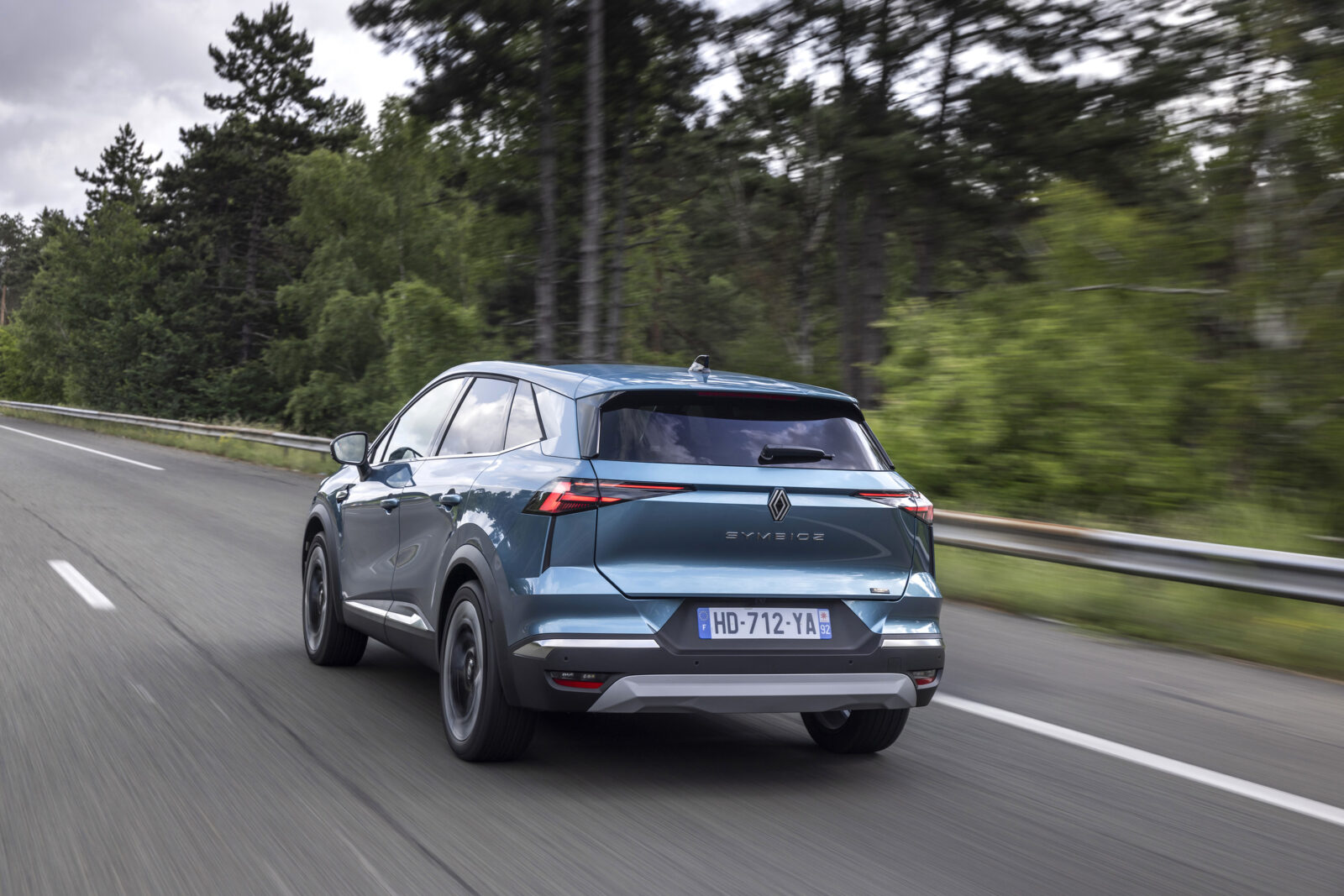
A slipping transmission in the Renault Espace is a regular occurrence, especially in models with the DW5 gearbox (Renault automatic transmission) and older model years with dry plate clutches. The problem causes jerky pull-away, high revs without acceleration and can lead to costly transmission replacement if you don’t tackle it in time. Want to know what you need to look out for?
Recognise the warning signs
A slipping gearbox often gives off clear signals before the damage becomes permanent. Your engine revs high while your car accelerates sluggishly. This is the most classic sign of a slipping clutch. In automatic gearboxes you mainly notice slip in first or second gear.
Watch out for these symptoms:
- Jerky or hesitant pull-away, especially when you ask for more power
- Burning smell while driving
- Shuddering sensation or humming noise when shifting from second to third gear
- Car does not respond to the selector in drive or reverse
- Car does not stall when in gear
The annoying thing is that these problems often don’t generate fault codes. This makes diagnosis difficult and can delay the correct repair.
‘ Every type has its own weak spots. ’
What causes a slipping transmission
The Renault Espace has had different transmission systems over the years. Each type has its own weak spots. With manual gearboxes you mainly see wear on the pressure plate and the flywheel. This typically happens after 100,000 to 150,000 kilometres, depending on your driving style.
The automatic DW5 gearbox, which you find in the Espace V between 2015 and 2020, has specific problems. Contaminated transmission oil, overheating and software faults lead to slipping clutch plates. Owners regularly report complaints around 60,000 kilometres.
In older V6 models you mainly see burnt clutch plates due to heavy loads. Think of towing a trailer or intensive use. Dirty oil or a defective valve body make the problem worse.
Test your clutch yourself
You can easily check whether your clutch is starting to slip. Park your car on a slight incline and try to pull away in third or fourth gear. Does your engine stall? Then the clutch is still working properly. Do the revs keep rising or does it slip? Then there is wear.
Diagnosis and what you can check yourself
Start by listening for unusual noises. A grinding or vibrating noise while shifting points to problems. Do you smell a burnt odour? This often indicates overheated clutch plates or oil.
Check the oil level and the colour of your transmission fluid. Healthy transmission oil is red or pink in colour. Do you see black or sludgy oil? Then it needs to be replaced. You can often check this yourself via the dipstick or filler plug.
For a professional diagnosis a garage starts with a basic inspection and test drive. They read out the fault codes, but as mentioned earlier, transmission problems do not always generate codes. In that case the mechanic focuses on oil analysis and clutch inspection.
Preventive maintenance saves money
Renault often claims that transmission oil is maintenance-free. In practice, this is not the case. Flush your ATF oil (Automatic Transmission Fluid, special transmission oil) every 60,000 kilometres and you will prevent many problems. Owners who do this extend the life of their transmission by 50,000 to 100,000 kilometres.
Avoid heavy loads when your gearbox is hot. This speeds up wear. With EDC problems (Efficient Dual Clutch, dual-clutch automatic) a software update can help, but some owners report that this has to be done monthly to prevent juddering.
Calibrate your automatic gearbox regularly. If you do not carry out software resets properly, the gearbox wears out more quickly due to constant juddering while shifting.
‘ This quickly adds up to more than 2,000 euros. ’
Repair costs and what to expect
The cost of repairs varies considerably, depending on the type of transmission and the severity of the damage. For a manual gearbox you pay between 800 and 1,500 euros to replace the clutch. This amount often also includes the flywheel and oil seals.
For the DW5 automatic there are fixed prices after diagnosis. Count on 1,000 to 2,000 euros for clutch replacement. Are there burnt plates or sludge in the transmission? Then a complete rebuild may be necessary. This quickly adds up to more than 2,000 euros.
Don’t forget additional costs. Replacing the release bearing and shaft seals is often done at the same time as the clutch repair. This prevents you from having to go back to the garage again shortly afterwards.
When replacement is necessary
Sometimes repair is no longer possible and the entire transmission has to be replaced. This mainly happens when there is severe internal damage. Burnt clutch plates, a damaged valve body or severe oil contamination can cause this.
Owners who tow trailers with their Espace IV automatic regularly report this problem. The oil burns, the plates fail and only complete replacement offers a solution. This is expensive but often the only option.
If you are in doubt between repair or replacement: consult a transmission specialist with experience of Renault models. They can assess the condition of your gearbox better than a general garage.
Buying used? Pay attention to this
Are you planning to buy a used Renault Espace? Then check the condition of the transmission extra carefully. Ask for the service history and check whether the transmission oil has been changed regularly.
Take a test drive and watch out for jerky shifts, vibrations or slipping gears. Listen for unusual noises and ask whether the seller is aware of any transmission problems. Ask specifically about the model year generation and the type of gearbox. Early model years and TCe engines with dry plate clutches are more vulnerable.
Check the transmission oil yourself before you buy. Black or sludgy oil is a red flag. This points to overdue maintenance and possible future problems.
‘ This confirms the importance of regular maintenance, despite Renault’s claims about maintenance-free transmissions. ’
Experiences of other owners
On car forums, Espace owners regularly share their experiences. One owner reported that his EDC gearbox started to vibrate at 60,000 kilometres when shifting from second to third gear. At 100 kilometres per hour the revs rose abnormally. The dealer forbade further driving. On inspection it turned out that the oil change had been carried out too lightly.
Another owner reported that his Espace IV automatic started to slip after towing a trailer. The oil was burnt and the plates were defective. A complete transmission replacement was required.
The positive news is that owners who have the oil changed early prevent 80 percent of the problems. This confirms the importance of regular maintenance, despite Renault’s claims about maintenance-free transmissions.
Find more information at Carnews
Having problems with your Renault Espace or other car brands? On the Carnews website you will find extensive information on common car problems, maintenance tips and buying advice for used cars. Discover more articles that help you make smart choices and avoid expensive repairs.
Frequently asked questions
The most common causes of a slipping transmission in a Renault Espace are worn clutch components (clutch, pressure plate, flywheel or hydraulic release bearing) in manual gearboxes. In automatics (including DW5/EDC), contaminated or aged ATF oil, overheating and burnt clutch plates are major culprits. In addition, a defective or contaminated valve body and poor/outdated software in the automatic gearbox can cause persistent slipping. Heavy loads, such as frequently driving with a trailer or caravan, significantly accelerate this wear.
You can test on a quiet road whether the engine revs up without the car accelerating proportionally, especially during hard acceleration or overtaking. With a manual Espace you can give full throttle in a higher gear (3 or 4) at low speed or try to make it stall on a slight incline: if it does not stall but the revs rise, the clutch is slipping. Also pay attention to a burning smell, jerky pull-away and vibrations or humming while shifting, and if possible check the transmission oil for a black, burnt or heavily contaminated colour. If these symptoms clearly appear, the damage may already be (far) advanced and expensive, and a quick visit to a transmission specialist is advisable.
For a slipping transmission in a Renault Espace, the clutch in a manual gearbox can be replaced (often including flywheel and release bearing), with costs around €800–€1,500. For an automatic EDC/DW5 gearbox, options include: flushing/replacing the oil and a software update as a minor intervention, or replacing the clutch set, typically €1,000–€2,000. If the plates are burnt or there is a lot of metal debris in the oil, a complete rebuild is required, which usually starts at around €2,000. Additional costs may arise from replacing oil seals, the release bearing or the valve body if there is wear or damage there as well.
Whether it makes sense to repair or rebuild mainly depends on the age, mileage and general condition of the Espace, plus the exact cause of the slipping. For relatively young cars with reasonable mileage, a targeted repair or (partial) rebuild of the transmission is usually worthwhile, despite costs of roughly €1,000–€2,500. If the car is older, has high mileage or there are other expensive defects (rust, electronics, engine issues), a rebuild is often economically unattractive and selling may be the wiser option. Always have a diagnosis and cost estimate made by a transmission specialist first, and then decide based on the total expected costs versus the residual value of the car.
Continuing to drive with a slipping transmission can burn the clutch plates and friction materials, making a complete rebuild or replacement of the gearbox necessary. Oil and the valve body can also become contaminated or overheated, leading to jerky shifting and loss of gears. The heat and wear can damage the release bearing, pressure plate, flywheel and oil seals. Ultimately, you may be faced with a sudden loss of drive, which is dangerous in traffic.