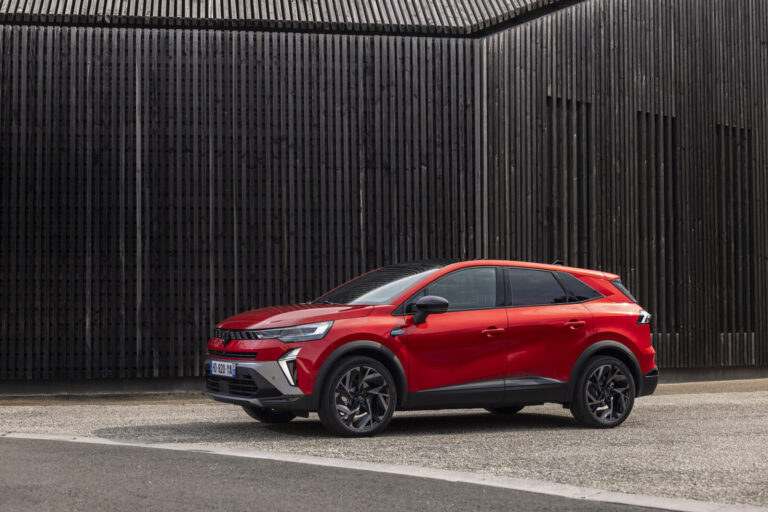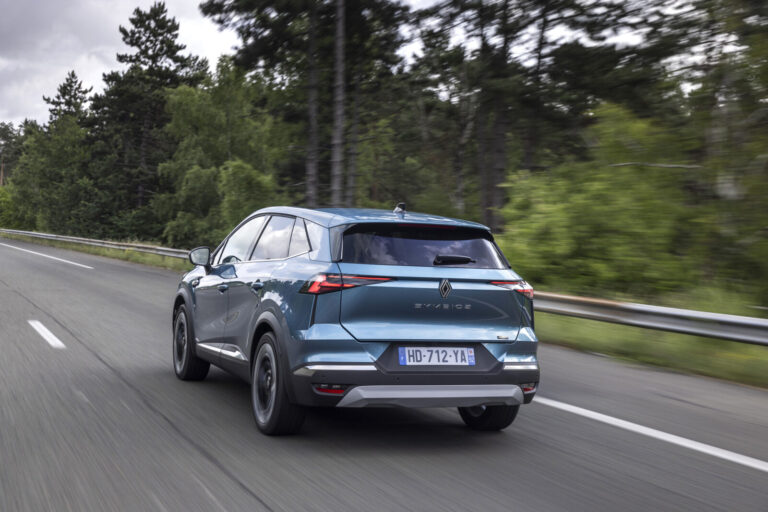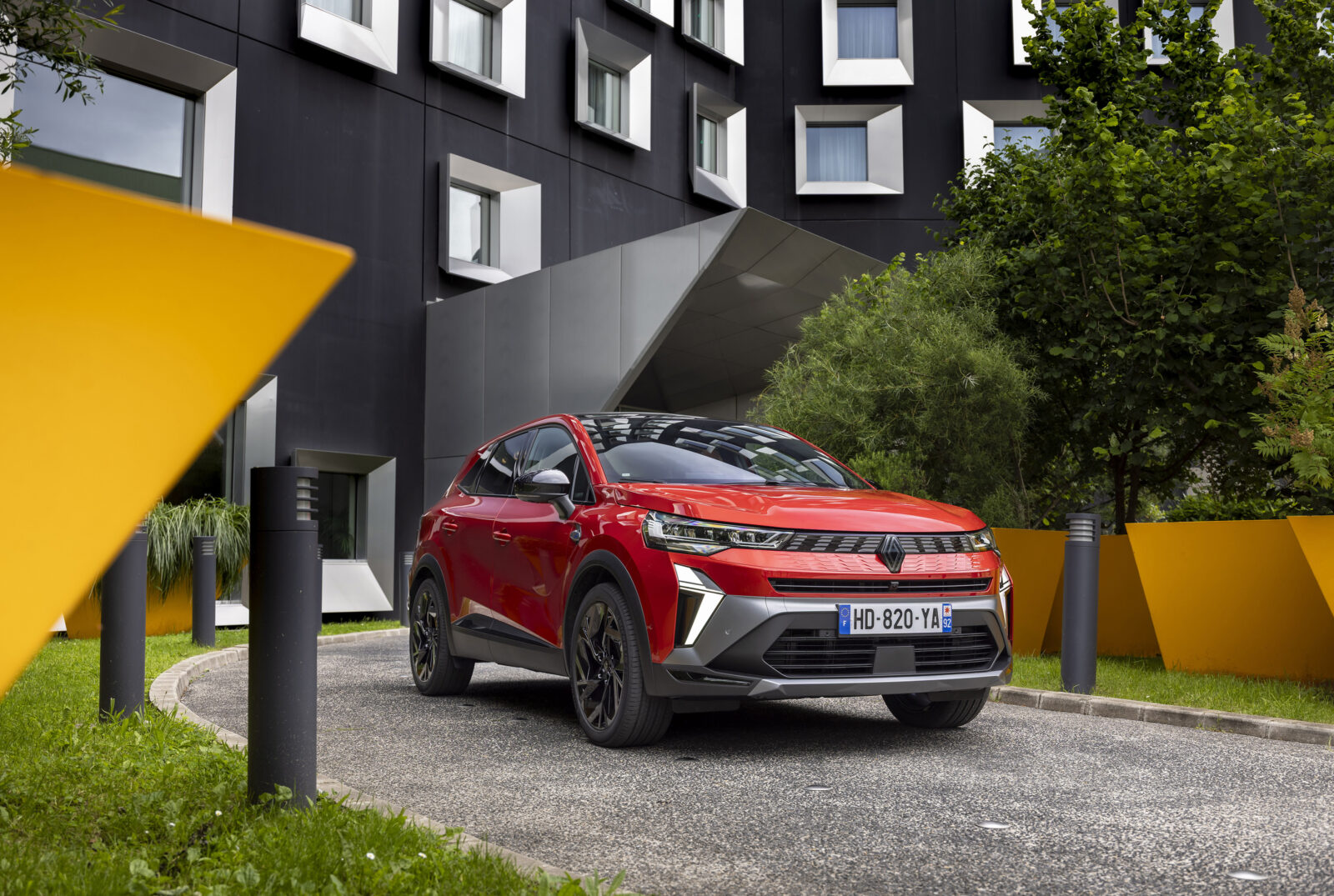
The Renault Espace with 2.0 Turbo petrol engine is known for recurring turbo and cylinder head gasket issues, especially with sporty driving and from 50,000 kilometres onwards. This engine is considered the most problematic petrol variant in the Espace range, with strikingly high fuel consumption as an added drawback. Want to know what you need to look out for?
The 2.0 Turbo (F4Rt) is often promoted as a more reliable alternative to the diesel variants in the Espace, but real-world experience shows otherwise. Owners report that this engine requires strict maintenance and still remains vulnerable to costly faults. For anyone considering a used Espace with common Renault issues, it is important to be well aware of this engine’s risks.
The main problems are concentrated around the turbo and the cylinder head gasket (the seal between the cylinder head and engine block). Both components can fail early in the engine’s life, even when Renault’s maintenance schedule is followed closely. That makes this engine a risky choice for anyone looking for reliability.
Turbo failures from 50,000 kilometres
The most frequently reported issue with the 2.0 Turbo is seizure or complete failure of the turbo. This occurs from around 50,000 to 80,000 kilometres, with inadequate oil quality or overly long service intervals as the main culprits. Many owners report that their Espace turbo failed despite servicing according to the prescribed 30,000‑kilometre schedule.
Symptoms of a failing turbo include:
- Whistling sound during acceleration
- Noticeable loss of power
- Smoke from the exhaust
- Increasing oil consumption or loss
When the turbo starts to seize due to contamination or lack of oil, wear accelerates rapidly. In many cases this leads to full replacement of the unit. The costs are between 1,000 and 2,000 euros. Some owners report that Renault dealers were prepared to cover 80% of the costs at low mileages and with properly documented maintenance.
‘ This problem often only shows up over time, but it can cause significant engine damage. ’
Cylinder head gasket leaks under intensive use
In addition to turbo issues, the 2.0 Turbo also suffers from head gasket failures, especially with sporty driving. The high pressure and temperatures created during strong acceleration or prolonged heavy loads cause the cylinder head gasket to leak. This problem often only becomes apparent over time, but can lead to considerable engine damage.
Signs of a leaking head gasket include:
- White exhaust smoke at cold start
- Drops in coolant level
- Oil in the expansion tank
- Engine overheating
Replacing the cylinder head gasket is labour‑intensive and expensive. On average, the repair costs between 800 and 1,500 euros, depending on the extent of the damage. Among owners who regularly drive sportily or frequently carry heavy loads, this problem occurs more often.
Injection issues and rough idle
Another recurring problem concerns the injection system and idling. On a cold start the engine sometimes idles too fast, at between 1,500 and 2,000 rpm instead of the normal 1,000. Shortly afterwards, warning messages appear on the dashboard: “défaillance injection” and “ESP”. The accelerator pedal stops responding because the engine switches to limp‑home (safety) mode.
This fault can have various causes. Possible causes include defective sensors, dirty injectors or a fault in the engine management computer. Diagnosis with an OBD scanner (a diagnostic device that reads the car’s fault codes) is needed to retrieve the error code. In some cases resetting the battery helps temporarily, but this only masks the underlying problem for a short time.
Are 2.0 Turbo engines reliable in the Espace?
No, the 2.0 Turbo in the Renault Espace scores poorly for reliability compared with other petrol engines in its class. Despite its image as a more reliable alternative to the diesels, in practice this engine suffers from frequent and costly failures. The turbo and cylinder head gasket are the weak links that cause problems even with correct maintenance.
Used cars with this engine and more than 80,000 kilometres are a particular risk. Without a complete service history and proof of turbo replacement or inspection, the chance of urgent repairs is high. For anyone still considering an Espace with this engine, it is wise to negotiate for recent turbo servicing or a warranty on engine components.
‘ Preventive maintenance only helps to a limited extent against this problem. ’
What exactly causes head gasket leaks?
Head gasket leaks are caused by repeated thermal stress on the engine. The 2.0 Turbo produces high temperatures and pressure in the combustion chambers, especially during sporty driving or under high loads. The gasket between the cylinder head and engine block gradually becomes weaker as a result.
In the Espace, several factors aggravate this problem:
- Overheating due to turbo load
- Insufficient cooling at prolonged high revs
- Aged coolant causing corrosion
- Installation stress due to non‑original parts used in earlier repairs
Preventive maintenance only helps to a limited extent against this problem. However, it is important to replace the coolant according to schedule and have any overheating investigated immediately. After a cold start, always drive gently while the engine warms up to limit thermal shock.
High fuel consumption as an extra disadvantage
Besides the technical problems, the 2.0 Turbo is also known for its high fuel consumption. In practice, average consumption is between 1 in 10 and 1 in 12, depending on driving style and conditions. For a large MPV this is acceptable, but compared with modern alternatives it is high.
The high consumption is related to the Espace’s weight and the engine’s relatively old technology. With sporty driving or frequent short trips, consumption rises further. This makes the car expensive not only to maintain but also to run.
Better alternatives for a used Espace
For anyone looking for a used Renault Espace, there are better options than the 2.0 Turbo. The 2.0 dCi diesel does have known issues with the turbo and EGR valve, but these are easier to predict and manage. In addition, fuel consumption is significantly lower.
Another option is the later 1.6 dCi, which is more reliable than the older diesel variants. This engine offers enough power for everyday use and is less prone to turbo failures. For those who still prefer a petrol engine, it is sensible to avoid the 2.0 Turbo and look at other models or brands in the same segment.
‘ That makes the difference between a reliable car and a money pit. ’
Maintenance tips to postpone problems
If you already own an Espace with the 2.0 Turbo, strict maintenance can postpone problems. That starts with shortening the service intervals. Replace the oil every 15,000 kilometres or once a year, using high‑quality synthetic oil that meets Renault’s specifications, such as 5W‑40.
At every service, check the turbo for:
- Oil leaks around the connections
- Play in the turbo shaft
- Pressure in the intake hoses
- Condition of the actuator
Use premium fuel to minimise injection problems. After a cold start, always drive gently for the first few kilometres. Avoid short urban trips where possible, because the turbo then cannot cool down properly. On longer journeys the engine has the chance to operate optimally and limit wear.
Owners who follow this approach report that they can postpone issues until after 100,000 kilometres. That makes the difference between a reliable car and a money pit.
On the Carnews website you can find more information on common problems with other Renault models, practical maintenance tips and reliability comparisons between engine types. Discover which used cars are best avoided and which you can put your trust in.
Frequently asked questions
The most common problems with the 2.0 Turbo engine in the Renault Espace are premature wear or seizure of the turbo, often due to excessively long oil change intervals or poor oil quality. In addition, injection problems and irregular idling (high idle speed when cold, warnings such as “défaillance injection” and ESP faults) occur regularly. Drivers also report power loss during acceleration, sometimes without any immediate warning light on the dashboard. This engine can be reliable, but it is highly dependent on strict and frequent maintenance, especially of the oil and turbo system.
The main cause is a sensitive turbo, which wears quickly or seizes due to excessively long oil change intervals and/or oil of insufficient quality. In addition, contamination and poor lubrication lead to accelerated wear of the turbo bearings and sometimes even breakage. Electronic issues with the injection system, sensors and ECU can also cause faults (“défaillance injection”, ESP warning, limp mode). Insufficient warming up and cooling down of the engine, as well as many short trips, further exacerbate these problems.
Yes, owners can limit damage preventively by changing the oil more frequently (every 15,000–20,000 km or annually) using high‑quality synthetic oil approved by Renault. In addition, it is important to pull away gently after a cold start and not to load the engine/turbo heavily straight away, as well as not switching the engine off immediately after a hard drive so that the turbo can cool down. Regular checks of turbo hoses, actuator and oil leaks at every service help to detect early problems. Using good‑quality fuel and avoiding exclusively short trips also reduces the risk of injection problems and turbo wear.
Typical repair costs for turbo damage on the Renault Espace 2.0 Turbo are often between about €1,000 and €2,000, depending on parts and labour. Replacement of the turbo itself is technically quite complex and labour‑intensive, partly due to its installation position. Injection‑ and sensor‑related problems are usually less expensive but do require targeted diagnosis with OBD equipment. Without proper maintenance, problems can already appear around 50,000–80,000 km, which can cause total costs to rise sharply in the long term.
Pay particular attention to the condition of the turbo: during the test drive listen for whistling noises, look out for smoke and check for any noticeable loss of power. Check the service history for regular oil changes (at most every 15–20,000 km) with the correct oil, and avoid examples with >80,000 km without evidence of turbo or oil maintenance. Test cold starts and idling: irregular revs, “défaillance injection” or ESP warnings can point to injection or sensor issues. In case of doubt, have a pre‑purchase inspection carried out with OBD diagnostics, specifically focused on the turbo, injection system and fault codes.