Renault Kadjar: common problems and how to prevent them
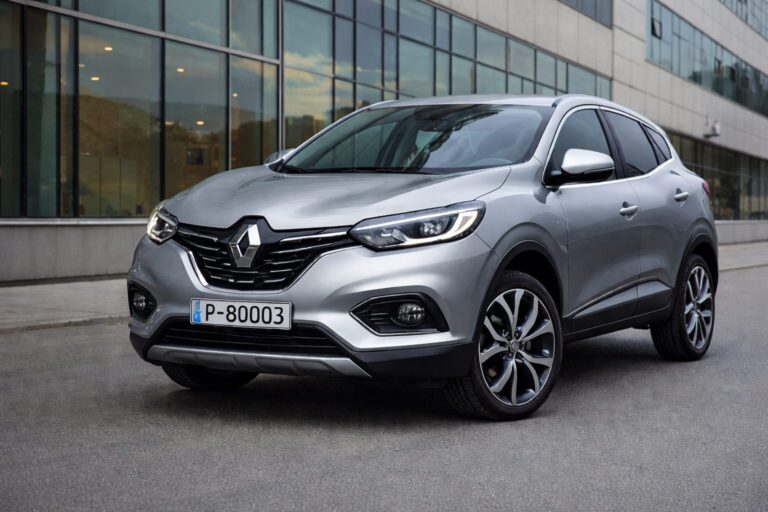
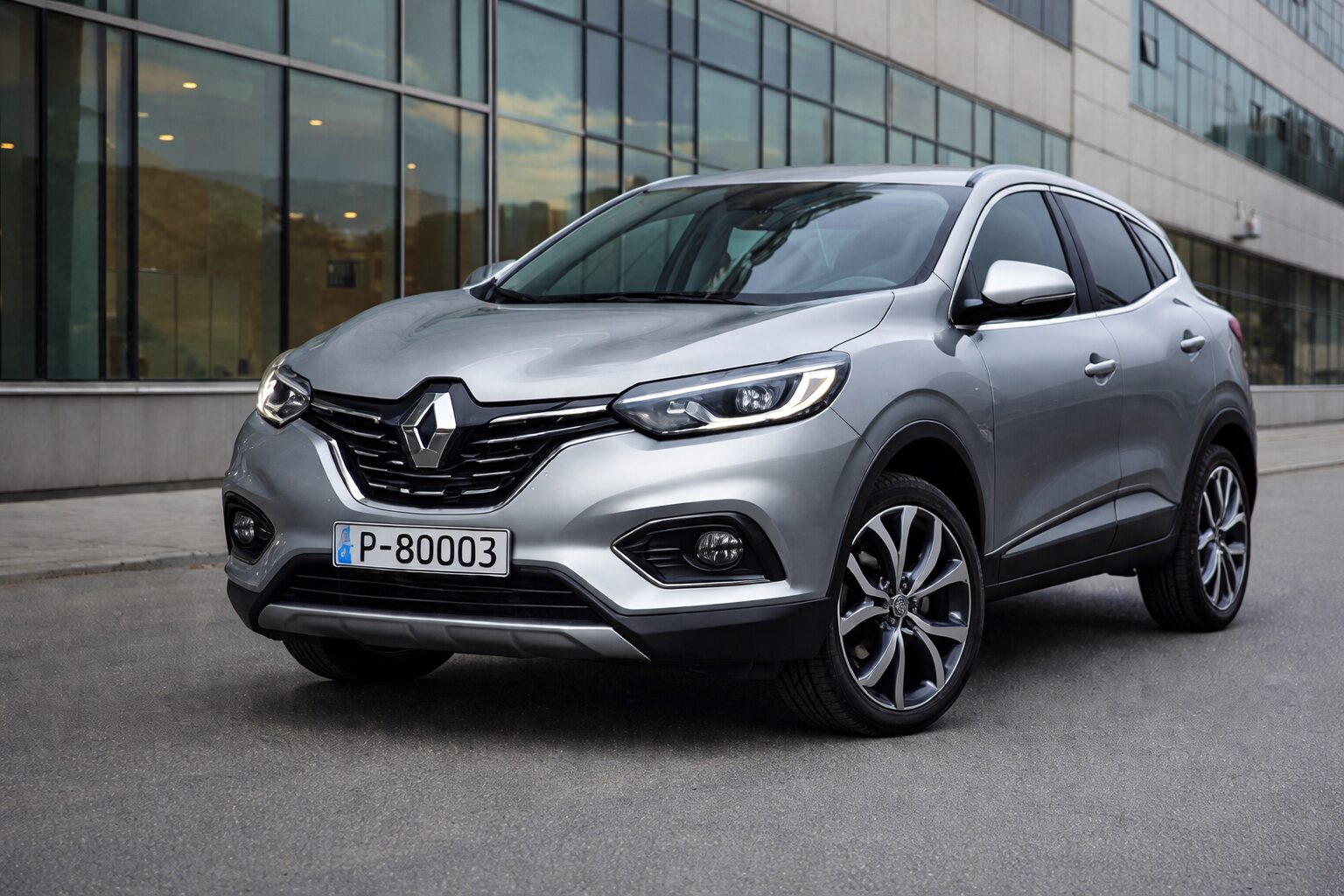
The Renault Kadjar shares technology with the Nissan Qashqai and presents itself as a practical family car, but some owners report technical issues. From engine problems to electronic faults: certain components cause annoying surprises over time. It is good to know about these weak spots before you buy or keep driving one.
Overall reliability of the Renault Kadjar
The Kadjar has been around since 2015 and is based on a platform that has proven itself at Renault and Nissan. Owners’ forums and service centres point to recurring complaints. The most discussed problems concern the 1.2 TCe petrol engines, both diesel versions and the electronics around the R-Link system. Known car problems with Renault also occur with the Kadjar, especially on older model years. You often find the Kadjar on the used market from 2016 onwards, and it is precisely these early models that regularly cause problems.
‘ If the chain jumps, it can lead to serious engine damage. ’
Common engine problems
The 1.2 TCe petrol engine uses a timing chain which, in some examples, already shows wear before 100,000 kilometres. The chain stretches due to oil contamination or long intervals between services, causing a rattling noise when starting from cold. If the chain jumps, it can lead to serious engine damage. Check whether the chain has been replaced as a preventive measure if you are considering a used Kadjar.
The 1.5 dCi diesel can suffer from a faulty EGR valve (Exhaust Gas Recirculation) or a clogged diesel particulate filter. The EGR valve sends exhaust gases back to the engine to lower emissions, but clogs during short trips due to soot build-up. This causes juddering under acceleration, loss of power or a fault in the electronic engine management. The particulate filter also regenerates less effectively with frequent city driving. Diesel Kadjars are therefore better suited to drivers who regularly cover longer distances.
Problems with transmission and clutch
Owners of manual Kadjars report that the clutch can show early wear. On some models, the pedal operation starts to feel heavy after only 60,000 kilometres. Juddering (shuddering when pulling away) also occurs. This may be due to a weak flywheel design or aggressive use, but even with careful driving mechanics see premature wear.
The EDC automatic, a dual-clutch gearbox from development partner Nissan (two clutches that shift alternately), is criticised for jerky shifting at low speeds and a hesitant response when accelerating. Some owners report that, after a software update, the gearbox operates a little more smoothly, but the mechanical nature of this automatic remains vulnerable if the clutch plates and control electronics are not properly maintained.
Electronic faults and infotainment
The R-Link infotainment system freezes or starts up slowly in several generations of the Kadjar. Owners report navigation failure, a frozen radio interface and issues when pairing smartphones via Bluetooth. Sometimes a reset solves this temporarily, but in many cases the software has to be updated at the dealer. Renault regularly releases patches, so request the latest software version when you have the car serviced.
Other electronic complaints concern blind-spot monitoring and parking sensors that produce error messages more often than with competitors. The sensors are located in the bumpers and become dirty or damaged by stone chips, which causes incorrect warnings. Clean the sensors regularly and have damaged ones replaced to avoid annoying beeping.
‘ Ball joints in the front suspension wear faster than expected on pre-2018 models. ’
Chassis, suspension and steering
Shock absorbers and control arms on the Kadjar can already produce knocking or banging noises over bumps before 80,000 kilometres. The rear shock absorbers in particular start to leak, which worsens the road holding and makes the car unsettled at high speeds. Look underneath the car for oil stains on the shock absorber bodies and have worn dampers replaced in pairs to prevent uneven wear.
Ball joints in the front suspension wear faster than expected on models built before 2018. You notice this from creaking noises when turning or banging noises over sharp bumps. Replace ball joints in good time to prevent damage to the entire control arm system.
The power steering is usually electric and rarely gives problems, but some owners do report that the power assistance briefly cuts out, making the steering heavy. This points to a sensor or control fault that can be read out at the garage.
Interior and exterior: minor annoyances
Water leaks occur around the tailgate and window seals. Owners find damp patches on the floor or in the boot after heavy rain. This is due to ageing or poorly fitted rubber strips. During an inspection, check whether the seals are still supple and visibly make proper contact.
Rattling dashboard panels and centre console are frequently mentioned irritations. The clips and mounting points work loose due to vibrations and use, especially on high-mileage models. This is more of a quality issue than a technical safety risk, but it can be annoying on long journeys.
Door handles break more quickly than on other brands. The plastic mechanisms in the exterior handles creak or stop working, making it difficult to open the door. Replace these handles at the first signs of wear to avoid suddenly being unable to get in.
What to check when buying a used Kadjar
During the test drive, listen for engine noises when starting from cold, especially any rattling from a stretched timing chain. Ask for the service history and check whether the chain has already been replaced. Accelerate firmly and pay attention to any juddering or hesitation from the gearbox. Scroll through all the menus of the R-Link system and try pairing Bluetooth to make sure the electronics operate without glitches.
Inspect the chassis for rust and leaking shock absorbers. Look at the condition of the tyres: uneven wear may indicate problems with the ball joints or wheel alignment. Open and close all doors and check whether the handles operate smoothly. Take the car to a mechanic for an MOT inspection and extensive diagnostics with a computer read-out. That helps avoid expensive surprises.
‘ Replace parts in good time to prevent more extensive damage to the supporting system. ’
Maintenance tips for a longer lifespan
Always replace the engine oil according to the service schedule, or even earlier if you mainly drive short trips. Clean oil reduces wear on the timing chain and turbo. Have the EGR valve (Exhaust Gas Recirculation) and particulate filter on a diesel engine inspected and, if necessary, cleaned every year. Regularly drive a longer distance at higher speed to allow the filter to regenerate automatically.
Update the software of the R-Link system at each service. Dealers regularly report patches that improve stability and connectivity. Clean the parking sensors and camera lens every season to avoid false alerts. Lubricate door handles and hinges to keep them operating smoothly.
Have the chassis inspected annually for loose bushes, leaking dampers and worn ball joints. Replace parts in good time to prevent more extensive damage to the supporting system. Check the condition of the sealing rubbers and have damaged ones replaced to rule out water leaks.
Is the Renault Kadjar recommended?
The Kadjar offers space, comfort and a practical layout for families looking for an affordable SUV. Technically, however, it is not a carefree model: the petrol engines can suffer from chain problems, the diesels require a disciplined maintenance regime, and the electronics show weaknesses. If you buy used, it requires extra attention during the inspection and a thorough look at the service history.
For those willing to carry out preventive maintenance and accept minor annoyances, the Kadjar remains an affordable option in the compact SUV segment. Bear in mind higher repair costs than with some rivals, especially for transmission and electronics. If you are looking for a trouble-free model, there are alternatives with a more solid track record.