
Cracking or squeaking suspension noises on the Renault Kadjar often point to worn bushes, ball joints or shock absorbers. These noises mainly occur when driving over bumps. This problem affects driving comfort and usually indicates that maintenance is needed, especially on models from 2015 onwards. Read on to discover where these noises come from and how to tackle them.
Why does my Renault Kadjar make creaking noises over bumps
Creaking noises over bumps are a very common complaint among Renault Kadjar owners. These noises are usually caused by wear in the suspension. Worn parts no longer absorb shocks properly. As a result, every irregularity in the road surface becomes audible.
Most noises come from several recognisable problem areas. Worn rubber bushes in the suspension lose their flexibility. Damaged ball joints create play in the wheel suspension. Shock absorbers with reduced damping produce knocking noises. You hear this knocking at every bump.
Owners regularly report rattling at the front, especially when driving on poor road surfaces. The noise becomes worse when turning the steering wheel. Some drivers hear squeaking noises at full steering lock, which may indicate problems with the electric power steering.
‘ It can be surprisingly difficult to identify the exact source. ’
Common causes of suspension noises
Not all noises that sound like suspension problems actually come from the suspension. It can be surprisingly difficult to identify the exact source.
Wear in the wheel suspension
The Kadjar’s wheel suspension contains various components that wear out over time:
- Rubber bushes in the control arm and anti-roll bar become hard and crack
- Ball joints develop play through normal wear
- Shock absorbers can start leaking and lose their damping ability
- Anti-roll bar links with worn rubbers produce clicking noises
On models from 2015 to 2021 these complaints occur more often at higher mileages. Driving comfort noticeably decreases and you hear clear knocking or creaking at every irregularity in the road.
Loose clips and panels
Owners also regularly report noises that do not come from the suspension, but sound as if they do. The cowl panel at the base of the windscreen wipers sometimes lacks clips, which causes a rattle in time with the engine. The air filter housing or plastic cover of the timing belt can rattle, especially after services.
Engine problems that resemble suspension issues
Another common problem is rattling noises from the engine bay. When cold starting or accelerating, the TCe engine can rattle due to the timing chain. This noise comes from the front and is often mistaken for suspension noises. Faulty pulleys or belt tensioners also cause whistling or grinding noises.
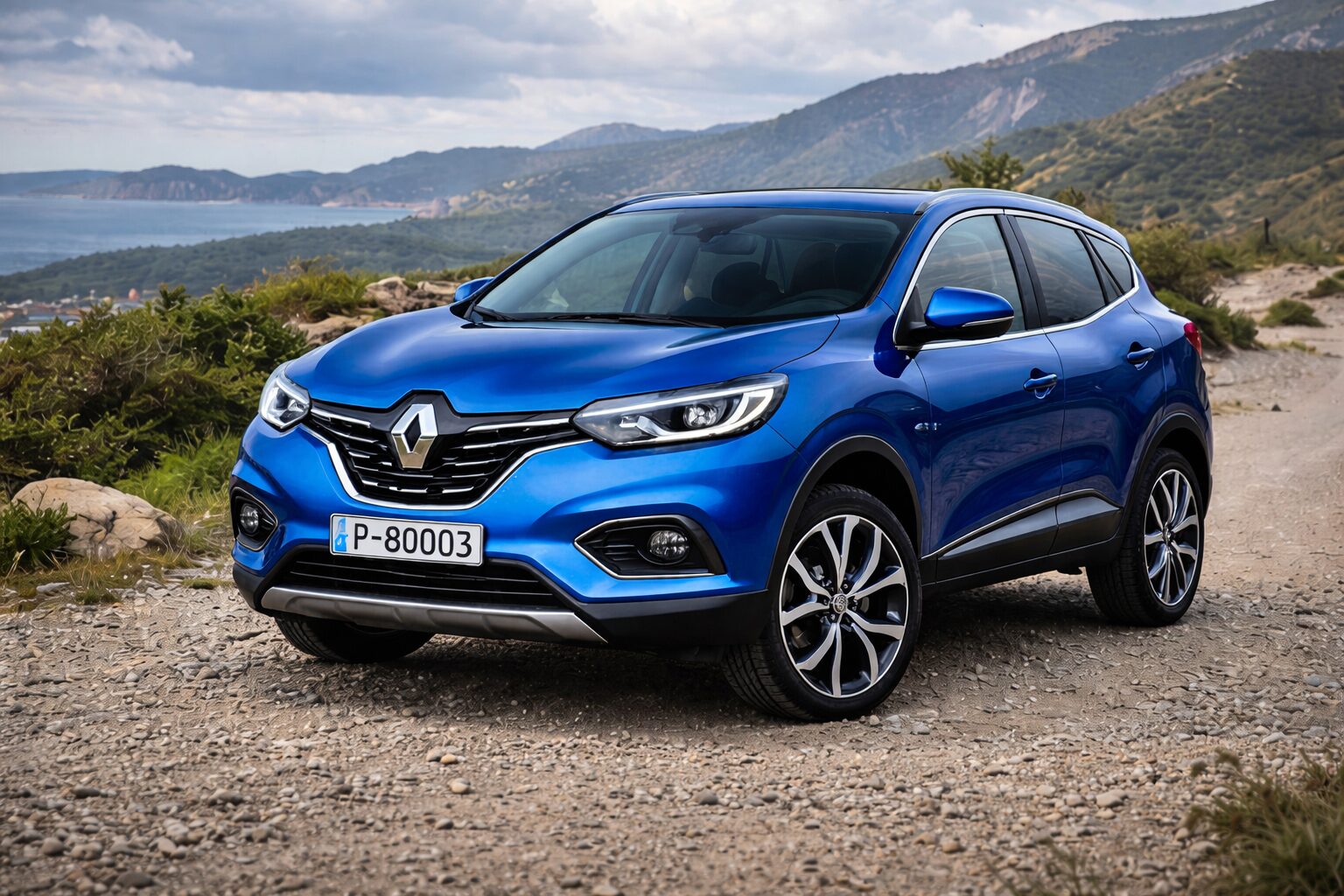
How to check the suspension of the Renault Kadjar
You can carry out a number of checks yourself before going to a garage. This saves time and gives clarity about how serious the problem is.
Start with a visual inspection under the bonnet. Check whether all clips on the cowl panel are secure. Look at the air filter housing and the timing belt cover. Check that these are properly attached. Look for oil leaks around the timing cover or turbo, as these can indirectly cause noises.
Take a test drive on bumpy roads and listen carefully to where the noises come from. Turn the steering wheel fully to the left and right while driving slowly. Pay attention to rattling noises when starting or accelerating; these often do not come from the suspension.
For a thorough check you can put the car on lifts or place it safely on axle stands. Move the wheels back and forth. This allows you to check whether there is play in the ball joints. Check the control arm rubbers for cracks and then check the rubbers on the anti-roll bar. See whether the shock absorbers show oil stains, as this indicates leakage.
What does suspension repair cost on a Renault Kadjar
The cost of suspension repair varies considerably, depending on which parts need to be replaced. Acting early often prevents more expensive repairs later on.
Replacing rubber bushes usually costs between €150 and €300. This amount includes labour. New ball joints are between €200 and €400 per side. Replacing shock absorbers is more expensive and can range from €400 to €800 for both front wheels.
On some Kadjar models the cause turns out to be cheaper to fix. Reattaching loose clips or securing a panel costs next to nothing. A new belt kit with pulleys costs around €150 to €250.
Always have a diagnosis carried out first. A well-equipped garage has professional equipment and testing facilities. With a lift the garage can determine the exact source of the noise. This prevents you from spending money on parts that are not defective.
‘ If you are unsure about noises, don’t wait too long to have them checked. ’
Practical tips to prevent suspension problems
Regular maintenance significantly extends the service life of suspension components. Small adjustments to your driving style also help.
Drive gently over bumps and potholes instead of hitting them hard. This spares the suspension unnecessary shocks. Check the tyre pressure regularly. Incorrect pressure puts extra strain on the suspension. Have the wheel alignment checked at every service, as incorrect alignment accelerates wear.
Keep the underside of your car clean. This is especially important in winter. Salt and dirt accelerate rust formation on suspension parts. Regularly inspect the rubbers for cracks to avoid nasty surprises. If you are unsure about noises, don’t wait too long to have them checked.
On the Carnews website you will find much more information about maintenance, common problems and practical tips for your car. Discover all the knowledge you need to look after your Renault Kadjar properly and prevent unpleasant surprises.
Frequently asked questions
The most common causes are wear on suspension components and shock absorbers, which leads to knocking and creaking over bumps. In addition, loose clips or panels (such as the cowl panel at the windscreen wipers or the air filter housing) often cause rattling noises. Engine-related rattles, such as a rattling timing chain or loose engine covers, are also regularly mistaken for suspension noises. Furthermore, problems with pulleys and belt tensioners can contribute to rattling or whistling noises at the front.
Start with a visual inspection: check the cowl panel at the windscreen wipers, plastic covers (air filter, timing cover) and underbody for loose clips, panels or parts. Then take a test drive over speed bumps and poor roads and pay attention to whether the noise mainly occurs at bumps, when steering, or when accelerating/cold starting (the latter more often points to an engine noise than a suspension noise). If possible, use a long screwdriver or mechanical stethoscope against different components (shock absorbers, control arms, engine pulleys) while someone else drives slowly or revs the engine to track down the source of the noise. Finish with an OBD2 scan to rule out engine- or ABS-related issues and, if in doubt, have a specialist check the suspension rubbers and shock absorbers.
Common repairs include replacing or refitting loose clips and plastic panels around the cowl and engine bay (usually €50–€150). For wear to suspension parts such as shock absorbers, bushes or control arms, costs are roughly between €300 and €800 per axle, depending on parts and labour. For engine-related rattles (for example pulleys or tensioners) you should expect around €200–€500, while complex issues such as a timing chain kit can be more expensive. A professional diagnosis is recommended to distinguish between cosmetic rattles and genuine suspension or engine problems, so you do not replace expensive parts unnecessarily.
Yes, suspension noises are a relatively common problem on the Renault Kadjar, especially on models from 2015–2021. They are often caused by wear on suspension components such as shock absorbers and rubbers, but also by loose clips or panels around the cowl and engine bay. In addition, engine-related rattles (such as timing chain or pulley problems) can sound as if they are coming from the suspension. This combination of wear-sensitive components and vulnerable fixings means that owners regularly report creaking, rattling or knocking.