
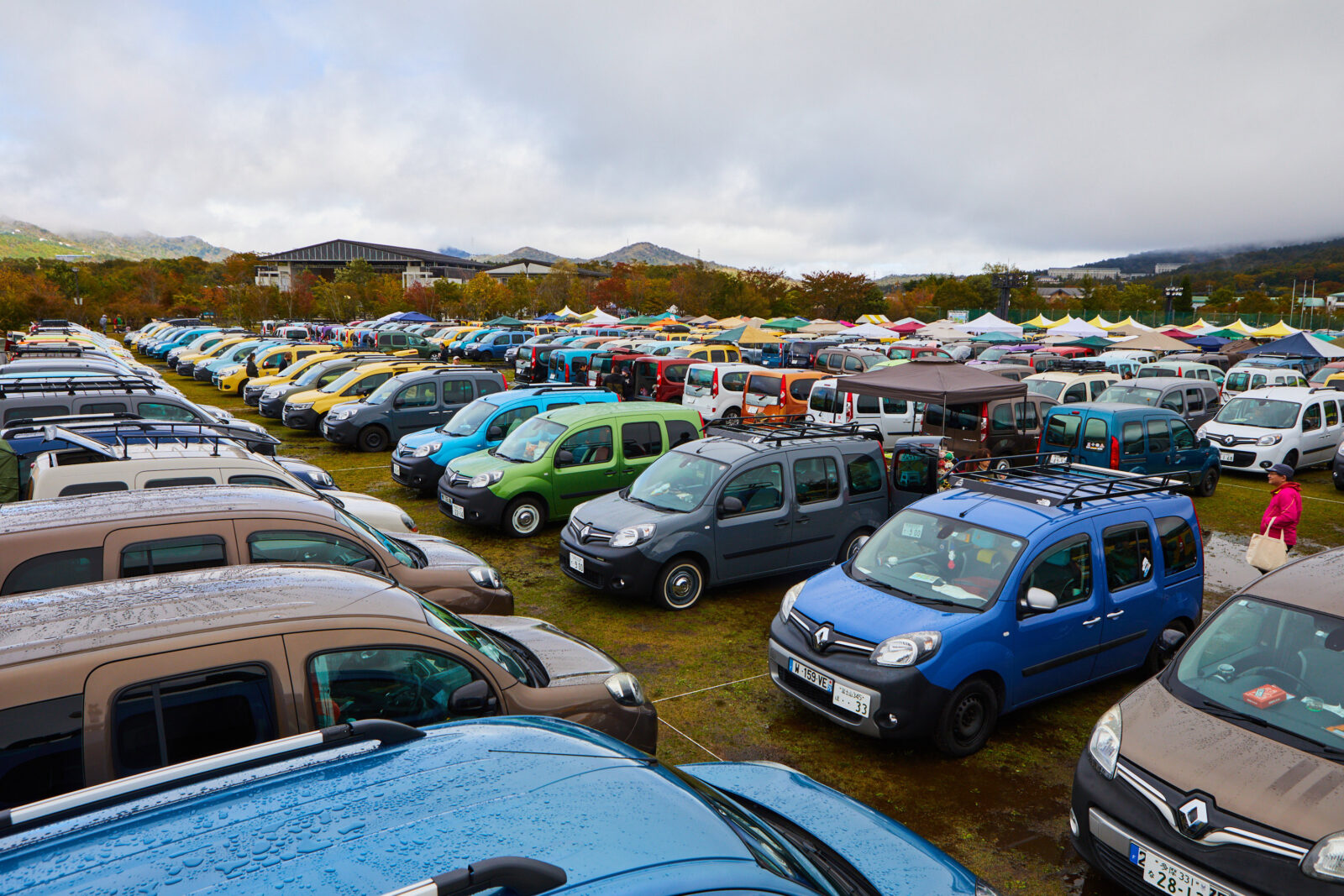
Renault Kangoo: what are the most common problems?
The Renault Kangoo is known as a practical van, but it does suffer from specific technical problems that occur regularly. Engine problems, faulty sensors and electrical issues are often reported. In addition, wear to the suspension is a regular occurrence across different generations of this model. Do you want to know what you should look out for?
What are the warning signs of these problems?
Owners of the Renault Kangoo report that certain problems occur more often than with comparable models. Most complaints are related to components that fail after several years of intensive use. This applies to both petrol and diesel versions. The specific issues sometimes differ per engine type. Also take a look at the overview of common Renault problems for more context about issues with this brand.
‘ In many cases the cause lies in worn injectors or clogged fuel filters. ’
Engine problems with diesel and petrol
The diesel engines in the Kangoo regularly suffer from issues with the EGR valve. Over time this component becomes clogged, which can lead to loss of power and black exhaust smoke. With early generations this is a well-known issue. The turbo can also fail, especially on models that are mainly used for short journeys, as the engine then does not reach operating temperature.
Petrol engines suffer less frequently from engine problems, but here too the head gasket shims and ignition coils are prone to failure. Some owners report that the engine runs unevenly or struggles to start. In many cases the cause lies in worn injectors or clogged fuel filters.


Transmission problems occur regularly
The Kangoo’s manual gearbox has a fairly solid reputation, but the clutch wears out faster than average. This is because many Kangoos are used as work vans and are heavily loaded. The clutch often fails between 80,000 and 120,000 kilometres. You notice this because shifting becomes heavier or the vehicle struggles to pull away.
On models with an automatic gearbox you more often see that the box does not shift smoothly. Jerks when changing gear or staying stuck in one gear are signs that something is wrong. This problem mainly occurs in older generations of the automatic.
Electronics: common faults
The electronics in the Kangoo are sensitive. Many owners complain about failing sensors. The ABS sensor, parking sensor and air flow sensor can fail without any clear cause. This results in warning lights on the dashboard.
The central locking system also causes problems. Doors that no longer open or close via the central locking are a common complaint. The tailgate of the loading area sometimes no longer responds to the remote control. In some cases this is due to a faulty actuator in the door lock, but it is often a wiring issue.
The windscreen wipers can also show faults. Sometimes they stop halfway or do not work on all settings. This is caused by a worn wiper motor or a fault in the control switch.
Dashboard faults
The Kangoo’s instrument cluster can be unreliable. Owners report that speedometers suddenly stop working or display incorrect information. The fuel gauge can also show incorrect values. This is usually due to poor contacts or oxidation in the connector plugs behind the dashboard.
‘ The Kangoo’s suspension is sturdily built, but certain components wear quickly. ’
Suspension and brakes: where are the weak points?
The Kangoo’s suspension is sturdily built, but certain components wear quickly. The control arm bushes and anti-roll bar bushes are weak spots. You notice this through rattling or clattering noises when driving over uneven road surfaces. The bushes often fail already at around 60,000 kilometres, especially if the vehicle is frequently used when heavily loaded.
The wheel bearings also cause regular problems. They produce a humming noise that gets louder the faster you drive. Replacement must be carried out in good time, otherwise the bearing can seize and cause damage to other parts.
The brake discs and brake pads on the Kangoo do not wear faster than normal, but the brake calliper can seize. This is due to rust and dirt building up in the guides. As a result, the brake does not fully release, which leads to overheating and faster wear. Pay particular attention to this if the vehicle has been stationary for a long period.


Bodywork: rust and defects
Older Kangoos from the generation up to around 2010 are prone to rust. The wheel arches, the bottoms of the doors and the hinges of the tailgate are vulnerable areas. Check these spots when buying or during servicing. Rust can spread quickly, so treat it in good time.
The Kangoo’s sliding doors are convenient but also a source of problems. The guide rails can seize or the rollers can become damaged. As a result, the door no longer closes properly or becomes stiff to operate. The sliding door lock can also seize, so the door no longer opens or closes.
Inside, owners complain about trim coming loose and switches snapping off. This is particularly annoying on models that are heavily used as vans.
Specific problems per generation
The first generation Kangoo, produced up to 2008, mainly suffers from rust issues and electrical faults. The ABS sensors regularly fail and the central locking does not always work reliably.
The second generation, from 2008 onwards, is less prone to rust but does suffer from engine problems. The EGR valve is a well-known issue on the diesel engines, as is the turbo. The clutch on this generation also wears faster than on competitors.
The third generation, from 2021 onwards, does not yet have a long track record, but early signs point to problems with the electronics. Sensors and the infotainment system sometimes show faults. Further problems will only become clear after more years of use.
‘ Many problems start out small but can turn into expensive repairs if you ignore them. ’
How can you spot problems in time?
Pay attention to unusual noises. Clattering, rattling or humming often points to problems with the suspension or wheel bearings. Regularly check the engine bay for leaks. Oil or coolant seeping out is a sign that components need to be replaced.
Do not ignore warning lights on the dashboard. Many problems start out small but can turn into expensive repairs if you leave them. Have a diagnostic computer read the fault codes if a warning light stays on.
You can carry out simple checks yourself, such as checking the brake fluid and coolant levels. You can also inspect the suspension rubbers yourself. For more complex diagnostics, take the vehicle to a garage. Always have issues with the engine, gearbox or electronics investigated professionally.
How can you prevent common problems?
Regular servicing is the best way to prevent problems. Make sure the EGR valve and turbo are cleaned during the service. This can help prevent blockages. Use good quality engine oil and replace filters on time.
Lubricate the sliding door guides at least twice a year. This prevents them from seizing. Also check the suspension rubbers regularly and replace them if they show cracks or splits.
For the electronics, keeping the connector plugs clean helps. Moisture and oxidation are often the cause of faults. If you notice sensors failing, have the wiring checked as well.
Avoid short trips if you have a diesel engine. The DPF filter then does not reach operating temperature and can become blocked. Regularly drive a longer distance to burn the filter clean.
How reliable is the Kangoo in the end?
The Renault Kangoo is a practical and versatile van, but it does have a number of recurring problems. Engine problems on diesels, electrical faults, a fast-wearing clutch and sensitive suspension are the main points to watch. With regular servicing and timely repairs, the Kangoo nevertheless remains a reliable choice for both business and private use. When buying, pay close attention to the condition of the engine, suspension and electronics to avoid unpleasant surprises later on.