

Renault Koleos reliability and common car problems
The Renault Koleos is a mid-size SUV. The second generation in particular (from 2017 onwards) became popular in the Netherlands. Its reliability leaves something to be desired in several respects. Many owners report technical problems with the engine, transmission and electronics. That raises the question: is this SUV a sensible choice for anyone looking for a hassle-free car? Are you planning to buy a Koleos or do you already drive one? Then it is wise to know what the weak points are.
The Renault Koleos has a rich history. Not all problems are equally well documented. Known problems with Renault also occur in the Koleos, ranging from minor faults to costly repairs. This article maps the most common complaints and helps you make a well-informed decision.
What is the Renault Koleos?
The Renault Koleos came onto the market in two generations. The first generation (2008–2016) shared much of its technology with the Nissan X-Trail and was mainly produced outside Europe. Renault launched the second generation in 2017. This received an entirely new design. Production takes place in France.
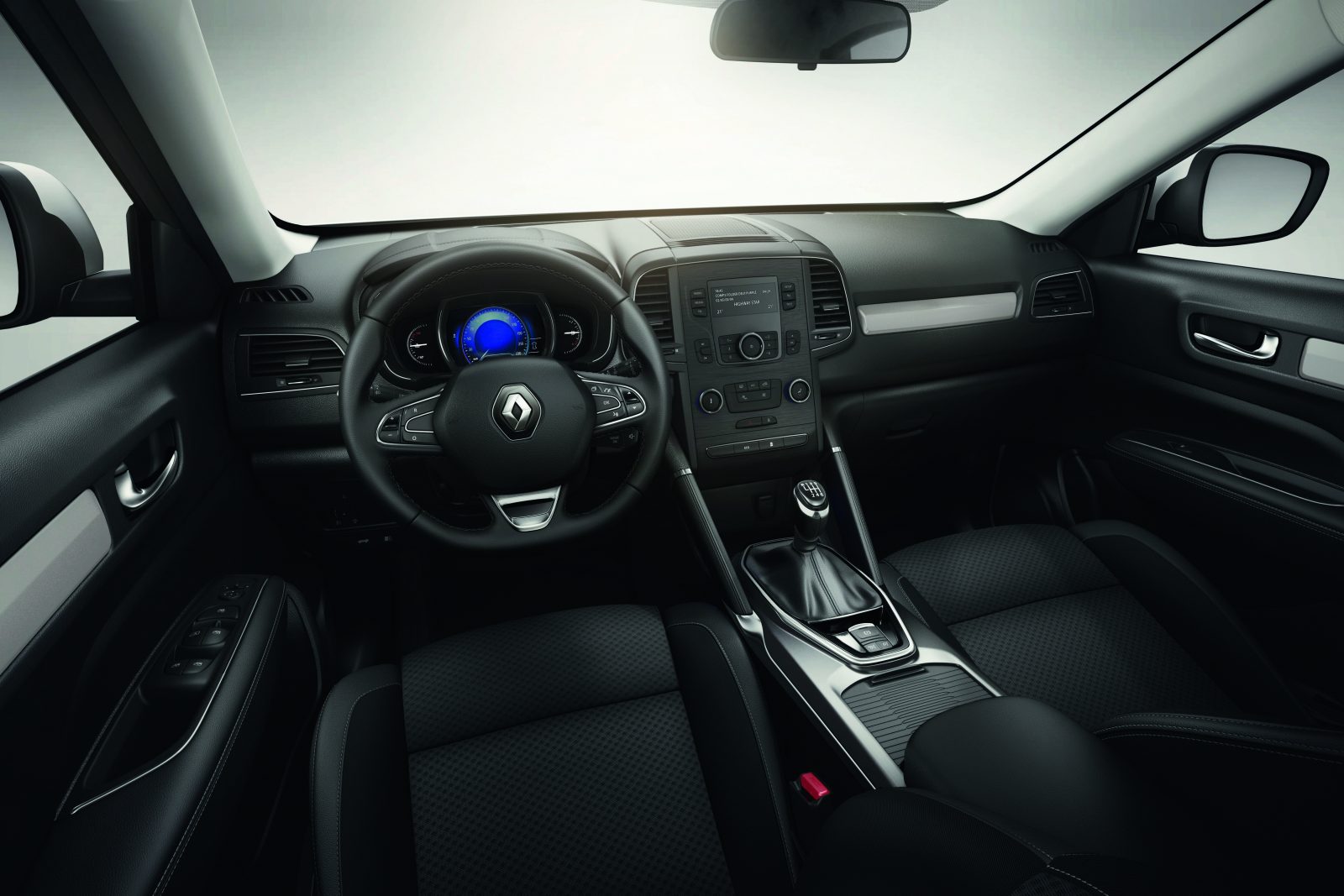
The Koleos sits above the Kadjar in Renault’s SUV line-up. The model is available with petrol and diesel engines. These are usually paired with manual gearboxes. Automatic transmissions are also available. The second generation offers spacious interiors, modern screens and controls for multimedia (systems that combine radio, navigation and phone connectivity) and safety options such as lane assist and adaptive cruise control.
In the Netherlands the Koleos was mainly sold as a diesel version with the 1.7 dCi engine (direct common-rail injection). This engine was available in two power outputs: 130 hp and 175 hp. The top-spec Initiale Paris offered extra luxury and equipment. Even so, the Koleos remains a relatively rare sight on Dutch roads compared with rivals such as the Volkswagen Tiguan or Peugeot 5008.
‘ A thorough inspection prevents thousands of euros in nasty surprises. ’
Why is knowledge of car problems important for Koleos drivers?
Knowing about technical problems helps you recognise warning signs in good time. That way you prevent a minor issue from growing into an expensive repair. With the Renault Koleos certain faults occur regularly, especially in specific model years. By knowing about these complaints, you can act preventively.
For potential buyers it is important to check specific points of attention on a used Koleos. A thorough inspection prevents thousands of euros in nasty surprises. Even during ownership it helps to know what to watch out for in terms of maintenance and daily use.
Timing is crucial with technical problems. Some faults lead to engine damage or safety risks. That mainly happens if you do not fix them in time. By recognising symptoms and reacting quickly you limit the damage and keep the costs manageable.
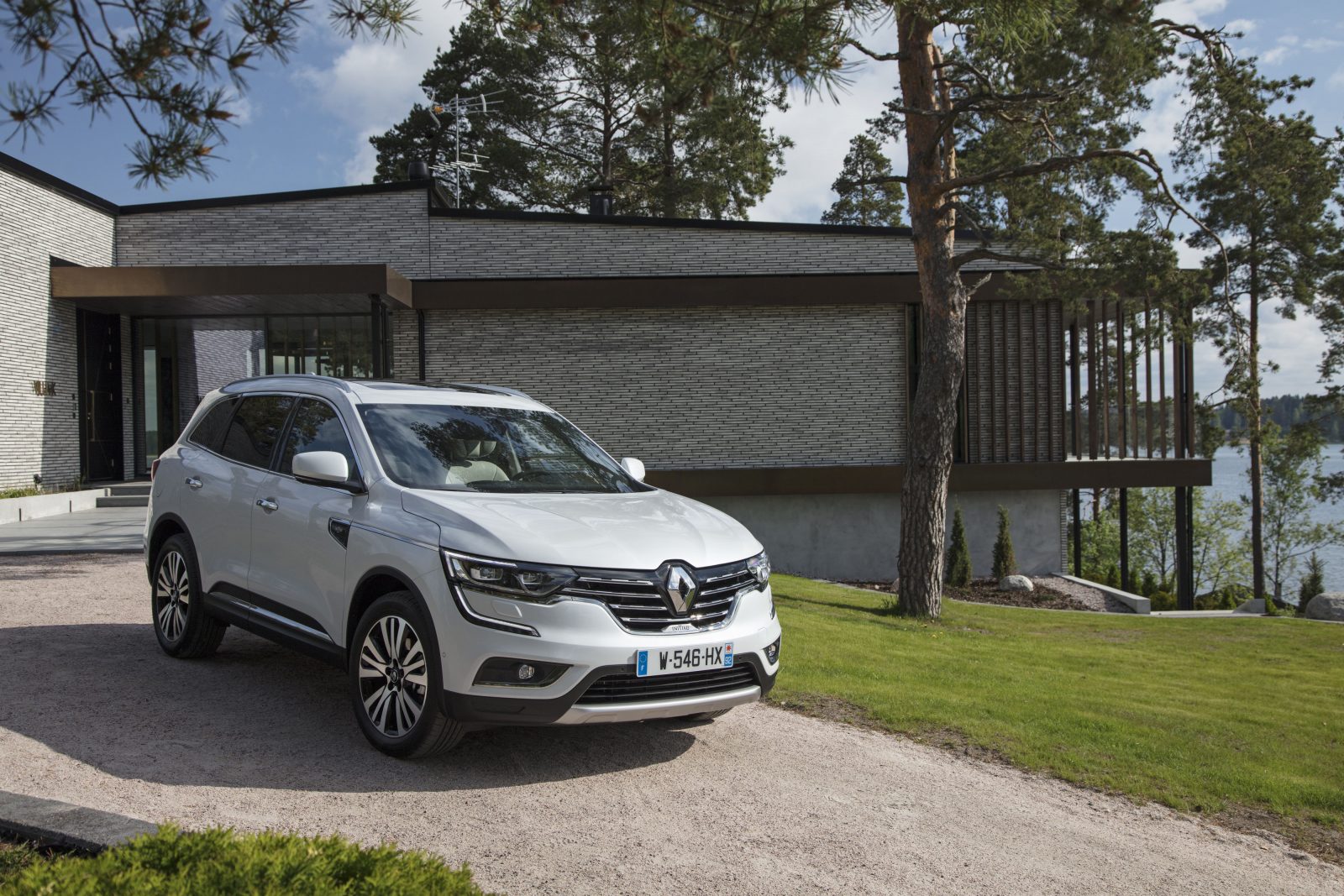
Common engine problems with the Renault Koleos
The 1.7 dCi diesel engine (direct common-rail injection) is the most widely used power unit in Dutch Koleos models. This engine struggles with problems in the injection system, especially in high-mileage cars. Blocked injectors lead to poor performance. In addition, they cause jerky running and increased fuel consumption.
The turbo assembly sometimes fails due to oil shortages or contamination. Symptoms are loss of power, whistling noises during acceleration and blue smoke from the exhaust. Turbo problems occur more often in models that make lots of short trips. On such journeys the engine does not reach full operating temperature.
The EGR valve (exhaust gas recirculation) becomes contaminated over time, especially on diesel engines. This leads to faults, warning lights on the dashboard and loss of power. Regular cleaning or replacement of the EGR valve (exhaust gas recirculation) is needed to prevent more serious damage.
For petrol engines, problems are less frequently documented. Here too, ignition problems and coils sometimes fail. Watch out for vibrations, starting problems and an irregular idle speed as early warning signs.
Transmission problems in the Koleos
The manual gearbox is generally reliable, but some owners report hesitant gear changes or clicking noises. These complaints are mainly found on high-mileage models and point to wear of the clutch or gearbox internals.
The automatic transmission (CVT – continuously variable transmission – or conventional automatic, depending on model year and engine) has more reported issues. Jerks when changing gear, delayed response when accelerating and unusual noises are symptoms. These point to problems. In more serious cases the transmission fails completely.
The EDC automatic (dual-clutch) is used on some versions. Over time it can develop problems with the mechatronics. This electronic control unit is expensive to replace. Timely servicing of the transmission fluid helps to extend its life.
‘ Frequently reported problems include error messages with no clear cause. ’
Electrical and electronic faults in the Renault Koleos
The Koleos has a lot of electronics and sensors. That makes the system sensitive to faults. Frequently reported problems include error messages with no clear cause. Failures of the onboard computer and problems with the climate control also occur.
Problems with parking sensors and cameras are common. This mainly affects models that are used a lot in city traffic. Dirt or failed sensors lead to false warnings or system failure. Cleaning often solves the problem, but sometimes replacement is necessary.
The start–stop systems can falter due to a weak battery or problems with the control software. The system then does not work or shows error messages. A healthy battery and up-to-date software are needed to keep this system working properly.
Central locking and electric window systems work intermittently. The cause lies in faults in the onboard electronics. Sometimes software updates at the dealer help, but in other cases modules or switches have to be replaced.
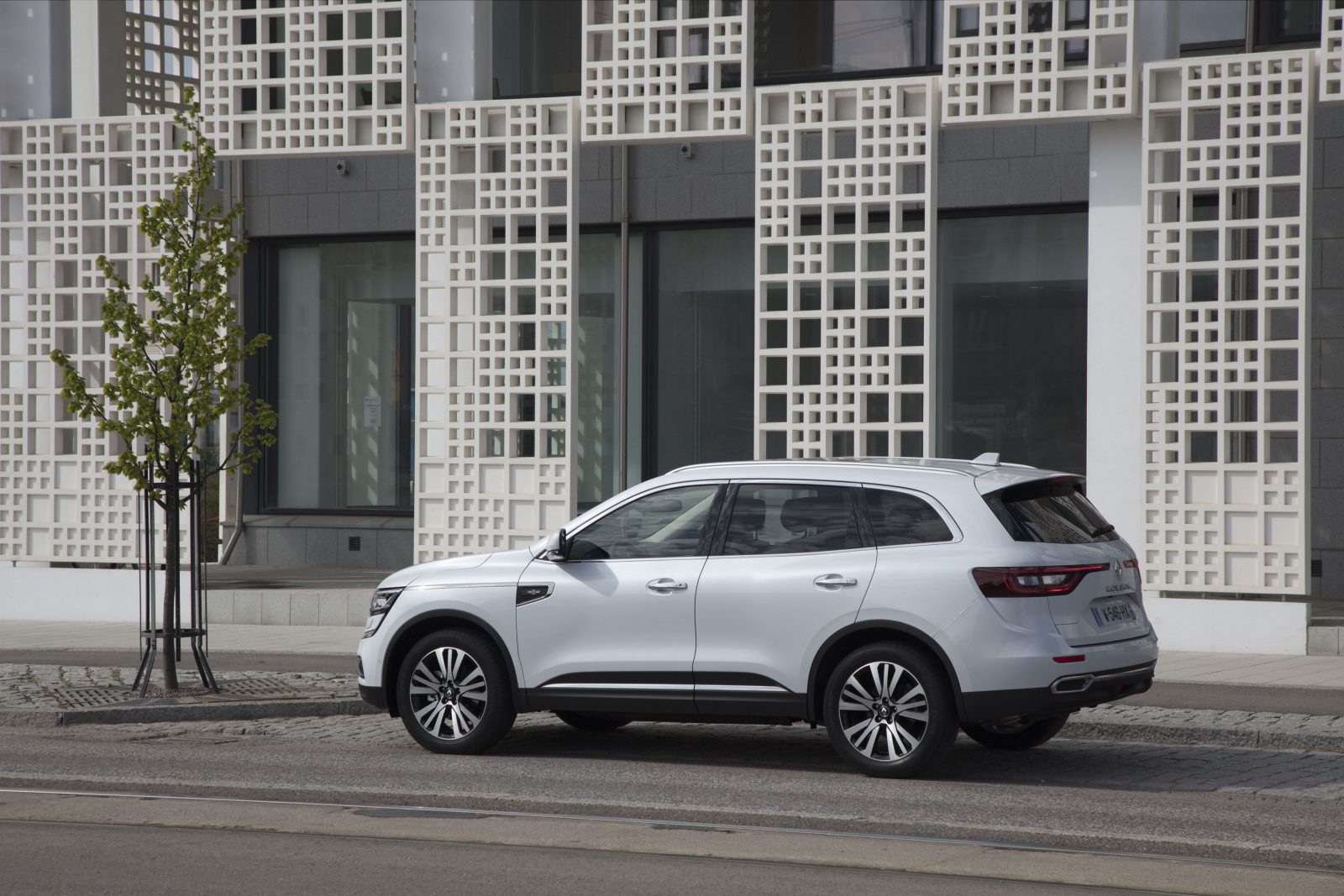
Chassis, suspension and braking system
The Koleos suspension is relatively firm. After high mileages, shock absorbers and springs wear out. Knocking noises, a bumpy ride and uneven tyre wear are signs of wear in the chassis.
Problems with wheel bearings are common, especially on cars that regularly drive on poor roads. Do you notice a droning noise that increases with speed? That points to a defective wheel bearing. Have it replaced in time to prevent further damage.
The braking system is generally reliable. Brake discs and pads naturally wear with use. On models with larger wheels, wear is faster. Regular checks of the brakes prevent dangerous situations.
Interior and infotainment
The multimedia system in the Koleos responds slowly or freezes. This occurs mainly with older software versions. An update at the dealer improves response time and fixes bugs.
The connection with smartphones is not always stable. This applies to both Bluetooth (wireless short-range connection) and Android Auto/Apple CarPlay (systems that link your phone to the car’s dashboard). Problems with pairing or frequently dropped connections are common complaints. Sometimes it helps to re-pair the phone or reset the system.
Minor quality issues in the interior do occur. Think of creaking dashboard sections, peeling upholstery or defective buttons. These problems are more annoying than technically critical, but they negatively affect the user experience.
‘ Without action this only gets worse. ’
How do you recognise early problems with your Koleos?
Watch for changes in driving behaviour. Loss of power, jerky gear changes or strange noises are signs of technical problems and are often the first warning signals. Take these seriously and have them checked.
Warning lights on the dashboard should always be investigated. A warning light points to an emerging problem. Without action this only gets worse, even if the car appears to drive normally.
Check fluid levels regularly. Think of engine oil, coolant and brake fluid. Unexpected fluid loss points to a leak that must be fixed quickly.
Be alert to unusual smells. The smell of burning oil, rubber or a sweet odour are warning signals. A sweet smell points to a coolant leak. Do not ignore these signs.
Preventive maintenance and tips for a longer service life
Follow Renault’s service schedule (overview of service and inspection intervals) closely. Regular oil changes and replacement of filters help prevent engine problems. With diesel engines it is especially important to use the correct oil.
Make sure the car regularly does longer journeys. The engine and exhaust system then warm up properly. This reduces soot build-up and problems with the EGR valve (exhaust gas recirculation).
Have control software updates carried out at the dealer. Renault regularly releases updates that solve known issues and improve the operation of systems.
Do you use the car infrequently? Then take measures to keep the battery healthy. A trickle charger helps when the car often stands still. A weak battery causes all kinds of electronic problems.
What to do in case of a fault or defect?
Have faults read out as soon as possible at a garage with experience of Renault. Many modern problems can only be properly traced with the right equipment and software. Delaying action leads to further damage.
Consider getting a second opinion if a garage recommends an expensive repair. Sometimes there are alternative solutions or the diagnosis is not entirely correct. A specialist in French cars often gives better advice.
Always ask for a warranty on repairs. This applies both to the work carried out and to the parts used. Many garages offer a warranty, which protects you if the problem returns.
Keep all invoices and the service history. This not only helps with future repairs, but also increases the resale value of your car.
‘ A car without a complete service history is a risk. ’
Buying a used Renault Koleos: what should you look out for?
Check the complete service history. Pay particular attention to timely oil changes and replacement of wear parts. A car without a complete service history is a risk.
Take a test drive and check all functions. Test the automatic transmission thoroughly, both in gentle and in more spirited driving. Check that all electronics work, including sensors, cameras and the multimedia system.
Have the car inspected by a specialist before you buy. An MOT is the bare minimum. A more comprehensive inspection gives greater peace of mind. Pay particular attention to signs of engine problems. Transmission faults also deserve extra attention.
Ask the seller about known problems and about any repairs that have been carried out. An honest seller will be open about previous faults and how they were resolved.
Check whether recent control software updates have been carried out. This indicates careful ownership and reduces the likelihood of known electronic faults.
The reliability of the Renault Koleos
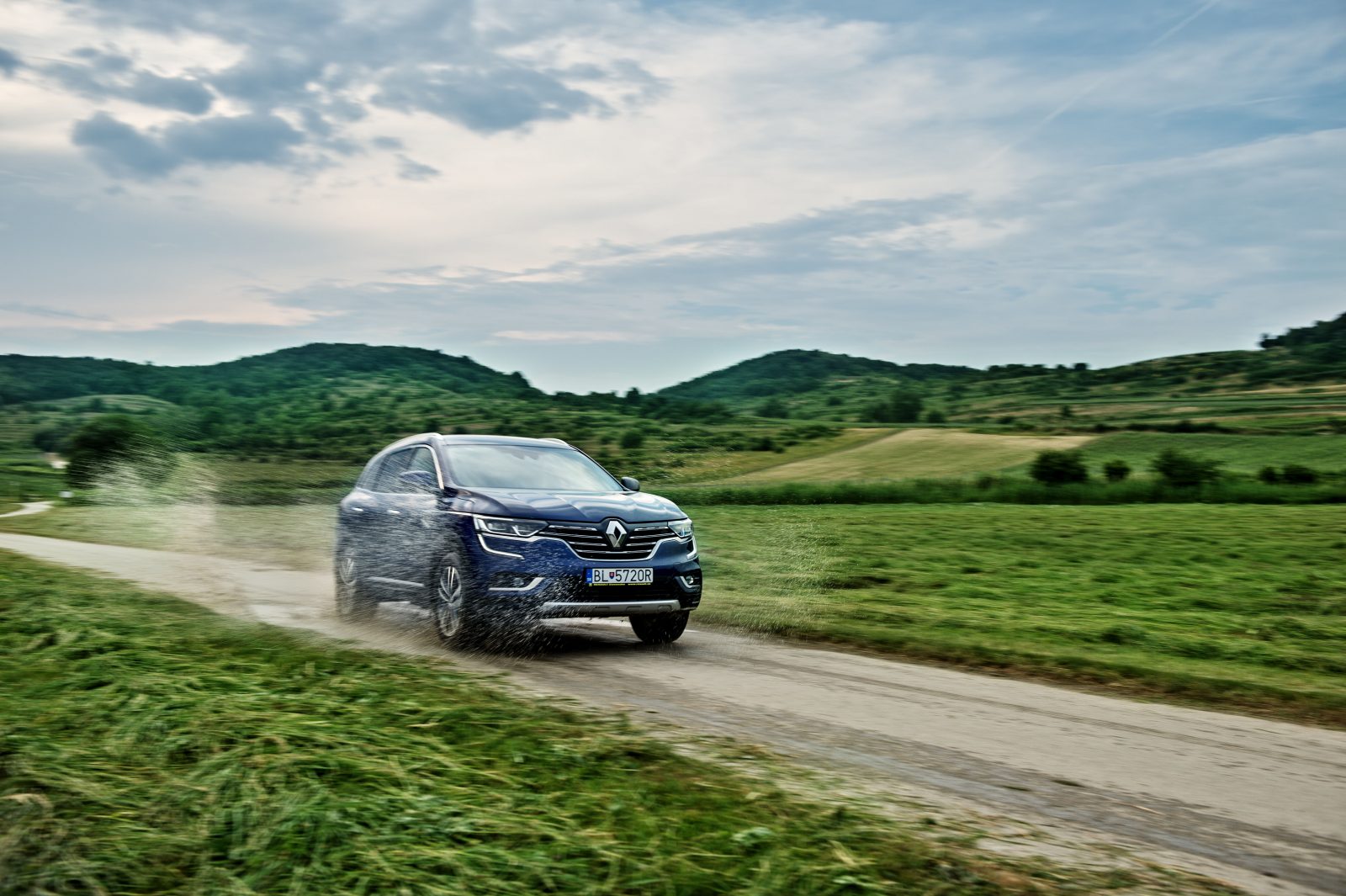
The Renault Koleos offers space, comfort and modern equipment. Its reliability lags behind many competitors. Engine issues, transmission faults and electronic complaints occur regularly. That makes it a car you need to be careful with.
For buyers who are willing to take preventive maintenance seriously and tackle problems in good time, the Koleos is a pleasant car – provided you stick to this approach consistently. Choose a well-maintained example and do not ignore warning signs.
Always compare several examples before buying. Condition and maintenance vary greatly between individual cars. A well-cared-for Koleos will serve for many years, whereas a neglected car will soon generate expensive repairs.